
 русский
 عربى
 Tiếng Việt

Professional spray coating line specially designed for motor casings, applicable to various motor casing types (electric vehicle motor casing, industrial motor casing, household motor casing, high-tem...
See Details
Yueze Environmental Protection provides one-stop compliant industrial surface treatment solutions with professional tech and fine craftsmanship.
 Get Inquiries
2026-11-11
Content
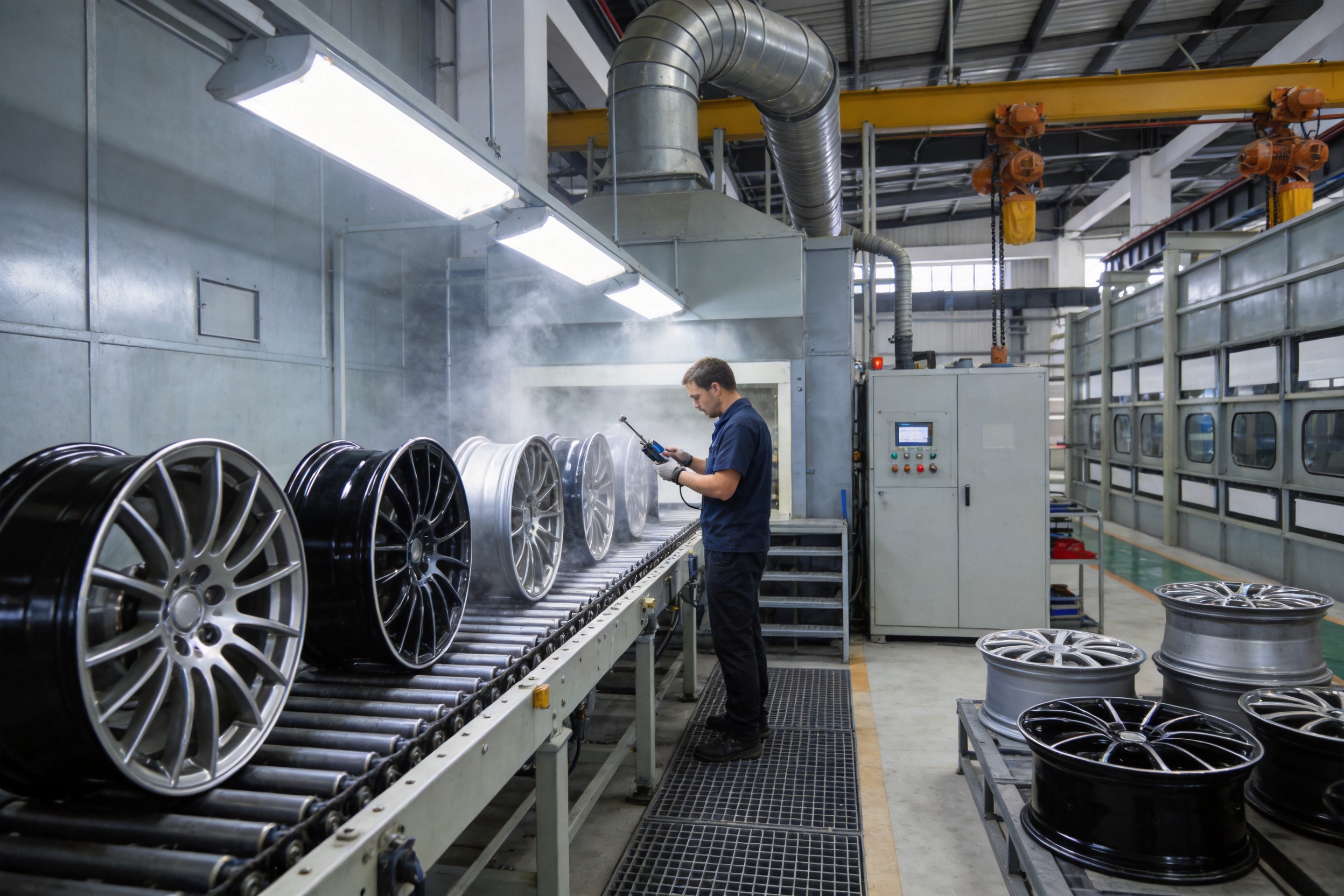
Car wheels are among the most demanding components to coat in modern vehicle manufacturing. Their surfaces combine flat spoke faces, narrow edges, deep cavities, inner barrels, bolt holes, hub bores, and curved rim sections. A coating system must therefore deliver complete coverage, consistent film thickness, strong adhesion, attractive appearance, and long-term resistance to road conditions. A general-purpose painting system may perform well on flat panels, but it can leave thin areas, overspray shadows, or uneven gloss on a wheel. A dedicated spray coating line for car wheels is designed specifically to solve these challenges.
A modern wheel coating line integrates surface preparation, masking, automatic conveying, rotating fixtures, spraying, drying or curing, exhaust treatment, paint recovery, inspection, and production management into one coordinated system. It can be configured for steel wheels, aluminum alloy wheels, forged wheels, cast wheels, passenger car wheels, and commercial vehicle wheels. Depending on the product and required finish, the line may include pretreatment, primer spraying, base-color spraying, clear coating, infrared radiation drying, hot-air curing, cooling, and final inspection.
Jiangsu Yue Ze Environmental Protection Equipment Co., Ltd. provides customized industrial coating and environmental protection equipment from its manufacturing base in Yancheng, Jiangsu, China. The company supplies integrated solutions for coating lines, paint and bake booths, automated conveyor systems, infrared drying equipment, waste gas treatment, and related production equipment. Its experience in designing complete industrial systems allows a wheel manufacturer to purchase more than an individual spray booth or isolated machine. The result can be a coordinated production line designed around wheel dimensions, coating materials, output targets, factory space, and environmental requirements.
Wheel coating is more complex than ordinary flat-part spraying because the geometry changes continuously across the workpiece. The visible face may contain multiple spokes that extend from a central hub to the rim. Between the spokes are recessed pockets that are difficult to reach. The outer rim may be rounded, while the inner barrel extends deeply behind the front face. The rear side can also require corrosion protection and a uniform finish.
When a wheel remains stationary during spraying, the spray angle may be suitable for one area but unsuitable for another. Paint can build up on exposed edges while remaining too thin in recessed sections. A dedicated wheel coating line uses rotating fixtures or automated workpiece rotation to present different surfaces to the spray gun. This controlled movement improves coverage and helps create a consistent coating film across the face, spoke backs, rim edges, and inner barrel.
Wheels are also exposed to severe service conditions. They encounter water, salt, dust, gravel, brake dust, detergents, temperature changes, ultraviolet radiation, and occasional curb contact. The coating must resist corrosion and chemical attack while retaining its appearance. A properly designed multi-stage coating system can provide the adhesion, hardness, flexibility, and weather resistance required for these operating conditions.
Another challenge is the need to protect precision mounting surfaces. The hub bore, bolt holes, wheel contact surfaces, and valve stem openings may need to remain free from coating. Paint on these areas can interfere with wheel seating, fastener contact, balancing, or assembly accuracy. The production line must therefore accommodate accurate masking before spraying and reliable mask removal after curing.
A spray coating line for car wheels is an integrated production system that transports wheels through a defined sequence of cleaning, pretreatment, masking, spraying, drying, curing, cooling, inspection, and handling operations. The system can be fully automatic, semi-automatic, or customized according to production volume and labor requirements.
A full-automatic line normally uses an overhead conveyor, ground conveyor, or specialized wheel conveying arrangement. Each wheel is mounted on a fixture that supports the component safely while allowing rotation when required. Sensors and control equipment coordinate the movement of wheels between processing zones. The spray equipment can include reciprocating guns, fixed spray guns, rotating atomizers, or a combination of methods.
The line may be designed for liquid paint, water-based coating, solvent-based coating, or other compatible coating systems. The final configuration depends on the wheel material, coating specification, production capacity, finish requirements, available factory space, and local environmental regulations. A well-engineered line does not treat these elements separately. Instead, it matches the spraying equipment, booth design, drying system, conveying speed, exhaust system, and waste treatment equipment to the same process plan.
| System or Station | Main Function | Important Design Consideration |
|---|---|---|
| Loading and unloading area | Receives uncoated wheels and removes finished products | Ergonomics, takt time, and safe handling |
| Cleaning and pretreatment | Removes oil, dust, oxides, and other contaminants | Wheel material, chemical compatibility, and drainage |
| Masking station | Protects hub bores, bolt holes, and other critical areas | Repeatability and fast model changeover |
| Rotating fixtures | Turns the wheel during spraying and drying | Diameter range, load capacity, and rotation control |
| Spray booth | Contains overspray and provides a controlled painting environment | Airflow, filtration, lighting, and operator safety |
| Automatic spray equipment | Applies primer, color, and clear coating | Film thickness, atomization, speed, and pattern control |
| Infrared or hot-air drying | Dries or cures coating layers between stages | Temperature uniformity and material compatibility |
| Exhaust and purification system | Removes paint mist and treatment gases | Emission control, maintenance, and energy efficiency |
| Inspection station | Checks appearance, coverage, adhesion, and defects | Lighting, inspection standards, and traceability |
The exact process varies according to wheel material and coating specification, but most systems follow a logical sequence. Process engineering is important because every stage affects the performance of the next stage. Poor cleaning can reduce adhesion. Inadequate drying can cause defects in the following layer. Incorrect masking can affect wheel assembly. Excessive spray pressure can increase overspray and material consumption.
Wheels enter the line through a loading station where operators or automated equipment place them on dedicated fixtures. The fixture must support the wheel without damaging machined or decorative surfaces. For mixed production, the system may use product identification, barcode reading, recipe selection, or operator confirmation to set the correct conveyor speed, spray parameters, and fixture configuration.
Good loading design reduces manual lifting and helps maintain a stable production rhythm. The loading area can be arranged for one-piece flow or batch feeding, depending on the factory layout. Sensors can confirm that the wheel is correctly positioned before the conveyor moves it into the pretreatment or masking area.
Before coating, the wheel surface must be free from machining oil, dust, metal particles, fingerprints, polishing residue, and other contaminants. Pretreatment may include degreasing, rinsing, chemical conversion, drying, abrasive preparation, or a combination of these methods. The selected procedure depends on whether the wheel is made of steel, aluminum alloy, or another material.
For aluminum alloy wheels, pretreatment is particularly important because the surface oxide condition can influence adhesion. For steel wheels, corrosion protection and reliable primer bonding are major priorities. A properly controlled pretreatment stage improves coating adhesion, reduces premature corrosion, and supports a consistent appearance.
The equipment may include chemical treatment tanks, spray chambers, pumps, filters, circulation systems, heating elements, water management equipment, and drying zones. Nozzles and spray patterns should be arranged so that the wheel face, inner barrel, and recessed areas receive adequate treatment. Drainage and liquid management are also important because wheel geometry can retain process liquid if the fixture angle is not properly selected.
After cleaning or wet pretreatment, the wheel must be sufficiently dry before entering the spray booth. Remaining moisture can cause adhesion problems, blistering, pinholes, or surface defects. A drying zone may use heated air, controlled airflow, infrared radiation, or a combination of these methods.
Drying performance depends on wheel mass, material, geometry, line speed, air temperature, humidity, and fixture rotation. Deep pockets and inner barrels may dry more slowly than exposed spoke faces. Rotating the wheel during drying can improve heat distribution and reduce retained moisture.
Masking protects areas that must remain uncoated. Typical areas include the hub bore, bolt holes, wheel mounting pad, balancing surfaces, and valve stem opening. The masking method may use reusable plugs, caps, discs, tapes, or custom tools designed for a specific wheel family.
Reusable masking tools can reduce consumable cost and improve repeatability. For mixed production, quick-change masking systems help shorten model changeover time. The design must achieve a tight seal without damaging the wheel or leaving unacceptable paint edges. Masking removal should also be simple enough to avoid scratching the cured finish.
Primer creates an intermediate layer between the wheel substrate and the decorative coating. It can improve adhesion, provide corrosion resistance, smooth minor surface variation, and establish a suitable base for the color coat. Steel wheels often require a strong corrosion-resistant primer, while aluminum alloy wheels may use a primer selected for aluminum adhesion and the specified decorative system.
During primer spraying, wheel rotation helps expose the inner barrel, spoke backs, and recessed areas. The spray system must balance coverage with material efficiency. Excessive paint can cause runs, sags, or long drying times. Insufficient paint can leave weak points that later become visible or susceptible to corrosion.
After primer application, the wheel passes through an intermediate drying zone. Depending on the coating material, the process may use flash-off time, heated air, infrared radiation, or a controlled combination. The goal is to achieve the correct surface condition before the next coating layer.
Infrared radiation can heat the coating and substrate directly, which may reduce drying time in comparison with conventional air-only systems. However, infrared equipment must be selected and positioned carefully. Excessive or uneven radiation can produce surface skinning, solvent entrapment, overheating, or inconsistent curing. A custom line should therefore consider wheel geometry, coating chemistry, and measured temperature profiles rather than simply adding high heating power.
The base color gives the wheel its primary decorative appearance. Common finishes include solid colors, metallic effects, bright colors, and specialized visual effects. Metallic and fine-effect coatings require especially careful atomization and spray control because uneven orientation of particles can produce shade variation or clouding.
Automatic spray equipment can help maintain a repeatable distance, angle, speed, and coating volume. The wheel may rotate at a programmed speed while guns apply coating from fixed or moving positions. The system can be adjusted for different wheel diameters and spoke configurations. Where multiple color recipes are used, the control system may store process parameters for quick selection and changeover.
A clear coat is often applied over the base color to improve gloss, depth, chemical resistance, weather resistance, and protection against road debris. The clear coat must be distributed evenly without obscuring the decorative effect or causing runs. A dedicated clear-coat stage can be integrated into the same line or arranged as a separate booth according to production and contamination-control requirements.
The clear coat is particularly useful for wheels exposed to brake dust, detergents, salt, moisture, ultraviolet radiation, and repeated cleaning. It does not eliminate all risks of damage, but a properly selected and cured clear coat provides an additional protective barrier over the color layer.
After the final coating, wheels enter a curing zone. The required curing method depends on the coating system. Options may include hot-air ovens, infrared radiation, ambient curing, or combined heating methods. The equipment must provide stable temperature distribution throughout the wheel load and maintain the required residence time.
Wheel geometry can create thermal differences between the outer rim, spokes, hub area, and inner barrel. Temperature sensors and process validation help confirm that the coating reaches the intended curing condition without overheating the substrate or damaging masking components. A controlled curing stage contributes to hardness, adhesion, chemical resistance, and final appearance.
Finished wheels should cool to a suitable handling temperature before inspection, stacking, or packaging. Forced cooling may be used when production speed requires it, but airflow must be clean and controlled so that dust is not deposited on the fresh surface.
Final inspection may include visual examination under controlled lighting, film thickness measurement, gloss measurement, adhesion testing, color comparison, masking verification, and checks for dust, pinholes, runs, orange peel, exposed metal, or incomplete coverage. Inspection results can be recorded manually or integrated into a digital production system.
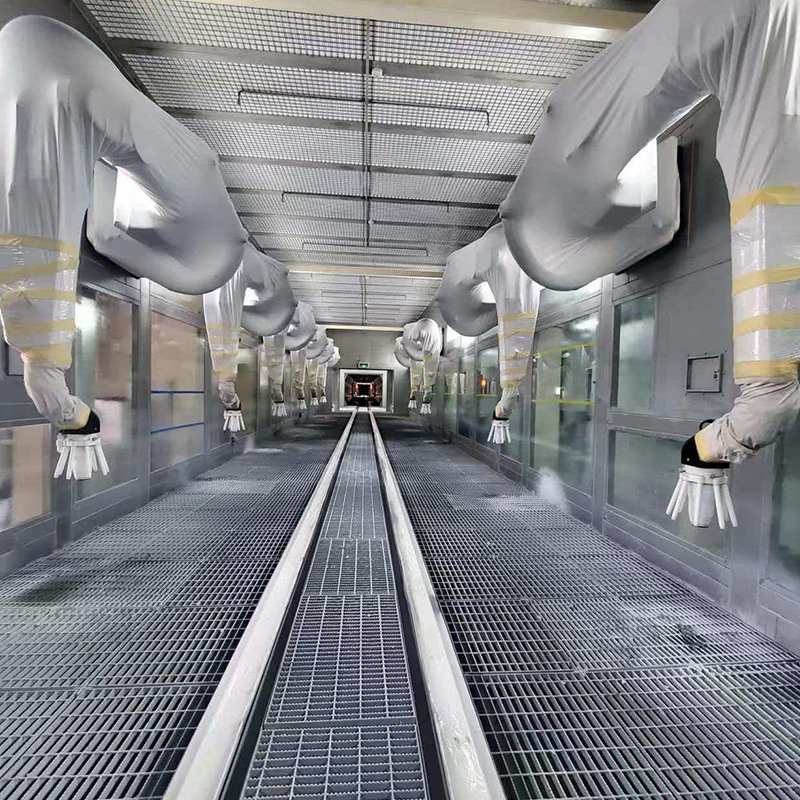
Spray Coating Line For Car Wheel
The main advantage of a dedicated system is that it is designed around the shape and production behavior of wheels rather than adapted from flat-part equipment. This specialization produces benefits in coating quality, efficiency, material usage, flexibility, and environmental performance.
Rotating fixtures and wheel-specific spray programming help reach surfaces that are difficult to coat with stationary workpieces. The system can be configured to provide coverage across spoke faces, spoke backs, rim edges, inner barrels, and selected rear surfaces. Complete coverage is especially important where the wheel requires corrosion protection in addition to decorative finishing.
Automatic movement also reduces dependence on individual operator technique. Manual spraying can produce variations in gun distance, angle, overlap, and speed. Automation does not remove the need for process control, but it provides a more repeatable foundation for stable production.
A consistent film thickness supports both appearance and durability. Thin areas may have poor corrosion resistance or insufficient protection, while thick areas may sag, crack, take too long to dry, or produce excessive gloss variation. Programmed wheel rotation and controlled spray parameters help distribute coating more evenly.
The line can also separate recipes for different wheel sizes and designs. A large commercial vehicle wheel may require different spray timing and rotation than a smaller passenger car wheel. Recipe-based control makes these adjustments more repeatable than manual estimation.
Coating performance begins with surface preparation. A dedicated line can provide controlled degreasing, pretreatment, drying, primer application, intermediate drying, color coating, and clear coating. Each stage supports the next, reducing the risk of adhesion failure caused by contamination or incomplete drying.
When the coating layers are properly matched to the wheel material, the finished surface can offer resistance to chipping, peeling, corrosion, brake dust, cleaning chemicals, and weather exposure. Durability depends on the complete system, including coating formulation and process conditions, but the equipment provides the control needed to achieve the specified result.
Conveyors move wheels through the line at a controlled pace and reduce repeated manual handling. Automatic spraying can maintain a stable cycle time while operators focus on loading, masking, inspection, maintenance, and process supervision. For high-volume plants, synchronized stations help prevent bottlenecks between pretreatment, spraying, drying, curing, and unloading.
Production efficiency also improves when the line is designed for fast model changeover. Adjustable fixtures, stored recipes, quick-change masking tools, and flexible spray programs allow multiple wheel sizes or styles to be processed with less downtime.
Automatic spray equipment can improve transfer efficiency by controlling spray pressure, atomization, gun movement, and coating volume. A well-designed booth and recovery system can collect overspray where appropriate and reduce unnecessary material loss. Paint savings depend on coating type, application method, wheel design, and operating parameters, but precise control generally offers a significant advantage over uncontrolled manual application.
Reduced consumption also lowers waste treatment requirements and operating costs. It is important, however, to balance material savings with the need for complete coverage. Excessive reduction in paint volume can create thin areas and lower product quality.
A controlled spray booth provides a cleaner environment than open-area painting. Airflow, filtration, lighting, and pressure control help reduce dust and prevent impurities from settling on wet coating. Cleaner conditions reduce surface defects and help produce a more consistent finish.
The booth also protects operators and surrounding production areas from paint mist. Exhaust and purification equipment can be configured to address the emissions associated with the selected coating process. The final design should comply with applicable occupational safety and environmental requirements.
Environmental performance comes from several coordinated features rather than one device. These may include high-efficiency spray application, paint recovery, controlled exhaust, waste gas purification, energy-efficient drying, heat insulation, and process-water management.
Infrared drying can support shorter heating zones or faster intermediate drying when properly matched to the coating system. Insulated ovens reduce heat loss. Automatic conveying reduces unnecessary movement and handling. Waste gas treatment equipment helps manage emissions from spraying and curing. Together, these measures can lower energy use, material waste, and environmental impact.
Generic coating equipment may be suitable for simple parts with flat surfaces, limited appearance requirements, or low production volume. However, wheel manufacturing introduces requirements that are not always addressed by standard equipment. The comparison below illustrates why a specialized line can provide better process control.
| Performance Area | Generic Equipment | Dedicated Wheel Coating Line |
|---|---|---|
| Workpiece movement | Often designed for stationary or simple linear parts | Uses wheel fixtures and controlled rotation |
| Recessed spoke coverage | May require extensive manual touch-up | Uses programmed angles and rotation for better access |
| Inner barrel coating | Coverage can be inconsistent | Fixture and spray arrangement are designed around wheel depth |
| Model changeover | May require manual adjustment and trial spraying | Can use adjustable fixtures, recipes, and quick-change masks |
| Process integration | Separate machines may need manual transfer | Can combine pretreatment, spraying, curing, conveying, and exhaust treatment |
| Quality consistency | Highly dependent on operator technique | Automation provides repeatable movement and parameters |
| Environmental control | May require additional standalone equipment | Booth, exhaust, purification, and recovery systems can be engineered together |
| Expansion potential | Upgrades may be difficult | Modular design can support future capacity and product changes |
Aluminum alloy wheels are widely used because of their appearance, weight characteristics, and design flexibility. Their coating system commonly includes cleaning, conversion or other pretreatment, primer, base color, and clear coat. The process must support adhesion to the aluminum substrate and protect the finish from chips, corrosion, brake dust, and cleaning chemicals.
Decorative alloy wheels may include machined-face sections or polished accents. If selected areas are intended to remain bright or exposed, the line must incorporate accurate masking or selective coating methods. Fixture contact points should be chosen carefully so that the visible finish is not marked.
Steel wheels generally place greater emphasis on corrosion protection. A suitable pretreatment and corrosion-resistant primer are essential. Depending on the specification, the top coat may be a simple durable color layer or a multi-layer decorative system.
Steel wheels can be heavier than alloy wheels, so the conveyor and fixture must be designed for the required load. The curing system should also account for the greater thermal mass, which can affect heating and cooling time.
Forged and cast wheels can differ in surface condition, geometry, machining marks, and porosity. The line should be configured according to the actual substrate and surface preparation requirements. Cast wheels with complex spoke shapes may require additional attention to recessed areas, while forged wheels may require careful handling of machined surfaces.
Machined-face or two-tone wheels require selective finishing. One area may receive a contrasting coating while another area remains machined or receives a transparent protective layer. Such products demand precise masking, accurate fixture positioning, and reliable recipe control. A modular line can be arranged with additional masking, selective spraying, or separate finishing stations when the product range justifies the investment.
The conveying system is the physical backbone of an automatic production line. It moves wheels between process zones and determines the spacing, residence time, and overall production rhythm. Possible arrangements include overhead conveyors, floor-mounted conveyors, hanging systems, rotary transfer devices, or combinations selected according to the building layout.
Wheel fixtures must hold the product securely while allowing the required rotation. The fixture design should accommodate the specified wheel diameter range, weight range, center geometry, and contact limitations. If the plant produces several wheel families, adjustable or interchangeable fixture components can provide greater flexibility.
Control systems may include programmable logic controllers, human-machine interfaces, variable-frequency drives, sensors, temperature controls, spray recipe storage, and safety interlocks. These controls coordinate conveyor movement, booth operation, spray activation, drying temperature, exhaust flow, and fault alarms.
Safety interlocks can prevent spraying when a wheel is missing, stop movement when a door is open, and shut down heating or spraying during abnormal conditions. A clear operator interface helps production personnel identify the current recipe, line status, alarm condition, and maintenance requirement.
Data collection can support quality improvement. Production teams may record line speed, oven temperature, spray pressure, coating consumption, downtime, and inspection results. Reviewing this information can reveal recurring defects, equipment wear, or process drift before they become major production problems.
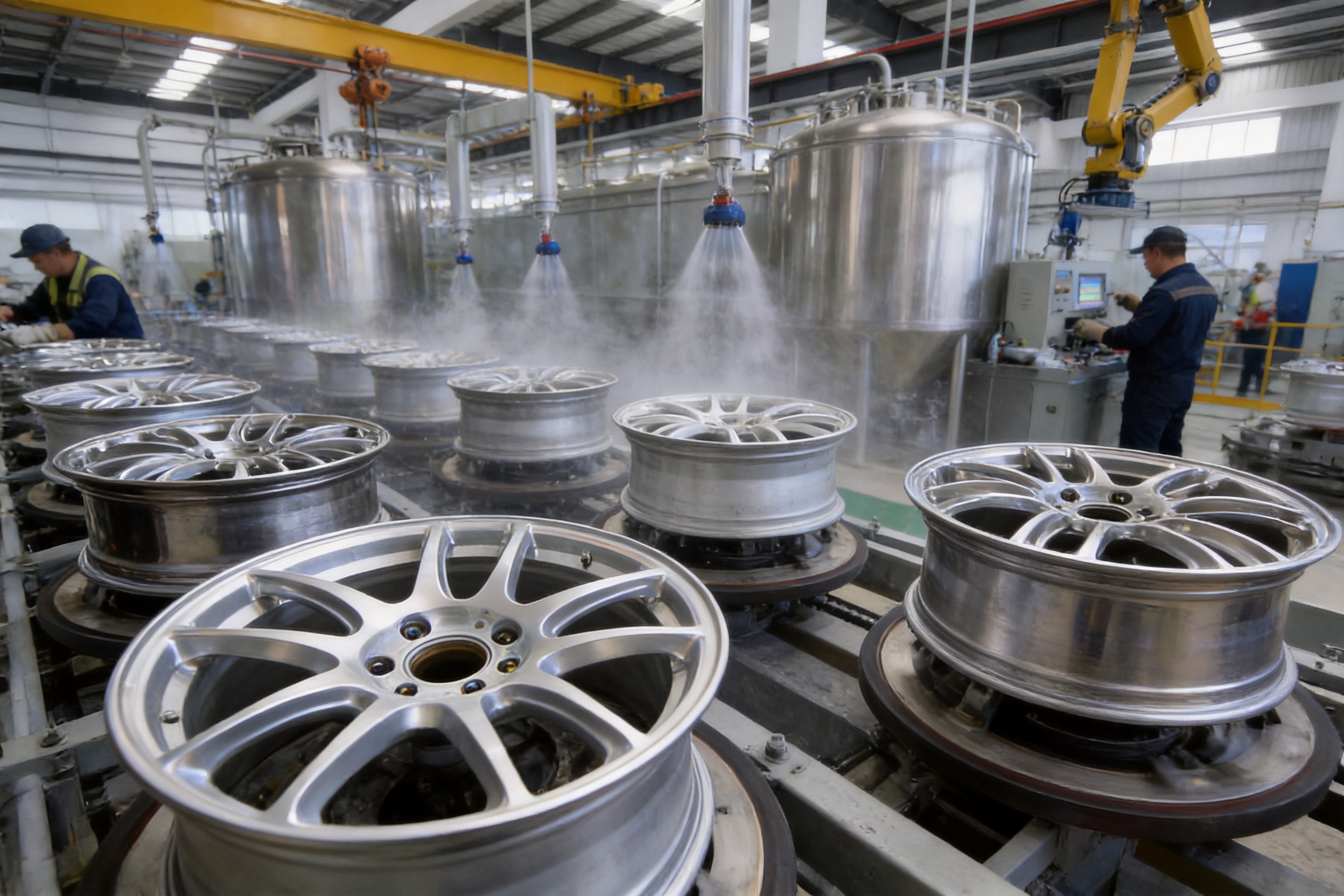
The spray booth must contain overspray, protect the workpiece from external contamination, and provide a safe working environment. Its size depends on wheel dimensions, number of fixtures, spray equipment, access requirements, and maintenance space. The booth should allow sufficient clearance around rotating wheels and moving spray equipment.
Airflow design affects both finish quality and worker protection. Air should move in a controlled direction so that paint mist is carried toward the filtration and exhaust system rather than back onto the wet wheel. Uneven airflow can create overspray accumulation, dry spray, poor atomization behavior, or contamination. Filters must be selected for the coating material and maintained according to the operating schedule.
Lighting is another important feature. Shadows in recessed spoke areas can make inspection difficult and can prevent operators from identifying incomplete coverage. Uniform, suitable lighting helps detect color variation, runs, pinholes, dust, and masking problems.
The booth structure should be durable, easy to clean, and compatible with the selected coating materials. Access doors, inspection windows, service panels, and removable filter sections should be arranged to simplify maintenance. If the line uses flammable coatings or solvents, electrical components and ventilation must be selected in accordance with applicable safety requirements.
Drying and curing are not interchangeable terms. Drying may remove water or solvent and prepare the surface for the next layer, while curing develops the final physical properties of the coating. The correct thermal profile depends on the product specification and coating chemistry.
Hot-air ovens provide broad heating through circulated air. They can be effective for large production volumes and complex loads, but they require careful airflow and temperature control. Infrared radiation transfers energy directly to the workpiece and coating, potentially reducing heating time and improving responsiveness. A combined system can use infrared radiation for rapid initial drying and hot air for more uniform final curing.
The wheel’s mass and geometry influence the required heating time. Thick sections and inner barrels may respond differently from thin spokes. Process validation should measure temperatures at representative locations rather than relying only on the oven air temperature. Proper insulation, recirculation, exhaust control, and burner or electrical heating management can reduce energy loss.
Cooling sections should prevent fresh coating from being exposed to dust or excessive handling. Clean filtered air, controlled airflow, and adequate cooling length help protect the finished surface before inspection and packing.
Spray coating operations can produce paint mist, solvent vapor, and other emissions. Pretreatment may also generate process gases or wastewater requiring appropriate management. Environmental protection equipment should be designed together with the coating line instead of added as an afterthought.
Depending on the coating and local requirements, the system may use dry filtration, wet treatment, activated carbon, catalytic treatment, thermal treatment, or a combination. The correct solution depends on emission composition, concentration, airflow, operating hours, and applicable regulations.
Jiangsu Yue Ze Environmental Protection Equipment Co., Ltd. specializes not only in coating production equipment but also in waste gas treatment and environmental protection systems. This combined capability can simplify project coordination because the spray booths, exhaust ducts, purification equipment, fans, control system, and maintenance plan can be considered as one integrated design.
Environmental performance also depends on daily operation. Filters must be replaced or cleaned on schedule. Ducts should be inspected for accumulation. Spray guns should be maintained to prevent irregular atomization. Operators should follow coating storage, mixing, and waste handling procedures. Equipment design and operating discipline must work together to achieve stable results.
According to the supplied company information, Jiangsu Yue Ze Environmental Protection Equipment Co., Ltd. is located in Yancheng, Jiangsu Province, and operates a facility covering approximately 35,000 square meters. The company reports registered capital of 58 million yuan and more than 40 years of combined experience in coating lines, paint and bake booths, waste gas treatment systems, conveying equipment, and related industrial equipment.
This manufacturing background is important for a customized wheel coating project. A line is not simply a collection of catalog components. The conveyor must fit the building. The fixture must match the wheel range. The spray booth must accommodate movement and maintenance. The curing system must match coating chemistry and output. The exhaust and purification equipment must correspond to airflow and emissions. Engineering, fabrication, assembly, installation, and commissioning must all be coordinated.
The company provides integrated research and development, manufacturing, installation, and customized equipment solutions. Its product scope includes powder coating lines, automated painting lines, electric vehicle assembly lines, automotive counterweight spray lines, paint and bake booths, large-part grinding rooms, infrared radiation drying systems, automated conveying systems, intelligent coating lines, and waste gas treatment equipment.
The company also reports experience with a hanging automatic painting process line for casting counterweight blocks, developed in 2014. That project covered finishing and polishing through primer and topcoat application. While wheel coating has its own requirements, experience with complex automated coating sequences demonstrates the value of understanding complete process flows rather than focusing only on a single spray station.
Custom manufacturing can include equipment sizing, fixture design, conveyor arrangement, spray booth configuration, drying and curing selection, control integration, environmental treatment, and future expansion planning. For a buyer, this approach can reduce the risk of purchasing incompatible equipment from multiple suppliers.
Reliable equipment begins with controlled manufacturing. Fabricated booth panels should be accurately formed and assembled. Conveyor frames need sufficient rigidity and alignment. Rotating fixtures should run smoothly and maintain repeatable positioning. Ductwork must be sealed properly, and fans should be selected for the required airflow and pressure.
Electrical cabinets should be organized for safe operation and maintenance. Sensors need to be installed where they can detect workpieces reliably without being exposed unnecessarily to overspray or heat. Heating zones should be checked for temperature uniformity. Spray equipment should be tested for movement, pattern, and synchronization with the conveyor.
Before shipment or installation, a supplier may conduct component inspection, dry commissioning, control testing, safety interlock verification, and trial operation. During on-site commissioning, the line should be adjusted using the customer’s actual wheel samples and coating materials whenever possible. This helps confirm that the equipment performs under realistic production conditions.
Installation requires coordination between the equipment supplier and the customer’s factory team. The customer should prepare foundations, utilities, compressed air, electrical power, ventilation interfaces, water supply, drainage, coating storage, and access routes according to the approved technical documents.
Commissioning normally includes mechanical alignment, electrical connection, software setup, conveyor testing, sensor calibration, spray adjustment, temperature testing, exhaust balancing, and safety verification. Trial wheels should be processed at different sizes and styles where the line is intended for mixed production.
Operator training should cover loading, fixture installation, recipe selection, masking, spray equipment cleaning, filter replacement, alarm response, emergency stops, quality inspection, and routine maintenance. Maintenance personnel should receive instruction on conveyor lubrication, pump inspection, fan and motor service, heating system checks, duct cleaning, and control-system troubleshooting.
Clear operating procedures improve line stability. They should define approved coating materials, mixing ratios, spray parameters, temperature ranges, conveyor speeds, inspection criteria, and actions for abnormal conditions. A line can be technically advanced and still produce inconsistent results if procedures are not followed.
Regular maintenance protects coating quality and reduces unplanned downtime. Spray guns should be cleaned and inspected to prevent blocked nozzles or irregular patterns. Pumps, hoses, filters, and regulators should be checked for wear and leakage. Rotating fixtures should be inspected for smooth movement and accurate positioning.
Conveyors require lubrication, tension checks, alignment inspection, and examination of chains, bearings, drive units, and support structures. Booth filters must be replaced or cleaned according to pressure-drop and contamination conditions. Excessive filter loading changes airflow and can affect finish quality.
Ovens and infrared systems require temperature verification, heater inspection, fan maintenance, and cleaning of accumulated residues. Exhaust ducts and purification devices should be inspected for deposits and airflow restriction. Electrical cabinets should be kept clean and dry, and safety devices should be tested regularly.
A preventive maintenance program should distinguish between daily, weekly, monthly, quarterly, and annual tasks. Maintenance records can help identify recurring failures and support spare-parts planning.
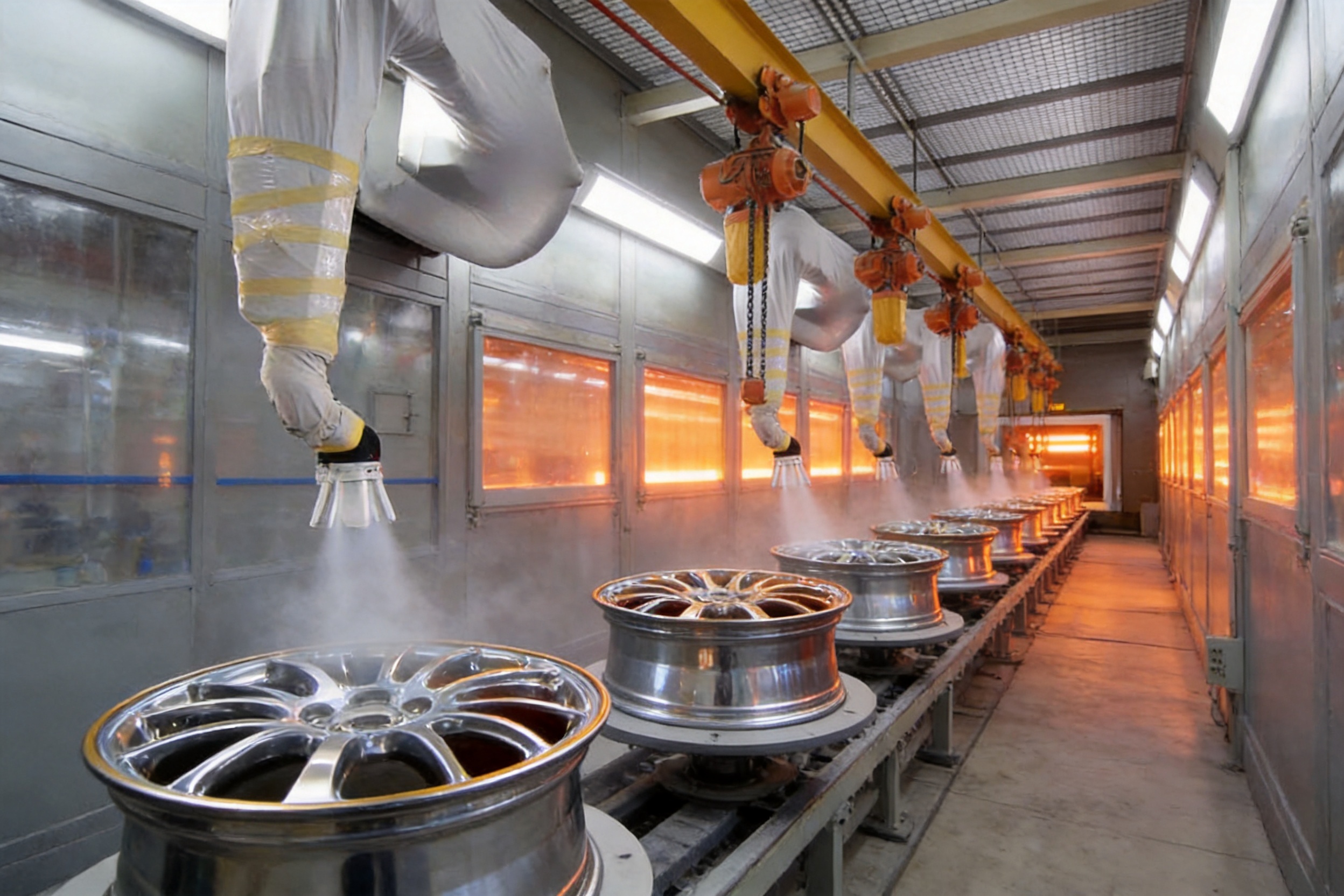
Before requesting a quotation, buyers should prepare accurate information about the intended products and output. Important information includes wheel material, minimum and maximum diameter, width, weight, spoke design, surface condition, coating type, number of layers, required color range, target film thickness, production capacity, working hours, available floor area, building height, and local emission requirements.
The customer should also state whether the line will process one wheel model or multiple models. A line dedicated to a single high-volume product may use highly optimized fixtures and fixed process parameters. A line for varied production may need adjustable fixtures, quick-change masks, flexible spray guns, broader conveyor spacing, and a more advanced control system.
Buyers should ask how the supplier will validate coverage in recessed areas and the inner barrel. They should also confirm whether the quotation includes pretreatment, masking tools, spray booths, pumps, ovens, infrared equipment, conveyors, exhaust systems, waste gas treatment, electrical controls, installation, commissioning, training, and spare parts.
| Question | Why It Matters |
|---|---|
| What wheel diameter and weight range can the fixtures handle? | Confirms compatibility with current and planned products. |
| Can the line coat the inner barrel and recessed spoke areas? | Verifies that the system is designed for complete wheel coverage. |
| How many coating layers are included? | Determines whether primer, color, clear coat, and drying stages meet the specification. |
| How are hub bores and bolt holes masked? | Protects fitment surfaces and affects labor and changeover time. |
| What is the planned hourly capacity? | Ensures the line can meet production targets without excessive bottlenecks. |
| What coating materials are supported? | Confirms compatibility with the buyer’s paint and curing requirements. |
| How are emissions and overspray treated? | Supports environmental compliance and a cleaner working area. |
| What services are included after delivery? | Clarifies installation, training, spare parts, and technical support. |
| Can the line be expanded later? | Helps protect the investment as production volume or product range grows. |
Capacity should be calculated from actual cycle time rather than a theoretical conveyor speed alone. The calculation should include loading, masking, spraying, flash-off, drying, curing, cooling, inspection, unloading, fixture return, and planned downtime. If one station is significantly slower than the others, it may become the production bottleneck.
Factory layout should provide logical product flow from raw wheel storage to finished product storage. The layout should minimize cross-traffic between uncoated and finished wheels. Space must be reserved for maintenance access, filter replacement, coating preparation, waste collection, control cabinets, and emergency movement.
Future expansion should be considered during the initial design. Possible expansion options include additional spray guns, longer curing zones, more fixtures, an additional booth, automated loading, robotic handling, expanded waste gas treatment, or digital production monitoring. Modular equipment can make these upgrades easier than a tightly fixed system.
Wheel rotation presents different surfaces to the spray gun at a controlled angle. It helps the system reach spoke faces, spoke backs, rim edges, recessed pockets, and the inner barrel more evenly. Rotation also reduces dependence on manual gun movement and supports more consistent film thickness.
It can be possible when the fixtures, pretreatment stages, coating materials, spray programs, and curing conditions are designed for both materials. Steel and aluminum may require different surface preparation and primer strategies, so the line should include suitable recipes and process controls rather than using one unchanged setting for every product.
These surfaces are important for accurate wheel mounting. Coating buildup can affect seating, fastener contact, or assembly dimensions. Masking keeps the critical areas free of paint and helps maintain proper fitment after curing.
A suitable clear coat can add protection over the base color and improve resistance to road debris, brake dust, detergents, weather exposure, and general chemical attack. Its performance depends on the clear-coat formulation, film thickness, adhesion, and curing condition.
Drying generally removes water or solvent and prepares the surface for further processing. Curing develops the final physical properties of the coating. Some systems require both intermediate drying and final curing, with different temperature and residence-time requirements.
Infrared radiation can provide rapid and responsive heating for suitable coating systems. It must be selected and positioned according to the wheel material, geometry, coating chemistry, and required temperature profile. Infrared equipment is often combined with controlled hot air to improve uniformity.
A customized line can be designed for a specified range of wheel diameters and weights. Adjustable or interchangeable fixtures, programmable rotation, recipe management, and flexible spray positions help support model changes. Buyers should confirm the exact range before ordering.
Material savings can come from accurate spray patterns, correct atomization, programmed gun movement, stable wheel rotation, suitable film thickness, efficient masking, and recovery where compatible. The objective should be controlled application rather than simply reducing paint volume.
Possible causes include incorrect spray angle, insufficient rotation, excessive distance between gun and wheel, poor atomization, incorrect conveyor speed, or inadequate process programming. Fixture design and spray validation should be checked before making large parameter changes.
Depending on the coating process and local regulations, the line may require booth filtration, exhaust fans, waste gas purification, paint-mist collection, process-water treatment, and controlled waste handling. The equipment supplier should review the coating materials and emission requirements during the engineering stage.
Provide wheel drawings or samples, diameter and weight range, material, coating layers, coating type, required finish, target capacity, working hours, factory dimensions, utility conditions, local environmental requirements, and automation expectations. More complete information enables a more accurate design and quotation.
An integrated supplier can coordinate the conveyor, spray booth, drying system, curing system, exhaust equipment, purification system, electrical controls, and installation plan. This can reduce interface problems between separate machines and provide a clearer path for commissioning and service.
A spray coating line for car wheels must be designed around the geometry, materials, appearance requirements, and operating conditions of the wheel. Rotating fixtures, accurate masking, controlled spray application, multi-layer coating, infrared or hot-air drying, reliable curing, clean booth conditions, and environmental treatment all contribute to a successful result.
Compared with generic painting equipment, a dedicated wheel coating line offers better access to recessed areas and inner barrels, more uniform film thickness, improved repeatability, higher production efficiency, reduced manual handling, and greater compatibility with mixed wheel production. Its performance is strengthened when pretreatment, spraying, curing, conveying, inspection, and environmental protection are engineered as one complete system.
Jiangsu Yue Ze Environmental Protection Equipment Co., Ltd. combines custom coating-line engineering with manufacturing capabilities for paint and bake booths, automated conveyors, infrared drying equipment, waste gas treatment, and intelligent coating systems. Its reported facility scale, industrial experience, integrated research and development, manufacturing, installation, and customization services provide a foundation for projects requiring more than standard equipment.
For manufacturers planning a new wheel finishing facility or upgrading an existing production line, the most important step is to define the complete process before selecting individual machines. A properly engineered system can help deliver attractive wheel finishes, reliable protection, stable production, controlled operating costs, and a practical path for future expansion.
1. Supplied product information: Spray Coating Line for Car Wheel, product category and technical advantages.
2. Supplied company information: Jiangsu Yue Ze Environmental Protection Equipment Co., Ltd., manufacturing capabilities, facility scale, product scope, and service experience.
3. General industrial coating practice: Surface preparation, primer application, base coating, clear coating, drying, curing, and final inspection principles.
4. General wheel-finishing practice: Coating requirements for steel wheels, aluminum alloy wheels, forged wheels, cast wheels, and machined-face wheels.
5. General industrial ventilation practice: Spray booth airflow, filtration, exhaust management, operator protection, and waste gas treatment considerations.
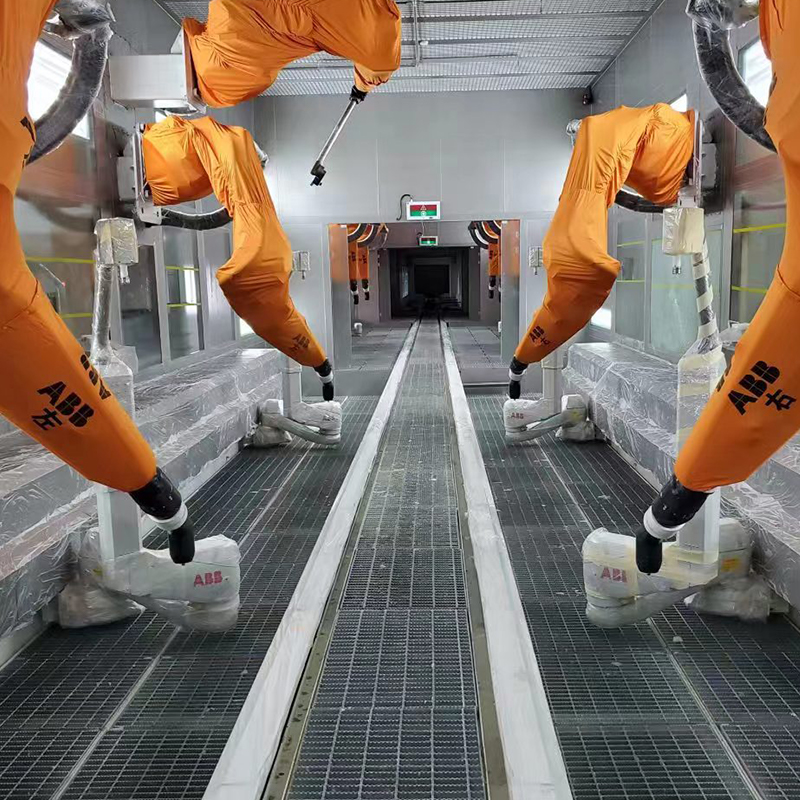
Professional spray coating line specially designed for motor casings, applicable to various motor casing types (electric vehicle motor casing, industrial motor casing, household motor casing, high-tem...
See Details
Professional spray coating line specially designed for car wheel manufacturing and refurbishment, applicable to various car wheel types (steel wheel, aluminum alloy wheel, forged wheel, cast wheel, pa...
See Details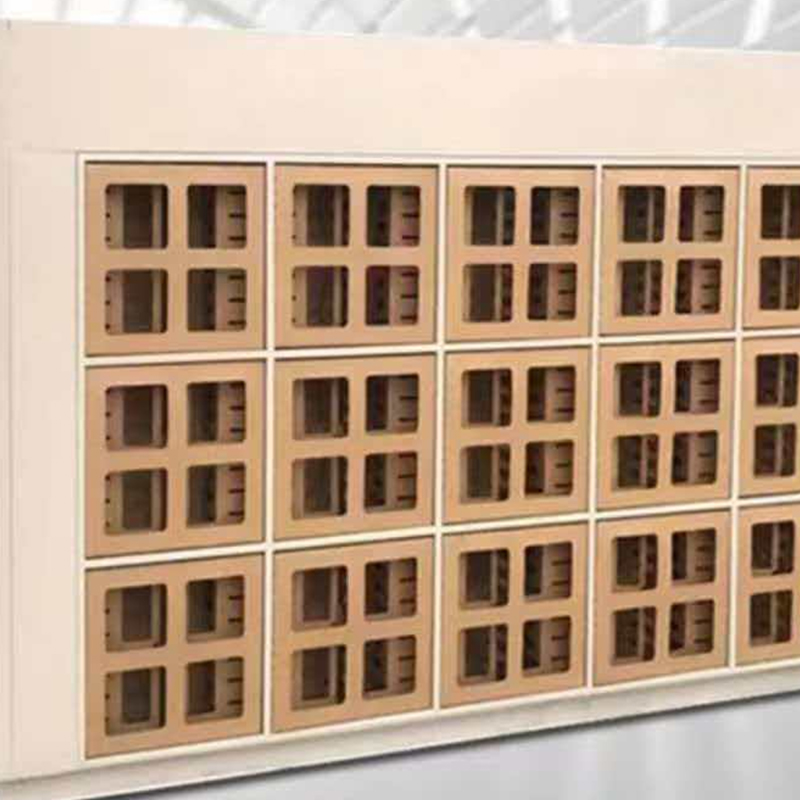
Cardboard Paint Arresto is professional equipment for capturing and filtering paint mist, mainly made of high-quality corrugated cardboard, filter cotton, and waterproof coating. It adopts a modular d...
See Details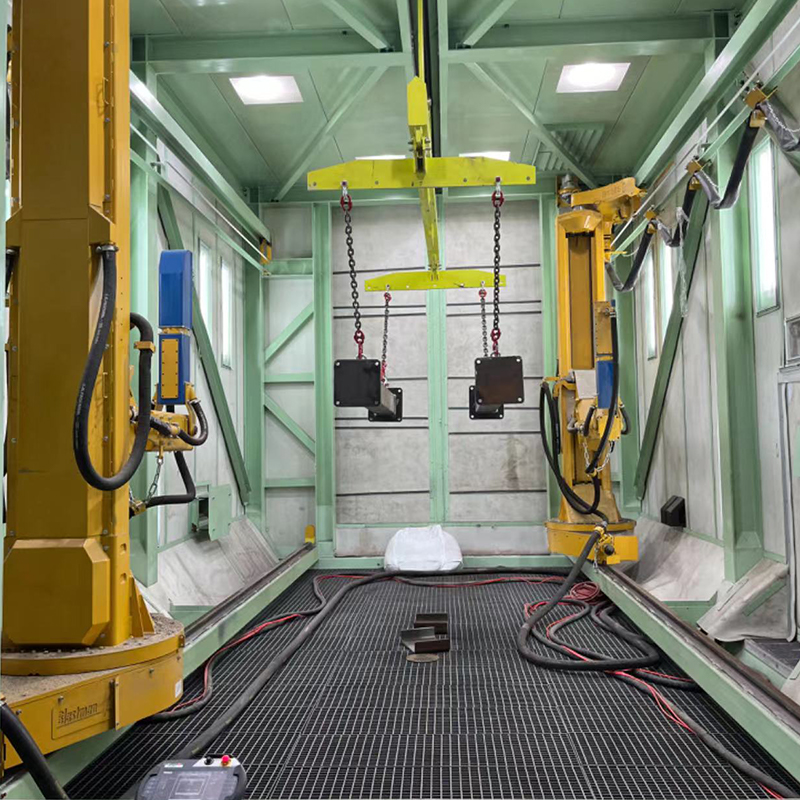
Professional coating line specially designed for large castings and heavy truck parts, applicable to various large castings (engineering castings, mining equipment castings, industrial castings) and h...
See Details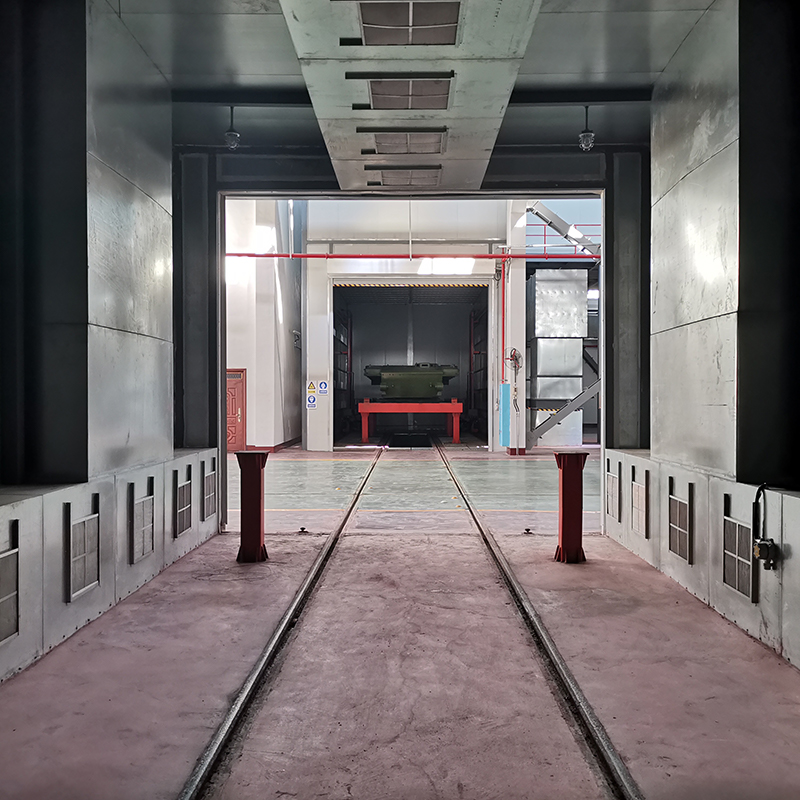
The spray paint line is a complete automated coating system, including spraying, drying, curing, and conveying processes. It features stable operation, uniform spraying effect, and good sealing perfor...
See Details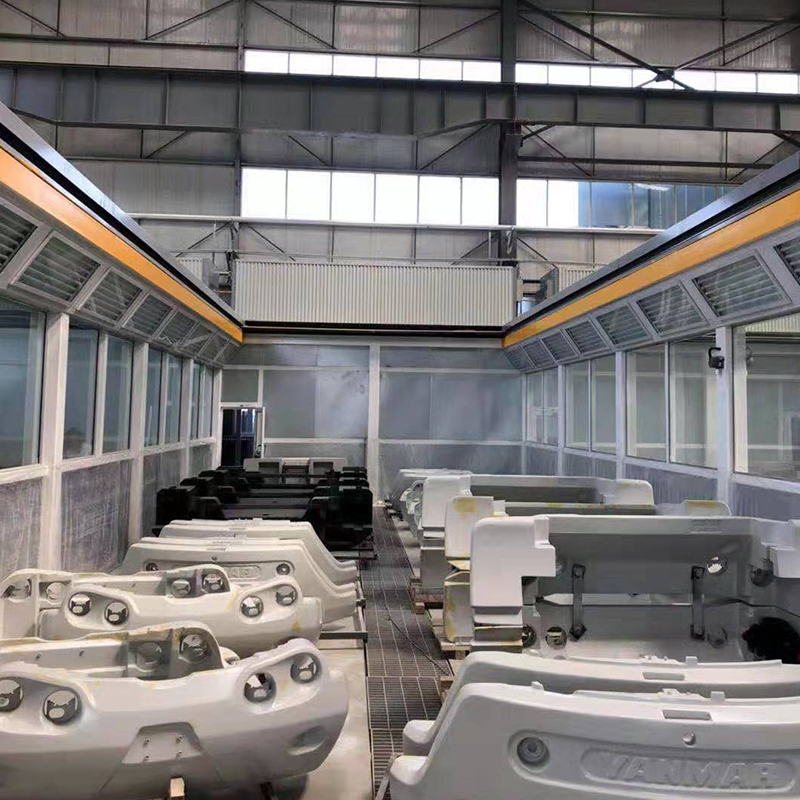
Professional spray coating line specially designed for car wheel manufacturing and refurbishment, applicable to various car wheel types (steel wheel, aluminum alloy wheel, forged wheel, cast wheel, pa...
See DetailsBuild Your Customized Industrial Coating System
Send us your workpiece information, production capacity, coating process, workshop layout, and environmental requirements. Yueze will help evaluate your project and develop a suitable coating, conveying, drying, and environmental treatment solution.
Main menu
Products
Contact Us
Company Address:
No. 12, Park Avenue, Shanggang Industrial Park, Jianhu, Yancheng City, Jiangsu Province
Message Us Right Now!

Follow us: