
 русский
 عربى
 Tiếng Việt

Professional painting line specially designed for grain tank truck body manufacturing and refurbishment, applicable to various grain tank truck types (grain transport tank truck, bulk grain tank truck...
See Details
Yueze Environmental Protection provides one-stop compliant industrial surface treatment solutions with professional tech and fine craftsmanship.
 Get Inquiries
2026-11-05
Content
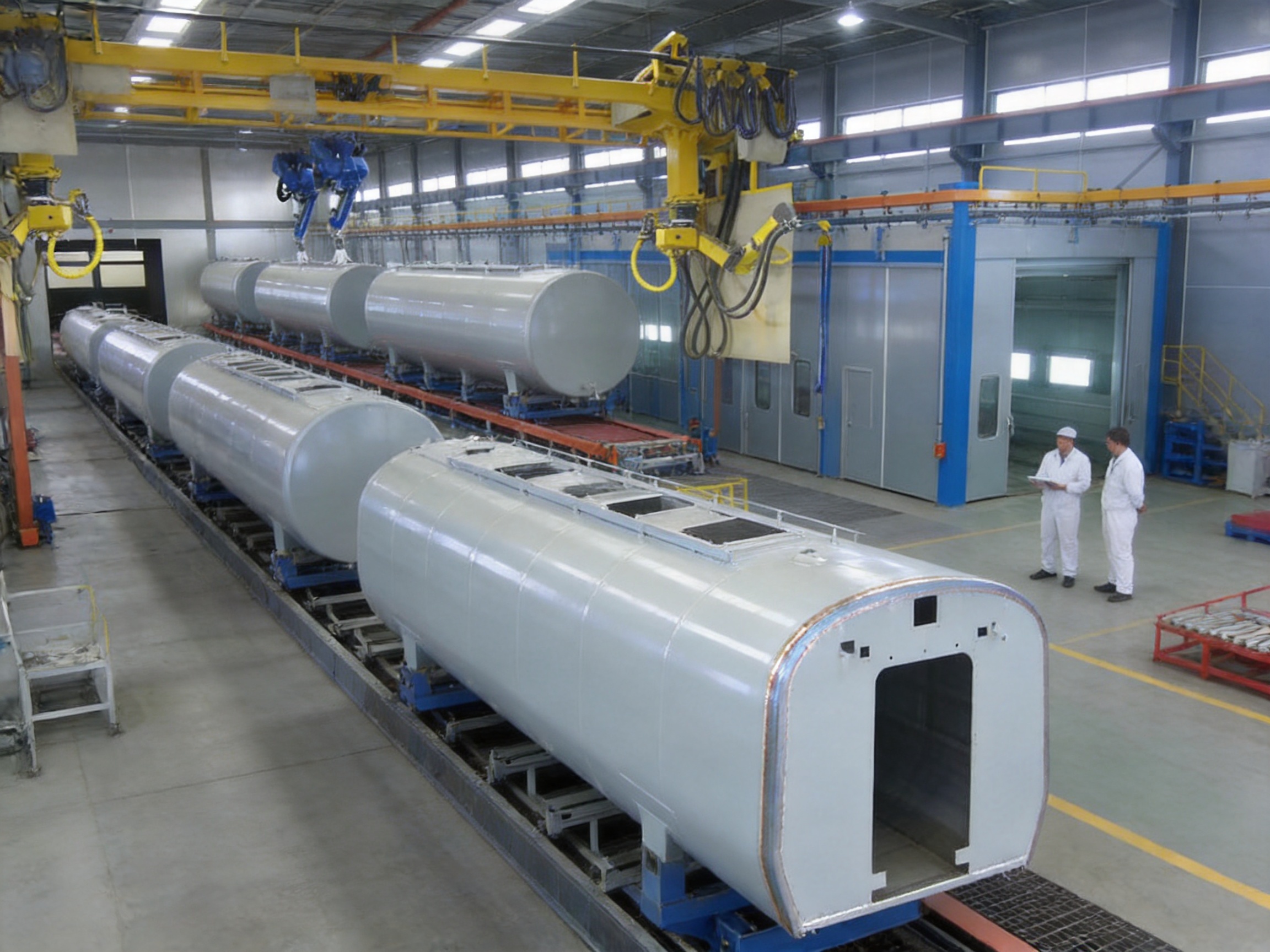
Grain tank truck bodies require a specialized surface-treatment and painting process because their shape, operating environment, and coating requirements differ from those of ordinary flat cargo bodies. A grain tank may have a long cylindrical or oval shell, curved end caps, welded seams, hatches, discharge outlets, reinforcing members, and difficult-to-reach internal surfaces. These features make uniform coating coverage more difficult and increase the risk of thin areas, paint runs, overspray accumulation, and incomplete curing when conventional painting equipment is used.
A dedicated painting line for grain tank truck bodies integrates pretreatment, conveying, spraying, drying, curing, inspection, and environmental-control technologies into one coordinated production system. Depending on the customer's production capacity and product specifications, the line may be configured as a manual-assisted system, a semi-automatic production line, or a fully automatic modular line. It can also be designed for new tank-body manufacturing, refurbishment, corrosion protection, or food-grade applications.
The purpose of this equipment is not simply to apply paint. A properly engineered line controls the complete coating process so that each tank receives repeatable surface preparation, stable spray coverage, controlled film thickness, reliable curing, and consistent visual quality. It also improves worker safety, reduces material waste, supports environmental compliance, and allows manufacturers to process multiple tank-body models with fewer production interruptions.
For grain transport equipment manufacturers, the painting line is therefore an important part of the overall manufacturing system. Its performance influences the service life, appearance, corrosion resistance, production efficiency, and operating cost of every completed tank truck body.
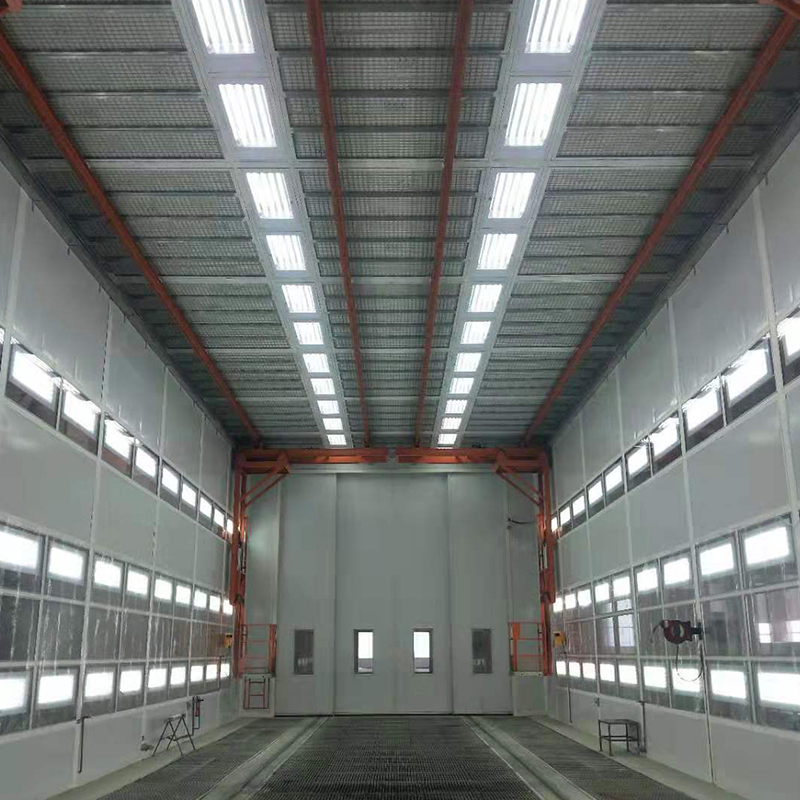
Painting Line For Grain Tank Truck Body
Grain tank truck bodies are exposed to a combination of mechanical, chemical, climatic, and operational stresses. During loading and unloading, grain, feed, dust, and other dry bulk materials can rub against internal surfaces. Moisture may enter through hatches, access covers, seals, or discharge openings. The external shell is exposed to sunlight, rain, road salt, temperature changes, mud, vibration, and airborne contaminants during transportation.
These conditions make coating quality especially important. A coating system with poor adhesion may peel from welded seams or corners. A coating with uneven thickness may develop premature corrosion in thin areas or crack in excessively thick areas. Inadequate curing can reduce hardness and chemical resistance, while uncontrolled overspray can affect the appearance of the tank and increase production costs.
The curved geometry of the tank creates another major challenge. On a flat panel, the spray gun can usually maintain a relatively consistent distance and angle. On a cylindrical or oval surface, the distance changes continuously as the gun moves across the upper, side, and lower sections. If the tank remains stationary, the operator or automatic spray system must compensate for these changes. This can lead to inconsistent film thickness, especially around the crown, lower curve, end caps, seams, and transition areas.
A dedicated grain tank painting line addresses these challenges through mechanical rotation or tilting, purpose-built fixtures, controlled conveying, extended spray booths, carefully selected nozzle arrangements, and drying systems suitable for large curved components. The tank can be rotated slowly while the coating is applied, allowing the spray distance and angle to remain more stable. This approach reduces the likelihood of coating defects and improves repeatability between production batches.
Several coating problems commonly occur when large tank bodies are painted with equipment designed for smaller or flatter products:
Thin coating on the upper crown of the tank where the spray angle is unfavorable.
Paint pooling or sagging on the lower curved surface.
Uneven coverage around longitudinal welds and circumferential joints.
Insufficient coating inside narrow openings, hatches, and discharge areas.
Overspray accumulation on adjacent surfaces and fixtures.
Incomplete drying on thick welds, brackets, and reinforced sections.
Long changeover times when different tank lengths or diameters are introduced.
Excessive dependence on individual operator skill.
The dedicated line is designed to reduce these problems through process standardization rather than relying solely on manual correction. This is one of its most important advantages over a general-purpose paint booth.
The painting line can be configured for many types of grain tank truck bodies and similar large tank structures. Typical applications include grain transport tank trucks, bulk grain tank trucks, food-grade grain tank trucks, feed transport tanks, agricultural material containers, and refurbished or repaired tank bodies.
The system may support exterior coating only, interior and exterior coating, or a complete process that includes surface preparation and curing. For new manufacturing, the line can be connected to welding, grinding, assembly, inspection, and final delivery areas. For refurbishment facilities, it can be arranged to receive used tank bodies after cleaning, repair, rust removal, or component replacement.
Common system configurations include the following:
| Configuration | Main Function | Suitable Application |
|---|---|---|
| Automatic exterior painting line | Applies primer and finish coats to the external tank shell | High-volume manufacturing of standard tank bodies |
| Anti-corrosion painting line | Combines cleaning, pretreatment, corrosion-resistant primer, and protective topcoat | Outdoor transport equipment and refurbishment projects |
| Integrated pretreatment, painting, and curing line | Connects surface preparation, spraying, drying, conveying, and inspection | Manufacturers seeking a complete production solution |
| Food-grade coating line | Provides controlled coating conditions for internal tank surfaces and approved coating systems | Food, grain, and feed transport applications |
| Flexible modular line | Allows later expansion, equipment replacement, or additional process stations | Manufacturers with changing product models or future capacity plans |
The final layout is selected according to the maximum tank length, diameter, total weight, production target, coating materials, available factory space, environmental requirements, and desired level of automation.
The most direct advantage of the dedicated line is more uniform coating coverage. Rotating or tilting fixtures allow the tank to move in a controlled manner during spraying. The operator or automatic applicator can work with a more consistent spray distance, which helps distribute the coating evenly over the upper, side, and lower surfaces.
Uniform coverage is particularly valuable around curved transitions and welded areas. These locations often receive less coating in ordinary manual operations because of awkward access or changing spray angles. By coordinating fixture movement with spray parameters, the line can improve coverage while reducing excessive application in other areas.
Grain tank bodies must withstand moisture, dust, abrasion, and outdoor exposure. The painting line supports the application of coating systems selected for these conditions. A suitable primer can improve adhesion and corrosion resistance, while the intermediate and topcoat layers provide protection against wear, weather, ultraviolet radiation, and temperature changes.
The system can be adapted for different coating specifications, including liquid paint and other approved industrial coating materials. The exact coating formulation is determined by the tank manufacturer's technical requirements, the intended cargo, the operating climate, and any applicable safety or hygiene standards.
An integrated production line reduces unnecessary handling between process steps. Instead of moving the tank body manually from a preparation area to a separate booth and then to an unrelated drying area, the component can travel through a planned sequence using an automated conveying system. This shortens handling time and improves production flow.
Automatic or semi-automatic operation also makes it easier to establish repeatable processing parameters. Conveyor speed, fixture rotation, spray duration, drying temperature, curing time, and ventilation can be set according to the selected product model. This reduces the variation that occurs when every tank is processed differently.
A controlled painting environment helps produce a smooth and attractive finish. Dust-control measures, filtered air, organized material flow, and proper booth ventilation reduce the chance of airborne contaminants entering the wet coating. Consistent atomization and stable spray movement further improve the visual quality of the finish.
A high-quality appearance is important for vehicle manufacturers because the tank body is a visible part of the complete truck. Smooth paint texture, even gloss, clean edges, and consistent color strengthen the perceived quality of the finished vehicle and help support the manufacturer's brand reputation.
Efficient spray application can reduce overspray and improve coating-material utilization. Paint mist collection and recycling systems may be incorporated where appropriate to capture overspray, limit emissions, and reduce material loss. The ventilation and exhaust system can be combined with flue gas purification or other treatment equipment according to the selected coating process and local environmental requirements.
Energy-saving measures may include optimized booth airflow, efficient heating, infrared radiation drying, heat recovery, intelligent temperature control, and automatic standby functions. These features help lower operating costs while supporting a cleaner production environment.
Grain tank truck manufacturers may produce multiple models with different lengths, diameters, outlet arrangements, and access structures. A rigid line designed around only one tank size can create bottlenecks when product specifications change. A modular line provides greater flexibility through adjustable fixtures, programmable movement, interchangeable supports, and adaptable booth dimensions.
Model changeover can be planned through recipe management and fixture adjustment. The operator selects the relevant processing parameters, verifies the fixture position, and begins the next production cycle. This improves utilization and makes the line more suitable for manufacturers serving multiple customers or markets.
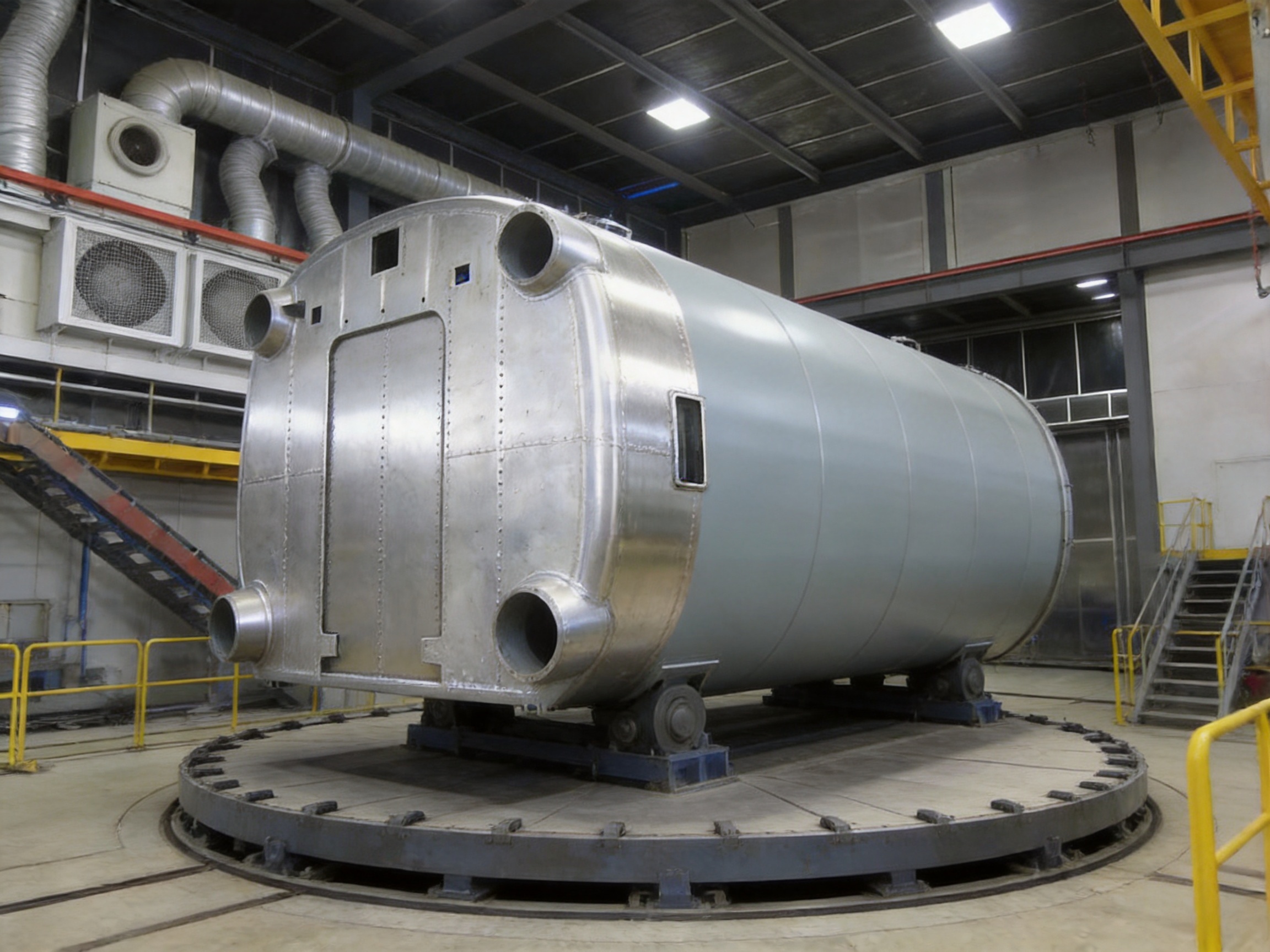
Although the exact arrangement varies by project, a complete line generally follows a logical sequence from incoming inspection to final quality control. Each stage has a specific purpose, and the performance of one stage influences the results of the stages that follow.
Before the tank enters the line, the production team checks its dimensions, weight, weld quality, surface condition, access openings, and fixture compatibility. Oil, grease, welding residue, dust, temporary protective materials, and loose rust must be removed or treated before coating.
Any dents, sharp edges, incomplete welds, pinholes, or rough grinding areas should be corrected before the tank reaches the spray stage. Coating equipment cannot compensate for structural defects or contamination. Early inspection reduces rework and prevents defects from becoming hidden beneath the paint film.
Surface preparation is one of the most important parts of the process. Depending on the tank material and the selected coating system, preparation may include degreasing, washing, abrasive cleaning, mechanical grinding, dust removal, chemical pretreatment, or a combination of these methods.
The purpose is to create a clean, suitably profiled surface that allows the primer to bond effectively. Weld seams and corners require special attention because they may contain heat discoloration, spatter, scale, or small surface irregularities. Internal surfaces must also be cleaned carefully if the tank is intended for grain, feed, or other sensitive cargo.
The prepared tank body is placed on a dedicated support or rotating fixture. The fixture must carry the weight securely without damaging the tank shell or blocking important coating areas. Support points are positioned according to the tank structure and may be adjustable for different models.
Correct loading is essential for safe operation. The system should prevent excessive movement, unbalanced rotation, and interference with booth equipment. Sensors and interlocks can be used to confirm that the tank is correctly positioned before spraying begins.
The primer provides adhesion and establishes the first layer of corrosion protection. It is applied using manual spray guns, automatic reciprocating systems, robotic equipment, or a combined method depending on the production configuration.
During application, the tank may rotate slowly so that the spray direction remains consistent relative to the surface. The operator or programmed system can adjust gun speed, atomizing pressure, fan width, overlap, and material flow. Special attention is given to welds, edges, corners, brackets, and areas around hatches or outlets.
After primer application, the tank passes through a drying or curing stage. Infrared radiation drying is particularly useful for large curved components because it transfers energy directly to the coated surface and can reduce the time required for the coating to reach the next process condition.
Hot-air circulation may be used alone or together with infrared radiation. The selection depends on the coating chemistry, tank material, booth dimensions, required temperature, production cycle, and energy strategy. Temperature sensors and automatic controls help prevent insufficient drying or excessive heating.
Once the primer reaches the required condition, an intermediate coat or topcoat is applied. The exterior finish may be selected for weather resistance, color stability, abrasion resistance, gloss, or specific customer requirements. Internal coatings may prioritize smoothness, corrosion resistance, cleanability, and compatibility with the intended cargo.
The tank's rotating movement is again important. It helps the applicator maintain a stable relationship with the curved surface and reduces differences in film thickness. The application plan may divide the tank into zones, such as the upper shell, lower shell, end caps, outlet assemblies, and access components.
The final curing stage develops the required hardness, adhesion, chemical resistance, and mechanical performance of the coating. The curing cycle must be matched to the paint manufacturer's technical data. Excessive temperature can damage the coating or affect the substrate, while insufficient curing may leave the finish soft or vulnerable to marking.
A controlled curing environment also improves consistency between batches. The equipment can record temperature, time, conveyor speed, and other process data for traceability and production analysis.
After curing, the tank is cooled under controlled conditions before inspection. Inspectors examine color, gloss, film uniformity, surface smoothness, runs, pinholes, contamination, missed areas, edge coverage, and visible defects. Depending on the quality plan, they may also check dry-film thickness, adhesion, hardness, and other performance characteristics.
Any defects are recorded and classified. Minor defects may be repaired locally, while larger problems may require partial or complete rework. A stable automated process reduces the frequency of such corrections and improves the overall yield rate.
The inside and outside of a grain tank do not necessarily require identical coating systems. Each surface experiences different conditions and should be evaluated separately during line design and coating selection.
The interior should be smooth and easy to clean. Uneven surfaces can retain moisture, dust, or residual grain, while rough or poorly bonded coating may deteriorate during repeated loading cycles. The coating must also be compatible with the intended cargo and any applicable food-contact, feed-contact, or hygiene requirements.
Interior coating specifications should be confirmed with the coating supplier and the end user's technical department. A general industrial paint should not automatically be assumed suitable for direct contact with grain or food-related materials. The application process must also prevent contamination from dust, oil, unapproved solvents, or other substances.
The external coating must withstand sunlight, rain, road spray, temperature changes, vibration, and contact with dust or loading equipment. Abrasion-resistant and weather-resistant systems are often preferred for these conditions. Color and gloss retention may also be important where the tank forms part of a branded fleet.
Discharge outlets, hatches, hinges, access covers, support areas, and other contact points experience more friction than the main shell. These areas may require additional preparation, reinforced coating, edge treatment, or a different application sequence. Designing these details into the production process helps extend the service life of the finish.
| Tank Area | Main Exposure | Recommended Process Focus |
|---|---|---|
| External curved shell | Weather, ultraviolet radiation, road dust, and abrasion | Uniform primer and durable weather-resistant topcoat |
| Internal shell | Moisture, grain contact, cleaning, and residual material | Smooth, well-bonded, corrosion-resistant coating |
| End caps | Curved geometry and difficult spray angles | Controlled rotation and careful edge coverage |
| Discharge outlets | Friction, impact, and repeated handling | Reinforced preparation and wear-resistant coating |
| Hatches and access doors | Frequent opening, contact, and sealing pressure | Accurate edge treatment and controlled film thickness |
| Weld seams and joints | Surface irregularity and possible corrosion initiation | Thorough cleaning, stripe coating, and inspection |
Automation is used to improve repeatability, safety, and production efficiency. The degree of automation can be selected according to the factory's budget, product volume, labor availability, and process complexity.
A basic automated line may include powered conveyors, motorized rotating fixtures, automatic booth doors, ventilation controls, temperature sensors, and programmable curing equipment. A more advanced line may add automatic spray machines, robotic applicators, barcode or model identification, recipe management, production data collection, and remote equipment diagnostics.
The control system coordinates each station and prevents unsafe operation. For example, spraying may be disabled if the booth door is open, the exhaust fan is not operating, the fixture is not locked, or the tank is outside the correct position. Emergency-stop devices, overload protection, fire-control interfaces, and access interlocks further improve safety.
Rotating fixtures are one of the key features for tank-body painting. They can provide continuous or indexed movement, depending on the coating method. Continuous rotation is useful when the spray pattern is synchronized with movement, while indexed positioning may be suitable for manual work on specific zones.
Tilting functions can improve access to end caps, lower sections, internal openings, and complex structural areas. The fixture design must balance accessibility with safe load handling. Adjustable supports make the equipment more adaptable to different diameters and body lengths.
The automated conveyor transports the tank between preparation, spray, drying, curing, cooling, and inspection zones. It must be designed for the maximum load and dimensions of the tank body, including fixture weight. Conveyor speed should be adjustable so that the line can accommodate different coating materials and curing requirements.
Good conveying design reduces manual handling and keeps the production route organized. It also helps establish a clear separation between clean and contaminated zones, which is important for maintaining surface quality.
Stable airflow is necessary for both finish quality and operator safety. The booth ventilation system removes paint mist, solvent vapor, heat, and contaminated air while maintaining the required airflow pattern. Filtration and exhaust-treatment equipment can be selected according to the coating material and local regulations.
Paint-mist collection reduces deposits on booth surfaces and lowers the risk of contamination. It also improves maintenance efficiency because filters, recovery devices, and booth panels can be serviced according to a planned schedule rather than after severe buildup has occurred.
A reliable painting line depends not only on individual machines but also on the supplier's engineering capability. The equipment must be designed as an integrated system in which mechanical, electrical, thermal, ventilation, automation, and environmental functions work together.
The manufacturer behind this solution operates a 35,000-square-meter facility in Yancheng, Jiangsu, China, with registered capital of 58 million yuan and more than 40 years of combined experience in powder coating lines, paint and bake booths, large-part grinding rooms, waste-gas treatment equipment, infrared drying systems, conveying systems, and intelligent coating equipment.
This manufacturing background supports the development of complete surface-treatment solutions rather than isolated booth products. A project may require pretreatment equipment, grinding or cleaning rooms, spray booths, curing systems, conveying machinery, waste-gas purification, electrical control, and installation services. Experience across these areas helps the engineering team coordinate the complete process.
The company provides research and development, equipment manufacturing, installation, commissioning, and customized engineering services. This integrated capability is valuable when a grain tank manufacturer has unusual dimensions, restricted factory space, special coating materials, or a requirement for future expansion.
Engineering work may include process planning, equipment selection, three-dimensional layout, load calculations, airflow design, heating calculations, fixture development, control programming, safety planning, and production-cycle analysis. These activities help ensure that the final line is practical for the customer's actual production conditions.
Large tank bodies often fall outside standard equipment dimensions. A supplier with custom manufacturing experience can adapt the booth length, width, height, conveyor capacity, fixture structure, spray arrangement, and drying zone to the product. This is preferable to forcing an oversized or undersized tank into equipment designed for another application.
Customization may also involve automatic model recognition, adjustable spray paths, quick-change fixtures, special internal coating access, separate interior and exterior stations, or integration with an existing workshop line.
The company previously pioneered a hanging automatic painting process line for casting counterweight blocks, covering finishing, polishing, primer application, and topcoat application. This experience demonstrates the ability to coordinate multiple process stages and develop automatic material-handling systems for large and heavy components.
Although a grain tank truck body has a different shape and coating requirement, the same engineering principles are relevant: secure handling, consistent positioning, controlled surface preparation, automatic movement, stable spray conditions, reliable curing, and final inspection.
Equipment quality is influenced by material selection, fabrication accuracy, welding quality, electrical assembly, component sourcing, control-system testing, and commissioning procedures. A comprehensive quality-control approach checks these elements throughout manufacturing rather than only at final delivery.
Project support may include factory acceptance testing, installation guidance, operator training, process debugging, spare-parts planning, maintenance documentation, and after-sales service. These services help the customer reach stable production more quickly and reduce the risk of extended startup delays.
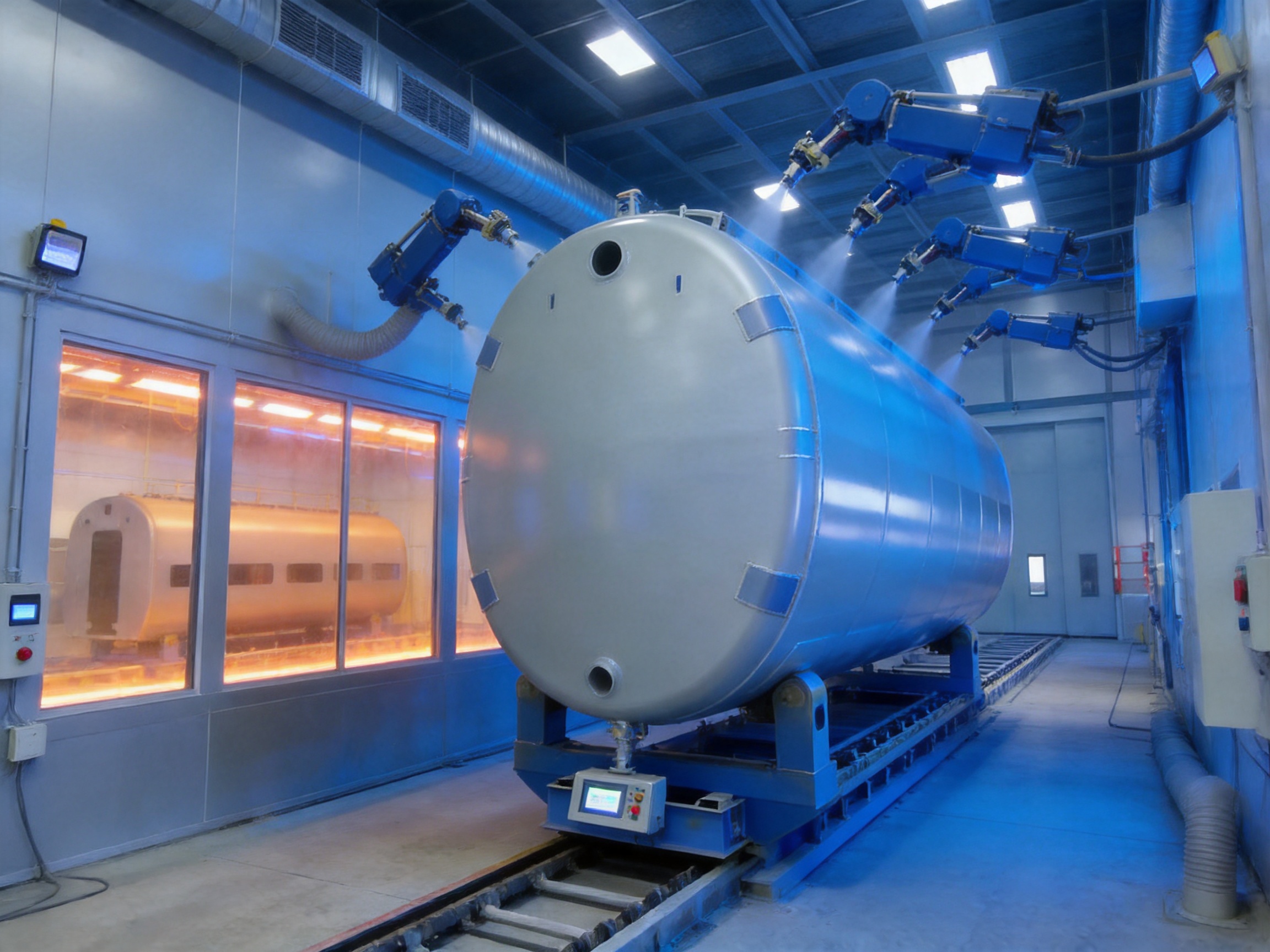
A standard paint booth can provide an enclosed spray area, but it may not provide the specialized handling and process control required for large curved tank bodies. The difference becomes clear when comparing equipment designed for flat panels with equipment designed around cylindrical or oval structures.
| Evaluation Point | Dedicated Grain Tank Painting Line | General-Purpose Painting Booth |
|---|---|---|
| Workpiece handling | Rotating or tilting fixtures designed for tank geometry | Often relies on fixed supports or manual repositioning |
| Coating consistency | Controlled spray distance and repeatable movement | Greater variation caused by changing angles and operator technique |
| Large-body processing | Booth and conveyor dimensions selected for full-length tank bodies | May require partial painting or multiple repositioning operations |
| Drying and curing | Integrated hot-air, infrared, or combined curing cycle | May require separate drying arrangements |
| Production flow | Connected pretreatment, painting, curing, and inspection sequence | More manual transfer between independent work areas |
| Model flexibility | Adjustable fixtures and programmable process settings | Limited adaptability to different tank dimensions |
| Environmental management | Coordinated airflow, filtration, mist collection, and exhaust treatment | Basic ventilation may not be optimized for the complete process |
| Expansion potential | Modular design allows future stations and automation upgrades | Expansion may require major reconstruction |
The dedicated line does not eliminate the need for skilled process management, but it reduces the amount of variability that operators must control manually. This is especially beneficial for manufacturers that need stable quality across many units or multiple shifts.
Environmental performance is now an important consideration in industrial coating equipment. The line can be configured with technologies that reduce energy use, control emissions, and improve material utilization.
Infrared radiation drying can shorten heating cycles by transferring energy directly to the coated workpiece. Intelligent heating controls can reduce unnecessary operation when the booth is empty or when the production interval changes. Proper insulation limits heat loss, while optimized airflow prevents excessive exhaust of conditioned air.
Paint-mist collection systems capture particles before exhaust air is discharged. Depending on the coating process, additional exhaust purification may be installed to address volatile organic compounds, combustion gases, or other pollutants. The specific treatment method should be selected through a technical assessment of the paint, solvent, airflow, emission concentration, and applicable regulations.
Material efficiency also contributes to environmental performance. Consistent spray movement, suitable atomization, correct overlap, and accurate film-thickness control reduce overspray and rework. Less rework means lower consumption of paint, energy, labor, and cleaning materials.
Environmental protection should be considered during the design stage rather than added after installation. Booth dimensions, airflow, heating, filtration, exhaust-treatment capacity, maintenance access, and waste collection should be planned as one system.
Painting lines combine moving machinery, electrical equipment, heated air, paint materials, and potentially flammable vapors. Safety must therefore be built into the mechanical design, control logic, ventilation system, and operating procedures.
Typical safety provisions may include emergency-stop buttons, safety doors, access interlocks, overload protection, grounding, exhaust monitoring, temperature alarms, fire-control interfaces, pressure monitoring, and automatic shutdown functions. The final configuration depends on the coating materials, national standards, local regulations, and customer requirements.
Operators should receive training in fixture loading, coating-material handling, booth operation, filter replacement, emergency response, personal protective equipment, and routine inspection. A well-designed line reduces exposure to paint mist and manual handling, but it does not remove the need for disciplined operating procedures.
Regular maintenance keeps the line efficient and protects coating quality. Filters, booth walls, spray guns, nozzles, pumps, hoses, conveyor components, bearings, fixture supports, sensors, heaters, and exhaust-treatment units should be inspected according to a documented maintenance schedule.
Booth cleanliness is especially important. Accumulated paint deposits can become a contamination source and may affect airflow. Worn fixtures can cause movement errors or damage the tank surface. Blocked filters can increase pressure drop and reduce ventilation performance. Incorrect sensor readings can lead to unsuitable curing conditions.
Preventive maintenance is generally less expensive than emergency repair. The manufacturer can provide spare-parts recommendations, maintenance intervals, troubleshooting guidance, and training for the customer's technical team. Remote technical support may also help identify problems before they cause extended production stoppages.
Inspect conveyor chains, rails, motors, gearboxes, and fixture locking mechanisms.
Clean or replace filters according to pressure-drop and operating-time records.
Check spray-gun alignment, nozzle wear, pump pressure, and material flow.
Inspect infrared emitters, heaters, fans, temperature sensors, and control cabinets.
Remove paint accumulation from booth surfaces and recovery equipment.
Verify grounding, emergency stops, interlocks, alarms, and fire-protection interfaces.
Review coating thickness, adhesion, appearance, and rework data.
Lubricate and replace mechanical components according to the service schedule.
Purchasing a painting line should begin with a detailed review of the products and the intended production plan. The supplier needs accurate information to determine the layout, fixture capacity, booth dimensions, heating requirements, conveyor speed, and automation level.
Important technical information includes the maximum and minimum tank length, diameter, height, total weight, center of gravity, material type, weld structure, interior access, outlet configuration, and number of models. The customer should also specify the expected daily or monthly output, working hours, shift arrangement, coating materials, target film thickness, required finish, and quality standards.
Factory conditions are equally important. Available building length, width, height, floor load, power supply, gas or fuel availability, ventilation routes, exhaust location, fire-safety requirements, and wastewater arrangements all influence the design.
| Category | Information to Confirm | Why It Matters |
|---|---|---|
| Product dimensions | Maximum length, diameter, height, and opening size | Determines booth, conveyor, fixture, and spray-system dimensions |
| Product weight | Tank-body weight plus fixture and accessories | Determines structural and conveyor load capacity |
| Production target | Units per shift, working hours, and future capacity | Determines cycle time, automation level, and line speed |
| Coating specification | Primer, topcoat, viscosity, curing conditions, and film thickness | Determines spray, heating, ventilation, and inspection requirements |
| Product use | Exterior transport, grain contact, feed contact, or food-grade service | Determines coating compatibility and hygiene considerations |
| Factory conditions | Available space, power, fuel, ventilation routes, and floor capacity | Determines the practical layout and utility requirements |
| Automation objective | Manual-assisted, semi-automatic, or fully automatic operation | Determines controls, sensors, robots, and labor requirements |
Buyers should also ask whether the supplier has completed similar large curved-body projects, whether the fixture can accommodate future models, how the exhaust system will be maintained, what commissioning support is included, and how spare parts will be supplied.
A modular line is valuable because production requirements may change after installation. A manufacturer may add longer tank bodies, introduce a second coating system, increase output, or require more automation. Modular equipment makes these changes easier than a fixed, one-purpose installation.
Possible future upgrades include additional spray stations, automatic loading and unloading, robot integration, upgraded curing equipment, expanded exhaust purification, online film-thickness monitoring, digital production records, and remote diagnostics. The original layout should reserve sufficient space and utility capacity for likely upgrades.
Customization can also improve product changeover. Adjustable fixtures, interchangeable support arms, programmable rotation speeds, and model-specific process recipes allow the line to process different tank bodies without extensive manual modification. This flexibility supports mixed-model production and reduces idle time.
A dedicated line supports a more systematic quality-management process. Each stage can have defined operating parameters and inspection criteria. Pretreatment records, spray settings, curing temperatures, conveyor speeds, and final inspection results can be documented for traceability.
Process data helps manufacturers identify recurring problems. If a particular model repeatedly shows thin coating near an outlet, the spray path or fixture position can be adjusted. If a certain shift experiences more dust contamination, booth cleaning or airflow conditions can be reviewed. If curing results vary, temperature sensors and heating controls can be checked.
Over time, this data-driven approach can reduce rework, improve first-pass yield, lower coating consumption, and stabilize production planning. It also makes training easier because new operators can follow defined procedures rather than relying entirely on informal experience.
A dedicated line is designed around the tank's curved geometry, large dimensions, weight, and coating requirements. It can include rotating or tilting fixtures, suitable conveying equipment, extended spray and curing zones, controlled drying, and model-specific process settings. A standard booth may provide enclosure and ventilation but may not offer the handling and process control needed for uniform coating on a large curved shell.
Rotating fixtures help maintain a more consistent spray distance and angle around the cylindrical or oval tank surface. This reduces thin areas on the upper section and excessive accumulation on the lower section. Rotation also improves access to end caps, seams, outlets, and other areas that are difficult to coat evenly when the tank remains stationary.
Not necessarily. The exterior normally requires weather, abrasion, and ultraviolet resistance, while the interior may require smoothness, corrosion resistance, cleanability, and compatibility with grain or feed contact. The coating selection should be confirmed with the coating supplier and the customer's technical or compliance department.
Yes, a modular line can be designed with adjustable fixtures, programmable movement, and suitable clearance for multiple tank dimensions. The customer should provide the complete range of product sizes before design so that the supplier can select the correct booth, conveyor, and fixture capacity.
Infrared radiation drying can be suitable for large curved components because it transfers energy directly to the coated surface and can shorten the drying cycle. Its use must be matched to the coating chemistry, substrate, required temperature, and production sequence. Hot-air circulation or a combined infrared and hot-air system may also be selected.
The line can be configured for food-grade or grain-contact applications, but the coating materials, preparation procedures, cleaning controls, and inspection requirements must be specified in advance. The equipment itself does not automatically make a coating system food-grade; the complete material and process specification must meet the applicable requirements.
Paint consumption can be reduced through accurate spray parameters, stable atomization, correct overlap, controlled film thickness, suitable fixture rotation, paint-mist recovery, and reduced rework. Operator training and routine inspection of spray guns, pumps, hoses, and nozzles are also important.
The supplier should receive tank drawings or dimensions, weight, material, production volume, coating type, desired film thickness, interior and exterior requirements, available factory space, utility conditions, and the preferred automation level. Photographs and details of hatches, outlets, welds, supports, and unusual structures are also useful.
Yes. A modular system can be connected to pretreatment, grinding, cleaning, assembly, inspection, waste-gas treatment, and final delivery areas. The interface design should be confirmed during the layout stage so that conveyors, control signals, safety systems, and production schedules operate together.
Important indicators include coating uniformity, adhesion, appearance, curing stability, first-pass yield, paint consumption, production cycle time, equipment availability, energy consumption, environmental performance, operator safety, and ease of maintenance. The correct indicators should be defined before commissioning.
A painting line for grain tank truck bodies is a complete industrial surface-treatment solution designed for large, curved, and demanding components. Its value comes from the coordination of pretreatment, controlled fixture movement, spraying, drying, curing, conveying, ventilation, environmental protection, and inspection.
Compared with general-purpose painting equipment, a dedicated line provides better control over spray distance, film thickness, coating coverage, production flow, and model changeover. It helps manufacturers achieve stronger corrosion protection, improved abrasion resistance, more consistent appearance, lower rework, higher productivity, and better control of paint mist and energy use.
The equipment can be configured for new tank manufacturing, refurbishment, anti-corrosion treatment, and food-grade grain transport applications. Its modular design allows the system to be adapted to different tank sizes and expanded as production requirements develop.
Supported by a 35,000-square-meter manufacturing facility, more than 40 years of combined industry experience, integrated research and development, custom equipment fabrication, installation, commissioning, and technical support, the supplier provides one-stop industrial coating solutions for manufacturers seeking a stable and scalable production process.
For the best result, the project should begin with accurate product data, a clear coating specification, realistic production targets, and a complete review of factory conditions. When these factors are addressed during the engineering stage, the resulting painting line can provide reliable performance throughout the service life of the equipment.
1. Industrial coating process planning principles for large welded structures.
2. General guidance on spray-booth ventilation, paint-mist collection, and exhaust treatment.
3. Technical data sheets and application recommendations supplied by industrial coating manufacturers.
4. Best-practice guidance for corrosion protection of carbon-steel and stainless-steel transport equipment.
5. General principles of infrared radiation drying and hot-air curing for industrial coatings.
6. Manufacturing quality-control practices for automated conveying and surface-treatment equipment.
7. Occupational safety principles for industrial painting, coating-material handling, and heated curing systems.
Professional painting line specially designed for grain tank truck body manufacturing and refurbishment, applicable to various grain tank truck types (grain transport tank truck, bulk grain tank truck...
See Details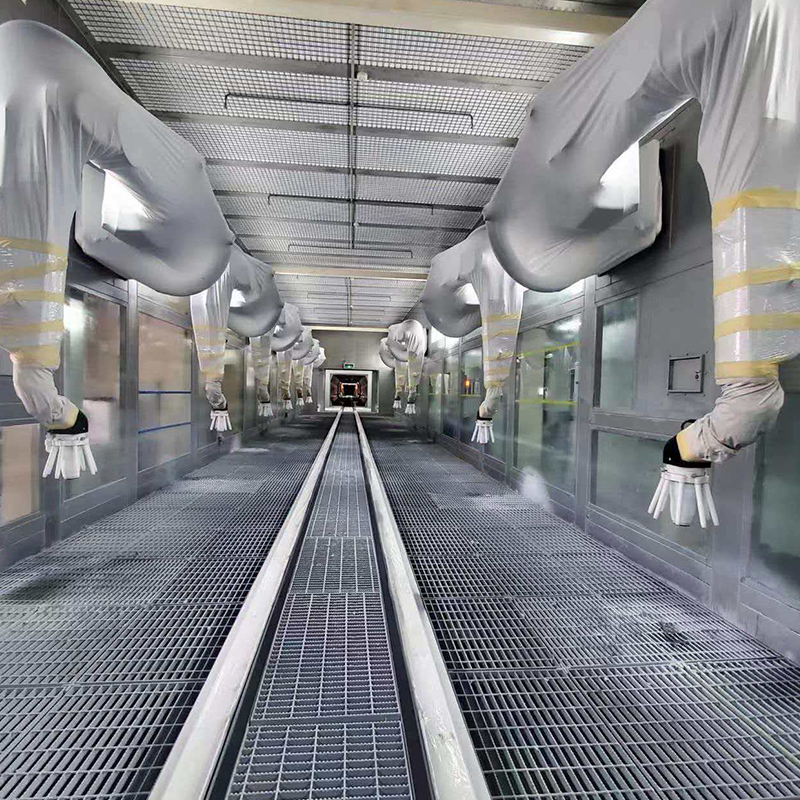
Professional coating line dedicated to truck body manufacturing and refurbishment, applicable to various truck types (heavy-duty truck, light-duty truck, pickup truck, van, commercial truck). Main typ...
See Details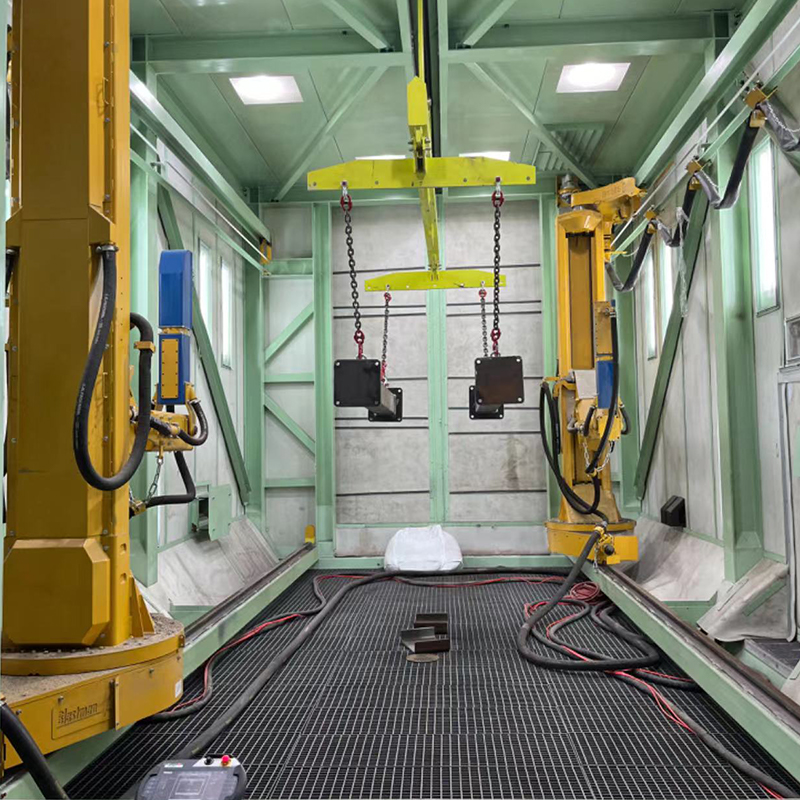
Professional coating line specially designed for large castings and heavy truck parts, applicable to various large castings (engineering castings, mining equipment castings, industrial castings) and h...
See Details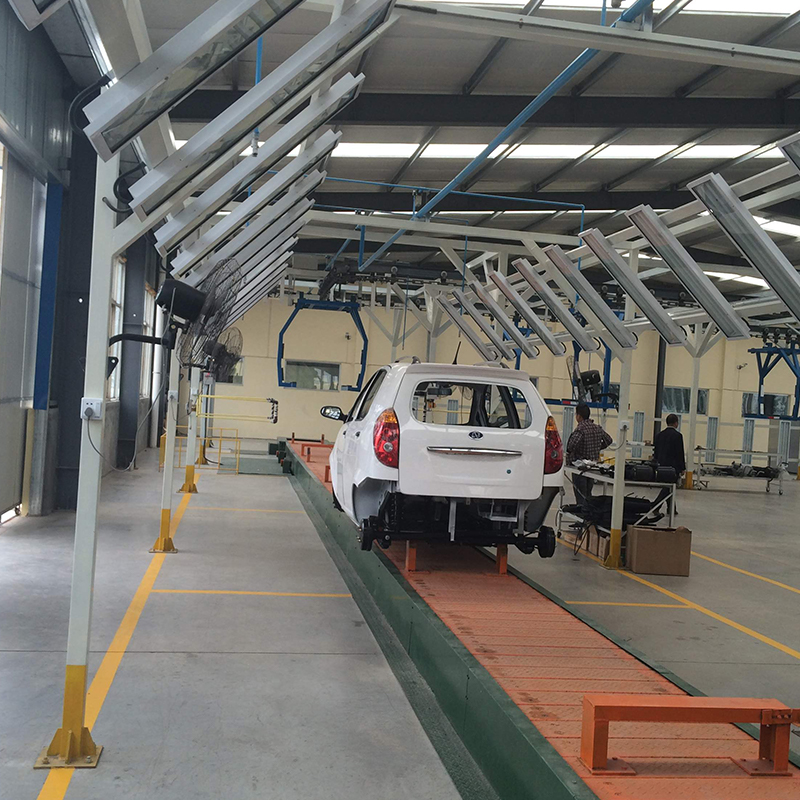
Professional electrophoresis coating line specially designed for electric vehicles (EVs), applicable to various EV types (passenger EV, commercial EV, new energy logistics vehicle) and EV components. ...
See Details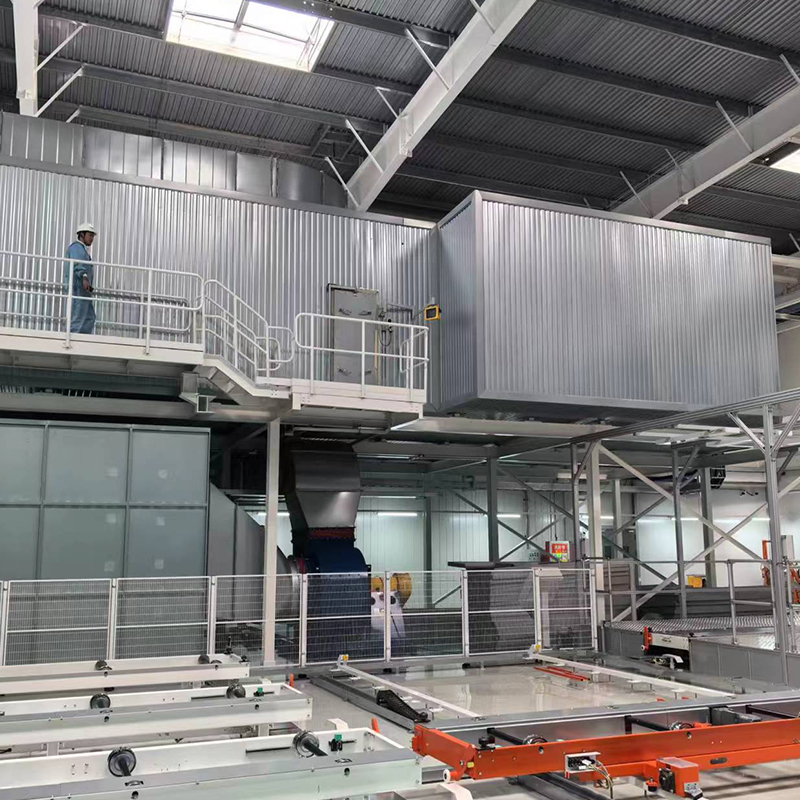
Professional electrophoresis line specially designed for truck cab manufacturing and refurbishment, applicable to various truck cab types (heavy-duty truck cab, light-duty truck cab, pickup cab, comme...
See Details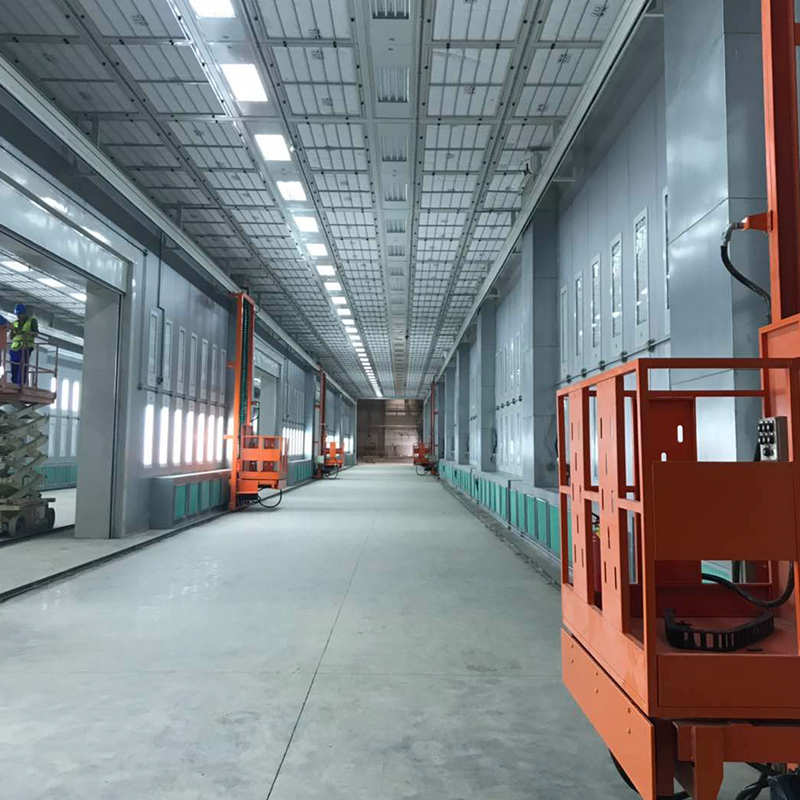
Professional maintenance line specially designed for carriages and tankers, applicable to various types of carriages and tankers (railway boxcar, gondola car, flatcar, oil tanker, chemical tanker, LNG...
See DetailsBuild Your Customized Industrial Coating System
Send us your workpiece information, production capacity, coating process, workshop layout, and environmental requirements. Yueze will help evaluate your project and develop a suitable coating, conveying, drying, and environmental treatment solution.
Main menu
Products
Contact Us
Company Address:
No. 12, Park Avenue, Shanggang Industrial Park, Jianhu, Yancheng City, Jiangsu Province
Message Us Right Now!

Follow us: