
 русский
 عربى
 Tiếng Việt

Professional spray coating line specially designed for motor casings, applicable to various motor casing types (electric vehicle motor casing, industrial motor casing, household motor casing, high-tem...
See Details
Yueze Environmental Protection provides one-stop compliant industrial surface treatment solutions with professional tech and fine craftsmanship.
 Get Inquiries
2026-10-18
Content
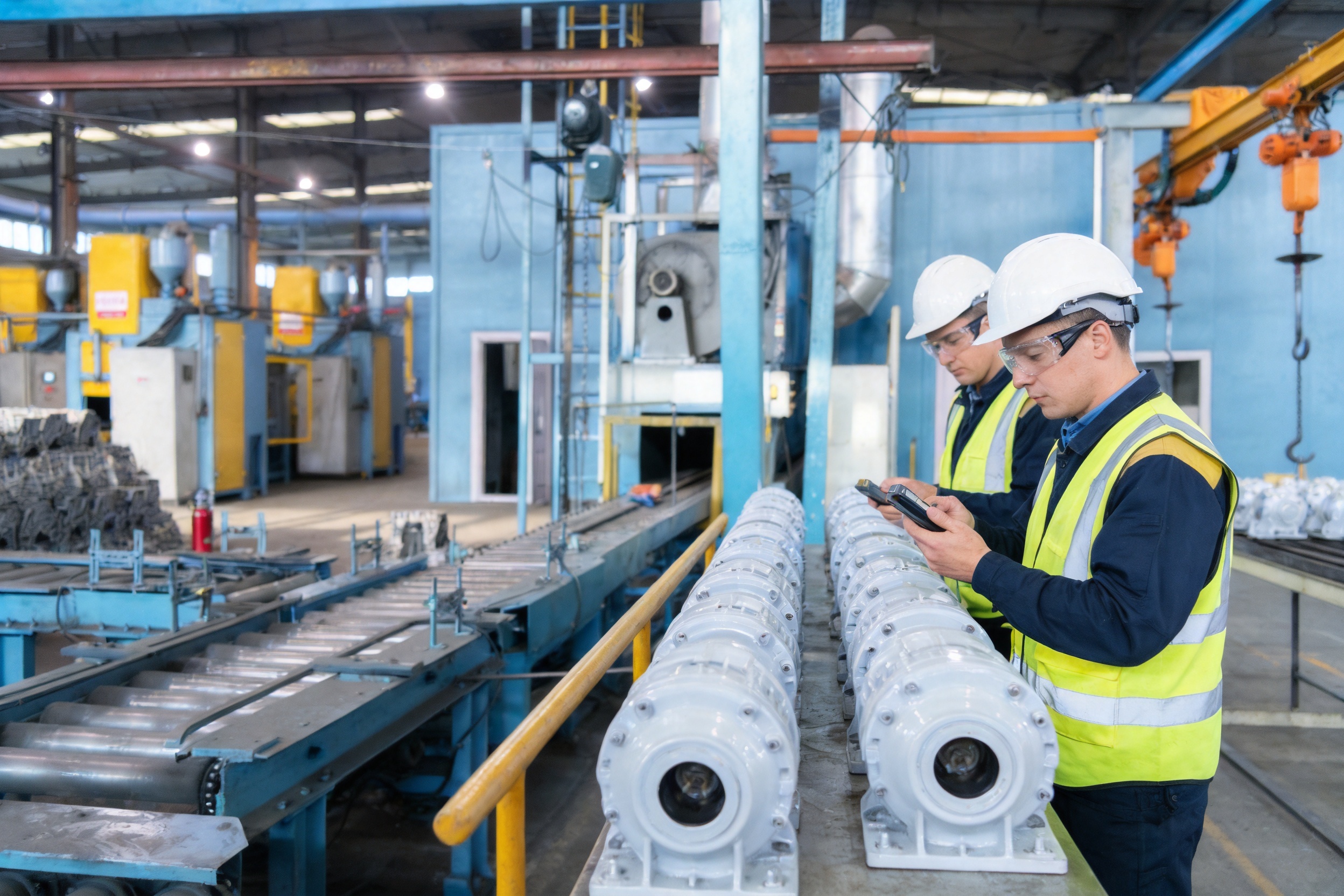
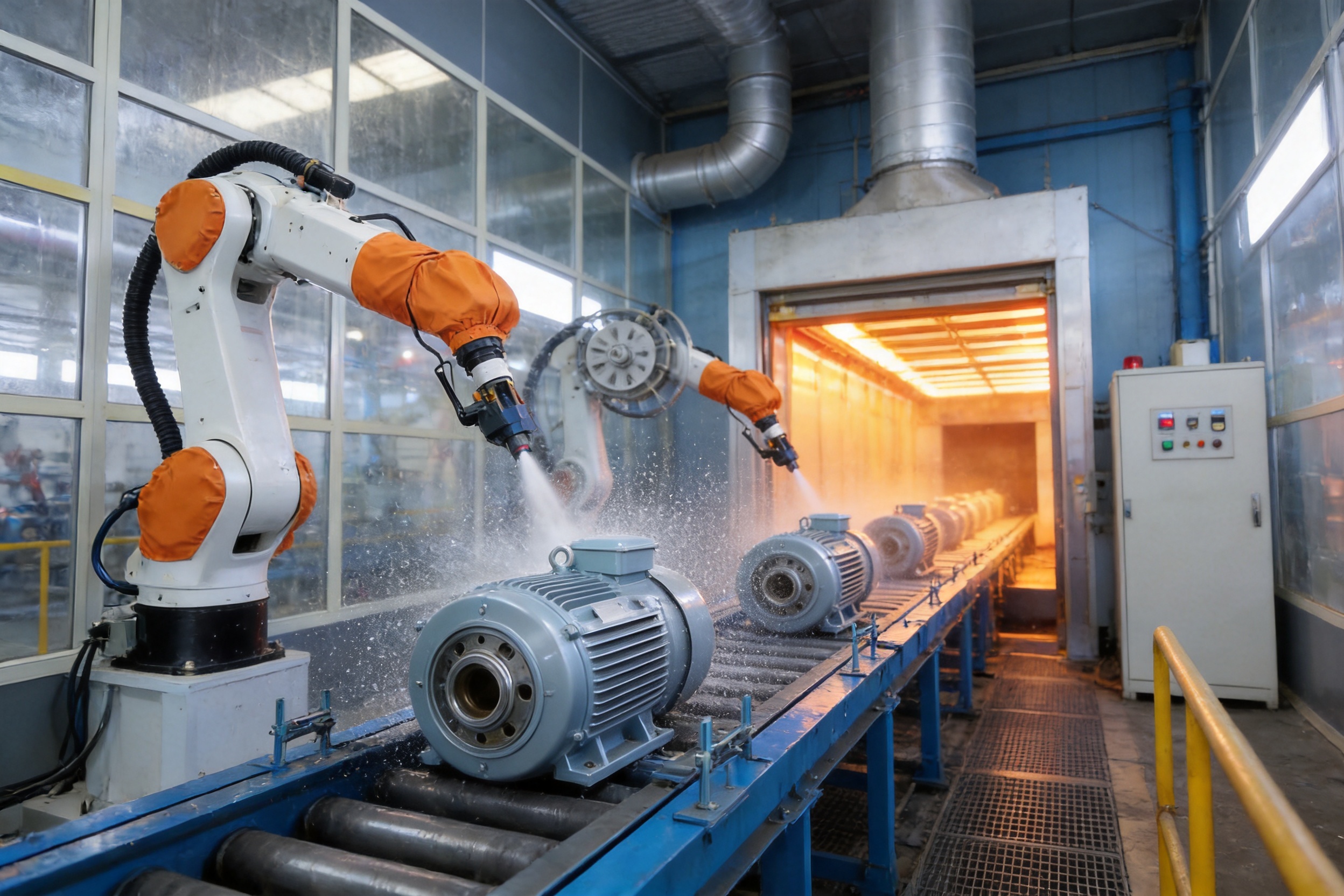
Motor casings are not ordinary metal parts. They protect motors from moisture, dust, vibration, chemicals, temperature changes, and mechanical wear while also supporting bearings, seals, mounting systems, cooling structures, and electrical components. For this reason, the coating process must do more than place a layer of paint on an external surface. It must provide durable corrosion protection, maintain dimensional accuracy, preserve heat dissipation, and deliver stable quality at production scale.
A dedicated spray coating line for motor casings is engineered around these requirements. It combines pretreatment, masking, automated spraying, curing, conveying, inspection, paint recovery, and environmental protection into one coordinated production system. Depending on the product design and production target, the line can be configured for electric vehicle motor casings, industrial motor housings, household motor shells, high-temperature motor casings, aluminum alloy housings, and steel castings.
Compared with a general-purpose painting booth or manually operated coating area, a dedicated motor casing coating line offers better process control, more consistent film thickness, higher production efficiency, improved operator safety, and stronger environmental performance. It also allows the production process to be adjusted to the geometry of each casing, including cooling fins, deep cavities, threaded holes, bearing seats, mounting faces, and other precision features.
Motor casings operate in demanding environments. An electric vehicle drive motor may be exposed to road spray, mud, salt, vibration, and rapid temperature changes. An industrial motor housing may operate outdoors, near water, in a dusty factory, or in a facility where periodic washdown is necessary. Household motor casings may require an attractive finish in addition to basic corrosion resistance. High-temperature motor casings require coating materials and curing conditions that remain suitable for elevated operating temperatures.
These different applications create a demanding balance between protection and precision. The coating must cover the external surface sufficiently to prevent corrosion, but it must not interfere with assembly. A layer of paint on a bearing seat may change the fit between the bearing and the housing. Coating on a mounting face may affect alignment. Paint inside threaded holes can make fasteners difficult to install. Excessive coating on cooling fins can reduce the efficiency of heat transfer.
The shape of a motor casing also makes consistent manual spraying difficult. Cooling fins create narrow passages and irregular surfaces. Ribs, bosses, recessed sections, and internal corners can produce shadow areas where coating is too thin. At the same time, exposed edges may receive excessive paint. These variations can lead to premature corrosion, inconsistent appearance, rework, and unnecessary material consumption.
A dedicated spray coating line addresses these challenges by combining programmed part movement with controlled spray-gun positioning. The casing can be rotated, indexed, or conveyed at a consistent speed while spray parameters are adjusted for the geometry of the component. The result is more uniform coverage across the outer shell, cooling fins, end sections, and other designated coating areas.
The spray coating line can be designed for a broad range of motor casing products. Equipment configuration is selected according to part dimensions, material, coating system, output requirements, surface preparation standards, and the required level of automation.
| Motor Casing Type | Primary Coating Requirements | Typical Line Considerations |
|---|---|---|
| Electric vehicle drive motor casing | Corrosion resistance, vibration durability, consistent coverage, and controlled coating thickness | Masking for precision interfaces, automated spraying, reliable curing, and high repeatability |
| Industrial motor housing | Protection against humidity, outdoor exposure, dust, chemicals, and periodic washdown | Robust pretreatment, durable coating materials, and flexible production recipes |
| Household motor casing | Appearance, smooth finish, color consistency, and protection against general household conditions | Clean spraying environment, stable atomization, and fast color or product changeover |
| High-temperature motor casing | Resistance to elevated operating temperature and thermal cycling | Appropriate coating selection, controlled curing, and heat-resistant process components |
| Aluminum alloy motor casing | Good adhesion, surface cleanliness, and resistance to oxidation | Material-specific pretreatment and careful control of surface activation |
| Steel motor casing | Strong corrosion protection, edge coverage, and reliable primer performance | Degreasing, phosphating or alternative pretreatment, drying, and controlled film build |
The system can be configured as a fully automatic motor casing spray coating line, an anti-corrosion painting line, an integrated pretreatment and curing line, an electrostatic spray coating line, or a customized motor casing production line. A manufacturer can also combine automatic and manual stations when certain complex internal areas require operator attention.
A high-quality coating result depends on the complete process, not only on the spray booth. The line must control the condition of the incoming part, the cleanliness of the surface, the masking quality, the spray application, the curing cycle, and the final inspection. Each stage influences the performance of the finished coating.
Motor casings enter the production system through a loading station. Depending on the plant layout, operators may place the parts on hanging fixtures, rotating carriers, pallets, or dedicated workpiece supports. Fixtures are designed to hold the casing securely while exposing the surfaces that must be coated.
Proper loading is important because the position of the part determines spray accessibility. A fixture that blocks a cooling-fin section or allows excessive movement can produce uneven coverage. Customized supports help maintain a repeatable orientation for different casing sizes and shapes.
For plants handling multiple models, the line can use production recipes or work-order identification procedures. The recipe may define conveyor speed, spray-gun movement, atomizing-air settings, paint flow, curing temperature, and inspection requirements. This makes it easier to switch between product models while maintaining process consistency.
Machining oil, casting residue, dust, metal particles, and handling contamination must be removed before coating. If these contaminants remain on the surface, they may cause poor adhesion, pinholes, blistering, fisheyes, uneven gloss, or premature corrosion.
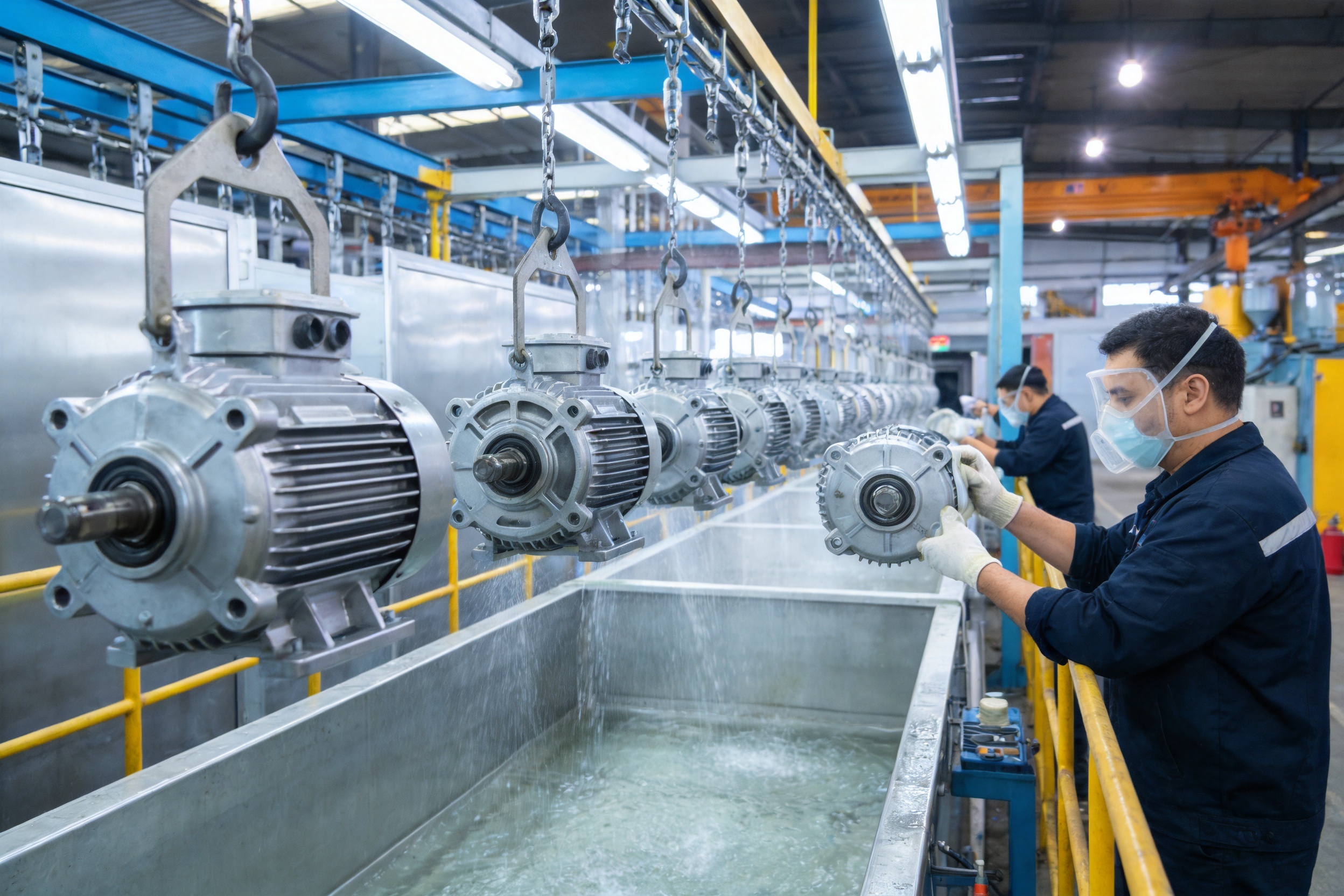
The pretreatment section may include spray washing, immersion cleaning, rinsing, surface conditioning, phosphating, passivation, or other treatments selected for the casing material and coating system. Aluminum alloy casings often require a different pretreatment strategy from steel casings because aluminum naturally forms an oxide layer that can affect coating adhesion.
Cleaning parameters must be controlled rather than treated as a simple washing step. Chemical concentration, water quality, temperature, spray pressure, contact time, and drainage all influence the result. A well-designed line includes tanks, pumps, filtration, heating, circulation, overflow management, and maintenance access so that the pretreatment process remains stable during continuous operation.
After cleaning or chemical treatment, the casing may pass through one or more rinsing stages. Rinsing removes residual chemicals and loose contamination. In some processes, a final clean-water rinse or deionized-water rinse is used to improve surface cleanliness and reduce the risk of residue-related defects.
The exact treatment sequence is determined by the coating specification. Some products require a conversion coating to improve adhesion and corrosion resistance. Others may use mechanical preparation, localized sanding, shot blasting, or abrasive treatment for selected surfaces. The objective is to create a clean, stable, and suitably active surface before paint application.
Moisture remaining on the casing can interfere with paint adhesion and create defects during curing. A drying section removes water from external surfaces, recessed areas, cavities, and cooling-fin channels. Air circulation, temperature, and residence time are selected according to the part material and coating process.
Drying must be effective without causing unnecessary oxidation, distortion, or thermal stress. The equipment layout should allow air to reach difficult areas while providing drainage and maintenance access. Proper fixture orientation can also help prevent water accumulation in cavities or threaded holes.
Masking is one of the most important steps in motor casing coating. Bearing seats, shaft openings, mounting faces, threaded holes, electrical contact areas, gasket grooves, and sealing interfaces may need to remain free of coating. These surfaces must retain their designed dimensions and functional characteristics.
Masking tools may include silicone plugs, caps, reusable fixtures, protective tapes, custom shields, and removable inserts. For high-volume manufacturing, reusable masking components can reduce labor and improve repeatability. Their design should allow quick installation and removal without damaging the coating or leaving contamination on the part.
A dedicated line has an advantage over general-purpose coating equipment because the masking strategy can be designed around the motor casing model. The fixture, spray path, and part orientation work together to protect precision areas while maintaining access to the required coating surfaces.
During spraying, the casing passes through a controlled booth equipped with automatic spray guns, reciprocators, rotary devices, or robotic systems. The selected arrangement depends on part size, geometry, production volume, coating type, and required flexibility.
Automatic spray application improves the consistency of paint distribution. Gun distance, angle, movement speed, overlap, paint flow, atomizing air, and electrostatic voltage can be controlled more accurately than in a purely manual process. The system can also use different spray paths for external surfaces, cooling fins, end covers, and recessed sections.
Electrostatic spraying may be used when the coating material and workpiece characteristics are suitable. Charged paint particles are attracted toward the grounded metal casing, which can improve transfer efficiency and reduce overspray. The result depends on correct grounding, voltage selection, paint conductivity, booth airflow, and part geometry. Deep recesses may still require carefully planned spray angles or supplementary application methods.
The line can also support conventional air spray, air-assisted airless spray, or other application technologies. The correct method is selected according to viscosity, required appearance, coating thickness, production rate, and environmental requirements.
Cooling fins require special attention. Excessive coating can reduce heat dissipation, while insufficient coverage leaves the metal vulnerable to corrosion. Automated spray control helps produce a thin and even film across the fins. The process parameters can be confirmed through dry-film-thickness testing, visual inspection, and, where required, functional or corrosion testing.
Paint recovery is an important part of production economics and environmental management. Overspray can be captured by water curtains, dry filters, cartridge systems, or other booth technologies selected for the coating material. Reclaim strategies depend on whether the process uses liquid paint, powder coating, or a specific multi-layer system.
A well-designed recovery system reduces the amount of coating material released into the working environment. It also helps maintain stable booth airflow and protects spray equipment from excessive accumulation. Filters, collection chambers, pumps, ducts, and exhaust components must be accessible for inspection and cleaning.
High paint utilization lowers consumable costs, especially in mass production. It also reduces waste generation and supports a cleaner working environment. However, recovery should never compromise coating quality. Reclaimed material must be managed according to the coating supplier’s requirements, and color or formulation changes must be handled carefully to prevent contamination.
After spraying, the casing may pass through a flash-off area or leveling zone before entering the curing section. This stage allows solvents or moisture to leave the coating at a controlled rate and helps the film level before final curing.
Curing may use hot air circulation, infrared radiation, or a combination of technologies. Infrared radiation drying can provide focused energy to the coating layer and may reduce unnecessary heat exposure to sensitive areas. Hot-air ovens offer uniform chamber conditions and are widely used for processes requiring controlled temperature and residence time.
The correct curing method depends on the coating chemistry, part material, film thickness, production speed, and temperature limitations of the assembly. Excessive temperature may damage seals or affect dimensional stability, while insufficient curing can reduce hardness, adhesion, chemical resistance, and service life.
Temperature monitoring should consider both oven air temperature and actual workpiece temperature. A reliable production line uses sensors, control devices, alarms, and recorded process parameters to help confirm that every casing receives the required curing cycle.
After curing, parts may require controlled cooling before masking removal, inspection, packaging, or assembly. Forced air circulation can shorten cooling time while preventing sudden thermal shock. The cooling stage also improves worker safety and reduces the risk of handling marks on the fresh coating.
Unloading systems should allow the casing to be transferred without contact against finished surfaces. When the line is integrated with subsequent motor assembly, the conveyor can deliver parts to a defined handoff point, reducing manual transport and unnecessary handling.
Final inspection may include appearance checks, dry-film-thickness measurement, adhesion testing, gloss measurement, color verification, hardness testing, and dimensional checks on masked surfaces. The inspection standard should reflect the customer’s technical requirements and the operating environment of the motor.
Inspection results should be used to improve the process rather than simply reject finished parts. If coating is consistently thin on one fin section, the spray path may require adjustment. If overspray reaches a mounting face, the masking design or gun angle may need revision. If paint consumption is too high, atomization and transfer efficiency should be reviewed.
Motor casings contain complex contours that are difficult to coat uniformly by hand. Automated movement and programmed spray paths improve access to external surfaces, fin channels, end sections, and selected recessed areas. The system can be configured to rotate or reposition the workpiece so that more of the designated coating area receives direct spray coverage.
Complete coverage does not mean applying the same amount of paint everywhere. Different surfaces may require different spray angles and film targets. The objective is a controlled, technically appropriate coating rather than simply a thicker coating.
Film thickness influences corrosion resistance, appearance, adhesion, curing behavior, and heat dissipation. Manual application can vary with operator technique, fatigue, part position, and production speed. Automatic spraying reduces these variations by controlling the main application parameters.
For cooling-fin areas, stable thin-film application is particularly important. For exposed edges and steel surfaces, sufficient coverage is required to resist corrosion. A programmable system allows these competing requirements to be addressed within one production cycle.
Proper pretreatment combined with an appropriate primer and topcoat can provide durable protection against moisture, salt, chemicals, and general atmospheric exposure. The line supports repeatable surface preparation and curing, which are essential for long-term performance.
Protection is especially important for electric vehicle motor casings located near the underside of a vehicle. Road contaminants can remain on the housing for long periods, and vibration can accelerate wear at exposed edges or interfaces. A controlled coating system helps improve the casing’s resistance to these conditions.
Continuous conveying and automated spraying reduce the time required for each casing. The line can operate with defined takt times and synchronized stations, making it suitable for mass production. Operators can focus on loading, masking, inspection, material replenishment, and maintenance rather than manually performing every spray pass.
Higher productivity is not achieved only by increasing conveyor speed. The full process must be balanced. If pretreatment, drying, spraying, curing, or unloading becomes a bottleneck, the output of the entire line is limited. Integrated line design helps maintain a stable flow from loading to inspection.
Automatic spraying can reduce excessive overlap and uncontrolled overspray. When electrostatic application is suitable, attraction between the charged coating particles and grounded metal part may improve transfer efficiency. Proper booth airflow and recovery equipment further support material utilization.
Lower paint consumption reduces operating costs and waste. It can also make production planning more predictable because material usage becomes more closely related to the number and surface area of parts processed.
The spray booth, exhaust system, filtration equipment, and environmental controls help prevent paint mist from spreading into the workshop. This supports a cleaner production environment and reduces exposure to airborne coating materials.
Environmental equipment may include exhaust treatment, filtration, water circulation, dry filtration, waste collection, and monitoring systems. The final configuration depends on local regulations, coating chemistry, emission requirements, and plant conditions. Compliance must be verified according to the applicable laws and technical standards at the installation site.
Motor production workshops often have limited floor space. A customized line can be arranged in a straight layout, U-shaped layout, L-shaped layout, or other configuration according to building dimensions, material flow, and access requirements.
Compact equipment structure can reduce unnecessary movement between process stages. It also makes it easier to connect the coating line with machining, assembly, testing, and packaging areas. The layout should reserve sufficient space for maintenance, filter replacement, safe operator access, and future expansion.
Stable process parameters help reduce variation between shifts and operators. Repeatability is particularly valuable for customers producing several casing models or supplying motors to different industries. A controlled line can store or document process settings for each product type, supporting consistent quality over time.
Reducing rework saves paint, labor, energy, and production capacity. It also prevents delays in downstream assembly. When defects are found, process data and inspection records can help identify whether the cause is related to cleaning, masking, spraying, curing, or handling.
| Evaluation Area | Manual or General-Purpose Equipment | Dedicated Automated Motor Casing Line |
|---|---|---|
| Film thickness | More dependent on operator technique and part accessibility | Controlled through programmed spray parameters and consistent part movement |
| Cooling-fin coverage | May vary between fins and operators | Spray paths can be optimized for uniform, thin coverage |
| Precision surface protection | Requires extensive manual masking and operator attention | Masking fixtures and process design are customized to casing interfaces |
| Production capacity | Limited by manual labor and individual spray speed | Suitable for continuous mass production with synchronized stations |
| Material utilization | More overspray and less predictable consumption | Improved control, optional electrostatic application, and recovery systems |
| Quality consistency | Can vary by shift, operator, and part position | Recipes, sensors, conveyors, and automatic guns support repeatability |
| Environmental control | May rely on a separate booth or basic ventilation | Integrated booth, exhaust, filtration, recovery, and treatment options |
| Expansion potential | Often requires significant manual labor increases | Can be configured with additional stations, automation, or conveying capacity |
The main competitive advantage of a dedicated line is not simply the presence of automation. It is the way the equipment is engineered around the motor casing’s technical requirements. A general coating line may be capable of spraying the part, but it may not provide the same level of control over bearing seats, mounting interfaces, cooling fins, curing temperature, and production traceability.
Jiangsu Yue Ze Environmental Protection Equipment Co., Ltd. is located in Yancheng, Jiangsu, China. The company operates a manufacturing facility covering approximately 35,000 square meters and has a registered capital of 58 million yuan. Its experience covers more than four decades across coating production lines, electric vehicle assembly lines, paint and bake booths, environmental protection equipment, and related industrial systems.
This manufacturing background is important for motor casing coating projects because the line is not an isolated machine. It is a combination of mechanical structures, conveying systems, spraying equipment, pretreatment units, curing systems, electrical controls, exhaust treatment, and production management requirements. Experience across these areas supports more coordinated project planning.
Yueze provides integrated research and development, equipment manufacturing, installation, and customized engineering services. This structure allows the supplier to consider the entire production process rather than focusing only on one booth or one spray device.
During project development, the supplier can review the casing drawings, material, dimensions, weight, coating type, output target, masking requirements, curing specifications, workshop conditions, and environmental requirements. These factors influence the conveyor design, fixture selection, spray-gun arrangement, booth dimensions, oven capacity, and control strategy.
Integrated project execution also helps reduce compatibility problems between equipment modules. Pretreatment, spraying, curing, conveying, and exhaust systems must work together. A supplier with experience in complete lines can coordinate interfaces such as part height, conveyor speed, electrical control, drainage, exhaust volume, and maintenance access.
Motor casing projects rarely have identical requirements. A casing for an electric vehicle may differ greatly from an industrial motor housing in shape, coating specification, production volume, and corrosion test requirements. A standardized catalog machine may not provide the most efficient solution for every application.
Yueze develops customized equipment solutions according to the workpiece and factory conditions. Customization may involve the line layout, fixture design, spray-gun quantity, pretreatment stages, curing method, conveyor type, automatic loading, inspection stations, and environmental treatment equipment.
The company’s experience with hanging automatic painting processes for casting counterweight blocks demonstrates its ability to develop continuous coating systems for large and irregular metal products. This type of project experience is relevant to motor casing lines because both applications require reliable hanging, controlled surface preparation, programmed spraying, curing, and stable material flow.
Environmental performance is built into the equipment concept rather than treated as an optional add-on. Spray booths, paint mist capture, exhaust ducts, filtration, waste collection, and gas treatment must be selected according to the process material and local emission requirements.
Yueze specializes in waste gas treatment equipment, paint and bake booths, infrared radiation drying systems, automated conveying systems, and other environmental protection products. This technical range allows the coating line and environmental systems to be planned together. Coordinated design can improve airflow stability, reduce interference between equipment modules, and simplify future maintenance.
Manufacturing a reliable coating line requires accurate fabrication of frames, tanks, ducts, booths, oven chambers, conveyor structures, and access platforms. Electrical cabinets, sensors, drives, valves, pumps, burners, heating elements, and control components must also be selected and assembled according to the process requirements.
Strict quality control during fabrication helps ensure that equipment arrives at the customer’s site with correct dimensions, stable mechanical movement, and properly coordinated interfaces. Factory inspection and pre-assembly can identify problems before shipment and reduce installation time.
Quality control should continue after installation. Commissioning verifies conveyor tracking, spray access, exhaust balance, temperature uniformity, drying performance, safety functions, and production recipes. Trial production using representative motor casings is especially valuable because it confirms whether the equipment meets the actual coating objectives.
Before ordering a spray coating line, buyers should prepare accurate technical information. The more complete the input data, the more precisely the line can be designed.
Provide the maximum and minimum casing length, width, height, diameter, weight, and center of gravity. These values affect fixture capacity, conveyor loading, booth dimensions, spray-gun reach, oven size, and structural strength.
Identify whether the casing is made from cast iron, steel, aluminum alloy, or another material. Include information about machining oil, casting sand, oxidation, burrs, surface roughness, and any existing treatment. Pretreatment must be compatible with the substrate and coating system.
Specify whether the line will use liquid paint, electrostatic coating, powder coating, primer and topcoat, or another system. Provide the required colors, gloss levels, chemical resistance, corrosion performance, and curing temperature. Color changes may influence booth design, cleaning procedures, and paint recovery arrangements.
Film thickness should be defined separately for general surfaces, edges, cooling fins, and functional areas if necessary. The target should be confirmed through product specifications and testing. Excessive thickness is not automatically better because it can affect heat dissipation, appearance, curing, and assembly clearance.
State the required hourly, daily, or annual output. Include the number of shifts, working days, product mix, and expected future growth. The line can then be sized according to takt time, curing residence time, spraying time, and material handling requirements.
Provide drawings showing bearing seats, mounting faces, holes, sealing grooves, grounding points, and other areas that must remain free of coating. Also identify the inspection methods required after coating, such as thickness testing, adhesion testing, gloss measurement, visual inspection, or dimensional verification.
Information about the building length, width, height, column arrangement, power supply, water source, compressed air, drainage, ventilation, fire protection, and loading access is essential. A line that is technically suitable but poorly matched to the building may require expensive modifications.
Regular maintenance keeps the spray coating line stable and reduces unplanned downtime. Operators should inspect spray nozzles, paint lines, pumps, filters, booth surfaces, exhaust ducts, conveyors, fixtures, sensors, and curing equipment according to a documented schedule.
Spray guns must remain clean and correctly adjusted. Blocked nozzles or damaged seals can change the paint flow and atomization pattern. Booth filters should be replaced or cleaned before pressure loss affects airflow. Recovery tanks and circulation systems require attention to prevent sediment buildup and contamination.
Conveyor chains, drive units, bearings, guide rails, hooks, and fixture contact points should be checked for wear. Poor conveyor movement can change the position of the casing relative to the spray guns and create coating variation. Fixtures should also be inspected to ensure that masking and grounding remain reliable.
Curing equipment requires regular verification of temperature sensors, heating elements, fans, burners, infrared emitters, and safety interlocks. Temperature uniformity should be checked periodically, especially after maintenance or major process changes.
Operators should receive training in loading orientation, masking installation, spray-line safety, material handling, defect recognition, emergency procedures, and basic troubleshooting. Easy operation and maintenance reduce labor costs, but training remains necessary to protect both equipment and product quality.
Safety design must cover chemical handling, paint mist, flammable materials where applicable, high-temperature equipment, moving conveyors, electrical systems, compressed air, and maintenance access. Emergency stops, protective guarding, interlocks, alarms, fire protection, and ventilation must be designed according to the process and applicable regulations.
The coating line should maintain suitable airflow in the spray booth so that paint mist is captured without disturbing the spray pattern. Excessive airflow can reduce transfer efficiency or cause uneven deposition, while insufficient airflow can allow contaminants to remain in the working environment.
Wastewater, spent filters, paint residues, sludge, and contaminated consumables must be collected and managed according to local environmental requirements. The equipment design should provide practical access for waste removal and cleaning. Environmental compliance depends on the complete installation, operating procedures, coating materials, and local regulations, so these factors should be reviewed during project planning.
A modular line can provide a practical transition from manual spraying to controlled production. The manufacturer may begin with essential pretreatment, spraying, curing, and exhaust functions, then add automatic loading, additional spray stations, inspection equipment, or expanded conveying capacity as demand increases.
This approach reduces the need to invest in a fully expanded system before production volume justifies it. The layout should nevertheless reserve space and connection points for future upgrades.
High-volume manufacturers benefit from continuous conveying, automatic spraying, recipe management, multiple curing zones, and integrated inspection. The line can be designed around takt time and connected to upstream machining or downstream assembly operations.
Stable output, predictable material consumption, and reduced manual handling are important for maintaining production schedules. Automatic fault alarms and process monitoring can also help reduce downtime.
EV motor casing suppliers typically require strong corrosion protection, repeatable quality, and flexible handling of complex cast or machined housings. The line can be designed to protect precision interfaces while maintaining thin, uniform coverage on cooling structures.
Because EV components may be subject to strict customer audits and traceability requirements, process records, inspection procedures, and repeatable recipes can be valuable additions to the equipment configuration.
Factories producing several casing models require flexible fixtures, adjustable spray paths, quick-change masking tools, and recipe-based process control. A modular automatic production line can reduce changeover time while preserving consistent coating quality between product families.
A successful project normally begins with technical communication. The buyer and equipment supplier review product drawings, coating specifications, annual output, production rhythm, factory layout, utility conditions, and environmental requirements.
The next stage is process design. Engineers determine the pretreatment sequence, masking approach, conveyor type, fixture arrangement, spray technology, curing method, paint recovery system, and exhaust treatment. Layout drawings and technical specifications are then reviewed before manufacturing begins.
During equipment fabrication, major modules are produced and inspected. Where practical, components may be preassembled or tested at the manufacturing facility. After delivery, the equipment is installed, connected to utilities, calibrated, and commissioned.
Trial production should use representative motor casings and the intended coating materials. The testing process verifies cleaning quality, masking performance, spray coverage, film thickness, curing, appearance, material consumption, and environmental operation. Adjustments can then be made before formal production acceptance.
After acceptance, the supplier can provide operational guidance, maintenance recommendations, spare-parts information, and technical support. A long-term service relationship is useful because coating requirements may change as customers introduce new casing models or coating specifications.
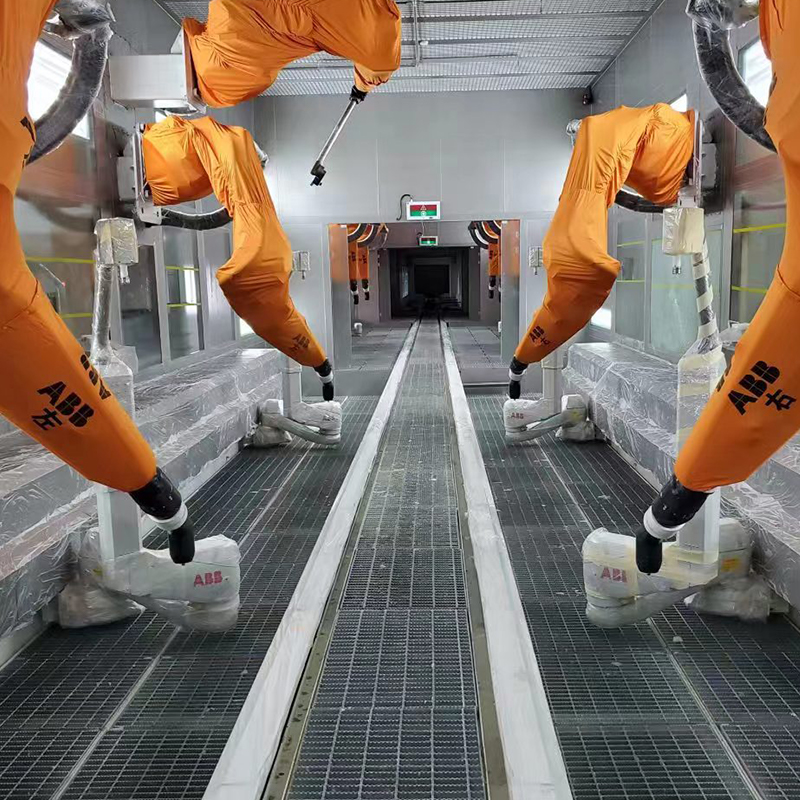
Spray Coating Line For Motor Casings
Equipment price is only one part of the total value of a coating line. A lower initial price may be offset by higher paint consumption, inconsistent quality, excessive manual labor, poor environmental control, or frequent downtime. Customized engineering focuses on the total production result.
A line designed specifically for motor casings can reduce unnecessary motion, improve spray access, and make masking more efficient. It can also match the curing cycle to the coating material instead of forcing the customer to accept a generic process. These improvements contribute to lower operating costs and more predictable quality.
The equipment’s modular structure can also support future development. New casing sizes, additional colors, higher output, or upgraded inspection systems may be incorporated through planned modifications. This flexibility helps manufacturers respond to changes in the motor market without replacing the complete line.
Jiangsu Yue Ze Environmental Protection Equipment Co., Ltd. combines coating equipment, automated conveying, infrared drying, paint and bake booths, environmental treatment, and customized production-line engineering. This broad capability strengthens its position when customers need a complete solution rather than a standalone spray booth.
A spray coating line for motor casings is an integrated production system used to clean, prepare, mask, spray, cure, inspect, and transfer motor housings. It can include pretreatment equipment, automated spray guns, spray booths, curing ovens or infrared systems, conveyors, paint recovery, exhaust treatment, and control systems.
Bearing seats, mounting faces, sealing areas, and threaded holes are designed to precise dimensions. Coating on these surfaces can change fit, alignment, sealing, grounding, or assembly performance. They are therefore protected during spraying and uncovered after curing.
Yes. Excessive coating thickness on cooling fins can reduce heat transfer efficiency. The coating line should use controlled spray parameters to apply a thin and uniform film that protects the metal without blocking the designed cooling structure.
The suitable method depends on the casing material, coating formulation, required appearance, corrosion standard, production volume, and curing conditions. Conventional spray, electrostatic spray, powder coating, primer and topcoat systems, or combinations of these methods may be considered after technical evaluation.
It may be possible, but the pretreatment, masking, coating material, and process recipes may need to differ. Aluminum and steel have different surface characteristics, so the supplier should review both materials before finalizing the line design.
Automatic spraying provides more stable gun movement, paint flow, spray distance, overlap, and film thickness. It can improve consistency across cooling fins and complex surfaces while reducing operator fatigue, overspray, and variation between production shifts.
Not necessarily. Electrostatic spraying can improve transfer efficiency when the coating and workpiece are suitable, but results depend on grounding, paint conductivity, geometry, voltage, airflow, and spray access. The correct application method should be selected through technical evaluation and testing.
Hot-air circulation, infrared radiation, or a combination of methods may be used. The choice depends on coating chemistry, workpiece material, part temperature limits, production speed, and required curing performance. Infrared systems can provide focused energy, while hot-air ovens provide controlled chamber conditions.
Automatic spray control reduces unnecessary overlap and excessive application. Suitable electrostatic technology can improve transfer efficiency, while booth recovery and filtration systems capture overspray. Material usage also becomes more predictable when process parameters are repeatable.
Yes. Customization may include adjustable fixtures, quick-change masking tools, programmable spray recipes, variable conveyor speeds, multiple coating stations, and different curing settings. The degree of flexibility depends on the number of models, production volume, and changeover requirements.
The buyer should provide casing drawings, dimensions, weight, material, surface condition, coating type, color range, target film thickness, required output, masking areas, inspection standards, workshop dimensions, utility conditions, and environmental requirements.
Buyers should review the supplier’s experience with similar workpieces, engineering capability, manufacturing facilities, environmental technology, automation integration, installation support, commissioning process, quality control, and after-sales service. Previous projects involving complex metal products can also provide useful evidence of technical capability.
Jiangsu Yue Ze Environmental Protection Equipment Co., Ltd. provides customized industrial surface-treatment solutions covering coating lines, paint and bake booths, automated conveying systems, infrared drying systems, waste gas treatment equipment, and related environmental protection systems. The exact scope is defined according to the project requirements.
A modular layout can make future expansion easier. Additional spray stations, automatic loading, inspection equipment, curing capacity, or conveying sections may be considered if the original layout and utility systems reserve sufficient space and capacity.
Trial production is highly important. It confirms that the line can handle the actual casing geometry, achieve the required masking and film thickness, complete the curing cycle, meet appearance standards, and operate at the planned production rate. It also provides an opportunity to adjust recipes and fixtures before normal production begins.
A spray coating line for motor casings is a specialized manufacturing system designed to combine corrosion protection, dimensional control, thermal performance, production efficiency, and environmental management. Its value comes from coordinating every stage of the process, from cleaning and masking to spraying, curing, inspection, and material recovery.
The dedicated design provides clear advantages over manual spraying and general-purpose coating equipment. Automated spray paths improve coverage and repeatability. Controlled film thickness protects cooling performance. Customized masking protects bearing seats and mounting surfaces. Continuous conveying supports mass production. Recovery and exhaust systems reduce waste and improve the working environment.
Jiangsu Yue Ze Environmental Protection Equipment Co., Ltd. brings together more than 40 years of combined experience, a 35,000-square-meter manufacturing base, integrated research and development, equipment manufacturing, installation, and customized engineering services. Its capabilities in powder coating lines, spray coating systems, electric vehicle assembly lines, paint and bake booths, infrared drying, automated conveying, waste gas treatment, and environmental protection equipment support complete industrial surface-treatment projects.
For manufacturers evaluating a motor casing coating project, the most important decision is not simply whether to purchase a spray booth. The key question is whether the complete line can deliver the required quality, output, protection, energy performance, and environmental control over its operating life. A carefully engineered and properly commissioned automated coating line provides a practical foundation for reliable motor casing production and long-term manufacturing competitiveness.
1. Manufacturer-provided technical information for spray coating lines, motor casing coating systems, automated conveying systems, and environmental protection equipment.
2. Manufacturer-provided company information concerning Jiangsu Yue Ze Environmental Protection Equipment Co., Ltd., its manufacturing facility, engineering capabilities, and industrial surface-treatment experience.
3. General industrial coating practice for metal pretreatment, spray application, electrostatic coating, paint recovery, drying, curing, and inspection.
4. General engineering guidance for corrosion protection of steel and aluminum motor housings used in automotive, industrial, and household applications.
5. General production-line design principles for automated conveying, masking, process control, curing systems, exhaust treatment, and industrial environmental management.
Professional spray coating line specially designed for motor casings, applicable to various motor casing types (electric vehicle motor casing, industrial motor casing, household motor casing, high-tem...
See Details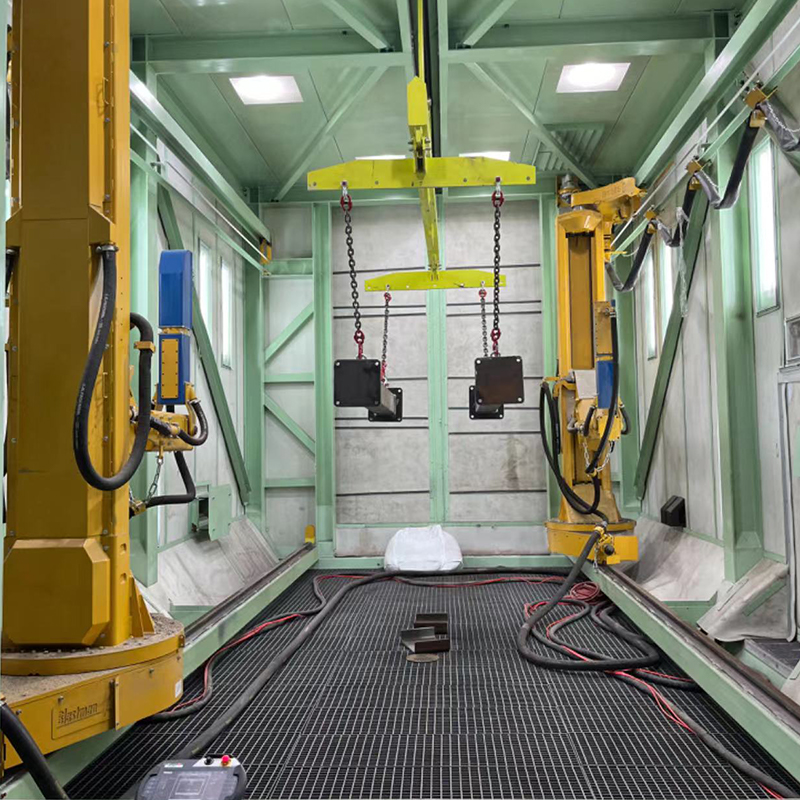
Professional coating line specially designed for large castings and heavy truck parts, applicable to various large castings (engineering castings, mining equipment castings, industrial castings) and h...
See Details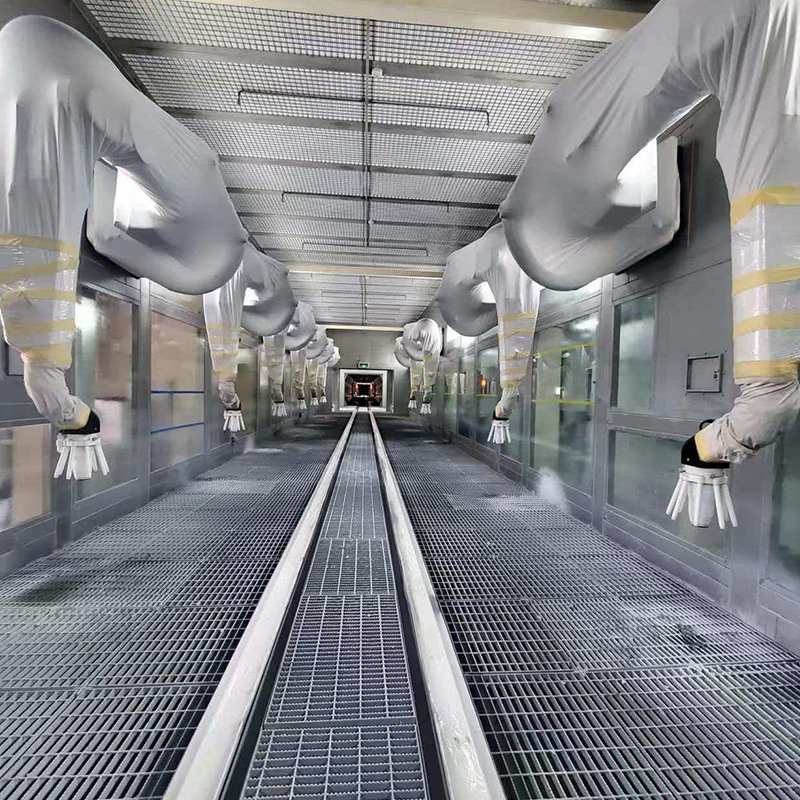
Professional spray coating line specially designed for car wheel manufacturing and refurbishment, applicable to various car wheel types (steel wheel, aluminum alloy wheel, forged wheel, cast wheel, pa...
See Details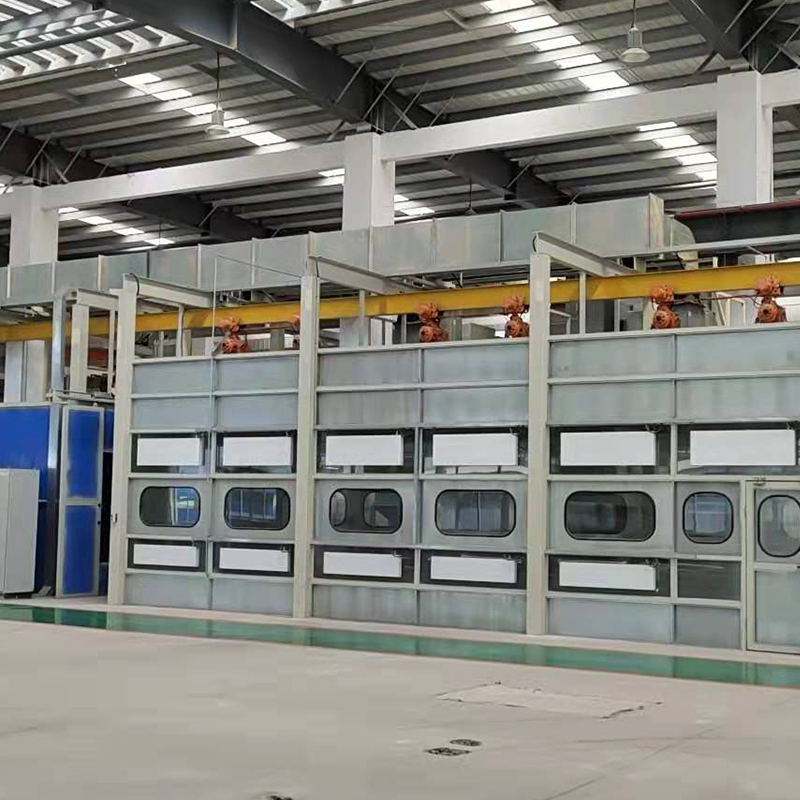
Professional spray coating line designed for engine manufacturing and maintenance, applicable to various engine types (gasoline engine, diesel engine, electric vehicle engine). Main types: engine bloc...
See Details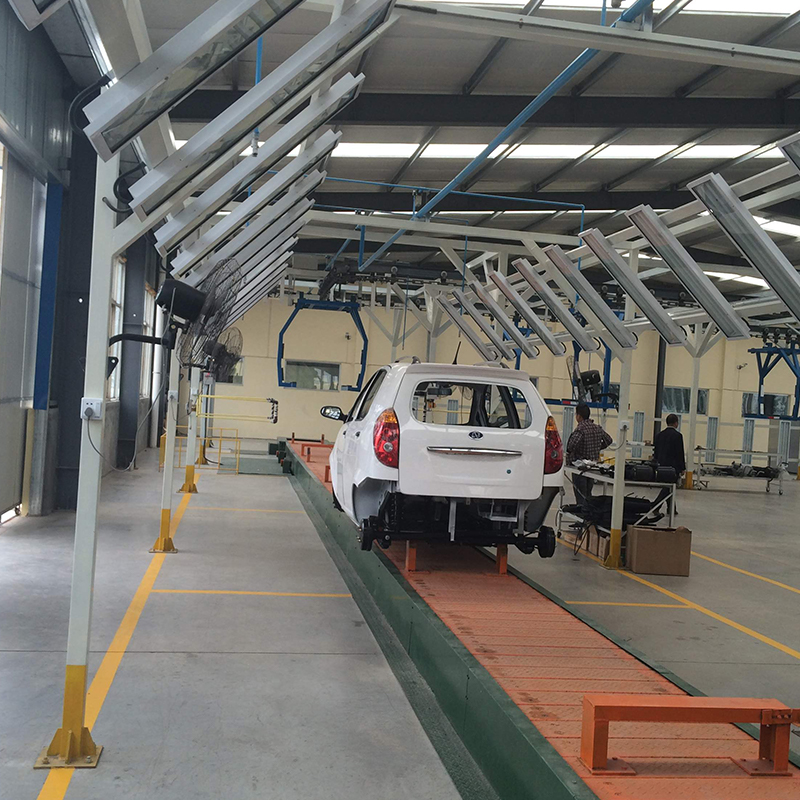
Professional electrophoresis coating line specially designed for electric vehicles (EVs), applicable to various EV types (passenger EV, commercial EV, new energy logistics vehicle) and EV components. ...
See Details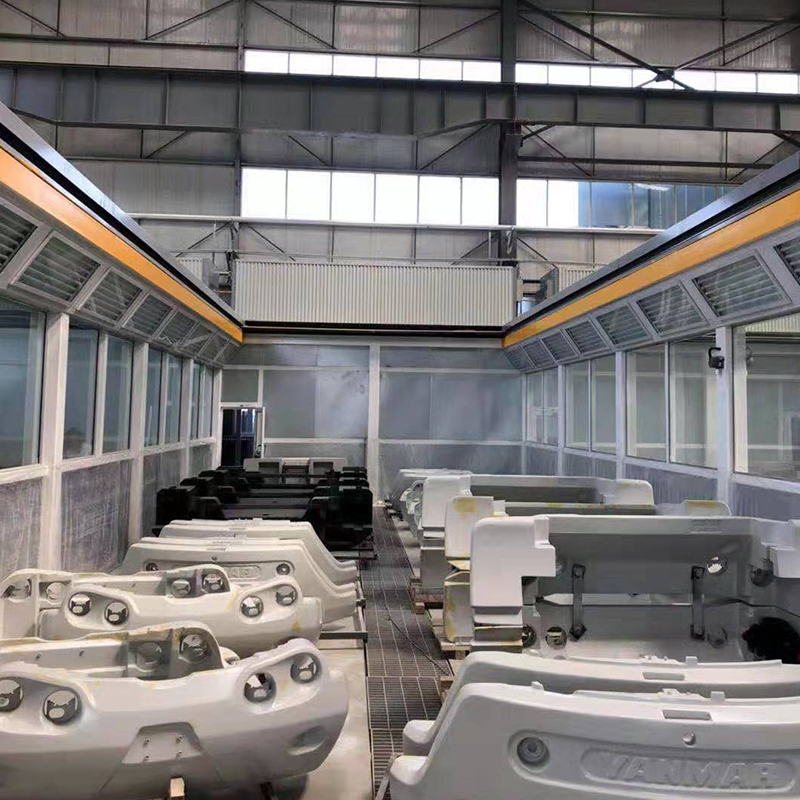
Professional spray coating line specially designed for car wheel manufacturing and refurbishment, applicable to various car wheel types (steel wheel, aluminum alloy wheel, forged wheel, cast wheel, pa...
See DetailsBuild Your Customized Industrial Coating System
Send us your workpiece information, production capacity, coating process, workshop layout, and environmental requirements. Yueze will help evaluate your project and develop a suitable coating, conveying, drying, and environmental treatment solution.
Main menu
Products
Contact Us
Company Address:
No. 12, Park Avenue, Shanggang Industrial Park, Jianhu, Yancheng City, Jiangsu Province
Message Us Right Now!

Follow us: