
 русский
 عربى
عربى
 Tiếng Việt

High-Efficiency Air Filter Cotton is a core component for air purification, mainly made of high-quality fiber materials. It has fine and dense filter pores, strong adsorption capacity, good air permea...
See Details
Yueze Environmental Protection provides one-stop compliant industrial surface treatment solutions with professional tech and fine craftsmanship.
 Get Inquiries
2026-08-15
Content
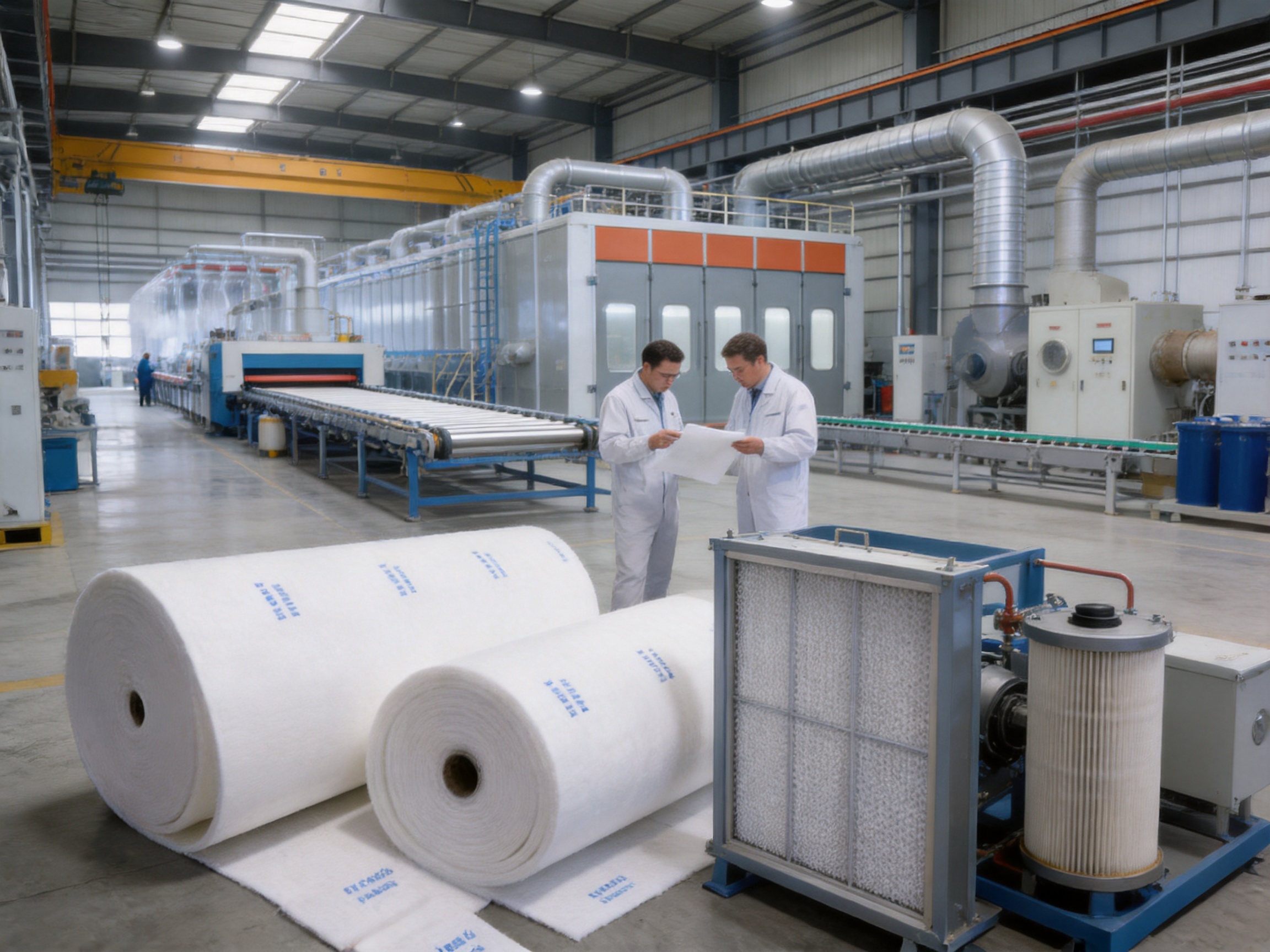
High-Efficiency Filter Cotton Roll is an essential consumable for modern spray booths, powder coating lines, paint and bake booths, large-part grinding rooms, and industrial air purification systems. Designed to capture overspray, airborne fibers, dust, and fine particulate matter, this fibrous filter media helps maintain clean exhaust air, stable airflow, and reliable downstream equipment performance. Its layered structure combines effective particle retention with practical air permeability, making it suitable for continuous industrial production where filtration efficiency, operating cost, and ease of replacement must be carefully balanced.
In a coating environment, filtration quality directly affects production stability. Paint particles that escape from the booth can contaminate exhaust ducts, fans, heat exchangers, purification equipment, and surrounding work areas. Excessive filter resistance can also increase fan energy consumption and reduce booth ventilation. A suitable filter cotton roll addresses both concerns by providing a progressive filtration path: larger particles are intercepted near the inlet, while finer particles are retained deeper within the fiber matrix.
Manufactured for demanding industrial applications, this high-efficiency filter cotton roll is produced from quality fiber materials with a uniform texture, stable density, strong dust-holding capacity, and good resistance to changing temperature and humidity conditions. It can be cut to suit different exhaust frames and filtration chambers, allowing users to install the media in equipment with different dimensions and configurations.
Spraying processes generate airborne contaminants in several forms. Liquid paint booths may produce overspray droplets, atomized coatings, solvent-related particles, and fibers from work clothing or booth surfaces. Powder coating booths generate fine powder particles that can remain suspended in the exhaust airflow. Grinding rooms and surface preparation areas may create metal dust, abrasive residues, and other solid particles.
Without effective filtration, these contaminants can travel through the exhaust system. They may accumulate on duct walls, reduce fan efficiency, block purification components, or enter subsequent treatment equipment at concentrations higher than it was designed to handle. In facilities that recirculate air, insufficient filtration can also allow contaminants to return to the production area.
Filter cotton roll provides a practical filtration stage between the working zone and the exhaust or purification system. Its fibrous structure captures particles through interception, impaction, and depth filtration. Instead of relying only on a thin surface layer, the media retains particles throughout its thickness. This improves its dust-holding capacity and helps delay the rapid pressure increase that can occur when a single-layer filter becomes saturated.
The product is especially useful in the exhaust sections of:
By controlling airborne particles at an early stage, the filter cotton roll supports cleaner working conditions, protects downstream equipment, and contributes to more consistent coating-line operation.
Filter Cotton Roll High Efficiency
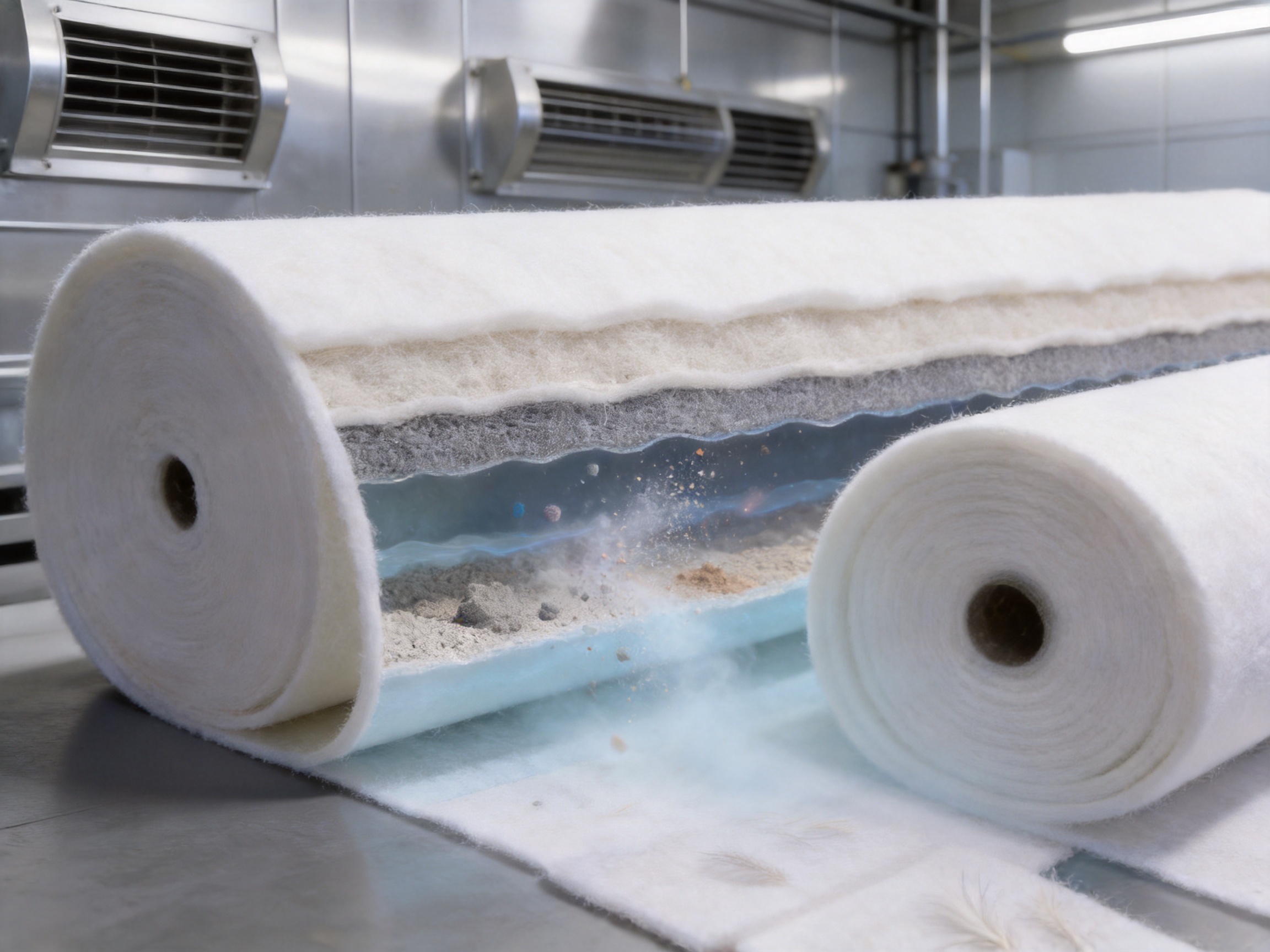
High-Efficiency Filter Cotton Roll uses a multi-layer fiber structure rather than a simple uniform sheet. The layers are arranged to create a gradual change in density from the airflow inlet to the clean-air side. This design allows the filter to deal with particles of different sizes in stages.
The lower-density inlet layer captures relatively large paint droplets, powder particles, dust agglomerates, and airborne fibers. Because these particles are removed before reaching the deeper layers, the filter can use its available depth more effectively. This reduces the risk of immediate blockage at the front surface and helps maintain a more stable airflow during the early and middle stages of service.
After the first layer, the air passes through fibers with gradually increasing density. Smaller particles encounter more fiber surfaces and are retained through a combination of direct interception and inertial impaction. The progressive structure distributes the collected material through the media rather than concentrating all of it at one location.
This depth-filtration principle is a major advantage over low-quality, single-density media. A single-density product may allow fine particles to pass through or become blocked quickly at the surface. A graduated filter cotton roll provides a more balanced relationship between particle retention, service life, and pressure drop.
At the clean-air side, the remaining particles are retained before the air continues toward the exhaust fan, ductwork, or secondary purification equipment. The final layer helps prevent loose fibers and accumulated contaminants from being carried into the downstream system during normal operation.
The overall result is a filtration media that combines high particle capture, usable airflow, and convenient maintenance. Its performance depends on the selected thickness, density, airflow volume, contaminant concentration, and installation quality.
The dense and layered fiber matrix effectively intercepts dust, paint overspray, powder particles, and other fine impurities. Compared with basic low-density filter material, high-efficiency media provides more internal fiber contact points and a deeper path for particle retention.
In coating applications, high filtration efficiency is important because even a small amount of escaping overspray can accumulate over time. Contamination may affect exhaust fans, ducts, air-treatment units, and nearby surfaces. By capturing more particles before they leave the booth, the filter supports cleaner equipment and a more controlled production environment.
The product is designed to retain particles within its depth instead of collecting them only on the exposed surface. This gives the roll a strong dust-holding capacity and helps extend the usable interval between replacements.
A longer service interval can reduce consumable usage, labor requirements, and production interruptions. However, replacement should always be based on actual operating conditions. A heavily loaded booth, high-viscosity coating, or large production volume may require more frequent changes than a lightly used system.
Filtration efficiency must be balanced with airflow resistance. If a filter is excessively restrictive, the booth fan may need to work harder, energy consumption may increase, and airflow across the working area may become unstable. High-Efficiency Filter Cotton Roll is engineered to provide effective filtration while maintaining practical air permeability.
Good permeability helps the spray booth preserve its designed ventilation performance. Stable airflow supports overspray capture, pressure balance, coating consistency, and operator comfort. The correct product thickness should nevertheless be selected according to the fan capacity and exhaust volume of the system.
Uneven media can create weak areas where air passes through with insufficient filtration and dense areas where pressure resistance becomes excessive. Uniform fiber distribution helps provide consistent filtration across the entire installed area.
A stable texture also makes cutting and installation easier. When the roll is divided into sections, the material remains practical to handle and less likely to produce irregular gaps or compressed zones inside the filter frame.
The roll format is suitable for filtration frames of different widths and lengths. Operators can cut the material according to the exact dimensions of the booth exhaust opening, making it adaptable to standard and customized equipment.
No complex processing equipment is normally required for routine installation. This is particularly valuable for coating plants that operate multiple booths or require frequent consumable replacement. Correctly cut media reduces edge bypass, which is one of the most common causes of poor filter performance.
Industrial coating environments may experience variations in temperature and humidity, especially around paint and bake booths, drying systems, and exhaust-treatment equipment. Filter Cotton Roll is developed to maintain useful filtration performance under changing industrial conditions.
Resistance to environmental variation helps reduce premature deformation, deterioration, and loss of filtration stability. The specific operating temperature and chemical compatibility requirements should be reviewed for each application before installation.
The filter media is made from environmentally responsible, non-toxic fiber materials and is designed without a strong peculiar odor during normal use. This makes it suitable for a wide range of industrial purification scenarios.
Although used filter media must be handled according to local regulations and the contaminants it has collected, a durable and efficient filter can reduce unnecessary replacement frequency and lower the amount of consumable material used over the operating life of the equipment.
One of the most important functions of a filter cotton roll is protecting equipment located after the booth. Captured particles are prevented from entering fans, ducts, heat recovery units, catalytic or adsorption systems, and other purification components.
Reducing the contaminant load on downstream equipment can extend maintenance intervals and protect components from premature wear or blockage. It also helps the entire environmental protection system operate closer to its intended design conditions.
The value of a filter should be assessed through its total operating contribution rather than only its purchase price. A low-cost filter that blocks quickly may require frequent replacement and create significant labor and downtime costs. A higher-performing roll with greater dust-holding capacity may provide a lower cost per operating hour.
High-Efficiency Filter Cotton Roll combines manageable purchase cost, easy installation, effective particle retention, and practical service life. These characteristics make it a cost-effective consumable for both individual booths and complete automated coating lines.
Filter media used in spray booths can vary considerably in fiber quality, density distribution, thickness, strength, and manufacturing consistency. Conventional low-grade cotton or simple flat filter sheets may offer basic particle interception, but they often have limitations when used in continuous or high-throughput production.
| Performance Factor | Basic Single-Layer Media | High-Efficiency Filter Cotton Roll | Operational Benefit |
|---|---|---|---|
| Filtration structure | Mostly uniform or shallow surface filtration | Multi-layer progressive-density filtration | More effective retention across different particle sizes |
| Dust-holding capacity | Often limited by rapid surface loading | Particles are distributed through the fiber depth | Longer practical service interval |
| Airflow behavior | May become restrictive quickly | Designed for useful permeability and balanced resistance | More stable booth ventilation |
| Installation flexibility | May require fixed-size panels | Roll can be cut to different dimensions | Suitable for customized and standard frames |
| Filtration consistency | Possible density variation and weak areas | Uniform texture and stable fiber distribution | Reduced risk of local bypass and blind areas |
| Maintenance cost | Frequent replacement may be necessary | Good service life and convenient replacement | Lower labor and downtime costs |
The comparison does not mean that every application requires the thickest or densest filter. Selecting media that is too dense can increase pressure drop, while selecting media that is too light may reduce capture efficiency. The advantage of a well-designed filter cotton roll is that it offers multiple thickness and density options, allowing the user to match filtration performance to actual system requirements.
Thickness and density are two of the most important selection factors. They influence particle retention, airflow resistance, service life, and the total operating cost of the booth. The following values represent common application ranges and should be confirmed against the equipment design and operating conditions.
| Typical Thickness | Relative Density | Recommended Application | Selection Consideration |
|---|---|---|---|
| 30 to 50 millimeters | Low density | Light-duty spray booths and preliminary filtration | Suitable where contaminant loading is relatively low and airflow demand is high |
| 50 to 80 millimeters | Medium density | Standard powder coating booths and general industrial coating | Provides a balanced relationship between efficiency, resistance, and service life |
| 80 to 100 millimeters | High density | High-throughput automotive body spray lines and heavy overspray conditions | Provides increased depth filtration but should be matched with adequate fan capacity |
When selecting a thickness, users should consider booth dimensions, exhaust volume, coating material, production hours per day, particle concentration, fan pressure, and the expected maintenance schedule. The filter should be large enough to provide the required filtration area without excessive compression.
For a high-volume automotive coating line, a high-density option may be appropriate because overspray loading is continuous and the consequences of downstream contamination can be significant. For a smaller booth with limited airflow, a medium-density option may provide a more suitable balance. In a pre-filtration position, a low-density roll may be selected to capture larger particles before a finer secondary filter.
Using the correct density also helps prevent unnecessary energy consumption. A filter that is too restrictive can increase fan load and pressure drop. A filter that is too open may allow excessive particle penetration. Proper selection is therefore a system-design decision rather than a simple preference for the densest product available.
Powder coating production lines often include loading areas, pretreatment systems, drying ovens, spray booths, curing ovens, cooling zones, and automated conveying equipment. The spray booth is a key point where powder particles must be controlled to protect the ventilation system and maintain a clean production environment.
High-Efficiency Filter Cotton Roll can be installed in the exhaust section of a powder coating booth as a replaceable filtration layer. It captures airborne powder that is not deposited on the workpiece, reducing the amount of particulate matter entering the exhaust duct and environmental protection system.
Stable filtration supports consistent airflow around the workpiece. This is important because airflow changes can influence powder containment, booth cleanliness, operator exposure, and the performance of powder recovery equipment. A filter that loads unevenly may create local pressure differences, while uniform media helps distribute the airflow more consistently across the filtration surface.
In automated powder coating lines, maintenance efficiency is also important. Because filter cotton roll can be cut and replaced quickly, it can fit into planned maintenance procedures without requiring extensive disassembly. This helps reduce the interruption of conveyor operations and improves overall equipment availability.
Liquid paint spray booths generate overspray in the form of small droplets and atomized coating particles. These particles can be sticky and may accumulate on booth walls, exhaust grilles, fan blades, ducts, and purification units. Effective filtration is therefore necessary to control contamination and protect the exhaust system.
Filter Cotton Roll provides a depth-based capture structure suitable for collecting liquid paint overspray before it reaches downstream components. The selected media must be compatible with the coating process and installed according to the booth manufacturer's airflow direction and safety requirements.
In automotive body spray and bake operations, production often continues for long shifts and may involve multiple coating colors or materials. A filter with high dust-holding capacity and stable airflow can support longer operating periods between maintenance actions. Regular inspection remains necessary because paint loading can vary significantly depending on spray technique, transfer efficiency, coating viscosity, and booth utilization.
For paint and bake booths, the filtration system should also be considered together with temperature control, exhaust ventilation, fire prevention, and environmental protection equipment. The filter cotton roll is one component of the complete system and should not be treated as a substitute for required safety devices or secondary treatment units.
Large metal components, castings, counterweights, structural parts, and fabricated products may require grinding, polishing, or surface finishing before coating. These operations produce solid dust and abrasive particles that can spread quickly if not controlled.
Installed at the exhaust side of a grinding room, the filter cotton roll can capture airborne particles and reduce their transfer into fans and ductwork. Its roll format allows the filtration area to be adapted to large extraction openings and customized room configurations.
Grinding-room filtration can also help protect subsequent environmental protection equipment. When larger particles are removed in advance, downstream systems may experience lower loading and more stable operation. Depending on the material being processed, additional specialized filtration or fire-prevention measures may be required.
The performance of filtration media depends not only on the raw material but also on manufacturing control. Fiber distribution, thickness, density, tensile strength, edge integrity, and roll uniformity all influence the final result in a spray booth.
Jiangsu Yue Ze Environmental Protection Equipment Co., Ltd. is an industrial equipment manufacturer located in Yancheng, Jiangsu, China. The company operates across approximately 35,000 square meters and has a registered capital of 58 million yuan. With more than 40 years of experience in coating equipment and environmental protection systems, it brings application knowledge from complete production lines to the development and supply of filtration consumables.
This broad equipment background is significant because a filter cannot be evaluated separately from the booth in which it is installed. Air volume, pressure balance, exhaust arrangement, coating type, conveyor speed, and purification configuration all affect filtration requirements. Experience in designing and manufacturing complete systems enables the supplier to understand how consumable performance interacts with the wider production process.
The company specializes in powder coating lines, electric vehicle assembly lines, automotive counterweight spray lines, paint and bake booths, large-part grinding rooms, waste gas treatment equipment, infrared radiation drying systems, automated conveying systems, intelligent coating lines, and other environmental protection equipment.
This range of capabilities supports a practical, application-based approach. Filter cotton roll can be selected according to the booth's actual exhaust structure rather than treated as a generic product. The same supplier can also provide guidance on filtration layout, replacement access, equipment integration, and environmental control requirements.
Jiangsu Yue Ze Environmental Protection Equipment Co., Ltd. provides integrated research and development, manufacturing, installation, and customized equipment services. This allows the company to coordinate design details from the early planning stage through commissioning and after-sales support.
For customers purchasing a complete coating system, integrated supply can simplify communication. The filtration consumable, filter frame, booth ventilation, conveying system, waste gas treatment equipment, and maintenance access can be considered together. This reduces the risk of mismatched components and helps ensure that the filtration stage supports the intended production capacity.
Industrial coating projects frequently involve non-standard workpiece dimensions, unusual production volumes, restricted workshop layouts, or specific environmental requirements. A standard catalog product may not always be sufficient. A supplier experienced in customized lines can adapt booth dimensions, airflow arrangements, conveyor routes, filtration areas, and maintenance access to the customer's process.
The company pioneered a hanging automatic painting process line for casting counterweight blocks in 2014. The process covered finishing and polishing, primer application, and topcoat application. This project experience demonstrates the importance of coordinating surface preparation, coating, drying, conveying, and environmental control as one complete production process.
Such experience is directly relevant to filtration consumables. A filter roll used in a small manual booth will have different requirements from one installed in an automated line operating continuously with large metal components. Understanding the entire process helps support more appropriate product selection.
Consistent filtration performance requires controlled production technology and inspection procedures. The material should be checked for uniform thickness, consistent density, clean edges, adequate mechanical strength, and proper roll winding. Packaging should protect the media from moisture, compression, dust, and deformation during storage and transport.
Quality control should also address batch consistency. If the density or thickness changes significantly from one roll to another, the booth may experience changing pressure drop and filtration performance. Stable production standards help users plan maintenance and replacement intervals with greater confidence.
Even high-quality filter media can perform poorly if it is installed incorrectly. Most filtration problems in replaceable roll media are related to air bypass, wrong airflow orientation, excessive compression, or delayed replacement.
Before cutting the roll, measure the opening of the filter frame in both directions. The cut piece should cover the entire filtration area without leaving gaps at the sides, top, or bottom. It should fit securely without being stretched excessively.
Air naturally follows the path of least resistance. If gaps exist around the filter, a portion of the exhaust air may bypass the media and carry overspray directly into the downstream system. The frame should hold the material evenly, and seals or retaining devices should be used where necessary.
The lower-density side should normally face the contaminated-air inlet, allowing larger particles to be removed first. The denser side should face the clean-air outlet. Installing the roll backward may reduce its progressive filtration effect and shorten service life.
Filter cotton roll should not be compressed more than necessary to secure it in the frame. Excessive compression reduces open area, increases resistance, and may create uneven airflow. The media should remain evenly distributed across the filtration area.
After installation, inspect the filter frame and surrounding area while the booth is operating. Check for movement, vibration, visible gaps, unusual noise, or signs of air leakage. If the filter deforms or pulls away from the frame, the retaining arrangement should be corrected.
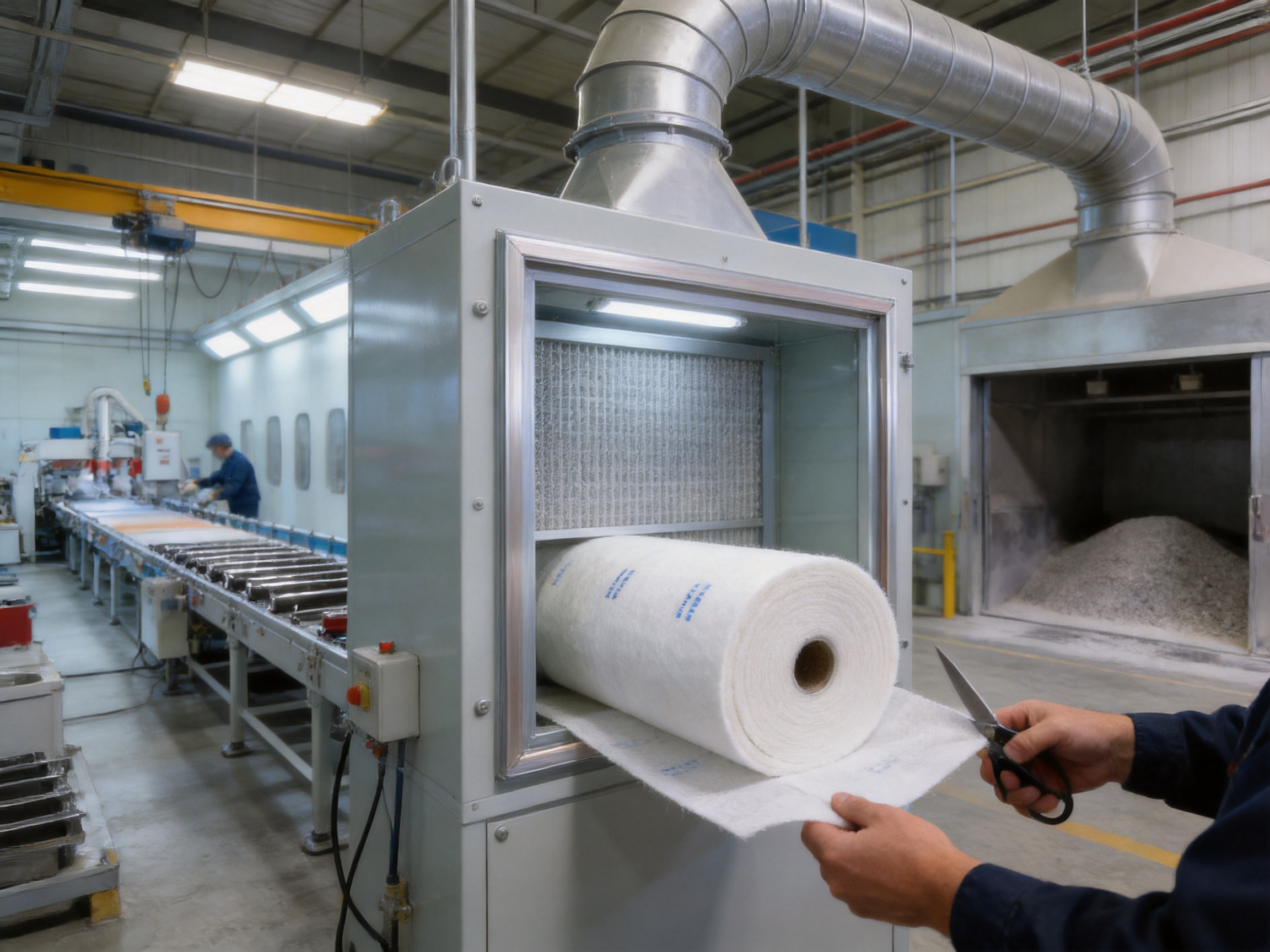
Filter replacement should be based on actual operating conditions rather than a fixed calendar interval alone. Production volume, paint type, powder loading, spray efficiency, working hours, airflow volume, and booth design all influence service life.
Inspect the filter surface regularly for discoloration, visible paint accumulation, dust loading, deformation, or uneven saturation. A visibly loaded section may indicate that airflow is not evenly distributed or that the media is approaching the end of its usable life.
A noticeable reduction in booth airflow or an increase in pressure resistance is a strong indication that the filter should be replaced. If the system includes a differential-pressure gauge, operators should establish a replacement threshold according to the equipment design and operating history.
Allowing a filter to become completely blocked can place unnecessary stress on the fan and reduce booth ventilation. It may also affect coating quality, operator working conditions, and the performance of downstream purification equipment. Planned replacement is generally more economical than emergency replacement after a serious airflow problem develops.
Used filter media contains the particles removed from the production air. Operators should wear appropriate protective equipment and follow the facility's procedures for removal, storage, transportation, and disposal. The disposal method should reflect the type of coating or dust collected and comply with applicable local requirements.
Consumable cost is only one part of the filtration budget. Labor, production downtime, energy consumption, equipment cleaning, fan wear, and downstream component replacement can represent a much larger portion of the total cost.
High-Efficiency Filter Cotton Roll helps control these costs in several ways. Its high dust-holding capacity can extend replacement intervals under suitable conditions. Its roll format can reduce material waste because operators cut only the amount required for each frame. Its uniform texture makes installation more predictable and reduces the risk of repeated adjustments.
Maintaining useful air permeability also helps prevent unnecessary increases in fan load. Stable airflow can reduce the likelihood of coating defects caused by poor overspray capture or unstable booth pressure. Protecting downstream equipment may further reduce cleaning and repair requirements.
The most economical solution is not always the lowest-priced media. A better evaluation compares the filter's purchase price, service life, replacement labor, pressure-drop behavior, disposal volume, and effect on the complete coating system.
Filter cotton roll should be selected and installed as part of a complete industrial ventilation and environmental protection design. Users should verify compatibility with the coating material, operating temperature, humidity, airflow rate, and expected particle concentration.
Where flammable coatings, combustible powders, solvent vapors, or hot exhaust gases are present, the complete system must include appropriate fire prevention, explosion protection, grounding, ventilation, and waste-gas treatment measures. The filter media alone cannot eliminate these risks.
The booth, ductwork, fan, purification system, and filter frame should be inspected as a coordinated system. A damaged frame, poorly sealed access door, blocked duct, or incorrectly sized fan can reduce overall performance even when the filter itself is functioning correctly.
Purchasing filtration consumables from a company that also designs and manufactures coating and environmental equipment can offer several practical advantages. The supplier is more familiar with the airflow patterns, maintenance points, and operating challenges found in real industrial booths.
Jiangsu Yue Ze Environmental Protection Equipment Co., Ltd. offers one-stop industrial surface-treatment solutions. Its product scope covers coating lines, spray and bake booths, grinding rooms, conveying systems, drying equipment, waste-gas treatment, and related environmental protection systems.
For a new project, this integrated capability can support filtration planning from the beginning. The filtration area, access doors, support frames, pressure monitoring points, and replacement procedures can be incorporated into the equipment layout instead of being added later.
For an existing line, the company can help users review the current filtration arrangement and identify possible causes of high pressure drop, short filter life, uneven loading, or downstream contamination. A customized solution may include changes to filter thickness, frame dimensions, airflow distribution, or the overall purification sequence.
The company's customer-focused service model combines engineering, manufacturing, installation, commissioning, and technical support. This is especially valuable for overseas customers and complex industrial projects that require coordination among multiple equipment sections.
It is used to capture paint overspray, powder particles, dust, fibers, and other airborne impurities in spray booths, powder coating lines, paint and bake booths, grinding rooms, and industrial air purification systems.
It can be used in both types of coating environments when the selected thickness, density, temperature resistance, and chemical compatibility match the application. The final selection should consider the booth design and the type and concentration of contaminants.
The lower-density inlet layer captures larger particles first, while progressively denser layers retain finer particles deeper inside the media. This distributes particle loading through the filter depth and can provide better service life than a simple single-density sheet.
Not necessarily. A thicker or denser filter can improve particle retention and dust-holding capacity, but it may also increase pressure resistance. The correct thickness must be matched to the booth's airflow volume, fan capacity, particle loading, and required filtration level.
Cut the roll to fit the filter frame, cover the entire opening, install the lower-density side toward the contaminated-air inlet, and secure the edges to prevent bypass. Avoid excessive compression and inspect the installation during start-up.
Replacement frequency depends on production volume, coating type, booth airflow, particle concentration, and operating hours. Inspect the filter regularly and replace it when it becomes visibly saturated, airflow decreases, or pressure resistance rises noticeably.
Reuse after cleaning is generally not recommended. Particles become embedded within the fiber structure, and washing or blowing may not restore the original filtration performance. Cleaning may also release collected contaminants or damage the media.
The roll format can be cut to suit different frame sizes and equipment layouts. Customers should provide the required filtration dimensions, airflow direction, booth type, operating conditions, and preferred thickness so the appropriate specification can be selected.
Common signs include visible gaps around the frame, abnormal filter movement, uneven loading, excessive pressure drop immediately after installation, reduced airflow, or overspray appearing on the clean-air side and downstream equipment.
By capturing a substantial portion of overspray and dust before the air reaches fans, ducts, heat exchangers, and secondary treatment units, the filter reduces particulate loading and helps downstream components operate more reliably.
Yes. Its stable filtration performance, roll format, and easy replacement make it suitable for automated lines. The selected media should be matched to the line's production speed, booth airflow, coating type, and maintenance schedule.
Useful information includes the booth type, filter-frame dimensions, required roll width and length, airflow volume, coating material, operating temperature, production hours, current filter specification, and any observed airflow or maintenance problems.
High-Efficiency Filter Cotton Roll combines the features most important to industrial coating operations: efficient particle capture, high dust-holding capacity, useful air permeability, uniform texture, flexible sizing, and convenient replacement. Its progressive-density structure provides a more effective filtration path than basic single-layer media, while its roll format supports customized installation and economical material use.
The product is supported by the engineering experience of a manufacturer that works across powder coating lines, spray booths, conveying systems, drying equipment, grinding rooms, waste-gas treatment, and intelligent surface-treatment systems. This background allows filtration requirements to be considered in relation to the complete production process.
For facilities seeking to improve booth cleanliness, protect exhaust equipment, maintain stable airflow, and reduce routine maintenance costs, the filter cotton roll provides a dependable and adaptable solution. Correct selection, installation, inspection, and replacement are essential to achieving its full value.
Air filtration is a critical part of safe, efficient, and environmentally responsible coating production. Overspray and dust must be captured before they can contaminate exhaust systems, damage downstream equipment, or return to the working environment. High-Efficiency Filter Cotton Roll addresses this requirement through a layered fiber structure that combines fine-particle retention with practical airflow performance.
Its advantages include high filtration efficiency, strong adsorption capacity, long service potential, low wind resistance, consistent texture, convenient cutting, adaptability to different equipment, and good cost performance. Compared with basic filter media, it offers a more balanced solution for continuous industrial applications where stable ventilation and controlled maintenance are important.
With more than four decades of experience in industrial coating and environmental protection equipment, Jiangsu Yue Ze Environmental Protection Equipment Co., Ltd. provides not only filtration consumables but also complete and customized production-line solutions. Its integrated research, manufacturing, installation, and service capabilities help customers coordinate filtration with spray booths, conveyors, drying systems, and waste-gas treatment equipment.
When the filter thickness and density are selected according to the actual application, and when installation and replacement are performed correctly, High-Efficiency Filter Cotton Roll can help coating facilities maintain cleaner air, more reliable equipment, improved production continuity, and lower long-term operating costs.
1. Industrial Ventilation: A Manual of Recommended Practice for Design, American Conference of Governmental Industrial Hygienists.
2. Paint and Coating Manufacturing Safety and Environmental Control Guidelines, industrial process ventilation and pollution-control references.
3. Air Filtration Principles and Applications, technical references on fibrous media, particle interception, pressure drop, and dust-holding capacity.
4. Powder Coating Equipment Operation and Maintenance Practices, technical guidance for spray booths, powder recovery, and exhaust filtration.
5. Industrial Surface Treatment and Coating Line Engineering Information, reference material for spray booths, curing systems, automated conveying, and environmental protection equipment.
6. Manufacturer-provided product information for High-Efficiency Filter Cotton Roll and integrated coating equipment solutions.
7. Manufacturer-provided company information concerning industrial coating lines, environmental protection equipment, customized engineering, production, installation, and technical service.
High-Efficiency Air Filter Cotton is a core component for air purification, mainly made of high-quality fiber materials. It has fine and dense filter pores, strong adsorption capacity, good air permea...
See Details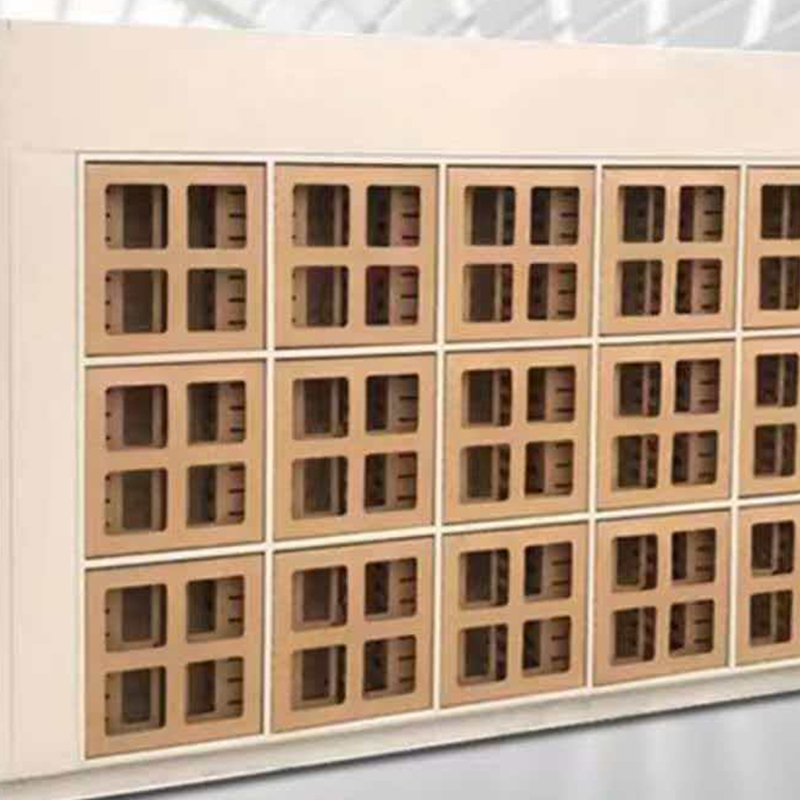
Cardboard Paint Arresto is professional equipment for capturing and filtering paint mist, mainly made of high-quality corrugated cardboard, filter cotton, and waterproof coating. It adopts a modular d...
See Details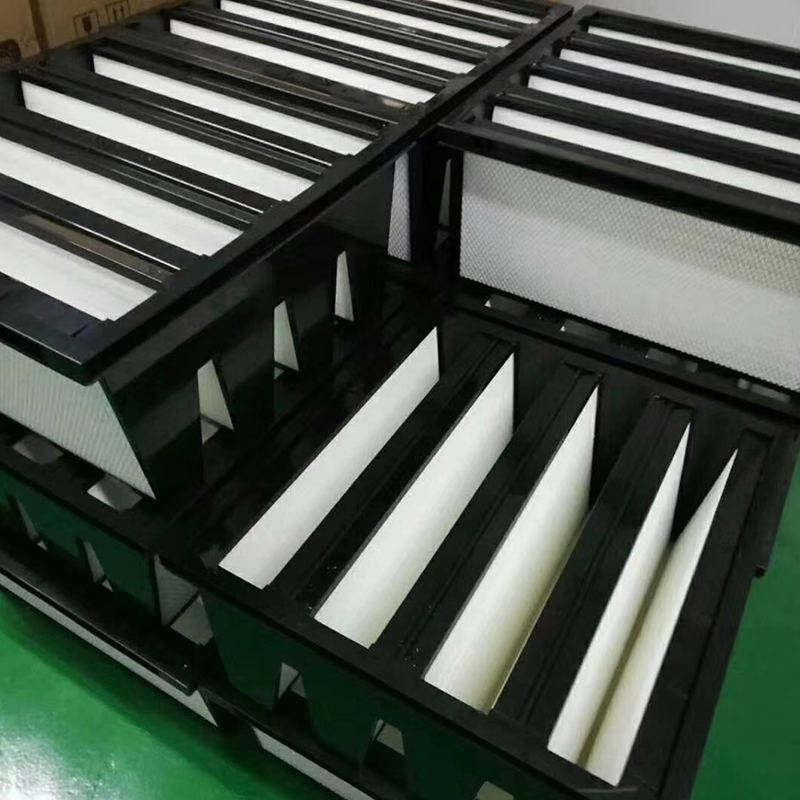
Dry-Type Paint Mist Filter is a core component for paint mist treatment, mainly made of high-quality filter materials (glass fiber, activated carbon, non-woven fabric). It has dense and uniform filter...
See Details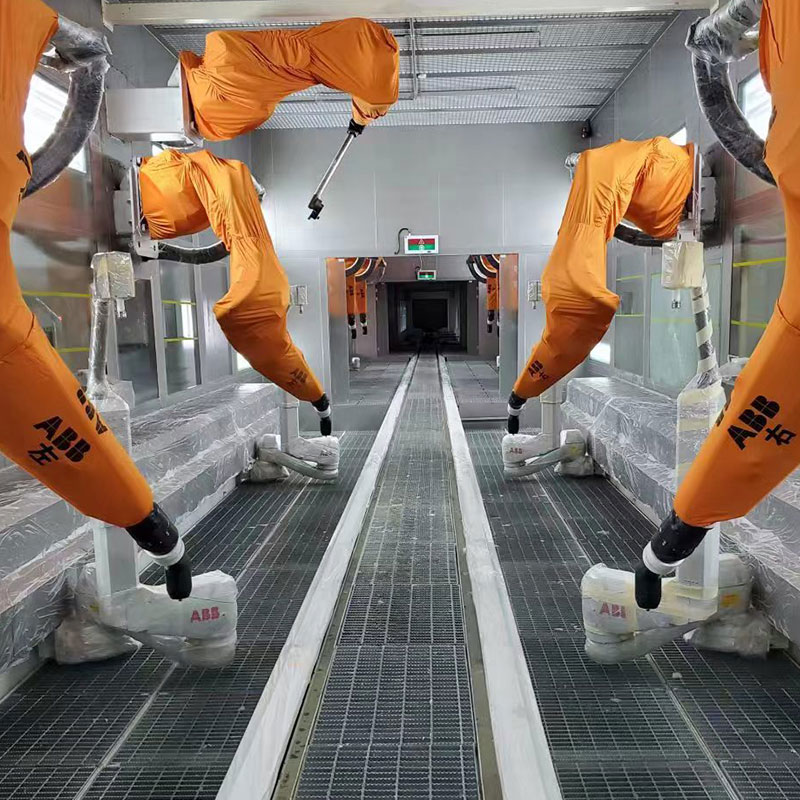
An automatic robotic spray booth is an intelligent, unmanned coating system. Equipped with a robot spraying system, constant temperature air circulation, and a high-efficiency exhaust filtration syste...
See Details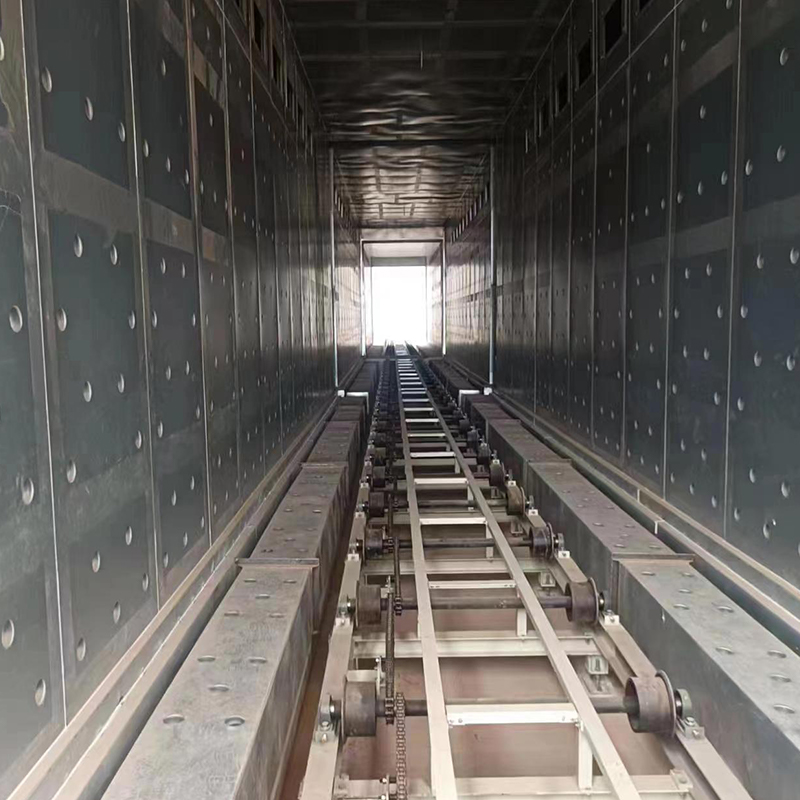
Roller table automation line, electric-driven with stable power output, mainly composed of high-quality steel rollers, drive motor, and intelligent control system. It adopts floor-mounted installation...
See Details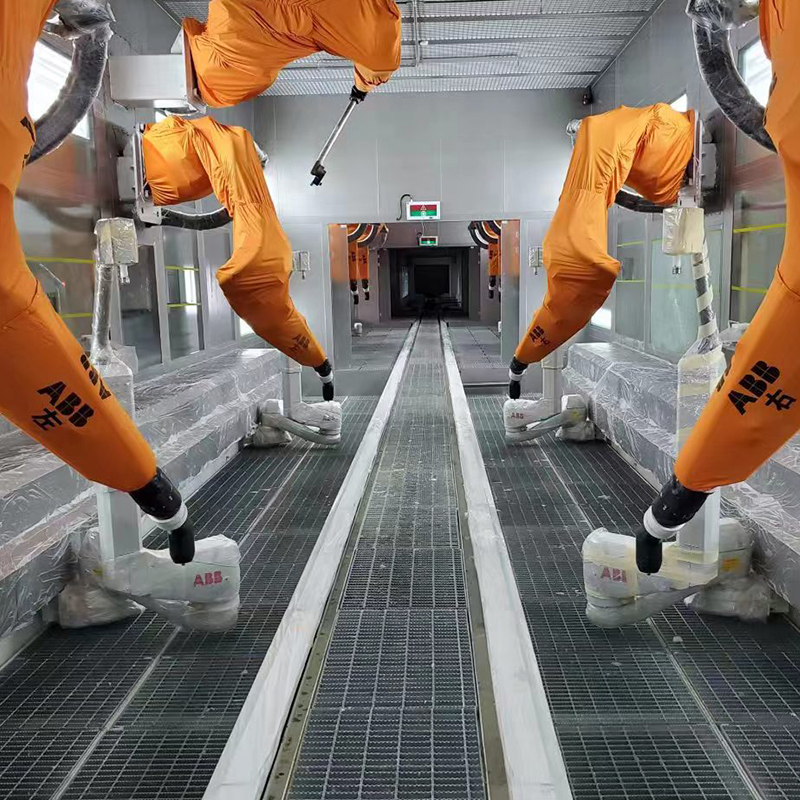
Professional spray coating line specially designed for motor casings, applicable to various motor casing types (electric vehicle motor casing, industrial motor casing, household motor casing, high-tem...
See DetailsBuild Your Customized Industrial Coating System
Send us your workpiece information, production capacity, coating process, workshop layout, and environmental requirements. Yueze will help evaluate your project and develop a suitable coating, conveying, drying, and environmental treatment solution.
Main menu
Products
Contact Us
Company Address:
No. 12, Park Avenue, Shanggang Industrial Park, Jianhu, Yancheng City, Jiangsu Province
Message Us Right Now!

Follow us: