
 русский
 عربى
 Tiếng Việt

The retractable mobile spray & sanding booth is a flexible, space-saving, and multi-functional coating workstation. With a telescopic movable structure and integrated dust & paint mist filtrat...
See Details
Yueze Environmental Protection provides one-stop compliant industrial surface treatment solutions with professional tech and fine craftsmanship.
 Get Inquiries
2026-09-30
Content
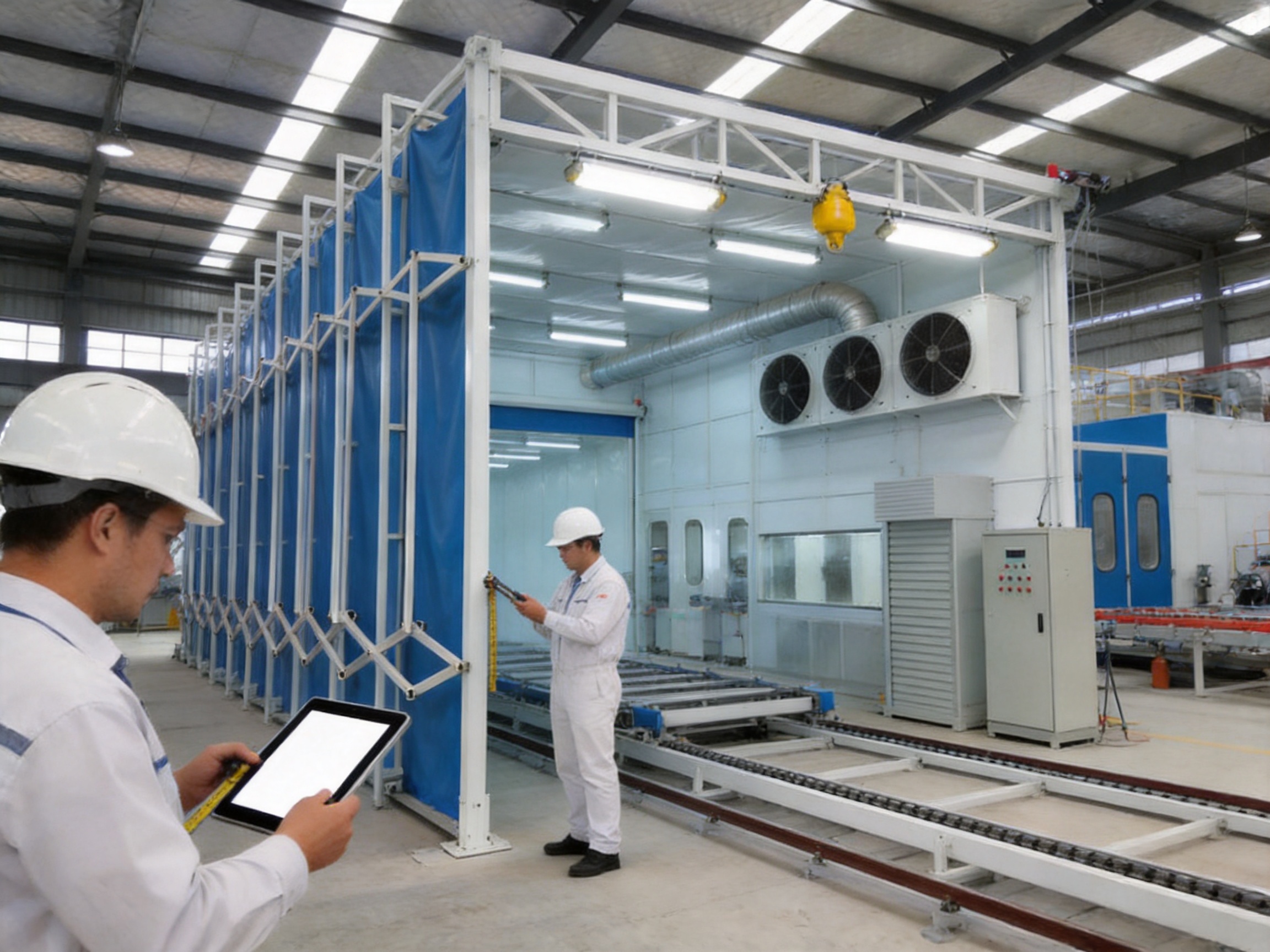
Industrial workshops increasingly need coating equipment that can support multiple processes without occupying a large permanent area. Large components, construction machinery, truck bodies, steel structures, iron furniture, and other workpieces often require surface preparation, sanding, dust removal, spraying, drying, and finishing. A conventional fixed spray booth can provide a controlled painting environment, but it also requires a dedicated workshop zone and cannot easily be adapted when production layouts change. A separate sanding room may be needed as well, further increasing investment, floor-space consumption, and maintenance requirements.
The retractable mobile spray and sanding booth provides an alternative approach. It combines a telescopic enclosure, a movable rail or base structure, ventilation equipment, filtration components, lighting, safety devices, and optional heating into one flexible workstation. The booth can be expanded when spraying or sanding is required and retracted when the operation is complete. It can also be repositioned according to the location, dimensions, and production sequence of the workpiece.
This design creates a dual-purpose coating environment. In one configuration, the booth functions as a controlled spray booth for paint application, primer coating, topcoating, or other finishing work. In another configuration, it supports sanding and preparation while collecting airborne dust. When idle, the enclosure can be contracted to release floor space for assembly, storage, transportation, or other workshop activities.
As a manufacturer of industrial coating and environmental protection equipment, Jiangsu Yue Ze Environmental Protection Equipment Co., Ltd. develops customized systems for workshops with different sizes, product types, operating conditions, and environmental requirements. The company combines equipment design, engineering, manufacturing, installation, and service to provide integrated surface-treatment solutions rather than isolated equipment components.
A retractable mobile spray and sanding booth is an enclosed or semi-enclosed industrial workstation with a telescopic structure. Its walls, roof, or enclosure sections can be extended along rails or a guided support system. When the booth is fully extended, it creates a defined working area for spray painting, sanding, or related finishing operations. When the booth is retracted, its footprint becomes much smaller, allowing the workshop to reuse the surrounding area.
The mobile function is achieved through bottom rails, wheels, guided tracks, or another engineered movement system. Depending on the workshop layout and workpiece requirements, the booth may move toward a stationary component, follow a production position, or be relocated between several workstations. This is particularly valuable when the workpiece is too large, heavy, or difficult to transport to a conventional fixed booth.
The equipment generally includes a retractable frame, enclosure panels, ventilation and exhaust assemblies, filtration units, explosion-proof lighting, electrical controls, grounding provisions, access doors or openings, and safety interlocks. The configuration can be adjusted according to the coating materials, workpiece size, required airflow, production volume, and local environmental standards.
Unlike a temporary fabric shelter or an improvised mobile enclosure, an industrial retractable booth is engineered as a complete coating system. It is designed to control airflow, contain overspray and sanding dust, support safe operator access, and provide a stable working environment. Its purpose is not simply to cover the workpiece but to integrate space utilization, ventilation, filtration, safety, mobility, and production efficiency.
Many coating workshops face a conflict between production flexibility and facility limitations. A fixed paint booth is effective when the workpiece dimensions, process route, and daily production volume remain consistent. However, workshops producing multiple product categories may need to process small parts one day and large machinery or steel assemblies the next. A fixed structure may not provide sufficient working clearance, while building several specialized booths may be financially impractical.
Large workpieces create an additional challenge. Moving a truck carriage, counterweight block, construction-machine component, or steel structure through a workshop can require cranes, forklifts, temporary disassembly, and additional handling time. In some cases, the workpiece is integrated into an assembly position and cannot be transported easily. A mobile booth can move to the workpiece instead of forcing the workpiece to move to the booth.
Floor space is another important consideration. A conventional fixed booth permanently occupies its installation area, even when no coating work is taking place. A retractable booth reduces this problem by allowing the enclosure to contract during idle periods. The reclaimed space can be used for sanding preparation, assembly, inspection, storage, or internal logistics.
Environmental and occupational health requirements also make open-air spraying and uncontrolled sanding increasingly unsuitable. Paint mist, solvent vapor, and sanding dust can spread through the workshop, contaminate nearby products, reduce visibility, and affect worker comfort. A properly designed booth creates a controlled negative-pressure environment, directing contaminated air toward the filtration and exhaust system rather than allowing it to escape freely.
The operating principle is based on coordinated movement, enclosure, airflow, and filtration. Before work begins, the booth is moved or extended into the required position. The workpiece is placed within the effective operating area, or the mobile enclosure is positioned around the workpiece. Access panels and doors are closed as required, and the ventilation system is activated. During spraying or sanding, the booth maintains airflow from the clean-air side toward the contaminated-air side.
The retractable structure usually travels along a guided rail or track. The rail design supports consistent movement and helps keep the enclosure aligned during expansion and contraction. Depending on the size and weight of the system, movement may be manual, electrically assisted, or integrated with a powered drive. The selected arrangement depends on the booth dimensions, operating frequency, floor conditions, and customer requirements.
Enclosure panels are typically designed to provide structural stability, surface protection, sound reduction, and resistance to the working environment. The panel construction may be selected according to the temperature, coating materials, cleaning methods, and expected service life. Flame-retardant and anti-static materials can be incorporated into the safety configuration where required.
The ventilation system is an essential part of the booth. Supply air and exhaust air must be balanced so that the enclosure maintains suitable negative pressure without creating excessive turbulence. Proper airflow helps move paint mist and dust toward the collection area while reducing the risk of contaminated air escaping through gaps and access points.
Filtration arrangements vary according to the process. Sanding operations may require dust collection stages capable of handling heavier particulate loads, while spray painting may require paint-mist arrestor filters or other coating-overspray collection components. The filtration design should be matched to the paint type, coating method, particle characteristics, required air volume, and applicable environmental controls.
Lighting is installed to provide clear visibility of the workpiece surface. Even illumination helps operators identify coating defects, uneven coverage, sanding marks, and contamination. Explosion-proof lights are used where the process involves flammable paint mist or vapor. Electrical components, grounding, and control systems should be selected as part of a coordinated safety design rather than added after installation.
The most recognizable advantage of this equipment is its ability to change size according to production needs. During spraying, the booth can be extended to create a larger enclosed chamber. After spraying, it can be contracted to reduce the occupied area. This is different from a conventional fixed booth, whose walls and roof remain in the same position regardless of whether the equipment is being used.
Space savings can benefit both small and large factories. A small workshop may not have enough room for separate fixed spray and sanding rooms. A larger factory may have sufficient floor area but still need to improve material flow, increase production density, or reserve space for future equipment. By reclaiming part of its footprint during idle periods, a retractable booth can support more efficient facility planning.
The design also reduces the need for permanent civil construction. Depending on the project, the booth may be installed without a complicated foundation or a large dedicated building extension. This can shorten the installation cycle and reduce the disruption caused by construction work inside an operating factory.
Space efficiency should not be evaluated only by the physical dimensions of the booth. The movement of workpieces, cranes, forklifts, operators, and maintenance personnel must also be considered. A well-planned retractable system can reduce unnecessary handling routes and allow the working zone to be opened when large items are being loaded or removed.
Compared with a fixed spray booth, the retractable model provides a more adaptable footprint. Compared with a temporary portable shelter, it provides a more engineered enclosure, more controlled airflow, stronger filtration integration, and a more durable operating structure. This combination makes it suitable for professional workshops that need both mobility and process control.
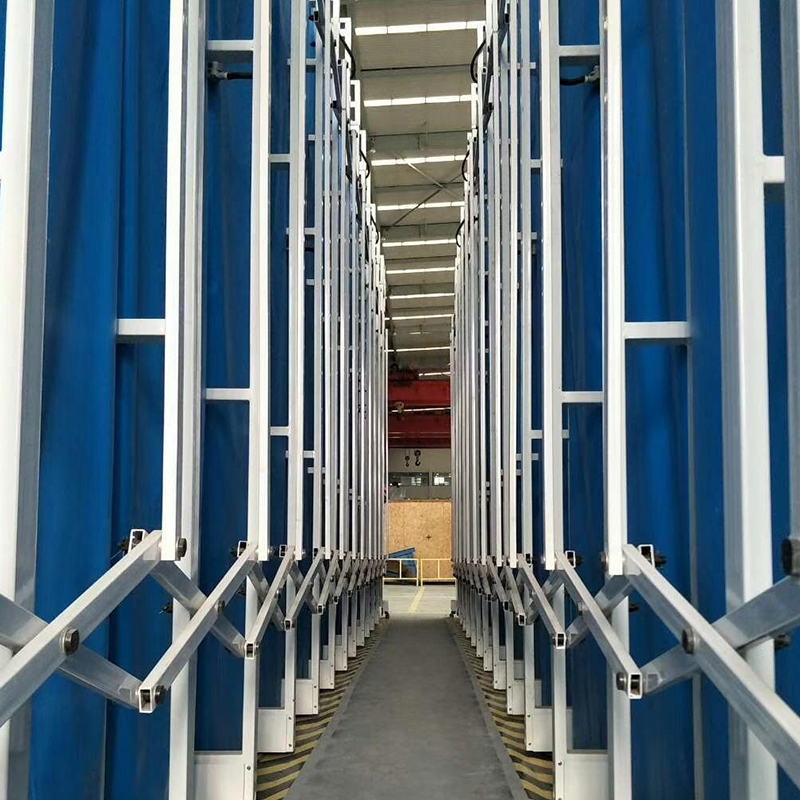
Retractable Mobile Spray and Sanding Booth
Mobility is especially valuable in industries that process large, heavy, or irregularly shaped products. Construction machinery components, truck bodies, steel structures, agricultural machinery, iron furniture, and counterweight blocks may not fit efficiently into a standard booth. Even when they fit physically, transporting them through the plant may create safety risks, require additional labor, or interrupt other production operations.
A mobile booth can be positioned close to the workpiece. The operator can prepare the surface, perform sanding, clean the component, apply primer, and spray the final coating without repeatedly transferring the workpiece between distant areas. This can shorten the internal process route and reduce the number of lifting operations.
Multiple-station operation is another potential advantage. A workshop may establish several preparation or assembly positions and move the booth to the station that requires coating. The final configuration depends on the workshop floor plan, rail arrangement, product dimensions, and production schedule. When a customer provides drawings, site dimensions, process descriptions, and workpiece information, the equipment can be designed around actual operating conditions.
Mobility also supports future layout changes. Factories may add machinery, change material routes, expand product sizes, or reorganize departments. A permanently built booth can become an obstacle when the layout changes. A mobile system offers more opportunities for relocation and adjustment, helping the coating area remain useful over a longer operating period.
Surface preparation and coating are closely connected. Before paint is applied, the surface may need grinding, sanding, polishing, cleaning, rust removal, or old-coating removal. These activities generate dust and debris. If preparation takes place in an uncontrolled area, the dust may settle on nearby products or remain suspended in the air. Contamination can later appear as coating defects, reduced adhesion, roughness, or visible particles in the finish.
The retractable mobile spray and sanding booth is designed to address both stages. During sanding, the enclosure and extraction system help collect dust at the source. During spraying, the same workstation can be configured as a controlled painting area. This reduces the need to purchase and maintain two separate fixed structures.
Using one booth for two functions can also simplify operator movement. The workpiece can remain in a suitable location while the process changes from preparation to coating. The workshop does not need to arrange an entirely separate route for each stage, provided that the operating procedure includes appropriate cleaning, filter inspection, and changeover controls.
The dual-purpose design does not mean that sanding and spraying should be performed simultaneously in the same air condition. Each process requires its own operating procedure. Dust-producing work should be completed and the enclosure should be cleaned before paint application. Ventilation, filtration, housekeeping, and equipment inspection should be managed according to the process in progress.
For workshops with moderate production volumes or varied workpieces, the dual-function design offers a strong balance between flexibility and investment. High-volume operations with a single standardized product may still benefit from dedicated automatic systems, but workshops requiring frequent product changes can gain considerable value from a booth that adapts to different tasks.
A properly designed spray and sanding booth operates under controlled negative pressure. This means that the airflow arrangement encourages air to enter the enclosure rather than allowing contaminated air to flow outward through doors, joints, or other openings. The exact pressure and airflow values depend on the enclosure dimensions, filtration resistance, exhaust capacity, and process requirements.
Negative pressure is important for protecting the surrounding workshop. During spraying, it helps contain paint mist and vapor. During sanding, it helps prevent dust from spreading into adjacent work areas. A cleaner external environment can improve working conditions, reduce housekeeping demands, and protect nearby equipment and products.
Containment also improves process consistency. Excessive uncontrolled airflow can disturb spray patterns, cause uneven deposition, or carry contaminants onto wet surfaces. A stable and appropriately directed airflow helps create a more predictable operating environment. The design must avoid both insufficient extraction and excessive turbulence, since either condition may reduce coating quality.
Filtration efficiency depends on correct filter selection, adequate filter area, proper sealing, and timely maintenance. Filters that are overloaded or incorrectly installed can increase pressure loss and reduce airflow. For this reason, operating procedures should include regular filter inspection, pressure monitoring where applicable, cleaning or replacement schedules, and safe disposal of collected residues.
The ventilation system normally includes air supply, exhaust, fans, ducts, filtration units, control devices, and discharge arrangements. The system is selected according to the booth size, workpiece geometry, coating process, expected contaminant concentration, and required air changes. A customer’s production data is essential for determining the appropriate airflow capacity.
During spray painting, the exhaust path must capture paint mist without creating an airflow pattern that interferes with application. During sanding, the extraction system must be capable of handling the quantity and type of dust produced by the abrasive process. If the booth is intended for both applications, the filtration arrangement should account for the different contaminant characteristics and maintenance requirements.
Environmental protection is a central part of industrial coating equipment. The objective is to prevent uncontrolled discharge of paint mist, dust, and other pollutants. Depending on the coating materials and local requirements, additional treatment stages may be incorporated. The final system should be evaluated against applicable environmental regulations and occupational health standards before operation.
Exhaust fans are selected for dependable operation under the expected resistance of the ductwork and filters. Explosion-proof fans are used in configurations where flammable paint mist or vapor may be present. Fan access, inspection points, electrical protection, and maintenance clearance should be considered during the engineering stage.
A reliable ventilation system is not defined only by fan capacity. It must work as part of the complete enclosure. Gaps, improperly sealed panels, unsuitable access openings, and poor duct layout can reduce the performance of an otherwise powerful fan. Integrated engineering is therefore more important than simply selecting a large exhaust motor.
Spraying and sanding involve different but related safety risks. Paint mist, solvent vapor, dust, static electricity, electrical equipment, rotating fans, and potential ignition sources must be considered. A professional booth should incorporate safety features into its initial design rather than relying solely on operator caution.
Explosion-proof fans and explosion-proof lighting are important where flammable coating materials are used. These components are selected to reduce the likelihood that electrical equipment will become an ignition source in a hazardous atmosphere. The final selection should be based on the materials, process conditions, and applicable classification requirements.
Anti-static grounding helps control the accumulation of static electricity. The booth structure, workpiece support, equipment, and relevant conductive components should be connected according to the electrical safety design. Operators should also follow procedures for grounding workpieces and inspecting connections.
Flame-retardant materials can reduce the risk of rapid flame spread within the enclosure. Safety interlocks may be used to coordinate fans, lighting, access doors, and spray equipment. For example, the control logic may prevent spraying when the ventilation system is not operating or may provide an alarm when a safety condition is not satisfied.
Noise control is also part of safe and comfortable operation. Sanding tools, exhaust fans, and airflow can create a high-noise environment. Sound-insulated wall panels and properly selected equipment may reduce noise transmission. Lower noise can improve communication, reduce operator fatigue, and contribute to a more comfortable workplace.
Safety equipment must be supported by procedures. Operators should receive training in coating-material handling, filter maintenance, grounding, ventilation checks, personal protective equipment, emergency shutdown, and fire prevention. The booth manufacturer can provide technical documentation and operating guidance, while the customer remains responsible for implementing site-specific safety management.
Temperature affects coating viscosity, atomization, drying, curing, surface appearance, and final performance. In cold seasons or low-temperature workshops, coating may become more difficult to apply consistently. An optional heating system can support a more stable working environment for painting and curing, subject to the requirements of the selected coating materials.
Forced air supply and exhaust help distribute air across the working area. Balanced airflow can reduce dead zones and improve the removal of contaminants. The air movement should be designed to support the coating process without causing excessive disturbance to the wet film.
Heating must be engineered with the same attention to safety as ventilation. The heating method, temperature controls, sensor arrangement, insulation, and interlocks should be compatible with the coating process and the potential presence of flammable vapors. The appropriate heating arrangement depends on the customer’s materials, required temperature range, production cycle, and local regulations.
Temperature control is not required for every application. Some workshops operate under stable indoor conditions and may only need ventilation and filtration. Others require heating for winter operation or for specific curing requirements. A customized design allows the customer to select the functions that provide genuine production value rather than paying for unnecessary equipment.
Fixed spray booths remain appropriate for high-volume, standardized production where the same process is repeated in a permanent location. However, they may be less suitable for workshops with changing product dimensions, limited floor space, or large workpieces that are difficult to move. The retractable mobile booth provides several advantages in these conditions.
First, it offers a reclaimable footprint. The booth occupies its full working area during spraying or sanding but can be contracted when the operation ends. A fixed booth continues to occupy its dedicated area regardless of utilization.
Second, it combines mobility with enclosure. A fixed booth requires the workpiece to be transported to the booth. A mobile booth can be taken closer to the workpiece, which may reduce lifting, handling, and internal logistics.
Third, it supports two related processes. A fixed spray booth generally focuses on coating, while sanding may require a separate preparation room. A retractable spray and sanding booth can support both functions when operated under appropriate changeover and cleaning procedures.
Fourth, it can reduce civil construction requirements. A fixed building enclosure may require a larger permanent foundation, structural work, and dedicated utilities. The specific installation requirements vary, but a retractable system can often be assembled more quickly and with less disruption to the existing workshop.
Finally, the mobile system provides greater layout flexibility. If the production route changes, the booth can potentially be repositioned or its operating area can be adapted. This flexibility can be especially valuable for contract manufacturers, maintenance facilities, and factories with a wide range of product sizes.
Temporary portable booths may appear attractive because they are easy to relocate and often have a low initial cost. However, not all portable structures are suitable for demanding industrial use. Lightweight shelters may lack sufficient structural stability, airflow control, filtration capacity, sound insulation, or long-term durability.
An industrial retractable booth is designed for repeated expansion and contraction. Its movement system, frame, panels, and controls are selected for regular operation rather than occasional temporary use. The booth can be integrated with purpose-designed ventilation, filtration, lighting, grounding, and safety equipment.
The difference is also visible in process control. A simple portable enclosure may reduce overspray visibility but may not establish a consistent negative-pressure environment. A professionally engineered system is designed around actual airflow, filtration, access, and exhaust requirements. This supports better control of the working environment and more reliable coating operations.
Durability is another consideration. Industrial equipment must withstand repeated cleaning, contact with tools and workpieces, fan vibration, filter replacement, and exposure to coating materials. Material selection and manufacturing quality influence service life, maintenance frequency, and total cost of ownership.
For workshops that require a professional production solution rather than an occasional temporary shelter, the retractable mobile booth offers a stronger combination of mobility, safety, environmental control, and operational reliability.
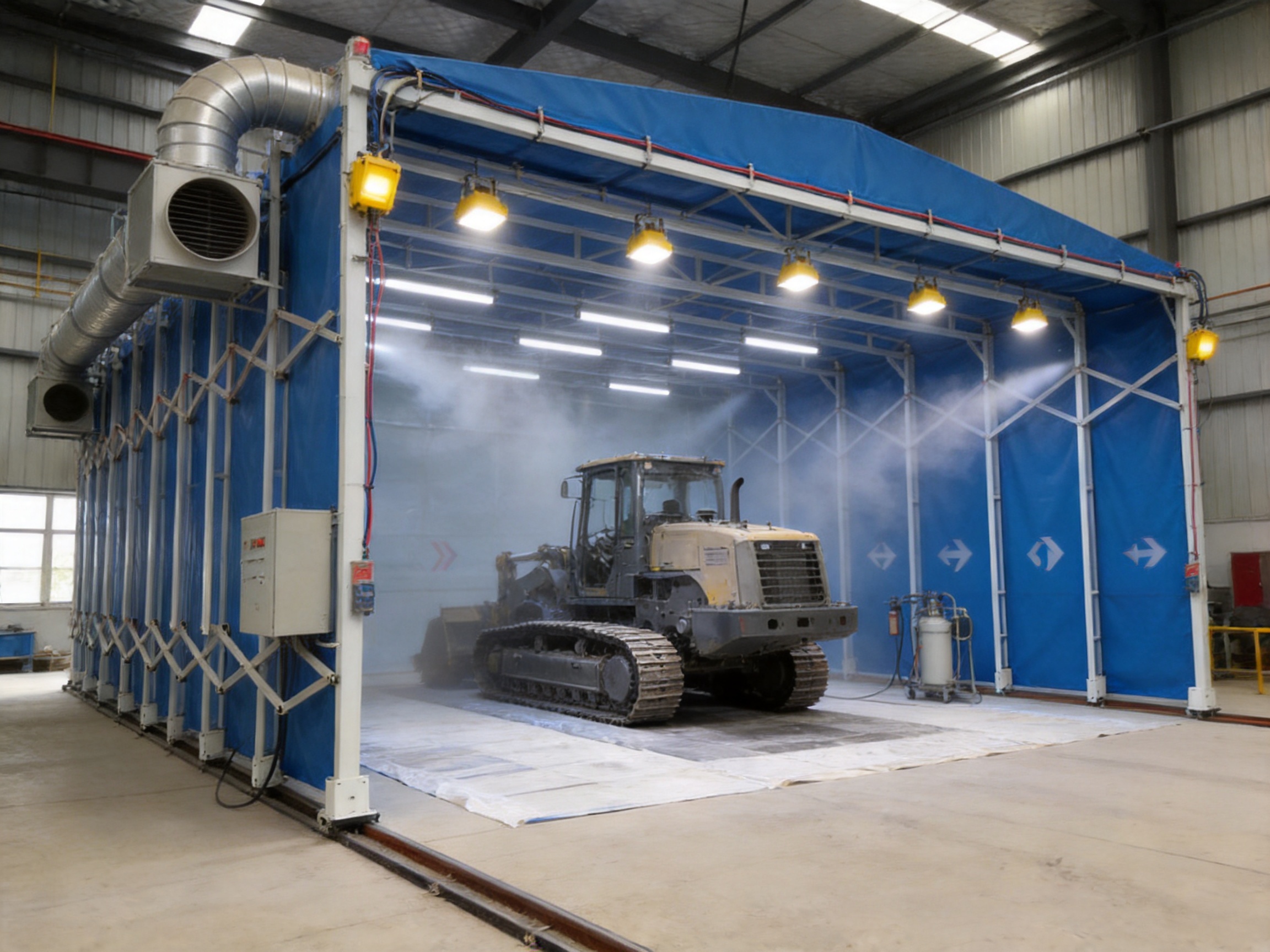
The performance of a retractable booth depends heavily on engineering quality. A successful project requires more than fabricating a frame and installing a fan. The manufacturer must understand the relationship between the workpiece, coating process, airflow, filtration, electrical safety, structural movement, workshop layout, and environmental requirements.
Jiangsu Yue Ze Environmental Protection Equipment Co., Ltd. is located in Yancheng, Jiangsu, China, and covers approximately 35,000 square meters. With registered capital of 58 million yuan and more than 40 years of experience, the company has developed capabilities across industrial coating equipment, environmental protection systems, automatic conveying, surface treatment, and related production-line engineering.
The company’s product range includes powder coating lines, electric vehicle assembly lines, automotive counterweight spray lines, paint and bake booths, large-part grinding rooms, waste-gas treatment equipment, infrared radiation drying systems, automated conveying systems, intelligent coating lines, and other environmental protection equipment. This broader product knowledge supports the development of booths that can be integrated into complete production processes.
Rather than treating the booth as an isolated enclosure, the engineering team can consider how it connects with preparation, spraying, drying, conveying, inspection, and waste-treatment operations. This integrated approach is important for customers who need more than a standard catalog product.
The company provides research and development, manufacturing, installation, and customized equipment solutions. Customer requirements may include extended and retracted dimensions, rail direction, enclosure height, workpiece access, ventilation volume, filter configuration, lighting, heating, control systems, and safety components. Customization allows the equipment to match the workshop instead of forcing the workshop to conform to a standard machine.
Manufacturing begins with technical communication and project evaluation. The customer’s workpiece drawings, maximum dimensions, weight, coating materials, production volume, process sequence, workshop dimensions, crane height, existing ventilation, and local environmental requirements should be reviewed. This information supports a preliminary layout and helps identify technical risks before fabrication.
The structural design stage focuses on the frame, telescopic movement, support points, rail system, panel arrangement, access openings, and maintenance spaces. Engineers must ensure that the extended structure provides adequate working clearance and that the retracted configuration remains stable and practical for the available floor area.
The airflow design stage evaluates supply, exhaust, filtration, pressure balance, fan capacity, duct routing, and discharge arrangements. The system must be designed for the intended process rather than based only on the booth’s external dimensions. Large or irregular workpieces may require special attention to airflow distribution and extraction positions.
After the design is confirmed, manufacturing involves material preparation, component processing, frame fabrication, panel production, rail assembly, ventilation-unit fabrication, electrical integration, and surface finishing. Dimensional accuracy is important because the moving sections must align correctly during repeated expansion and contraction.
Quality control should be applied to structural components, welds, fasteners, moving assemblies, electrical connections, filters, fans, lights, and control functions. Factory assembly or partial pre-assembly may be used to verify fit and operation before shipment. This can reduce installation difficulties at the customer’s site.
Equipment commissioning includes checking movement, enclosure alignment, ventilation direction, fan operation, lighting, grounding, control logic, access safety, and filter installation. Where required, airflow and pressure performance can be evaluated using suitable commissioning methods. The goal is to ensure that the equipment operates as designed under actual workshop conditions.
Different industries require different booth dimensions and process arrangements. A truck-body workshop may need a long and high enclosure with broad side access. A construction-machinery facility may require a large mobile system capable of approaching irregular components. An iron-furniture producer may prioritize repeated movement, coating efficiency, and convenient loading. A steel-structure manufacturer may require an extended working area and specialized crane compatibility.
Surface preparation requirements also vary. Some components require heavy sanding or grinding before painting, while others need only light preparation. The dust-collection capacity, filter stages, cleaning access, and operator protection should reflect the process intensity.
Coating materials influence the design as well. Water-based coatings, solvent-based paints, primers, topcoats, and specialized industrial finishes may have different ventilation and safety considerations. The manufacturer should receive accurate material information so that fans, lighting, grounding, filtration, and heating options can be evaluated correctly.
The booth can also be adapted to the workshop’s movement strategy. Some customers may require a manual rail-mounted structure for occasional use. Others may need powered movement for frequent operation or larger systems. Control panels can be positioned according to operator access, and safety devices can be arranged around the actual loading and unloading route.
Customization is most effective when it is based on measurable production data. Approximate workpiece dimensions, maximum height, average weight, daily operating time, coating consumption, filter replacement frequency, and available utilities all help create a more suitable design.
Installation planning should begin before the equipment arrives. The workshop should confirm the floor condition, available space, power supply, exhaust route, access for delivery, lifting equipment, and connection points. The rail or movement path must be clear of obstacles and should be checked for level and alignment.
Because the booth is designed for flexible installation, extensive civil construction may not be necessary in every project. Nevertheless, the floor must be capable of supporting the equipment and allowing safe movement. Any required foundation, embedded rail, drainage, duct support, or electrical work should be completed according to the approved layout.
During assembly, the frame, telescopic sections, panels, rails, fans, filters, lights, control cabinet, and safety components are installed and checked. The movement system should be tested through its full operating range. The booth must extend and retract smoothly without excessive friction, interference, or misalignment.
Commissioning should include no-load and operating-condition checks. The ventilation system should be tested with filters installed, since filter resistance affects actual performance. Operators should be trained in movement controls, process changeover, filter inspection, cleaning, emergency shutdown, and safe use of the enclosure.
Documentation is an important part of delivery. It may include equipment drawings, electrical diagrams, operating instructions, maintenance schedules, safety information, spare-parts recommendations, and commissioning records. Clear documentation helps the customer maintain the equipment and establish consistent operating procedures.
Routine maintenance protects both coating quality and equipment life. Filters should be inspected regularly and replaced or cleaned according to their condition and the manufacturer’s recommendations. A blocked filter increases airflow resistance, reduces extraction performance, and may place additional load on the fan.
Fans, motors, bearings, belts, electrical connections, lights, grounding points, rails, wheels, and moving guides should be checked at planned intervals. The telescopic structure should be kept free of overspray, dust, and debris that could affect movement. Rails and guide components should be maintained according to the equipment design.
The enclosure should be cleaned after sanding and before switching to spraying. Accumulated dust and overspray may affect coating quality and increase fire or maintenance risks. Cleaning methods should be compatible with the panel materials, filters, electrical components, and coating residues.
Operators should report abnormal vibration, noise, airflow, movement resistance, filter pressure, lighting failure, or control alarms. Early attention to these conditions can prevent more serious downtime. A maintenance record can help identify recurring problems and support timely replacement of wear parts.
Long-term performance depends on correct use as well as robust manufacturing. The booth should not be overloaded beyond its design limits, and workpieces should be positioned so that airflow and operator access are not blocked. Regular training is especially important when different teams share the equipment.
| Booth Type | Space Requirement | Mobility | Typical Application | Main Consideration |
|---|---|---|---|---|
| Fixed spray booth | Permanent dedicated area | Low | High-volume, standardized spraying | Requires continuous allocation of floor space |
| Retractable mobile spray and sanding booth | Flexible and reclaimable footprint | High | Multi-purpose workshops and large components | Requires coordinated movement, ventilation, and maintenance |
| Separate sanding room and spray booth | Two dedicated areas | Usually low | High-throughput specialized production | Higher facility and equipment investment |
| Temporary portable enclosure | Small to moderate, depending on design | High | Occasional or temporary painting | May provide less structural and airflow control |
The comparison shows that no single booth type is ideal for every production environment. A fixed booth may be the most efficient choice for a high-volume line with stable products. A separate sanding room and spray booth may suit a large plant with sufficient capital and floor area. A temporary enclosure may be adequate for occasional work. The retractable mobile model is particularly suitable for customers that need professional process control while retaining layout flexibility.
The first selection factor is the maximum workpiece size. Customers should provide length, width, height, irregular projections, weight, loading method, and required operator clearance. The booth must provide sufficient space for safe movement and effective coating access, not merely enough room for the workpiece outline.
The second factor is the process combination. If the booth will be used for both sanding and spraying, the filtration and cleaning procedures must address both dust and paint mist. The manufacturer should understand how frequently the process changes and whether the same workpiece remains in position during the changeover.
The third factor is production volume. Daily operating hours, number of workpieces, coating consumption, and required cycle time influence the ventilation capacity, movement method, filter size, and maintenance interval. A system designed for occasional use may not be appropriate for continuous production.
The fourth factor is the workshop environment. Ceiling height, crane paths, floor condition, neighboring equipment, access doors, power supply, exhaust route, and environmental restrictions all influence the final design. Site measurements and layout drawings are essential for avoiding installation conflicts.
The fifth factor is safety and compliance. The coating materials, solvent characteristics, dust type, electrical classification, grounding requirements, fire-protection rules, and occupational health standards should be reviewed. The system should be configured in accordance with the regulations applicable to the customer’s location and process.
The sixth factor is total cost of ownership. Initial purchase price is only one part of the decision. Energy consumption, filter replacement, maintenance labor, downtime, civil construction, internal handling, and future layout flexibility also affect the economic result. A booth that reduces workpiece handling and eliminates the need for a second fixed room may provide value beyond its initial equipment cost.
Construction machinery parts are often large, heavy, and irregular. Moving them to a fixed booth may require forklifts or overhead cranes and can create congestion. A mobile booth can be positioned at the preparation or assembly station, allowing operators to complete sanding and spraying with fewer transfers.
Truck bodies and carriages require long working areas and clear access around multiple surfaces. A retractable enclosure can be extended to cover the required length and contracted after the coating process. Its mobile layout can help the workshop adapt to different vehicle dimensions.
Steel structures may vary significantly from one project to another. A flexible booth provides a more adaptable coating environment than a fixed chamber with limited dimensions. The design can be customized for the workshop’s lifting equipment, product route, and ventilation requirements.
Metal furniture producers may process batches of different shapes and sizes. A dual-purpose booth supports preparation and painting while reducing the need for separate permanent spaces. The equipment can be integrated into a broader coating line or used as a flexible workstation.
Counterweight blocks and castings may require finishing, polishing, primer application, and topcoating. The manufacturer’s experience with counterweight spray processes and hanging automatic painting lines supports the development of equipment for related surface-treatment applications.
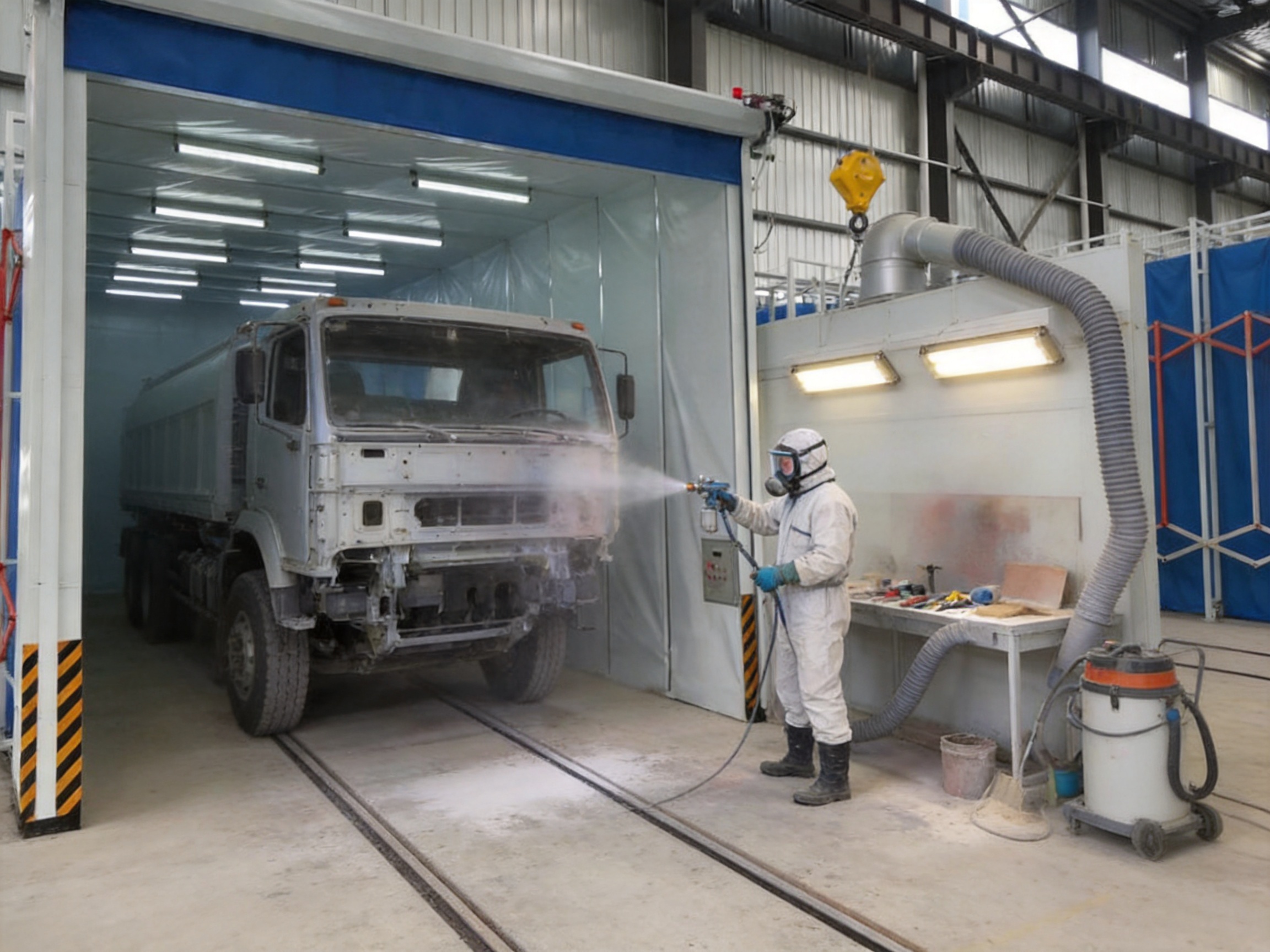
The main benefit is the combination of professional process control with a flexible footprint. The booth can be extended for spraying or sanding, moved closer to different workpieces, and retracted when idle. This helps workshops reduce permanent space occupation while supporting multiple surface-treatment tasks.
Yes. The booth is designed as a dual-purpose workstation. Sanding should be completed with appropriate dust extraction and housekeeping, followed by cleaning and process changeover before spraying. The filtration, airflow, and operating procedures should be configured for the specific materials and processes.
The enclosure operates with controlled ventilation and negative pressure. Air is directed through the working area toward the exhaust and filtration system. The filtration arrangement is selected according to the contaminant type, coating materials, sanding intensity, airflow volume, and applicable environmental requirements.
Yes. Bottom rails, tracks, wheels, or a powered movement system can be incorporated according to the booth size and customer requirements. The movement arrangement allows the enclosure to be positioned near different workpieces or production stations.
Many installations can be completed without complicated civil construction, but the exact requirements depend on the equipment size, rail arrangement, floor condition, exhaust route, and local installation conditions. The site should be evaluated before manufacturing so that any required foundation or support work can be planned.
Yes. The extended and retracted dimensions, enclosure height, rail direction, access arrangement, ventilation capacity, filtration system, lighting, heating, and controls can be customized. The design should be based on the maximum workpiece dimensions, production route, and available workshop space.
Typical safety components include explosion-proof fans, explosion-proof lights, anti-static grounding, flame-retardant materials, ventilation interlocks, emergency shutdown controls, and suitable electrical protection. The final configuration depends on the coating materials, dust characteristics, process conditions, and applicable regulations.
Yes. One of its major applications is bringing the booth to large or fixed workpieces. This can reduce the need to move heavy components through the workshop. The booth dimensions, movement path, crane clearance, and airflow arrangement must be designed around the actual product.
An optional heating system can be included where constant-temperature painting or curing is required. Heating selection must consider the coating materials, temperature range, ventilation, safety classification, and local standards. Some workshops may only require ventilation and filtration without heating.
Replacement frequency depends on coating consumption, sanding dust generation, operating hours, filter type, and pressure loss. Filters should be inspected regularly and replaced or cleaned when their condition indicates reduced performance. A maintenance schedule should be established during commissioning.
Useful information includes workpiece drawings, maximum and minimum dimensions, weight, coating materials, sanding and spraying processes, daily production volume, workshop layout, ceiling height, crane information, available power, exhaust restrictions, preferred movement method, and local environmental requirements.
The manufacturer combines experience in paint and bake booths, large-part grinding rooms, powder coating lines, automatic conveying systems, drying systems, waste-gas treatment, and intelligent coating equipment. This broader engineering background supports customized booth design and integration with complete surface-treatment processes.
A retractable mobile booth interacts with many parts of a factory. Its performance depends on the enclosure, movement system, ventilation, filtration, electrical controls, safety devices, and operating procedures working together. Purchasing unrelated components from different suppliers may create difficulties in interface design, commissioning, responsibility allocation, and after-sales support.
An integrated manufacturer can evaluate the complete process and coordinate the major subsystems. It can also consider whether the booth should connect with conveyors, drying equipment, environmental treatment, automatic spraying, or other production-line components. This reduces the risk that one subsystem will limit the performance of another.
Jiangsu Yue Ze Environmental Protection Equipment Co., Ltd. provides one-stop compliant industrial surface-treatment solutions. Its experience includes research and development, equipment manufacturing, installation, customization, and service. The company’s approach emphasizes strict quality control, advanced production technology, customer-focused engineering, green manufacturing, integrity, and long-term cooperation.
The company’s history includes the development of a hanging automatic painting process line for casting counterweight blocks in 2014. The line covered processes from finishing and polishing to primer and topcoat application. This experience reflects the company’s ability to consider complete process routes rather than focusing only on a single booth or machine.
For customers seeking a retractable mobile spray and sanding booth, this engineering background can be valuable. The final equipment can be developed around the actual production problem: limited space, large workpieces, dust control, coating quality, environmental treatment, safety, or the need to combine several operations in one workstation.
The retractable mobile spray and sanding booth is a practical solution for workshops that need flexibility, space efficiency, and controlled surface treatment. Its telescopic structure expands when work is required and contracts when the area must be reused. Its mobile base allows the booth to move closer to large or difficult-to-transport workpieces. Its dual-function design supports sanding and spraying within one engineered workstation.
Additional advantages include negative-pressure operation, integrated dust and paint-mist filtration, optional heating, sound insulation, explosion-proof components, anti-static grounding, and reduced installation requirements. Compared with fixed booths, it offers a more adaptable footprint and layout. Compared with temporary portable enclosures, it provides stronger structural, ventilation, safety, and environmental-control capabilities.
The best results depend on correct customization. Workpiece dimensions, coating materials, sanding intensity, production volume, workshop layout, airflow requirements, environmental regulations, and safety conditions must all be considered. A manufacturer with experience in paint booths, grinding rooms, coating lines, conveying systems, drying equipment, and waste-gas treatment can provide a more coordinated solution.
With more than 40 years of experience and a broad industrial equipment portfolio, Jiangsu Yue Ze Environmental Protection Equipment Co., Ltd. is positioned to design and manufacture customized surface-treatment systems for different industries. Its combination of engineering development, production capability, installation support, environmental technology, and customer-oriented service helps workshops build safer, cleaner, and more flexible coating operations.
1. Jiangsu Yue Ze Environmental Protection Equipment Co., Ltd., product information for retractable mobile spray and sanding booths.
2. Jiangsu Yue Ze Environmental Protection Equipment Co., Ltd., company profile and industrial surface-treatment equipment capabilities.
3. General industrial guidance on spray-booth ventilation, paint-mist control, and negative-pressure enclosure design.
4. General occupational health guidance on sanding-dust collection, filtration maintenance, and operator protection.
5. General engineering principles for industrial coating-line layout, automated conveying, drying systems, and waste-gas treatment.
6. General safety practices for explosion-proof electrical equipment, anti-static grounding, and coating-process risk control.
The retractable mobile spray & sanding booth is a flexible, space-saving, and multi-functional coating workstation. With a telescopic movable structure and integrated dust & paint mist filtrat...
See Details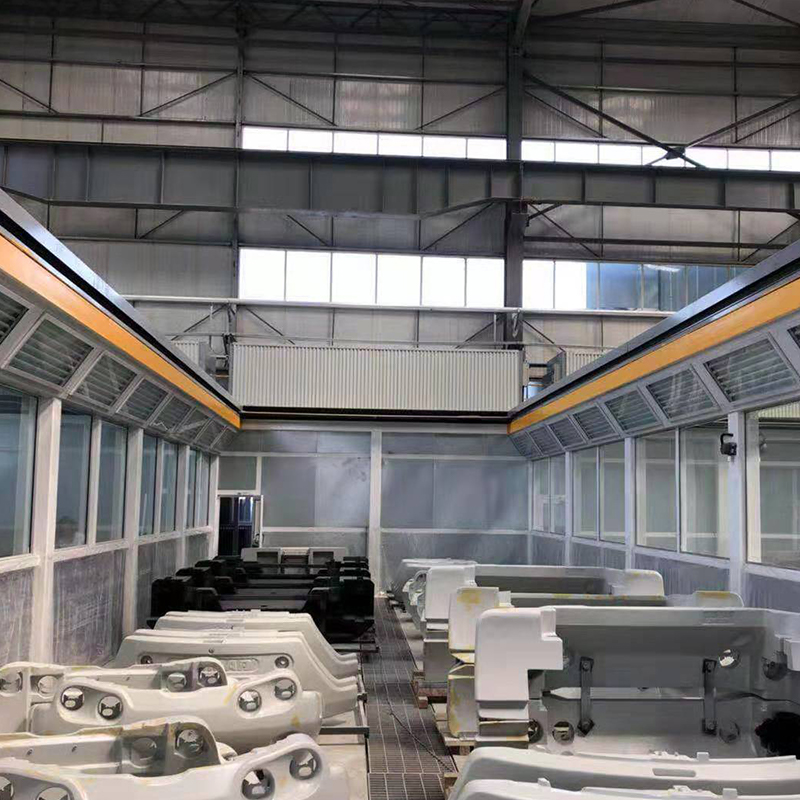
The retractable mobile spray & sanding booth is a flexible, space-saving, and multi-functional coating workstation. With a telescopic movable structure and integrated dust & paint mist filtrat...
See Details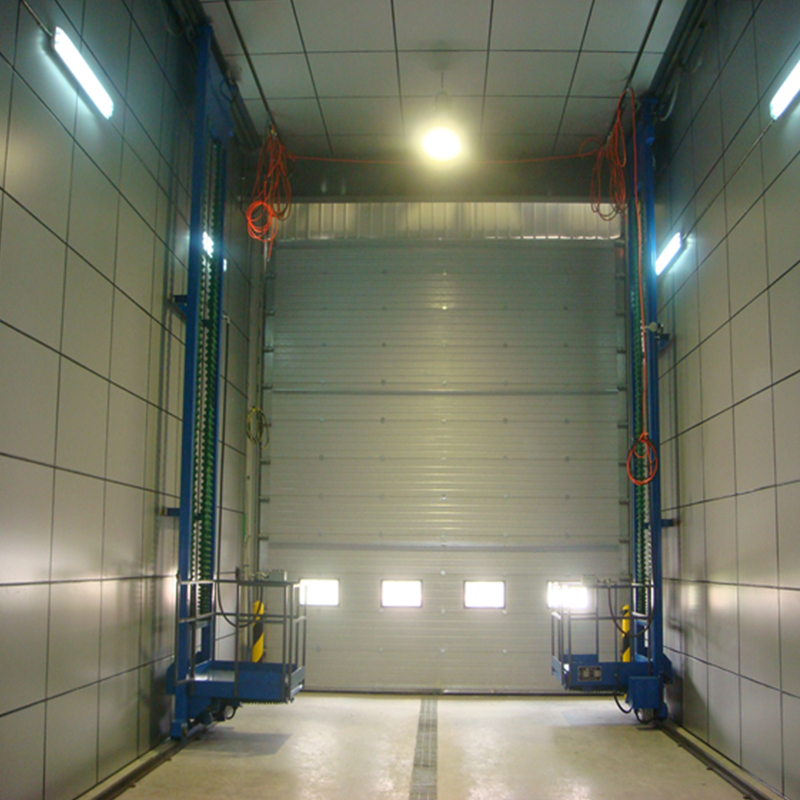
We supply high-quality blasting room and automatic shot blasting machines. The equipment adopts mature surface treatment technology, realizing rust removal, oxide layer cleaning and surface roughening...
See Details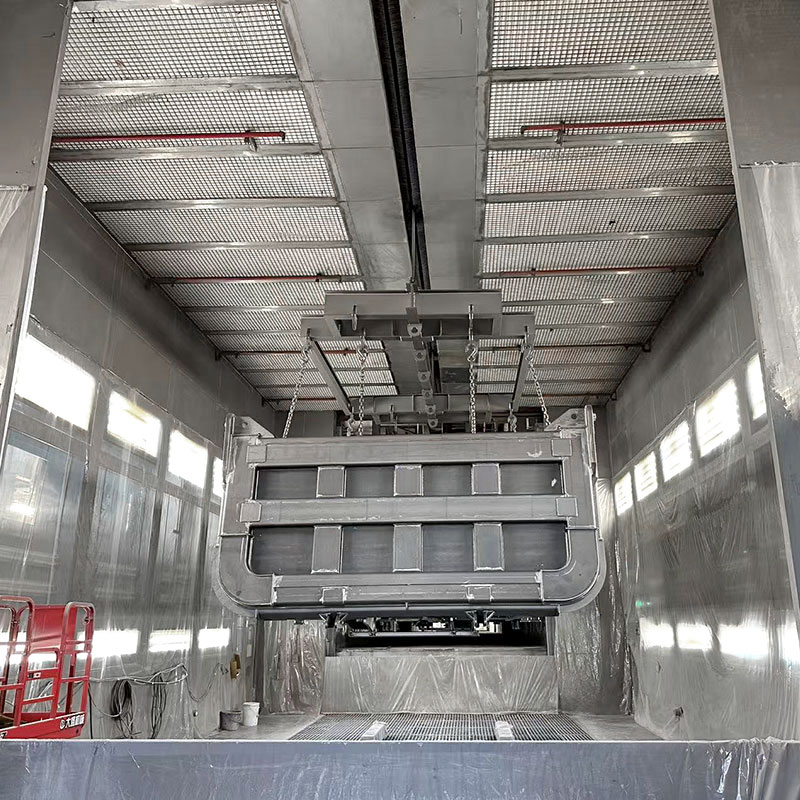
Manual spray booth is a small & economical painting workstation, designed for manual spraying operation. Equipped with efficient paint mist filtration and exhaust system, it ensures clean air and ...
See Details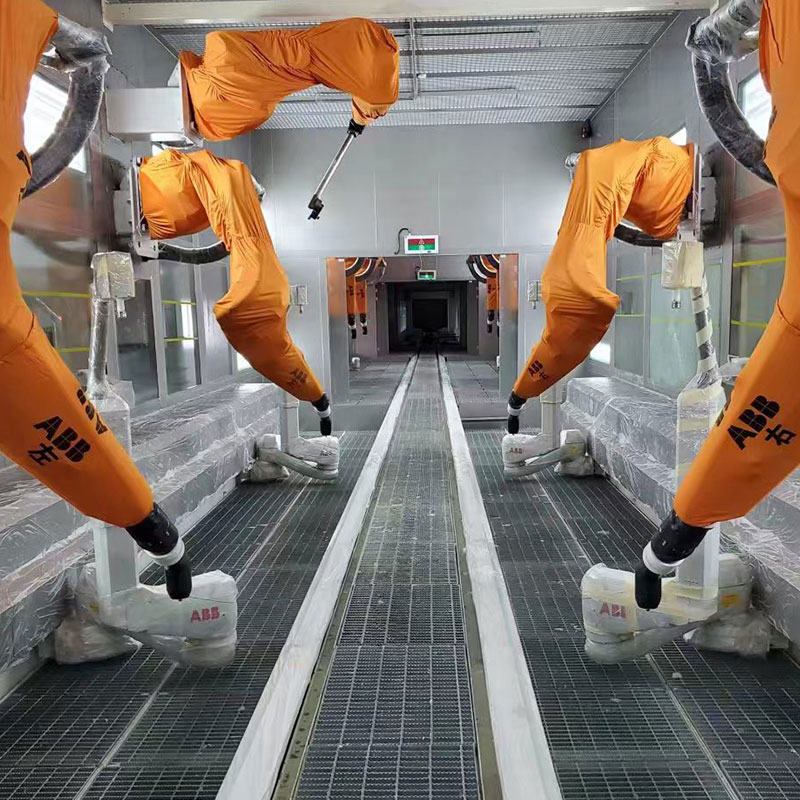
An automatic robotic spray booth is an intelligent, unmanned coating system. Equipped with a robot spraying system, constant temperature air circulation, and a high-efficiency exhaust filtration syste...
See Details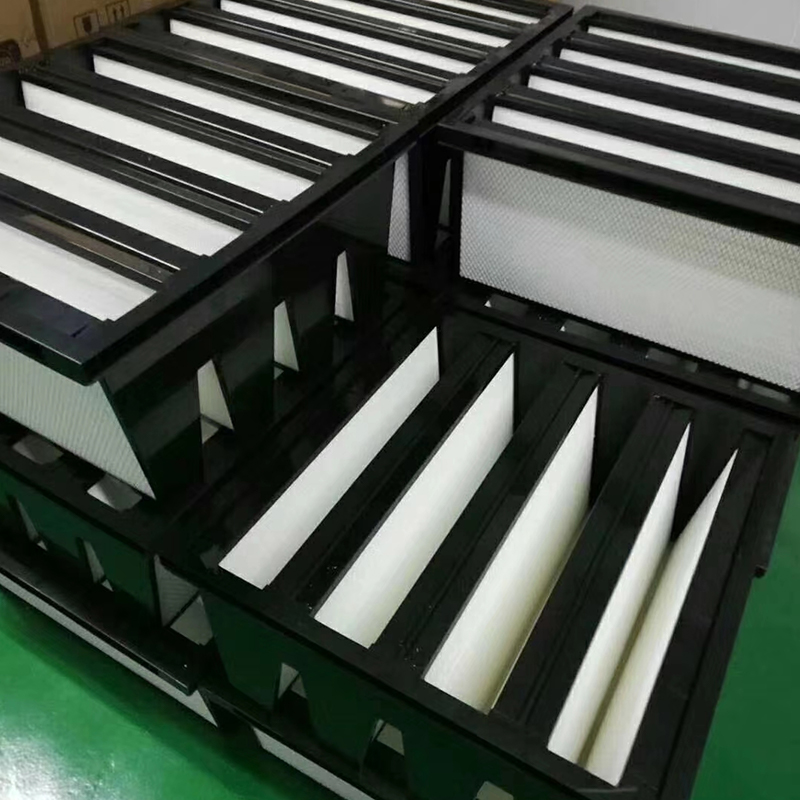
Dry-Type Paint Mist Filter is a core component for paint mist treatment, mainly made of high-quality filter materials (glass fiber, activated carbon, non-woven fabric). It has dense and uniform filter...
See DetailsBuild Your Customized Industrial Coating System
Send us your workpiece information, production capacity, coating process, workshop layout, and environmental requirements. Yueze will help evaluate your project and develop a suitable coating, conveying, drying, and environmental treatment solution.
Main menu
Products
Contact Us
Company Address:
No. 12, Park Avenue, Shanggang Industrial Park, Jianhu, Yancheng City, Jiangsu Province
Message Us Right Now!

Follow us: