
 русский
 عربى
 Tiếng Việt

An electrophoretic coating line is a complete automatic surface treatment system. Through electrophoretic deposition, a uniform, dense, and anti-corrosion coating is formed on the metal surface. The w...
See Details
Yueze Environmental Protection provides one-stop compliant industrial surface treatment solutions with professional tech and fine craftsmanship.
 Get Inquiries
2026-10-26
Content
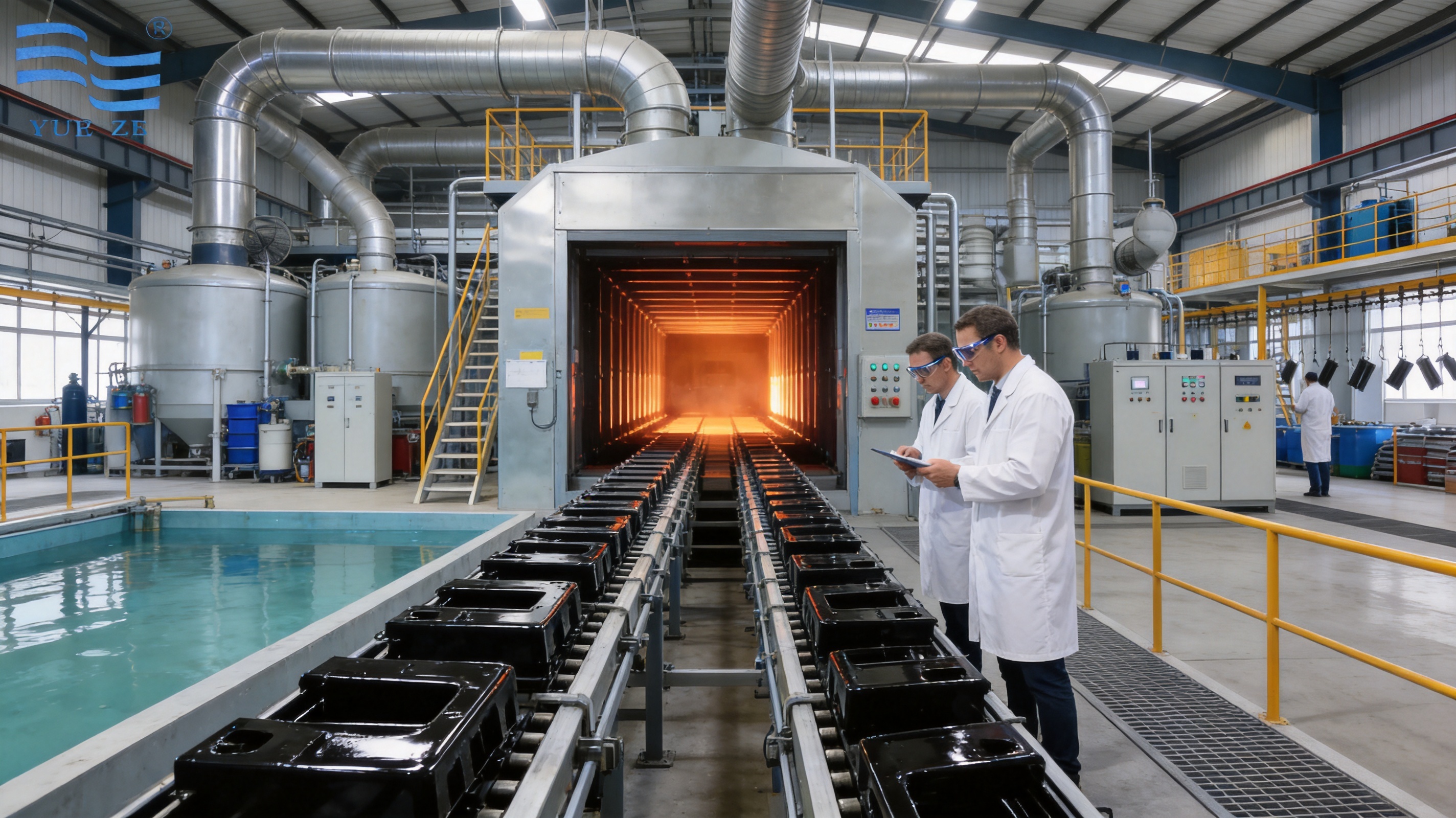
Electrophoretic coating lines provide a highly controlled method for applying protective primer to conductive metal components. Unlike conventional spray painting, which depends heavily on gun position, operator technique, and line-of-sight access, electrophoretic deposition uses an electrical field to move charged paint particles toward the workpiece. This makes it possible to create a consistent coating on outer surfaces, recessed areas, edges, gaps, and many internal cavities.
A complete electrophoretic coating line combines pretreatment, electrophoretic deposition, ultrafiltrate rinsing, paint recovery, curing, conveying, process control, wastewater treatment, and exhaust management into one coordinated production system. The result is a reliable and repeatable surface treatment process for automotive components, agricultural machinery, construction equipment, fabricated metal parts, electrical enclosures, hardware, and other products requiring strong corrosion protection.
Jiangsu Yue Ze Environmental Protection Equipment Co., Ltd. designs and manufactures customized coating production systems for customers requiring integrated surface treatment, painting, drying, conveying, and environmental protection equipment. Based in Yancheng, Jiangsu, China, the company occupies approximately 35,000 square meters and has a registered capital of 58 million yuan. With more than 40 years of experience in industrial equipment and coating-line engineering, it provides solutions covering design, manufacturing, installation, commissioning, and technical support.
The following article explains the operating principles, main equipment, performance advantages, customization options, manufacturing capabilities, and practical selection considerations associated with modern electrophoretic coating lines.
An electrophoretic coating line is an automated production system that applies water-based paint to electrically conductive metal parts through an electric current. The workpiece is immersed in an electrophoretic paint bath and connected as one electrode, while the paint particles carry an opposite electrical charge. When direct current is applied, the charged particles migrate through the bath and deposit onto the metal surface.
As the deposited film becomes thicker, its electrical resistance increases. This naturally slows further deposition and produces a self-limiting coating effect. Because the process is driven by electrical conductivity rather than direct spray access, paint can reach many areas that are difficult to coat evenly with conventional spray equipment.
After deposition, the workpiece passes through one or more rinsing stages. These stages remove non-deposited paint from the surface and recover usable material for return to the coating bath. The coated workpiece then enters a curing oven, where controlled heat causes the deposited film to harden and develop its final protective properties.
A full line normally includes the following major sections:
Loading and unloading stations for workpiece handling.
Overhead or floor-mounted conveying equipment.
Precleaning and degreasing tanks.
Water rinsing and surface-conditioning tanks.
Phosphating or other conversion-treatment stages.
An electrophoretic coating tank with circulation and filtration systems.
Ultrafiltrate and recovery-rinse equipment.
Drainage and liquid-management sections.
Curing or baking ovens.
Electrical control, monitoring, and safety systems.
Wastewater, exhaust, and environmental treatment equipment.
The exact configuration depends on the workpiece dimensions, production output, coating chemistry, required corrosion resistance, available factory space, and whether the e-coating process must connect with existing topcoat equipment.
Electrophoretic coating is most commonly used as a primer or base-coat process. It creates a strongly bonded protective layer before the component receives a decorative or functional topcoat. The primer helps seal the metal surface, improves resistance to moisture and corrosion, and provides a stable foundation for liquid paint or powder coating.
In many industrial applications, the primer must protect areas that are difficult to access after assembly. Hollow sections, boxed structures, narrow channels, corners, and recessed areas can become corrosion initiation points if they receive insufficient coating. Electrophoretic deposition helps reduce this risk by allowing charged paint particles to travel toward conductive surfaces throughout the immersed workpiece.
The process is particularly useful for standardized, high-volume parts. Once the electrical parameters, bath conditions, pretreatment stages, conveyor speed, and curing profile have been established, the line can repeat the same process with limited variation. This supports consistent production quality and reduces dependence on manual spraying skill.
Although e-coating is highly effective as a primer, it may not provide the final appearance, color range, texture, or exterior durability required for every product. For this reason, many systems are designed as part of a larger production route that includes powder coating or liquid topcoat application after curing. The electrophoretic layer provides corrosion protection, while the topcoat supplies color, gloss, texture, weatherability, chemical resistance, or other appearance requirements.
One of the principal advantages of electrophoretic deposition is its ability to provide broad and consistent coverage on conductive workpieces. The electrical field draws paint particles toward the available metal surface, including many recessed and partially enclosed areas. This differs from spray application, where the coating path is influenced by the spray angle, gun distance, air movement, masking, and operator access.
The coating does not need to be directed individually toward every surface. As long as a suitable electrical path exists and the bath can contact the workpiece, the deposition process can reach areas that would otherwise be challenging to coat. This makes the technology suitable for frames, brackets, structural parts, vehicle components, cabinets, castings, and other products with complicated geometries.
Uniform coverage does not mean that every geometry can be coated without engineering consideration. Drainage, air entrapment, part orientation, electrical contact, bath circulation, and curing access must all be evaluated during line design. Yueze’s engineering approach considers these factors when developing workpiece fixtures, conveyor layouts, tank dimensions, and process sequences.
Electrophoretic deposition has a self-limiting characteristic. As the coating builds, the deposited film becomes less electrically conductive, which reduces the rate of further deposition. This helps produce a more consistent film than a manual or semi-automatic spray process in which thickness can vary according to the distance and movement of the spray gun.
Consistent film thickness supports predictable corrosion performance and reduces the need for excessive paint application. Applying too little coating can create weak points, while applying too much can increase material consumption, extend curing requirements, or affect the fit of assembled components. A well-controlled e-coating line seeks to balance protection, appearance, process speed, and material efficiency.
The performance of an electrophoretic coating depends on the complete process rather than the coating bath alone. Degreasing removes oil and contamination, rinsing removes process residues, and phosphating or another conversion treatment improves the surface condition for primer adhesion. When these stages are correctly controlled, the deposited coating can bond strongly to the metal substrate.
A properly cured e-coat provides a dense barrier against moisture and corrosive agents. It also improves resistance to peeling, impact-related coating failure, and underfilm corrosion. The actual performance depends on the metal type, pretreatment chemistry, coating formulation, film thickness, curing profile, part design, and test requirements. For demanding applications, the line can be configured to support salt spray, adhesion, film thickness, and appearance testing.
Conventional spraying can generate overspray, especially when coating small or irregularly shaped parts. Overspray may be collected through booth filters or recovery equipment, but it still represents material handling, cleaning, and waste-management requirements. Electrophoretic coating transfers paint through immersion and electrical deposition, which significantly reduces the type of airborne overspray associated with atomized spraying.
The rinsing stages can recover non-deposited paint from the surface. Ultrafiltration systems separate usable coating components and water, allowing recovered material to be returned to the process where appropriate. This reduces paint losses and helps maintain stable bath operation. The actual utilization rate depends on the coating chemistry, line design, production conditions, and recovery system, but high material efficiency is one of the central economic benefits of the process.
Electrophoretic systems generally use water-based coating formulations. This can reduce volatile organic compound emissions and odor compared with many solvent-based coating processes. Lower emissions can simplify environmental management and contribute to a safer working environment when the system is correctly designed and operated.
Water-based does not mean that environmental controls are unnecessary. The line still generates wastewater from pretreatment and rinsing, and the curing oven may require exhaust management. The coating bath, cleaning operations, sludge, filters, and treatment chemicals must be managed in accordance with applicable regulations. Yueze integrates coating equipment with waste gas purification, wastewater-related process planning, and other environmental protection solutions when required by the project.
A modern electrophoretic coating line can automate loading, conveying, immersion, electrical deposition, rinsing, draining, curing, and unloading. Sensors and programmable controls can monitor conveyor movement, tank levels, bath temperature, electrical parameters, oven temperature, and other process conditions.
Automation provides several benefits. It reduces manual handling, improves production rhythm, supports repeatable processing, and helps reduce variation between shifts. It also enables the line to be designed around a defined takt time and production output. For large-volume manufacturing, the combination of automatic conveying and stable process control can substantially improve labor productivity.
Automation does not eliminate the need for skilled operators and maintenance personnel. The bath chemistry, filters, pumps, electrical contacts, fixtures, oven components, and wastewater systems still require regular inspection. The purpose of automation is to make the process more stable, observable, and controllable rather than to remove all human involvement.
An e-coat primer can serve as a reliable base for subsequent liquid or powder coating. After curing and inspection, the part can move to a preparation area, spray booth, powder booth, or other finishing section. This layered approach allows manufacturers to combine corrosion protection with color, gloss, texture, branding, and exterior durability.
When designing a complete production system, the relationship between e-coating and topcoat equipment must be considered from the beginning. Conveyor loading, cooling time, part cleanliness, masking, rack design, oven temperatures, and line speed all affect the final result. A supplier with experience in integrated coating production lines can coordinate these stages rather than treating each piece of equipment as an isolated unit.
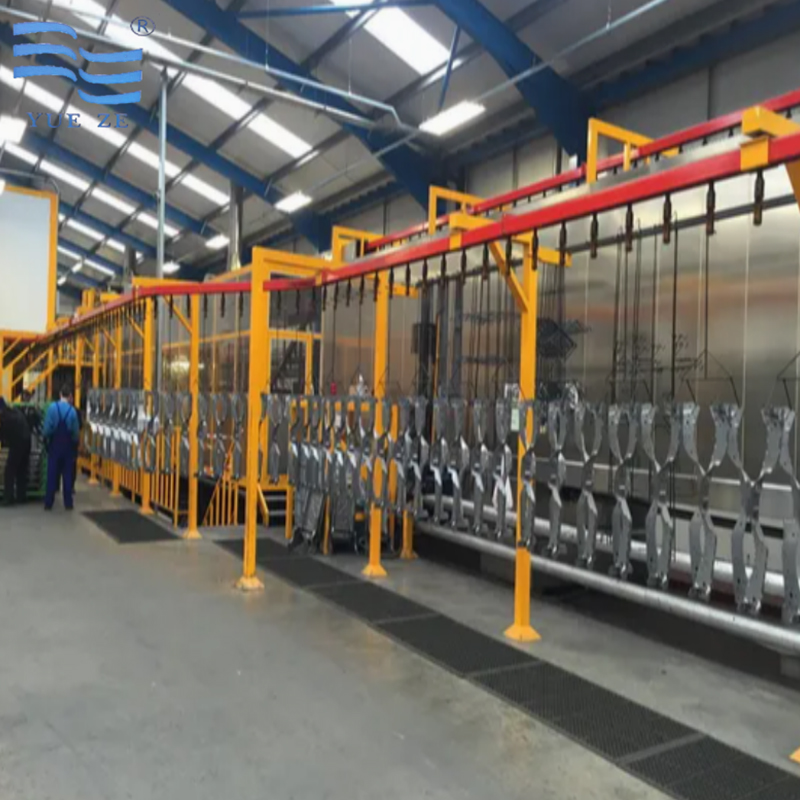
Electrophoretic Coating Line
Production begins with loading the metal parts onto fixtures, hangers, racks, or carriers. The fixture must maintain reliable electrical contact while allowing the coating bath to reach the required surfaces. It must also support the part during immersion, rinsing, draining, and curing.
Part orientation is especially important. Poor orientation can trap air in hollow sections or retain liquid after rinsing. Excess liquid carried between tanks can disturb bath chemistry, increase water consumption, and create marks on the finished film. For this reason, engineering teams typically review part drawings, center of gravity, drainage points, contact locations, and required coating surfaces before finalizing the fixture design.
Metal components may arrive with cutting fluids, oil, dust, fingerprints, drawing compounds, and other contaminants. These substances can interfere with pretreatment and reduce coating adhesion. The degreasing stage uses an alkaline or other suitable cleaning solution to remove contamination from the workpiece.
Spray cleaning, immersion cleaning, or a combination of both may be selected according to part shape and production requirements. Tank circulation, filtration, heating, spray pressure, chemical concentration, and dwell time must be maintained within the process window. Effective cleaning is one of the most important foundations of long-term coating performance.
After degreasing, the parts pass through rinsing stages that remove residual cleaning chemicals. Depending on the metal substrate and the selected coating system, a surface-conditioning stage may be included to prepare the material for conversion treatment.
Rinsing quality affects the cleanliness and chemical balance of the next process tank. Counterflow rinsing, spray arrangements, conductivity monitoring, tank overflow control, and water-management strategies can help reduce water consumption while maintaining process stability.
Phosphating creates a conversion layer that improves paint adhesion and supports corrosion resistance. The process transforms the metal surface through a controlled chemical reaction. The correct chemistry depends on the substrate, coating system, performance requirements, and environmental conditions.
Modern pretreatment systems may also use alternative conversion technologies. The selection should be based on production volume, substrate mix, required corrosion performance, wastewater considerations, chemical availability, and local environmental requirements. The coating line manufacturer must ensure that the tank sequence, heating, circulation, filtration, and drainage arrangements match the selected chemistry.
After pretreatment and rinsing, the workpiece enters the e-coating tank. The tank contains a carefully controlled water-based paint bath with resin, pigment, additives, and deionized water. The part is connected electrically, and a direct-current voltage is applied between the workpiece and the counter-electrode system.
The charged paint particles move through the liquid and deposit on the workpiece. The main process variables include voltage, current, bath temperature, solids content, pH, conductivity, immersion time, circulation, filtration, and part contact. These parameters influence film thickness, appearance, penetration, and production stability.
Tank circulation must keep the paint mixture uniform without creating excessive turbulence or foam. Filtration removes unwanted particles that could affect surface quality. Heat-exchange equipment can maintain the coating bath at its required temperature. Instrumentation provides operators with information needed to identify deviations before they become quality problems.
When the workpiece leaves the e-coating tank, a layer of liquid containing non-deposited paint remains on the surface. Recovery rinses remove this material while capturing as much usable coating as possible. The recovered liquid can be processed through ultrafiltration and returned to the coating system, depending on the coating formulation and process design.
Recovery rinsing improves material utilization and helps maintain a clean surface before curing. The arrangement may include multiple stages, spray nozzles, immersion sections, pumps, filters, ultrafiltration modules, and conductivity controls. Good drainage design is essential because retained liquid can create runs, uneven appearance, or contamination of later sections.
The wet deposited film enters a curing oven where controlled heat evaporates water and causes the resin system to cross-link. The result is a hard, continuous, and chemically resistant primer film.
Oven design must account for workpiece mass, material thickness, loading density, conveyor speed, air circulation, heating method, and required metal temperature. The air temperature inside the oven is not the same as the actual part temperature. For process validation, manufacturers may use temperature-recording equipment to confirm that representative workpieces receive the required curing profile.
Yueze can integrate infrared radiation drying systems, hot-air curing ovens, and other drying or heating arrangements into customized production lines. The appropriate solution depends on product geometry, thermal sensitivity, output, available energy sources, and factory layout.
After curing, the parts normally pass through a cooling section before inspection or topcoat application. Operators may check appearance, film thickness, adhesion, electrical contact marks, drainage areas, and visible defects. Automated inspection tools may be added for high-volume applications.
If the e-coat is the final finish, the parts can proceed to assembly or packaging after quality approval. If a topcoat is required, the components can be conveyed to a powder coating booth, liquid spray booth, flash-off section, and second curing oven. The overall production line should be designed to avoid unnecessary manual transfer between these stages.
The conveyor is the backbone of the production line. It determines the route, production speed, immersion time, part orientation, and connection between process sections. Overhead conveyors are commonly used because they keep the floor area available for operators and service access. Floor conveyors, hoists, lifting devices, and transfer cars may also be suitable for heavy or oversized workpieces.
Conveyor selection depends on load weight, fixture dimensions, line speed, curve radius, tank arrangement, oven length, and maintenance requirements. A properly engineered system should provide smooth movement, controlled acceleration, reliable positioning, and adequate safety protection.
Pretreatment tanks may be manufactured from materials selected for chemical compatibility and operating temperature. Each tank can include pumps, heaters, filters, spray headers, circulation piping, overflow arrangements, level controls, and access platforms.
The tank sequence is customized according to substrate and coating requirements. A typical system may include degreasing, water rinsing, surface conditioning, phosphating, multiple rinses, and final deionized-water treatment. Some applications require additional stages for sealing, passivation, or specialized conversion coating.
The electrophoretic tank requires careful integration of the paint bath, circulation system, filtration, heat exchange, electrical supply, and counter-electrodes. The tank dimensions must provide enough immersion depth and clearance for the largest workpiece and fixture.
Counter-electrode placement influences the electric field around the part. The system must be arranged to support even deposition while avoiding excessive current concentration. Electrical contacts should be secure, corrosion-resistant, and easy to inspect. The control system should provide appropriate protection against overloads, short circuits, and abnormal operating conditions.
Ultrafiltration equipment separates water and low-molecular-weight components from paint solids and resin. The resulting permeate can be used for rinsing, while concentrated coating material can be managed according to the process design. This equipment supports paint recovery and helps reduce the amount of coating material discharged as waste.
Membrane performance depends on bath conditions, flow rate, temperature, pressure, cleaning procedures, and maintenance. The system should be sized according to production output and coating carryover. Regular monitoring helps maintain stable recovery efficiency.
Curing ovens may use hot air, electricity, gas, infrared radiation, or a combination of heating technologies. The selection depends on product requirements and site conditions. Hot-air circulation provides broad heating, while infrared systems can offer rapid surface heating for suitable geometries.
Oven insulation, air circulation, exhaust balance, temperature uniformity, door design, and maintenance access all affect operating cost and coating quality. A well-designed oven minimizes heat loss and provides a consistent thermal profile throughout the usable production space.
A programmable control system coordinates conveyor movement, tank conditions, pumps, heaters, oven temperature, safety interlocks, and alarm functions. The operator interface can display process status and assist with troubleshooting.
Depending on project requirements, the line may include data recording, recipe management, barcode or RFID identification, production statistics, remote service access, and integration with a factory management system. These features can improve traceability and help manufacturers identify the causes of quality deviations.
A complete coating project must consider emissions, wastewater, sludge, noise, and solid waste. Pretreatment tanks and rinsing sections generate wastewater that may require neutralization, separation, filtration, or other treatment. Curing ovens and process tanks may require exhaust collection and purification. Filters, sludge-handling equipment, and waste storage areas should be planned together with the main line.
Jiangsu Yue Ze Environmental Protection Equipment Co., Ltd. also supplies waste gas purification systems, solid waste incineration furnace series, paint booths, sanding booths, and related environmental equipment. This broader product capability helps customers coordinate production equipment and environmental-control equipment through one engineering partner.
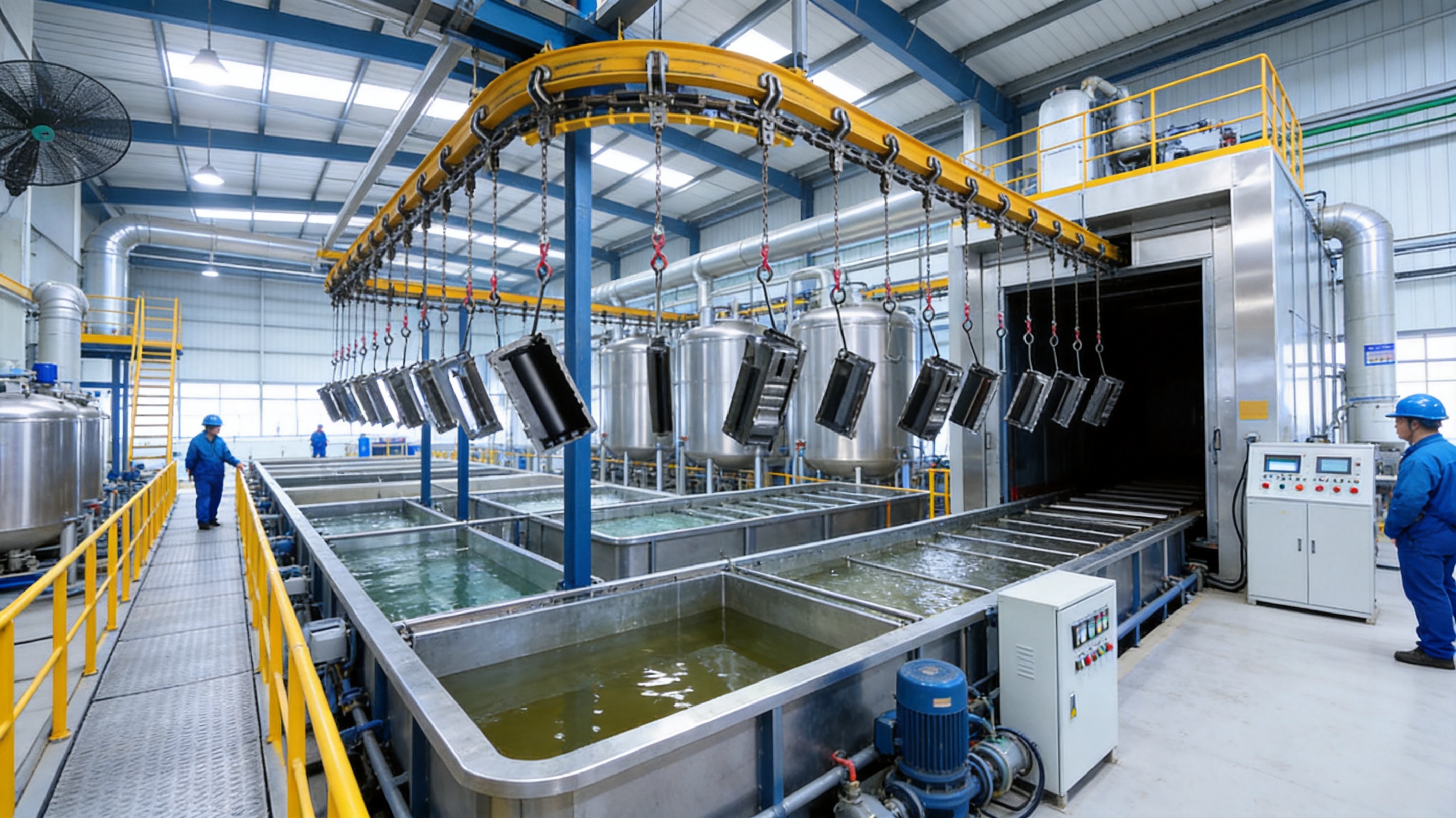
Conventional spray priming remains useful for many products, especially when parts are large, nonconductive, assembled, or require frequent color changes. However, electrophoretic coating offers specific advantages for conductive metal components that are produced in substantial quantities.
| Factor | Electrophoretic Coating | Conventional Spray Priming |
|---|---|---|
| Internal cavity coverage | Strong potential for coverage where the bath and electrical path can reach | Often limited by spray access, gun angle, and line of sight |
| Film thickness consistency | Generally high when electrical and bath conditions are controlled | Dependent on operator technique, gun movement, and spray parameters |
| Material utilization | High potential with recovery rinsing and ultrafiltration | Overspray and booth filter losses may be significant |
| Automation suitability | Well suited to continuous automatic production | Can be automated, but complex surfaces may require multiple spray programs |
| Primer function | Provides a dense, corrosion-resistant base layer | Can provide excellent protection when correctly applied |
| Color change flexibility | Usually less flexible for frequent color changes | Generally more flexible for varied colors and short production runs |
| Factory requirements | Requires tanks, electrical systems, bath management, rinsing, and curing | Requires booths, spray equipment, ventilation, filters, and curing facilities |
| Best application profile | High-volume conductive metal parts requiring uniform primer protection | Variable products, low-volume work, final color application, or parts unsuitable for immersion |
The correct choice depends on production volume, product geometry, required corrosion performance, color mix, capital budget, and environmental requirements. In many factories, both technologies are used together. Electrophoretic coating provides the primer, while powder or liquid spray equipment provides the final decorative and functional finish.
There is no single standard line configuration suitable for every manufacturer. Custom engineering is necessary because workpieces differ in size, weight, shape, material, production quantity, and quality requirements.
The first design consideration is the product itself. Engineers need information about dimensions, weight, material, openings, cavities, masking areas, contact points, drainage holes, and allowable coating thickness. Parts should be arranged so that the coating bath can reach the required surfaces and liquids can drain effectively.
Fixtures should be durable, easy to load, and resistant to the operating environment. Contact points should be positioned to provide dependable electrical connection while minimizing visible marks. For different product families, quick-change fixtures can improve flexibility and reduce setup time.
Line capacity is determined by the required hourly output, workpiece dimensions, loading quantity, process dwell times, conveyor pitch, and operating schedule. Increasing speed without evaluating tank residence time or curing requirements can reduce coating quality. A balanced design ensures that the part receives enough cleaning, conversion treatment, deposition, rinsing, and curing.
For mass production, the system may use continuous conveying with automatic loading and unloading. For mixed production, the line may include accumulation areas, adjustable carrier spacing, recipe-based control, or auxiliary handling equipment.
The line layout must fit the available factory building while allowing safe access for operation and maintenance. Important factors include ceiling height, floor loading, utility locations, drainage, ventilation, fire protection, maintenance clearances, and material flow.
Yueze’s custom engineering service can coordinate tanks, ovens, booths, conveyors, environmental equipment, and control cabinets within the customer’s available space. Three-dimensional layout planning and equipment drawings help confirm clearances and service access before manufacturing begins.
An electrophoretic coating line may require electricity, water, compressed air, heating fuel, cooling water, ventilation, and wastewater-treatment utilities. The consumption profile depends on production capacity and equipment selection.
Energy-saving measures may include insulated tanks and ovens, heat recovery, optimized exhaust volumes, variable-frequency pump control, counterflow rinsing, efficient burners, and production scheduling. These measures can lower operating costs while maintaining stable process conditions.
Many customers already have pretreatment tanks, paint booths, powder coating systems, ovens, or conveyors. An e-coating section can often be designed to connect with existing equipment, provided that the process sequence, part handling, line speed, and quality requirements are compatible.
Integration may involve new transfer conveyors, buffer zones, cooling sections, control interfaces, safety interlocks, or modifications to fixtures. A complete assessment should be conducted before equipment selection so that the new and existing systems operate as one coordinated production process.
Jiangsu Yue Ze Environmental Protection Equipment Co., Ltd. combines equipment manufacturing with process-line engineering. Its product range includes custom coating production line equipment, powder coating lines, electric vehicle assembly lines, automotive counterweight spray lines, paint and bake booths, large-part grinding rooms, waste gas treatment equipment, infrared radiation drying systems, automated conveying systems, intelligent coating lines, and environmental protection equipment.
This broad scope is important because industrial coating projects rarely involve one isolated machine. The customer may need surface preparation, coating, curing, conveying, exhaust treatment, wastewater planning, and production automation. A supplier capable of coordinating these areas can reduce interface problems and improve the overall project schedule.
The company has more than 40 years of experience in industrial equipment and surface treatment engineering. This background supports practical design decisions involving heavy components, irregular parts, high-temperature processes, equipment access, corrosion-resistant construction, and production-line reliability.
In 2014, the company developed a hanging automatic painting process line for cast counterweight blocks. The project covered a complete route from casting finishing and polishing through primer and topcoat application. This type of integrated experience is relevant to electrophoretic coating projects because it requires coordination between workpiece preparation, conveying, coating, curing, and final finishing.
Yueze provides integrated research and development, manufacturing, installation, commissioning, and customized equipment services. This approach allows the technical team to follow the project from the initial process discussion through factory acceptance and production start-up.
During the design stage, engineers can evaluate product drawings, process requirements, output, plant conditions, environmental rules, and future expansion plans. During manufacturing, quality control focuses on structural fabrication, tank construction, piping, electrical cabinets, conveyor assemblies, oven insulation, and equipment alignment. During installation and commissioning, process parameters and safety functions are checked before handover.
Different customers may require different tank lengths, oven dimensions, conveyor configurations, coating capacities, and automation levels. Custom fabrication allows the system to match the actual product and plant rather than forcing the customer to adapt to an unsuitable standard layout.
Where appropriate, the line can be designed with modular sections. Modular construction can simplify transportation, installation, maintenance, and future expansion. Additional curing capacity, topcoat sections, handling stations, or environmental-treatment modules may be considered when the customer expects production growth.
Quality control should continue throughout the project. Structural welds, tank dimensions, pump performance, electrical connections, temperature control, conveyor movement, safety devices, and surface-treatment parameters must be inspected at appropriate stages.
Commissioning verifies that the line performs under actual production conditions. This may include water trials, conveyor tests, heating tests, electrical checks, chemical-bath preparation, sample coating, film-thickness measurement, adhesion testing, and oven-profile verification. Proper commissioning helps the customer begin production with a stable process rather than simply receiving untested equipment.
Surface treatment equipment requires long-term support because process chemistry, wear components, fixtures, filters, pumps, heating systems, and control components need regular service. Technical documentation, operating instructions, maintenance schedules, spare-parts planning, and operator training all contribute to reliable operation.
Yueze’s customer-focused service model is intended to support domestic and international projects. Its global cooperation approach includes equipment customization, project communication, installation coordination, and technical assistance for customers purchasing complete coating systems.
Stable coating quality depends on controlling both the chemical process and the mechanical operation of the line. The control system should monitor critical variables and provide alarms when values move outside acceptable ranges.
Typical bath-management parameters include temperature, pH, conductivity, solids content, pigment-to-binder balance, contamination level, and filtration condition. The specific control limits depend on the coating supplier and product formulation. Regular laboratory analysis and replenishment are needed to maintain the bath within its working range.
Bath circulation must prevent settling and maintain uniform composition. Excessive turbulence can generate foam or affect deposition, while insufficient circulation can create concentration differences. Pumps, piping, filters, and heat exchangers should be selected for stable continuous operation.
Voltage, current, ramp rate, deposition time, and electrical contact quality influence film formation. The correct settings depend on the coating chemistry, substrate, part shape, and required thickness. Sudden electrical instability can produce uneven deposition, visible defects, or insufficient coverage.
Regular inspection of contacts and fixtures is important. Oil, coating buildup, corrosion, or mechanical looseness can increase electrical resistance. Automatic contact cleaning, fixture rotation, or planned maintenance may be used in high-output applications.
Pretreatment tanks and the e-coating bath must remain within their specified temperature ranges. The curing oven must provide a repeatable part-temperature profile. Temperature sensors should be calibrated periodically, and oven air circulation should be checked for uniformity.
Under-curing may reduce hardness, adhesion, and corrosion resistance. Over-curing may affect appearance, consume excess energy, or damage heat-sensitive components. Process validation should therefore measure the actual temperature experienced by representative workpieces.
Common inspection methods include visual examination, dry-film thickness measurement, cross-hatch adhesion testing, impact testing, solvent resistance checks, and salt spray testing. The selected tests should reflect the customer’s product standard and end-use environment.
Inspection results can be connected to production records for traceability. If a defect occurs, recorded data may help determine whether the cause was related to pretreatment, bath condition, electrical deposition, rinsing, curing, handling, or product design.
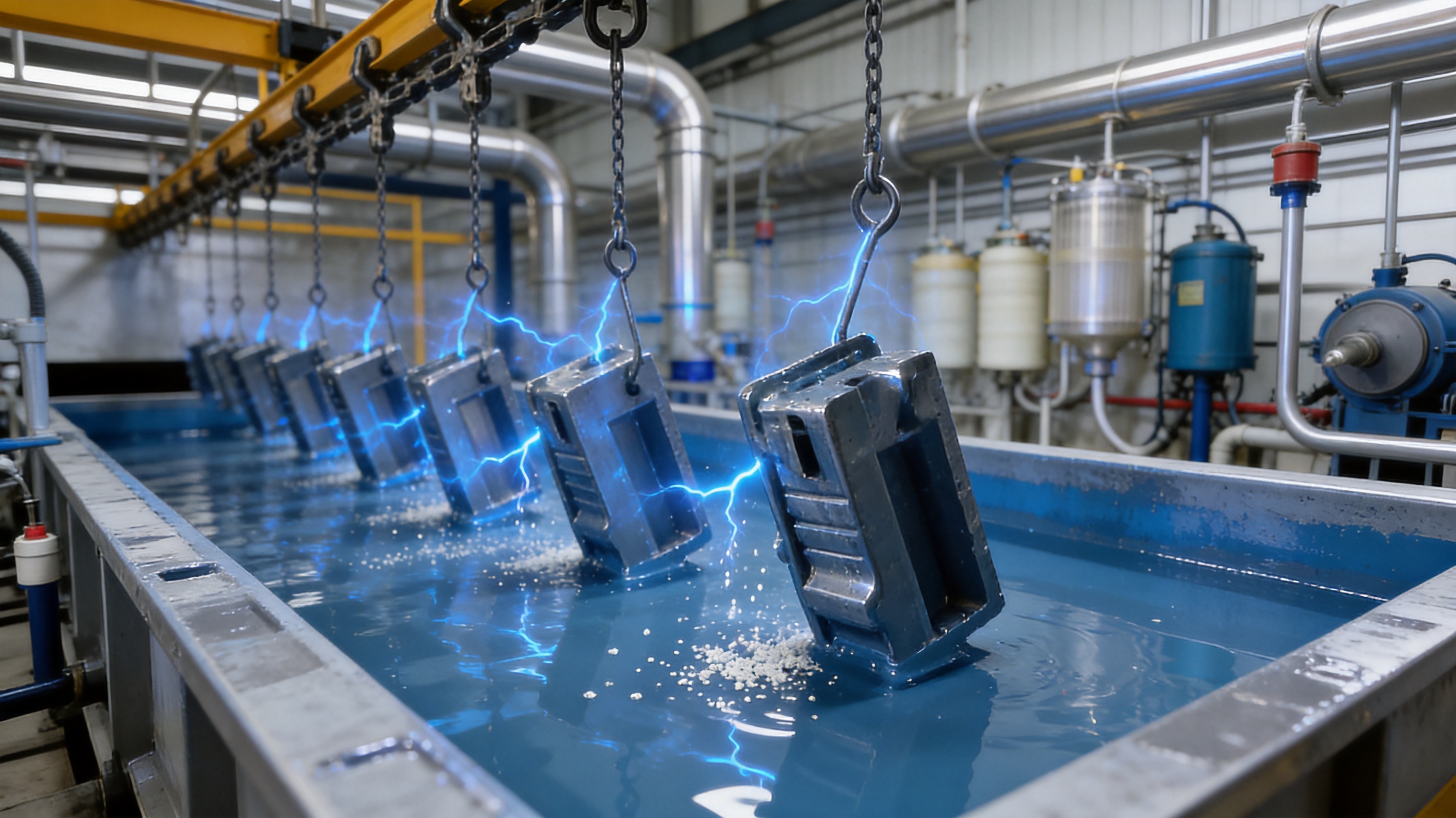
Electrophoretic coating can support cleaner production by reducing airborne overspray and using a water-based coating system. High paint utilization can reduce material waste, while recovery rinsing allows a portion of carried-over coating to be returned to the process.
The line still requires a complete environmental plan. Wastewater from degreasing, phosphating, rinsing, and equipment cleaning may contain oils, suspended solids, metals, phosphates, and process chemicals. Wastewater treatment must be selected according to the actual chemical composition and applicable discharge requirements.
Exhaust systems are needed for heating, curing, chemical tanks, and other process areas where vapors or odors may be generated. Exhaust purification equipment can be added according to emission characteristics and local regulations. Solid waste, spent filters, sludge, and maintenance waste also require appropriate storage and disposal procedures.
Workplace safety features should include guarded moving parts, emergency stops, safe access platforms, electrical protection, tank barriers, chemical-handling procedures, ventilation, fire protection, and operator training. A well-designed line addresses safety during normal production, cleaning, maintenance, and emergency conditions.
Electrophoretic coating is used across many metal-finishing industries. Automotive body structures and components are among the best-known applications because complex vehicle parts require comprehensive corrosion protection before topcoat application.
Other applications may include:
Electric vehicle frames and structural parts.
Automotive counterweights and cast components.
Agricultural machinery and equipment frames.
Construction machinery components.
Metal cabinets and electrical enclosures.
Industrial brackets, supports, and structural assemblies.
Vehicle chassis and suspension-related components.
Hardware and fabricated steel products.
Appliance components and durable metal housings.
Products requiring a corrosion-resistant primer beneath powder or liquid topcoat.
The suitability of the process depends on electrical conductivity, immersion compatibility, part size, drainage, production volume, and required finish. Aluminum, steel, galvanized materials, and mixed-metal assemblies may require different pretreatment strategies and coating formulations. A process trial or technical evaluation is recommended before final equipment design.
Customers should begin by defining the products and expected production requirements. Important questions include the number of workpieces per hour, maximum and minimum dimensions, average weight, substrate type, coating thickness, corrosion-resistance target, topcoat requirements, operating shifts, and future expansion plans.
The factory conditions should also be documented. Available floor space, ceiling height, electrical capacity, heating fuel, water supply, drainage, ventilation, wastewater-treatment location, and material-flow routes all influence the final layout.
It is equally important to evaluate the supplier’s engineering scope. A capable supplier should be able to explain how the conveyor, fixtures, tanks, electrical deposition, rinsing, curing, controls, and environmental equipment will work together. The supplier should also provide process documentation, equipment drawings, utility requirements, installation support, commissioning procedures, and maintenance recommendations.
Customers should not compare suppliers only by the purchase price of the main tank or conveyor. Total project value also includes material utilization, energy consumption, labor requirements, maintenance access, coating consistency, environmental compliance, spare parts, and future expansion capability.
Operators should follow the approved process parameters and record important data at regular intervals. Bath checks, filter inspections, pump inspections, contact cleaning, nozzle cleaning, conveyor lubrication, oven temperature verification, and safety-device testing should be included in the maintenance program.
Fixtures require special attention because they are exposed to chemicals, heat, mechanical loading, and coating buildup. Damaged or contaminated fixtures can affect electrical contact and part positioning. A fixture-cleaning and replacement schedule helps maintain stable deposition.
Filters and ultrafiltration membranes should be maintained according to operating conditions. A decline in flow rate, pressure change, or recovery performance may indicate fouling or mechanical problems. Early maintenance can prevent contamination from spreading through the coating bath.
Ovens should be checked for burner or heating-element performance, fan operation, insulation condition, exhaust balance, and temperature uniformity. Conveyor chains, drive units, bearings, and tension systems should be inspected before failures interrupt production.
Preventive maintenance is generally less costly than emergency repair because it reduces unplanned downtime and protects coating quality. The supplier should provide recommended maintenance intervals and lists of wear components so that the customer can plan spare-parts inventory.
The main purpose is to apply a uniform, strongly bonded, corrosion-resistant primer to conductive metal parts. The process is especially useful for components with recessed areas, gaps, and internal surfaces that are difficult to coat consistently by spraying.
It is most commonly used as a primer. A powder or liquid topcoat may be applied afterward to provide the final color, gloss, texture, weather resistance, or additional functional performance. In some applications, the e-coat may also serve as the final protective finish if its appearance and performance meet the product requirements.
It can coat many hollow or recessed structures when the bath can enter the cavity and an electrical path is available. Part orientation, drainage, air release, fixture design, and cavity geometry must be evaluated. Completely enclosed or poorly drained sections may require design changes or additional process consideration.
Steel is widely processed through electrophoretic coating, and other conductive metals may also be suitable. The correct pretreatment and coating chemistry depend on the substrate. Aluminum, galvanized steel, mixed-metal assemblies, and special alloys should be evaluated with the coating supplier before production-line design.
Electrophoretic deposition greatly reduces the airborne overspray associated with atomized spray painting, but it does not eliminate all material loss or environmental responsibilities. Paint carryover, wastewater, sludge, filters, and curing exhaust still require appropriate recovery and treatment systems.
Thickness is influenced by voltage, deposition time, bath temperature, solids content, conductivity, part geometry, electrical contact, and coating formulation. The deposited film becomes more electrically resistant as it builds, creating a self-limiting effect. The process still requires regular measurement and bath control to maintain the desired range.
Yes. An electrophoretic line can be designed as the primer section of a larger production system that includes cooling, inspection, powder coating, liquid spraying, and additional curing. Conveyor design, part cleanliness, line speed, fixture compatibility, and control-system integration must be considered during planning.
Ultrafiltration separates water and low-molecular-weight components from the coating material. The permeate can be used in recovery rinsing, while concentrated paint material can be managed within the coating process. This helps improve paint utilization and reduce waste.
The oven provides the heat required to dry and cross-link the deposited film. Insufficient curing can reduce hardness, adhesion, and corrosion resistance, while excessive heating can waste energy or affect the coating and substrate. The actual workpiece temperature and curing time should be validated rather than relying only on oven air temperature.
Useful information includes part drawings or photographs, material type, dimensions, weight, production output, coating requirements, corrosion-resistance targets, topcoat plans, factory dimensions, available utilities, operating shifts, and local environmental requirements. More complete information enables a more accurate process design and quotation.
An electrophoretic coating line combines chemical treatment, electrical deposition, fluid handling, automation, heating, conveying, environmental controls, and safety systems. Supplier experience helps ensure that these elements are coordinated. It also supports practical decisions about fixtures, drainage, maintenance access, production capacity, and integration with other coating equipment.
An electrophoretic coating line is a comprehensive solution for manufacturers seeking uniform primer coverage, strong adhesion, corrosion resistance, high automation, and efficient use of coating materials. Its electrical deposition principle allows paint to reach many internal and recessed areas that are difficult to protect with conventional spray priming. When combined with effective pretreatment, recovery rinsing, controlled curing, and process monitoring, the technology provides a stable foundation for high-volume metal finishing.
The best results depend on more than the e-coating tank. Conveyors, fixtures, pretreatment, bath circulation, ultrafiltration, curing, environmental protection, electrical control, inspection, and maintenance must all be designed as one system. Custom engineering is therefore essential for matching the line to product geometry, capacity, factory conditions, and future production plans.
Jiangsu Yue Ze Environmental Protection Equipment Co., Ltd. offers custom coating production line equipment supported by extensive experience in industrial surface treatment, automated conveying, painting and baking, environmental protection, and integrated manufacturing. Its capabilities in research and development, fabrication, installation, commissioning, and technical service make it suitable for customers seeking a complete and coordinated coating solution rather than a single standalone machine.
For manufacturers comparing electrophoretic coating with conventional spray priming, the decision should consider coverage, corrosion performance, production volume, material efficiency, labor, environmental controls, and long-term operating cost. When the application involves conductive metal parts requiring reliable primer protection at industrial scale, a properly designed electrophoretic coating line can provide substantial technical and economic advantages.
1. Industrial Surface Treatment Principles, reference material on pretreatment, conversion coatings, electrophoretic deposition, and curing processes.
2. Automotive Corrosion Protection Practices, technical guidance on e-coat primer systems, film uniformity, cavity protection, and multilayer coating structures.
3. Water-Based Coating Technology, reference material concerning low-VOC coating systems, paint recovery, ultrafiltration, and process-water management.
4. Industrial Conveyor and Oven Design Guidelines, engineering references for overhead conveyors, immersion systems, curing ovens, thermal profiling, and maintenance access.
5. Environmental Management for Metal Finishing Operations, technical guidance on wastewater, exhaust, sludge, filtration, chemical handling, and workplace safety.
6. Jiangsu Yue Ze Environmental Protection Equipment Co., Ltd. product and company information supplied for this article, including custom coating production lines, automated conveying systems, painting and baking equipment, environmental protection systems, and integrated manufacturing capabilities.
An electrophoretic coating line is a complete automatic surface treatment system. Through electrophoretic deposition, a uniform, dense, and anti-corrosion coating is formed on the metal surface. The w...
See Details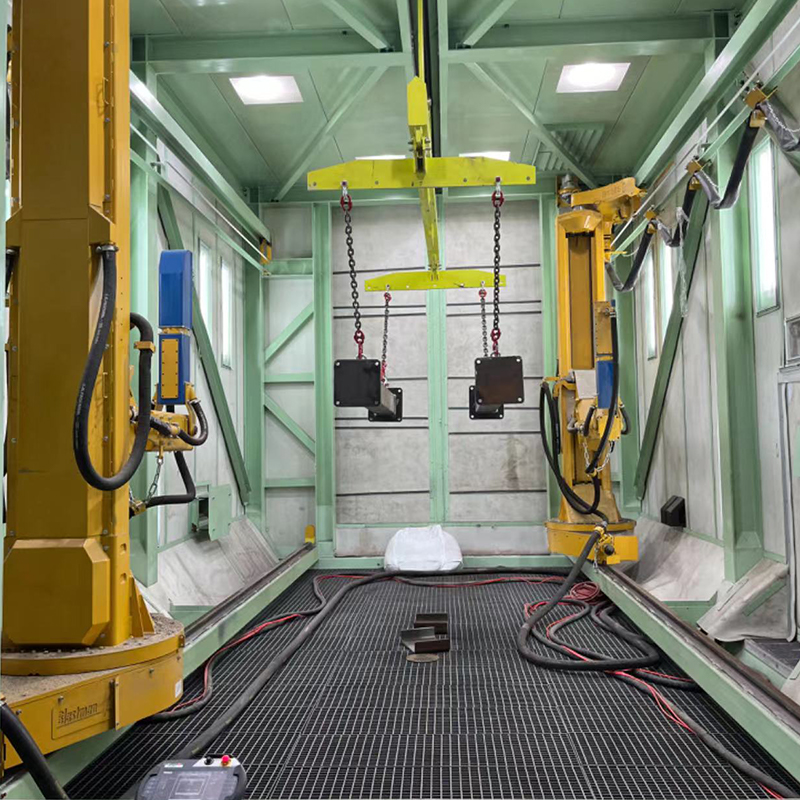
Professional coating line specially designed for large castings and heavy truck parts, applicable to various large castings (engineering castings, mining equipment castings, industrial castings) and h...
See Details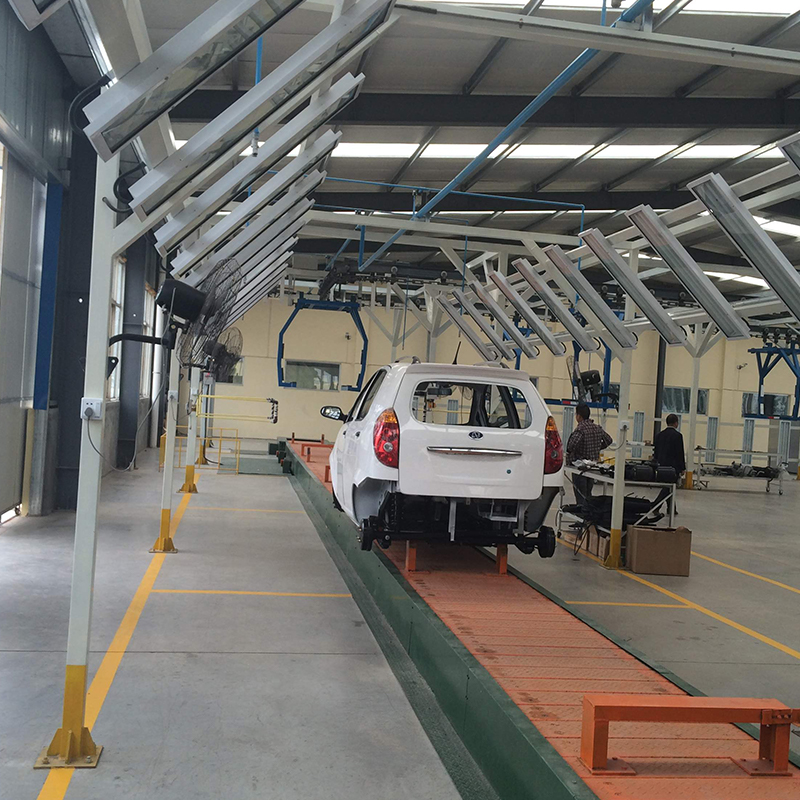
Professional electrophoresis coating line specially designed for electric vehicles (EVs), applicable to various EV types (passenger EV, commercial EV, new energy logistics vehicle) and EV components. ...
See Details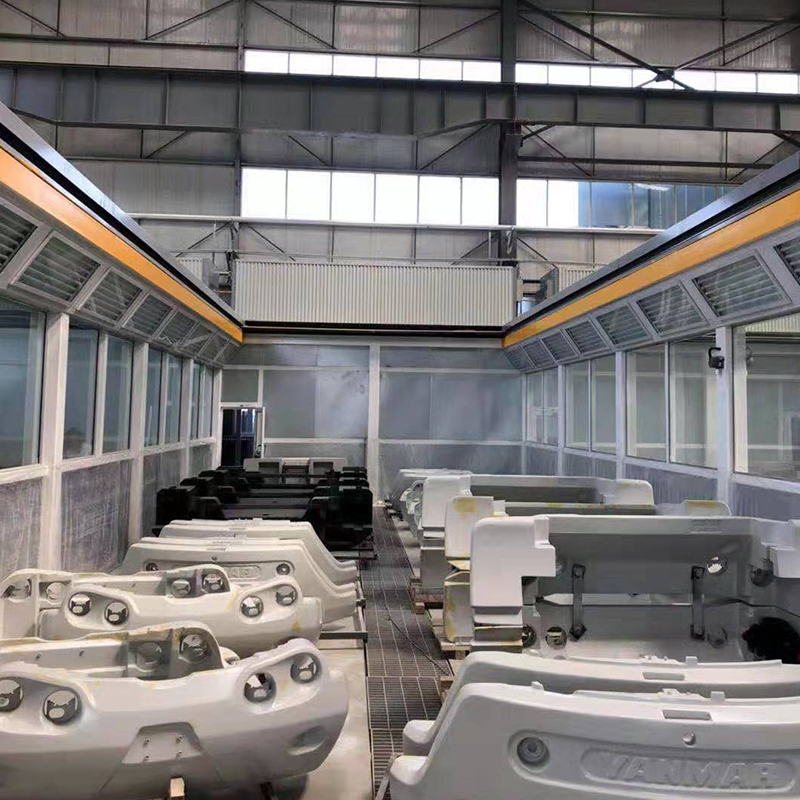
Professional spray coating line specially designed for car wheel manufacturing and refurbishment, applicable to various car wheel types (steel wheel, aluminum alloy wheel, forged wheel, cast wheel, pa...
See Details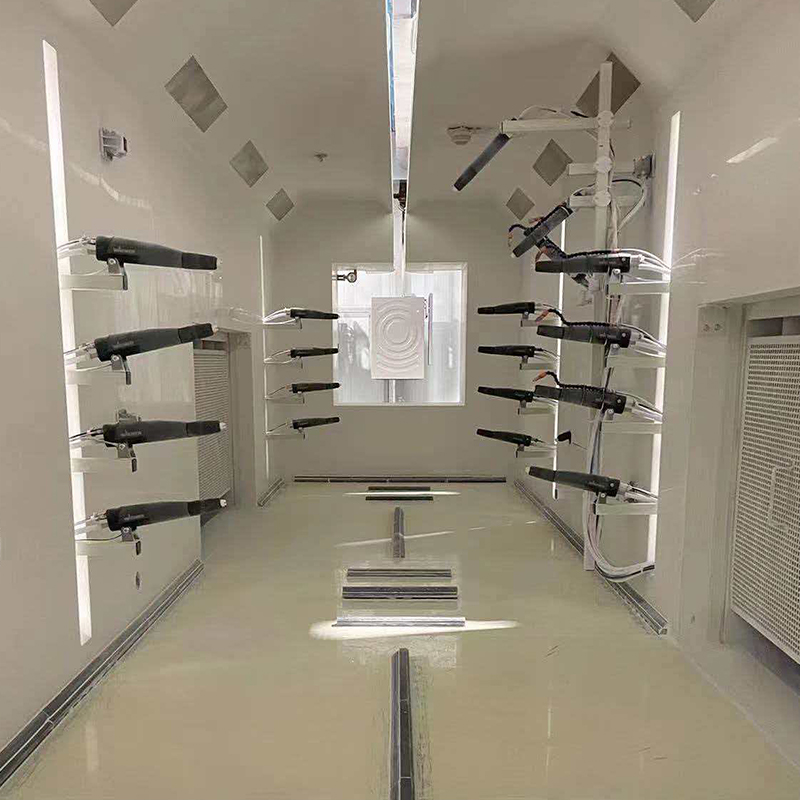
Widely used in metal workpieces such as hardware, auto parts, engineering machinery, metal furniture, art manhole covers, municipal facilities, and precision components, suitable for mass and standard...
See Details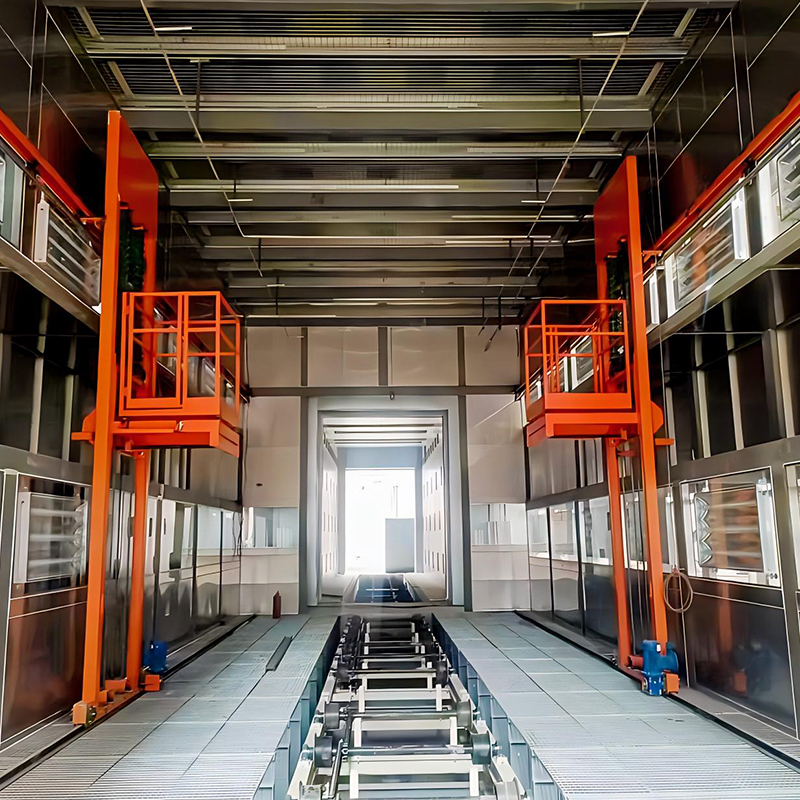
3-axis platform lifts feature three-dimensional movement of X, Y, and Z axes. Flexible positioning, stable lifting, and precise operation. Suitable for multi-angle operation and workpiece docking in i...
See DetailsBuild Your Customized Industrial Coating System
Send us your workpiece information, production capacity, coating process, workshop layout, and environmental requirements. Yueze will help evaluate your project and develop a suitable coating, conveying, drying, and environmental treatment solution.
Main menu
Products
Contact Us
Company Address:
No. 12, Park Avenue, Shanggang Industrial Park, Jianhu, Yancheng City, Jiangsu Province
Message Us Right Now!

Follow us: