
 русский
 عربى
 Tiếng Việt

Professional production line specially designed for decorative manhole covers, applicable to various decorative manhole cover types (cast iron decorative manhole cover, stainless steel decorative manh...
See Details
Yueze Environmental Protection provides one-stop compliant industrial surface treatment solutions with professional tech and fine craftsmanship.
 Get Inquiries
2026-11-03
Content
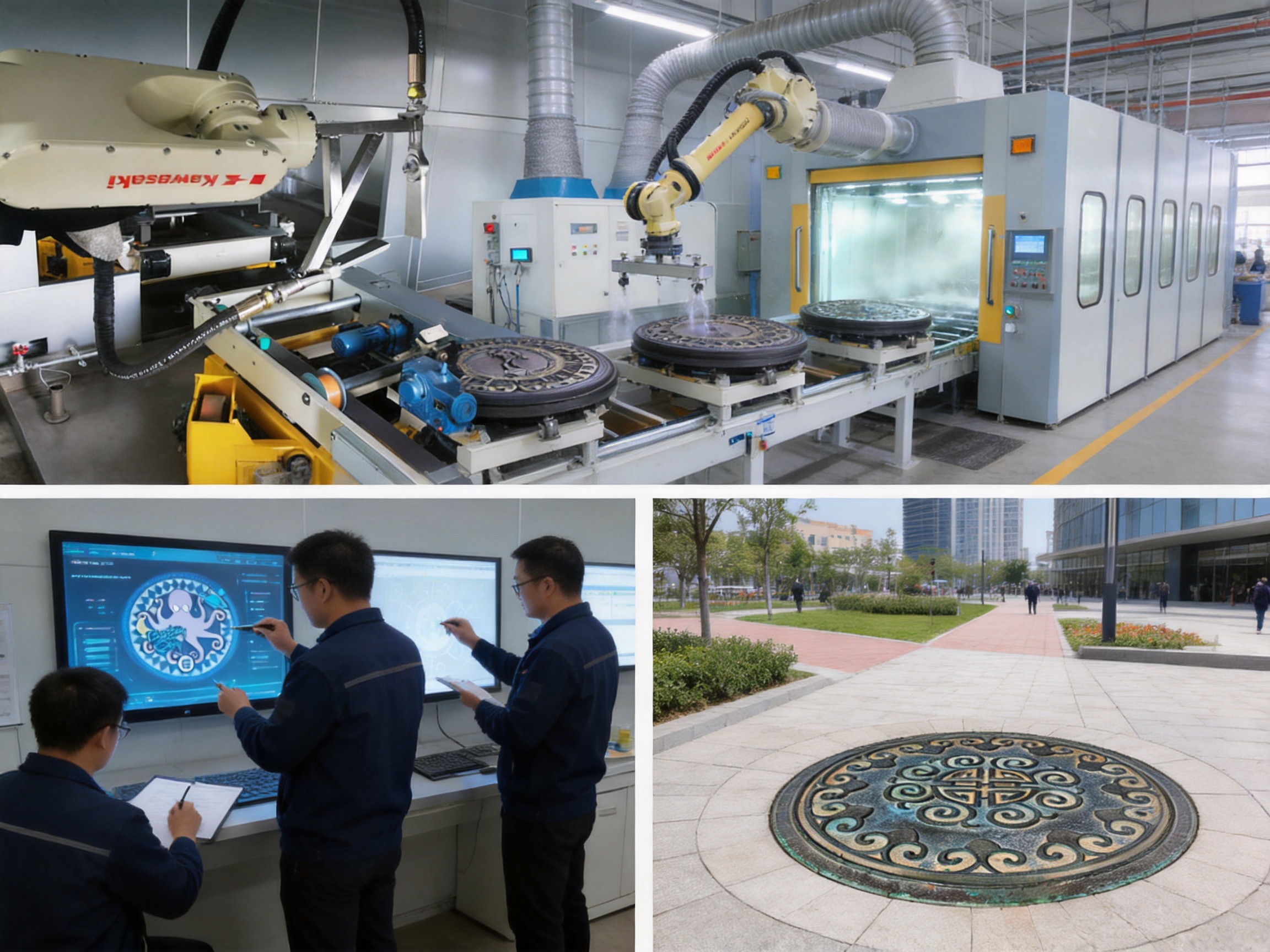
Decorative manhole covers combine structural performance with visual design. They are installed in streets, sidewalks, public squares, gardens, parks, commercial developments, residential communities, and municipal infrastructure projects. Unlike ordinary industrial covers, decorative models must satisfy two requirements at the same time: they must withstand repeated mechanical loads and outdoor exposure, while also presenting a clean, attractive, and consistent appearance.
A Decorative Manhole Cover Production Line is designed to meet these requirements through an integrated sequence of material preparation, casting or forming, finishing, surface treatment, coating, curing, inspection, and conveying. By coordinating these operations in one production system, manufacturers can improve productivity, reduce manual handling, stabilize product quality, and achieve a wider range of colors, patterns, textures, and surface effects.
Modern production lines can be configured for cast iron decorative manhole covers, stainless steel decorative manhole covers, resin composite covers, stone-like covers, colored covers, artistic covers, municipal covers, garden covers, and custom-pattern products. Depending on the material and production method, the line may include automatic batching, mixing, molding, casting, curing, shot blasting, grinding, primer application, decorative coating, infrared or hot-air drying, cooling, inspection, and packaging.
For manufacturers serving municipal construction, landscape design, commercial property development, and infrastructure projects, a dedicated line provides a more reliable alternative to disconnected equipment and labor-intensive processing. It allows the complete manufacturing route to be planned around the product’s diameter, weight, geometry, loading requirements, decorative design, and final coating specification.
A Decorative Manhole Cover Production Line is a coordinated manufacturing system for producing manhole covers that provide both load-bearing service and decorative value. It may be used for one material type or designed as a flexible line for several product categories. The complete equipment arrangement depends on the selected raw materials, forming technology, daily output, cover dimensions, coating system, and level of automation.
In a basic configuration, the line includes raw material preparation, molding or casting equipment, curing equipment, surface finishing machinery, coating equipment, drying equipment, and conveying systems. In a high-automation configuration, these units are connected through automatic material handling, programmable logic control, recipe management, sensors, fixtures, and inspection stations.
The line can be arranged as a straight-through system, a U-shaped system, a parallel production system, or a customized layout based on the available workshop. The production route may also be divided into separate zones for heavy casting operations, surface preparation, painting, curing, cooling, and final inspection. Proper zoning helps control dust, overspray, noise, heat, and material flow.
For cast metal covers, the manufacturing route normally begins with casting and continues through shakeout, trimming, grinding, blasting, primer application, decorative top coating, curing, inspection, and packing. For resin composite or stone-like products, the route may focus more heavily on automatic batching, mixing, mold filling, vibration or compression forming, curing, demolding, finishing, and coating.
The main purpose of a dedicated line is consistency. A manually organized workshop may produce acceptable individual covers, but maintaining identical appearance, coating thickness, pattern alignment, and surface durability across hundreds or thousands of units is more difficult. Integrated equipment creates repeatable operating conditions and gives operators better control over critical process parameters.
Decorative manhole covers are not limited to one material or appearance. A flexible line can be engineered to serve different product families and market requirements.
Cast iron covers are widely used where high mechanical strength and resistance to heavy traffic are required. They may feature raised symbols, municipal emblems, geometric patterns, artistic designs, or textured surfaces. Because cast iron products are heavy and may have irregular edges, the production line requires strong conveyors, load-rated fixtures, reliable lifting devices, and surface preparation equipment capable of removing casting residues.
Cast iron surfaces often require grinding, shot blasting, or other preparation before coating. These processes remove burrs, scale, flash, dust, and loose particles. A properly prepared surface improves primer adhesion and reduces the possibility of premature peeling or corrosion under the coating film.
Stainless steel covers are selected for applications where appearance, corrosion resistance, and a modern architectural finish are important. They may be used in commercial plazas, premium residential developments, airports, hotels, public buildings, and landscaped areas. Their surfaces may receive colored coatings, brushed effects, protective finishes, or custom decorative treatments.
Stainless steel requires carefully selected preparation and coating parameters. Excessive abrasion can damage the surface, while insufficient preparation may reduce coating adhesion. A customized line can incorporate adjustable treatment intensity, dedicated fixtures, controlled cleaning, and coating systems suitable for stainless steel substrates.
Resin composite covers are valued for their relatively low weight, corrosion resistance, design flexibility, and compatibility with colored or patterned surfaces. They can be produced in a variety of shapes and finishes and may be suitable for sidewalks, gardens, residential developments, and areas where reduced handling weight is desirable.
The production system for resin composite products generally emphasizes accurate proportioning, uniform mixing, mold filling, compaction, vibration, curing, and demolding. Automatic batching is especially important because the ratio of resin, aggregate, pigments, fillers, and additives influences strength, color, dimensional stability, and surface quality.
Municipal decorative covers often display city symbols, public utility markings, district names, or standardized patterns. Garden covers may be designed to blend into paving, landscaping, lawns, courtyards, and pedestrian pathways. These products require visual consistency as well as adequate strength and resistance to water, soil, sunlight, and regular pedestrian contact.
A dedicated production line can support multiple mold sets and recipe configurations. This allows a manufacturer to switch between different patterns, diameters, colors, and surface treatments without replacing the entire production system.
Custom-pattern products are increasingly used by property developers, municipalities, landscape designers, and architectural contractors. The cover may include a logo, artistic image, brand identity, historical motif, local cultural symbol, or special texture. Production equipment must be able to maintain accurate pattern reproduction while preserving the required load-bearing structure.
Custom production is easier when the line uses interchangeable molds, adjustable fixtures, programmable process recipes, and flexible coating equipment. These features reduce changeover time and help manufacturers respond to smaller production batches without sacrificing process control.
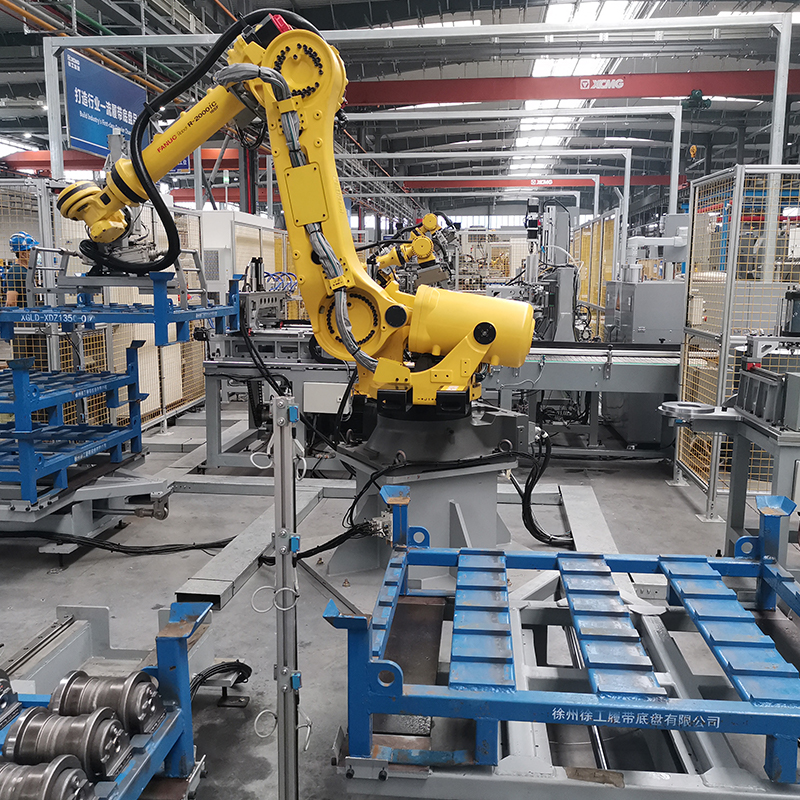
Decorative Manhole Cover Production Line
A typical Decorative Manhole Cover Production Line is arranged around a controlled sequence. The exact process varies according to the substrate and product design, but the following stages represent a common integrated route.
Production begins with the preparation of metal, resin, aggregates, pigments, fillers, curing agents, and other formulation components. Automatic batching equipment measures each material according to a selected recipe. Accurate batching helps stabilize mechanical strength, density, curing performance, color, and dimensional consistency.
Closed storage and feeding systems can help reduce dust and prevent contamination. For composite formulations, separate silos, hoppers, weighing units, and screw feeders may be used. For metal casting, charge preparation and furnace operations are organized according to the required alloy and product specification.
Recipe management is particularly useful for manufacturers producing several cover types. Operators can select a stored formula through the HMI, and the control system can display or regulate the target quantities. This reduces dependence on manual weighing and helps limit variation between batches.
After batching, materials are transferred to a mixer. Uniform mixing is essential for resin composite products because uneven distribution of aggregates, pigments, or additives can cause weak areas, color differences, voids, or surface defects.
Mixing time, rotational speed, material loading sequence, and moisture conditions may affect the final result. An automated line provides more stable mixing conditions than manual preparation. It also allows the operator to repeat an established recipe when manufacturing the same product over an extended period.
Molds define the external shape, pattern, thickness, and dimensional features of the cover. Before filling, the mold may be cleaned, inspected, and treated with a suitable release agent. The mold must be positioned accurately to prevent uneven edges, misplaced patterns, or dimensional deviations.
Depending on the product, forming may involve casting, compression molding, vibration compaction, resin filling, or another controlled process. Automated mold handling can reduce manual lifting and improve the alignment of inserts and decorative pattern components.
For cast metal covers, molten material is introduced into the mold under controlled foundry conditions. After solidification, the casting is removed for cleaning and finishing. For resin composite products, the prepared mixture is placed into the mold and compacted to remove voids and produce a dense, stable structure.
Compaction quality affects the cover’s strength, weight distribution, surface appearance, and resistance to water penetration. A line may use vibration tables, hydraulic pressure, mechanical compaction, or a combined forming method. The appropriate system depends on the material formulation and required production rate.
Resin-based covers require controlled curing to develop their designed strength and dimensional stability. Curing may take place at ambient temperature, in a heated chamber, or through a combination of time and temperature. The line can be equipped with curing racks, chamber systems, or continuous curing equipment.
Controlled curing helps reduce distortion and improves batch-to-batch consistency. After curing, the products are demolded using manual assistance, mechanical devices, or automated handling equipment. The mold is then returned to the preparation area for cleaning and reuse.
Raw castings commonly contain flash, gates, risers, burrs, scale, and other surface irregularities. These must be removed before coating. Grinding stations, trimming tools, shot blasting machines, and polishing equipment may be integrated into the line.
Finishing is not only a cosmetic operation. It directly influences coating performance. Sharp burrs can damage handling equipment and create thin coating areas. Loose scale or residual sand can interfere with primer adhesion. A clean and appropriately textured surface provides a more reliable base for the subsequent coating layers.
Surface preparation may include shot blasting, abrasive blasting, grinding, cleaning, degreasing, or compressed-air dust removal. The selected process depends on the substrate, the condition of the casting, and the coating specification.
For outdoor decorative covers, surface preparation should create a stable, contaminant-free foundation. Dust extraction is important because blasting and grinding generate particulate matter. Properly designed extraction equipment protects workers, improves workshop cleanliness, and prevents dust from settling on freshly coated parts.
The primer provides the first protective coating layer. It may improve corrosion resistance, promote adhesion, seal the surface, and create a stable foundation for the decorative top coat. For cast iron and other ferrous substrates, primer selection is especially important because exposed metal can corrode when subjected to moisture and oxygen.
Primer application can be performed through automatic spray guns, reciprocating spray systems, manual touch-up stations, or a combination of these methods. The equipment should maintain a consistent spray distance, angle, flow rate, and overlap. Fixtures should expose the required surfaces while reducing shadow areas.
The decorative top coat establishes the product’s final color, gloss, texture, and visual identity. Depending on the design, the line may apply one color, multiple colors, textured finishes, contrasting details, or pattern-specific layers.
Coating equipment can be configured for liquid paint, powder coating, or other compatible systems. A powder coating line may include powder booths, recovery equipment, spray guns, curing ovens, and powder management units. A liquid coating line may include paint rooms, pumps, spray booths, filters, flash-off zones, and drying chambers.
For multi-color or custom-pattern covers, masking fixtures, selective spraying, stencil systems, robotic application, or manual detail stations may be used. The appropriate configuration depends on pattern complexity, order volume, required precision, and budget.
After coating, the covers pass through a curing or drying stage. Powder coatings generally require controlled heat to melt, flow, and crosslink the powder film. Liquid coatings may require flash-off and heated or ambient drying. Infrared radiation, hot-air circulation, or combined heating systems can be selected according to the coating formulation.
Temperature uniformity is critical. Uneven heating may produce differences in gloss, adhesion, hardness, color, or film formation. A well-designed oven uses appropriate insulation, airflow, heating capacity, circulation, and temperature monitoring to create a stable curing environment.
After curing, products should cool to a safe handling temperature before inspection or packing. Inspection may include visual examination, dimensional measurement, coating adhesion checks, film thickness measurement, pattern verification, and load-related quality checks according to the applicable product specification.
Packaging methods depend on product weight and destination. Covers may be stacked with separators, placed on pallets, secured with straps, or packed in protective frames. Efficient packaging reduces edge damage and simplifies loading for transportation.
The line integrates material feeding, batching, forming, conveying, surface preparation, coating, curing, and inspection into a coordinated process. This reduces repeated manual handling and allows a smaller operating team to manage higher output.
Automatic conveying is particularly valuable for heavy cast covers. Instead of repeatedly lifting or repositioning each product, operators can load the fixtures at designated stations while the system transfers the covers through the required process stages. This reduces physical strain, handling damage, and production interruptions.
Automated recipes, consistent conveyor speeds, controlled spray parameters, and regulated curing conditions improve repeatability. A stable process makes it easier to produce covers with uniform color, surface texture, coating thickness, and dimensional quality.
In a manual workshop, quality can vary with operator experience, fatigue, environmental conditions, and the time available for each unit. Integrated equipment does not eliminate the need for skilled personnel, but it provides them with more stable tools and measurable process conditions.
Decorative covers are often installed in highly visible areas. Uneven color, overspray, sagging, pinholes, exposed edges, and inconsistent pattern alignment can reduce the value of an otherwise strong product. A dedicated coating line supports more uniform application and controlled curing.
Interchangeable fixtures and customized molds make it possible to reproduce design details across a production batch. This is especially important for city projects, branded commercial developments, and landscape installations where visual consistency is part of the project specification.
Continuous assembly line operation can increase daily output compared with independent manual stations. Adjustable conveyor speed and curing cycles allow the line to be adapted to different products and production targets.
A line can also be designed with buffer zones between major stages. These buffers prevent one temporary delay from stopping the entire process and help balance casting, finishing, coating, and curing capacities.
Manufacturers may need to produce multiple cover types for different customers. A flexible system can accommodate resin composite, stone-like, colored, artistic, invisible, municipal, and garden covers, provided that the molds, formulas, coating materials, and process conditions are correctly specified.
Programmable control enables operators to store different recipes for material mixing, conveyor speed, curing temperature, spray parameters, and production sequence. This provides a practical advantage over equipment designed for only one fixed product.
Accurate batching, thorough mixing, controlled compaction, appropriate curing, and reliable coating contribute to a durable finished cover. The structural body provides load-bearing capacity, while the coating system helps protect the surface against moisture, abrasion, chemicals, ultraviolet exposure, and general outdoor wear.
The exact performance depends on the selected materials, product design, manufacturing standards, and testing program. However, an integrated line gives the manufacturer better control over the factors that influence strength, surface integrity, and service life.
Closed batching and mixing systems can reduce dust release. Efficient ovens, insulated chambers, variable-speed drives, and coordinated conveyor movement can reduce unnecessary energy consumption. Proper exhaust and filtration systems help control overspray, volatile emissions, fumes, and particulate matter.
Environmental equipment may include dust collectors, cartridge filters, activated carbon systems, catalytic or thermal treatment units, paint mist filters, powder recovery systems, and noise-control measures. The final selection should be based on the coating material, process emissions, local regulations, and required treatment performance.
A PLC control system with an HMI gives operators a central interface for starting, stopping, monitoring, and adjusting the line. Alarm displays and self-diagnosis functions help identify issues such as conveyor overload, abnormal temperature, fan failure, filter blockage, or sensor errors.
Routine maintenance generally includes cleaning spray equipment, checking filters, inspecting conveyor chains, lubricating moving components, verifying sensors, examining heating elements, and calibrating measurement devices. A well-planned maintenance schedule protects production continuity and extends equipment life.
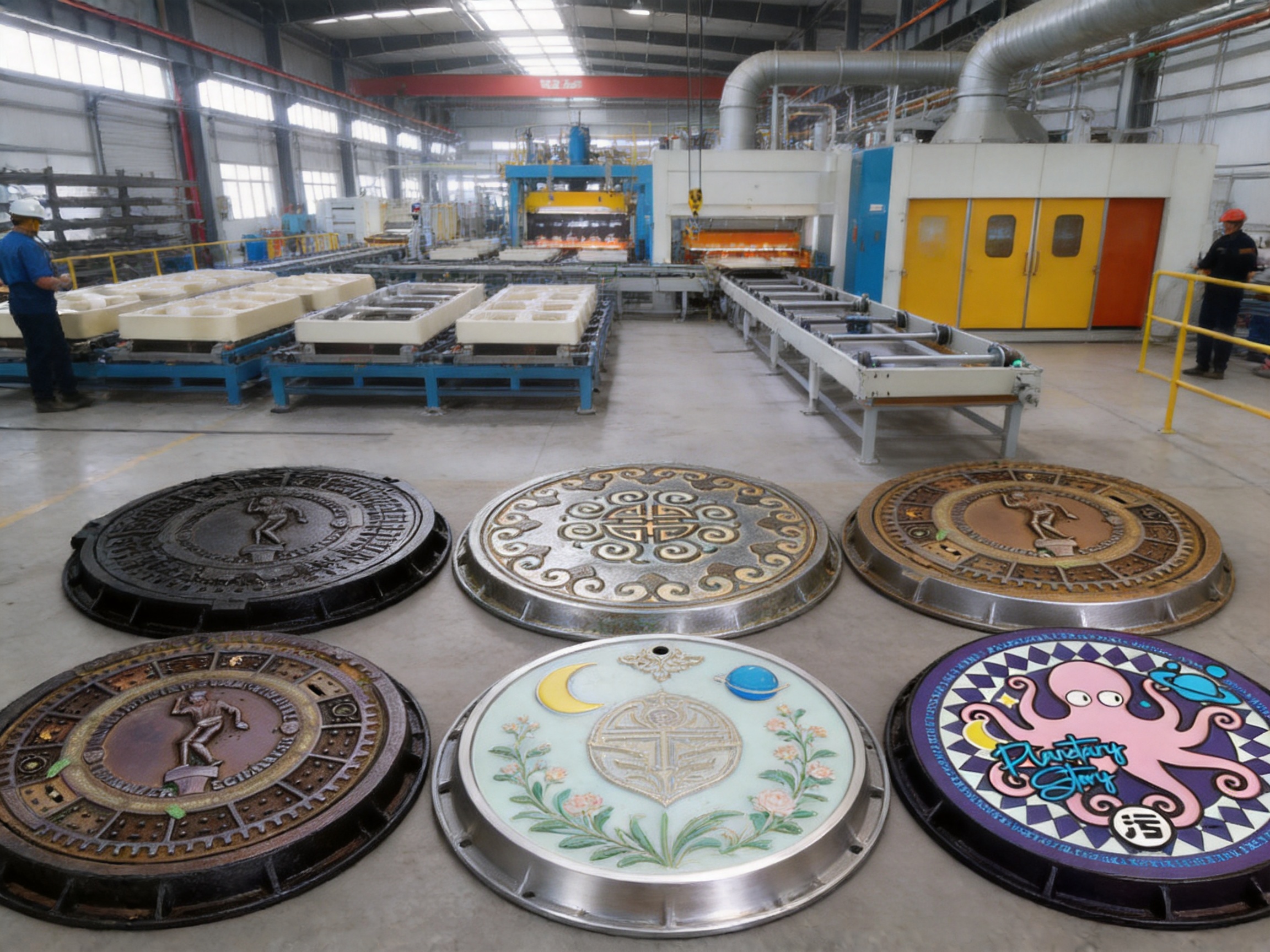
General-purpose coating equipment may be suitable for small parts or simple flat products, but decorative manhole covers create special engineering challenges. They are heavy, often circular or irregularly shaped, and may contain recessed areas, raised patterns, ribs, handles, edges, and underside structures. These features make positioning, rotation, spraying, drying, and inspection more complicated.
A dedicated line uses product-specific fixtures and load-rated conveying components. The cover can be held at a defined height and orientation, allowing spray guns or operators to reach the required surfaces more consistently. Fixtures may also be designed to reduce contact marks on visible areas.
The line can be balanced around the thermal mass of cast metal covers. Heavy products absorb and retain heat differently from thin sheet-metal parts. Oven capacity, conveyor speed, heating zones, and cooling time must therefore be calculated for the actual product rather than copied from a general coating application.
Surface preparation is another important difference. Decorative manhole covers may arrive with casting scale, molding sand, flash, and uneven edges. Equipment designed for small fabricated parts may not provide enough blasting force, dust extraction, workpiece support, or abrasive recovery capacity.
Dedicated systems also make quality control more practical. Inspection points can be placed after casting, after surface preparation, after primer application, and after final curing. This allows defects to be discovered earlier, reducing the cost of rework and preventing a large batch from progressing with the same problem.
Before equipment selection, the manufacturer should define the minimum and maximum cover diameter, thickness, height, unit weight, and total load on each fixture. These parameters determine conveyor capacity, hanger spacing, lifting equipment, mold dimensions, oven clearance, and workshop floor loading.
If the line will produce several sizes, adjustable fixtures or interchangeable tooling should be considered. The design should provide sufficient clearance between neighboring covers and prevent contact during conveying, spraying, and curing.
Raised lettering, ribs, recessed patterns, anti-slip textures, and decorative reliefs influence the way coatings flow and collect. Complex geometry may require multiple spray angles, rotation, manual touch-up, or robotic programming. The line should be designed to minimize shadow areas and maintain coverage on edges and recessed regions.
Powder coating, liquid paint, water-based coating, solvent-based coating, and specialized protective systems have different equipment requirements. The choice affects booth design, exhaust volume, filtration, curing temperature, fire safety, recovery systems, and environmental treatment.
The coating supplier’s technical data should be considered during line design. Important parameters include recommended film thickness, flash-off time, curing temperature, curing duration, compatible primer, storage conditions, and recoat interval.
Conveyors must support the product safely while maintaining the required production rhythm. Options may include overhead conveyors, floor conveyors, roller systems, chain conveyors, monorail systems, or customized transfer devices.
For heavy cast covers, the supporting structure, chain, drive unit, bearings, hangers, and transfer sections require appropriate safety factors. Fixtures should be easy to load, unload, clean, and replace. Their design should also prevent excessive coating buildup in contact areas.
The oven must be sized according to product dimensions, unit weight, loading density, conveyor speed, and coating chemistry. Heating may use gas, electricity, thermal oil, or another energy source. Insulation and air circulation influence both energy consumption and temperature uniformity.
Temperature sensors should be positioned to monitor critical zones. Where required, product temperature profiling can be used to confirm that the coating reaches its specified curing condition rather than merely measuring the air temperature inside the oven.
Grinding, blasting, spraying, and curing may each produce different types of emissions. A complete environmental solution may therefore include separate extraction points and treatment systems for dust, paint mist, powder particles, and organic compounds.
Correct airflow is essential for safe and effective booth operation. Excessive airflow can waste energy and disturb spray patterns, while insufficient airflow can allow contaminants to escape into the workshop. The environmental system should be engineered together with the production equipment rather than added as an afterthought.
The PLC-based control system is the operating center of an automated production line. It coordinates motors, sensors, heating systems, spray equipment, material feeders, pumps, fans, safety devices, and alarms.
An HMI allows operators to view the current process status, select product recipes, adjust conveyor speed, monitor temperatures, review alarms, and confirm equipment readiness. Password levels can be used to separate operator functions from maintenance and engineering settings.
Automatic interlocks improve safety and process stability. For example, a curing oven may not start unless the exhaust fan is operating. A spray system may be prevented from running unless the conveyor is moving. A material feeder may stop if a hopper reaches a high-level limit or if a downstream mixer reports an abnormal condition.
Data collection can also support production management. The system may record output, cycle time, alarm history, temperature values, recipe selection, and equipment status. These records help identify recurring problems and support preventive maintenance.
Jiangsu Yue Ze Environmental Protection Equipment Co., Ltd. is located in Yancheng, Jiangsu, China, and operates from a facility covering approximately 35,000 square meters. The company has registered capital of 58 million yuan and more than 40 years of experience in environmental protection equipment, industrial coating systems, conveying equipment, and related manufacturing solutions.
Its capabilities cover research and development, equipment manufacturing, installation, commissioning, process integration, and customized engineering. This combination is important for decorative manhole cover projects because the production line is not simply a collection of standard machines. It must connect forming, finishing, coating, curing, environmental control, and material handling into one coordinated system.
In 2014, the company developed a hanging automatic painting process line for cast counterweight blocks. The system covered casting finishing and polishing, primer application, top-coat application, and related conveying operations. Experience with heavy cast products is directly relevant to decorative manhole covers, which also require strong fixtures, dependable transfer systems, effective surface preparation, and carefully controlled coating stages.
The company’s broader product range includes powder coating lines, electric vehicle assembly lines, automotive counterweight spray lines, paint and bake booths, large-part grinding rooms, waste gas treatment equipment, infrared radiation drying systems, automated conveying systems, intelligent coating lines, and other environmental protection equipment.
This manufacturing background gives the company several practical strengths. First, it can evaluate the interaction between production equipment and environmental treatment equipment. Second, it can design line layouts around heavy or irregular workpieces. Third, it can provide a more integrated response when customers require casting-related finishing, coating, drying, conveying, and emission control in one project.
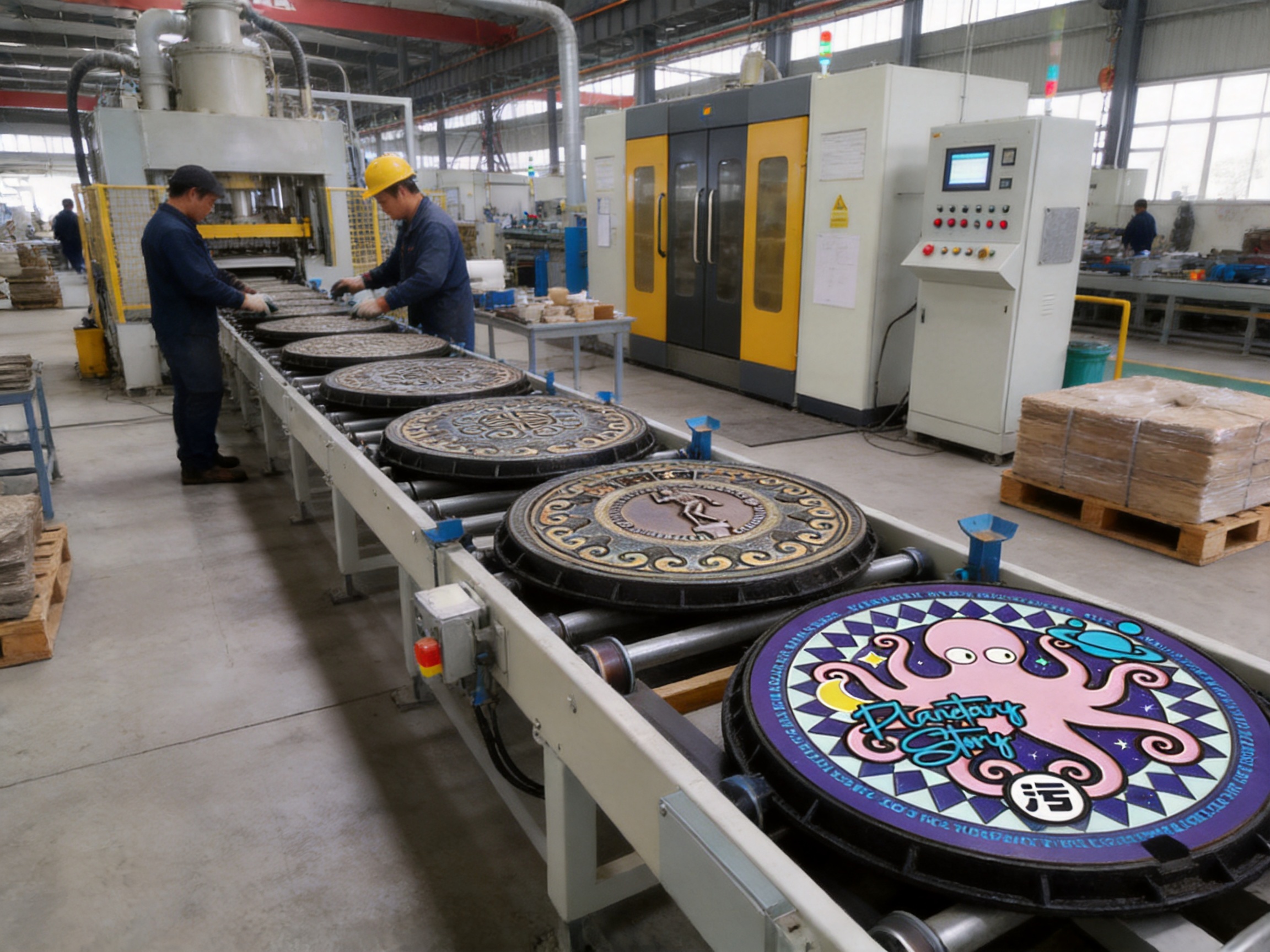
Every decorative manhole cover project has different production targets and site restrictions. A customized line may be designed around the following variables:
1. Product material: cast iron, stainless steel, resin composite, stone-like composite, or another specified substrate.
2. Product dimensions: minimum and maximum diameter, thickness, height, unit weight, and pattern depth.
3. Production capacity: number of covers per shift, daily output, annual capacity, and required expansion potential.
4. Decorative finish: single-color coating, multi-color pattern, textured surface, high-gloss finish, matte finish, or custom artistic design.
5. Automation level: manual loading, semi-automatic handling, automatic conveying, robotic spraying, automatic batching, and intelligent production monitoring.
6. Workshop conditions: available floor area, ceiling height, column positions, loading doors, utility locations, ventilation routes, and fire-safety requirements.
7. Environmental standards: dust collection, paint mist filtration, powder recovery, volatile gas treatment, noise reduction, and waste management.
8. Future flexibility: additional molds, new product sizes, higher output, new coating materials, or future robotic integration.
Layout, mold quantity, conveyor length, curing capacity, spray booth dimensions, and control functions can all be adjusted according to the customer’s process requirements. A proper engineering study should be completed before final equipment selection.
A reliable production line should be supported by a quality management procedure covering raw materials, intermediate processes, finished products, and equipment conditions.
Materials should be checked for identity, batch number, moisture, contamination, shelf life, and storage condition. Resin, pigments, curing agents, powder coatings, and liquid paints should be stored according to supplier requirements.
Finished covers should be checked for diameter, thickness, flatness, edge condition, opening fit, and pattern alignment. Dimensional inspection is especially important where the cover must match a frame or existing municipal structure.
Coating quality may be evaluated through visual inspection, dry film thickness measurement, adhesion testing, hardness testing, color comparison, gloss measurement, and resistance testing. The required tests depend on the customer specification and applicable standards.
Recording batch recipes, curing temperatures, conveyor speed, coating material, operator settings, inspection results, and rework information helps manufacturers identify trends. These records also improve traceability when products are supplied for large infrastructure projects.
Preventive maintenance is essential for maintaining the output and quality advantages of an automated line. Conveyors should be inspected for chain wear, abnormal noise, alignment problems, lubrication issues, and excessive vibration. Hangers and fixtures should be checked for deformation and coating buildup.
Spray guns, pumps, hoses, filters, and recovery equipment should be cleaned at suitable intervals. Clogged filters can reduce airflow, increase energy use, and affect coating quality. Powder systems require attention to reclaim material, color change procedures, grounding, and hopper cleanliness.
Ovens should be inspected for burner or heating-element performance, temperature uniformity, insulation damage, fan condition, and exhaust operation. Sensors and safety devices should be tested according to a documented schedule.
Grinding and blasting areas require regular removal of accumulated dust and abrasive material. Waste materials should be collected and handled according to local environmental and safety requirements. Good housekeeping protects equipment and reduces the risk of contamination during coating.
The investment value of a Decorative Manhole Cover Production Line should be evaluated beyond the initial equipment price. Labor reduction, improved throughput, lower rework, reduced coating waste, better energy management, and stronger product consistency all influence the total operating cost.
When manual handling is reduced, manufacturers may be able to increase output without increasing labor in direct proportion. Stable spray application can reduce excessive coating consumption and minimize defects. Controlled curing can lower the number of products requiring repair or recoating.
A flexible line also supports product diversification. The manufacturer can offer municipal patterns, garden products, decorative composite covers, premium architectural finishes, and custom designs using the same basic production infrastructure with suitable molds, recipes, and process settings.
Higher consistency can improve customer confidence and reduce complaints on large projects. For municipal and commercial customers, the ability to reproduce the same pattern and color across a complete installation is often as important as the individual cover’s structural performance.
Decorative manhole covers are used in pedestrian walkways, parks, gardens, courtyards, commercial plazas, residential compounds, public squares, transit areas, hotel developments, educational facilities, and municipal streets.
In landscaping projects, covers may be designed to match paving stones, planting areas, or garden themes. In commercial and residential projects, custom symbols and patterns can strengthen the visual identity of the development. In municipal applications, decorative covers can display city emblems, utility classifications, or public artwork.
The production line supports these applications by providing controlled manufacturing rather than treating each decorative cover as a one-off workshop item. Once a mold, coating specification, and process recipe have been validated, the same design can be reproduced more efficiently.
Its purpose is to integrate forming, casting or molding, finishing, surface preparation, coating, curing, conveying, inspection, and related environmental control into one coordinated manufacturing system for decorative manhole covers.
The line may be configured for cast iron, stainless steel, resin composite, stone-like composite, colored composite, and other specified materials. The equipment must be selected according to the material’s forming, curing, preparation, and coating requirements.
Yes. Adjustable fixtures, interchangeable molds, programmable recipes, and suitable conveyor clearances can allow the line to process multiple standard sizes. The complete size range should be defined during engineering design.
Yes. Custom molds, inserts, stencils, selective coating, robotic spraying, or manual detail stations can be used depending on the design. The production method should be selected according to pattern depth, color complexity, order volume, and required precision.
Surface preparation removes scale, dust, flash, burrs, loose particles, and other contaminants. It also creates a suitable texture for primer and top-coat adhesion. Poor preparation can lead to peeling, corrosion, uneven appearance, and early coating failure.
Abrasion resistance, corrosion protection, adhesion, color retention, weather resistance, hardness, and resistance to moisture or chemicals are important. The exact priorities depend on whether the cover is installed in a garden, pedestrian zone, roadway, coastal environment, or another location.
Powder coating can be suitable when the substrate, product geometry, curing temperature, and performance requirements are compatible with the selected powder. The line must include appropriate spray equipment, grounding, curing capacity, and powder management systems.
Automatic batching, material transfer, conveying, curing, and process control reduce repeated manual tasks. Operators can focus on loading, unloading, supervision, quality checks, maintenance, and exceptional operations rather than manually moving every cover through every stage.
Depending on the process, the line may require dust collectors, blasting-room extraction, paint mist filters, powder recovery, activated carbon treatment, catalytic or thermal treatment, oven exhaust, and noise-control equipment. The final system should be designed according to the coating process and local regulations.
Important information includes product material, cover diameter and weight, pattern design, coating type, required output, workshop dimensions, preferred automation level, available utilities, environmental requirements, and expected future expansion.
An experienced manufacturer can evaluate the complete process instead of focusing on one machine. This helps coordinate casting-related finishing, conveying, coating, curing, environmental control, electrical systems, installation, commissioning, and after-sales support.
They should control raw material recipes, mold condition, forming pressure or vibration, curing parameters, surface preparation, coating thickness, oven temperature, conveyor speed, and inspection records. Preventive maintenance and operator training are also essential.
A Decorative Manhole Cover Production Line provides a structured solution for manufacturing covers that must be strong, durable, attractive, and consistent. By integrating automatic batching, forming, casting, curing, finishing, surface preparation, primer application, decorative coating, drying, conveying, inspection, and environmental treatment, the line can deliver advantages that are difficult to achieve with isolated manual operations.
The most important benefits include labor saving, stable quality, higher output, flexible product compatibility, improved decorative appearance, durable coating performance, reduced dust and emissions, and easier operation. Customized molds, fixtures, conveyors, curing systems, spray equipment, and control programs allow the line to be matched to different materials, cover sizes, patterns, capacities, and workshop conditions.
Jiangsu Yue Ze Environmental Protection Equipment Co., Ltd. combines more than 40 years of industrial experience with capabilities in coating lines, casting-related painting processes, conveying systems, drying equipment, waste gas treatment, and customized environmental protection solutions. Its experience with heavy cast products and complete finishing-to-coating process lines provides a relevant foundation for decorative manhole cover manufacturing projects.
For manufacturers planning to enter or expand this market, the best equipment solution is not necessarily the largest or most automated system. It is the system correctly matched to the product, capacity, site, coating technology, quality requirements, and future development plan. A properly engineered line can help transform decorative manhole cover production from a labor-intensive workshop activity into a repeatable, scalable, and professionally controlled manufacturing operation.
1. Industrial Surface Preparation and Coating Process Principles.
2. Automated Conveyor System Design for Heavy and Irregular Workpieces.
3. Powder Coating Application, Curing, and Quality Control Practices.
4. Resin Composite Molding and Controlled Curing Technology.
5. Environmental Control Methods for Dust, Paint Mist, and Industrial Coating Emissions.
6. General Quality Management Principles for Cast Metal and Composite Infrastructure Products.
7. Manufacturer-provided technical information on decorative manhole cover production systems, automated coating lines, conveying equipment, curing systems, and environmental protection equipment.
Professional production line specially designed for decorative manhole covers, applicable to various decorative manhole cover types (cast iron decorative manhole cover, stainless steel decorative manh...
See Details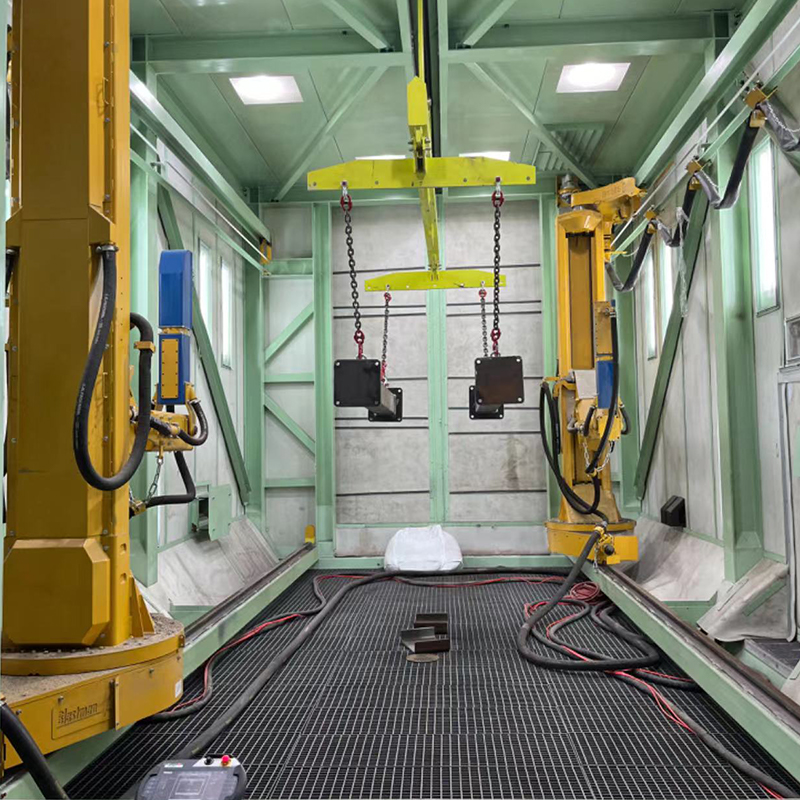
Professional coating line specially designed for large castings and heavy truck parts, applicable to various large castings (engineering castings, mining equipment castings, industrial castings) and h...
See Details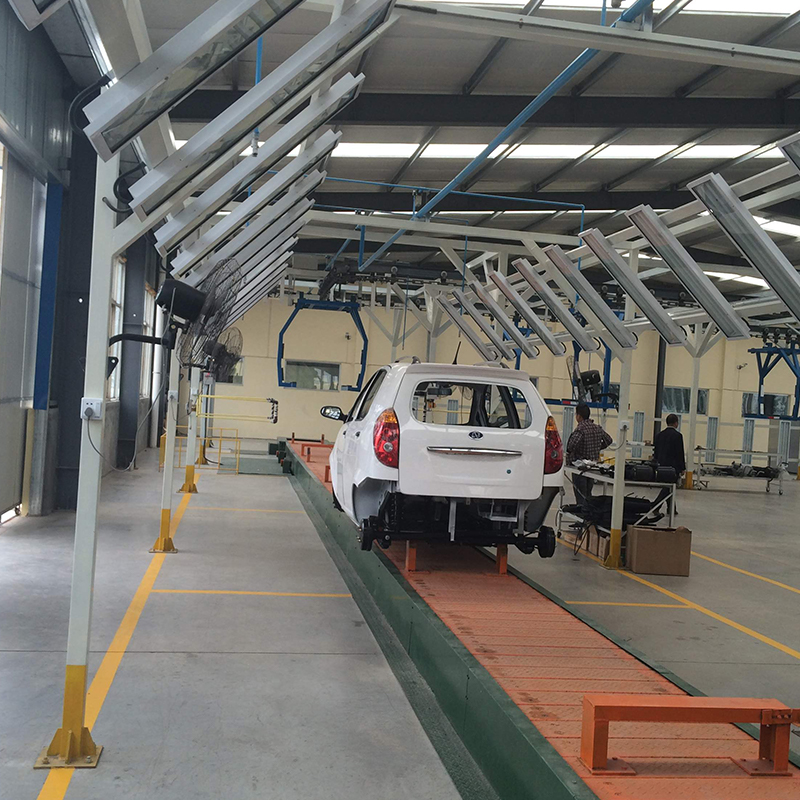
Professional electrophoresis coating line specially designed for electric vehicles (EVs), applicable to various EV types (passenger EV, commercial EV, new energy logistics vehicle) and EV components. ...
See Details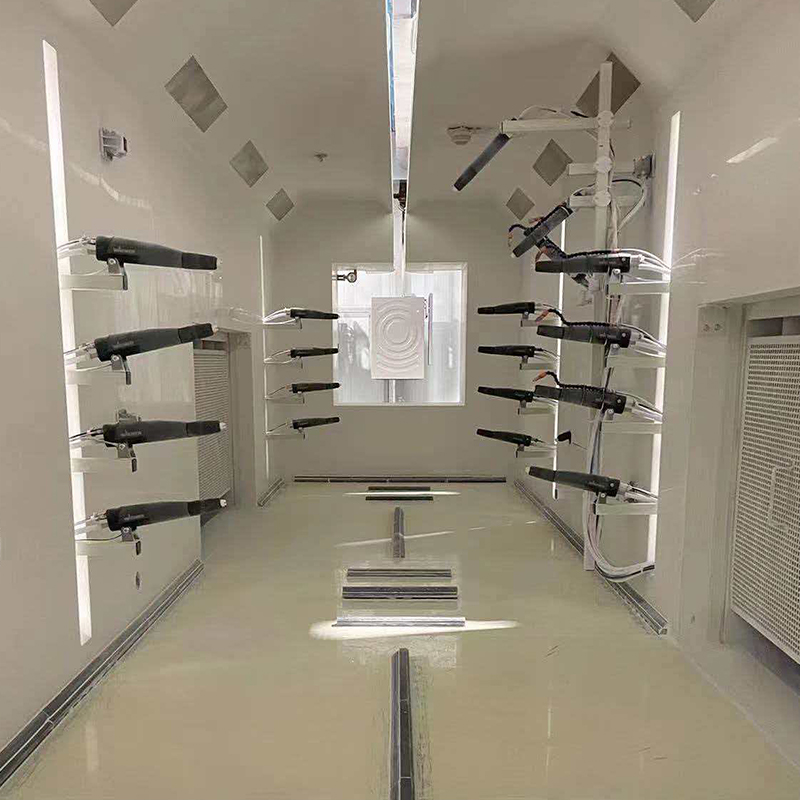
Widely used in metal workpieces such as hardware, auto parts, engineering machinery, metal furniture, art manhole covers, municipal facilities, and precision components, suitable for mass and standard...
See Details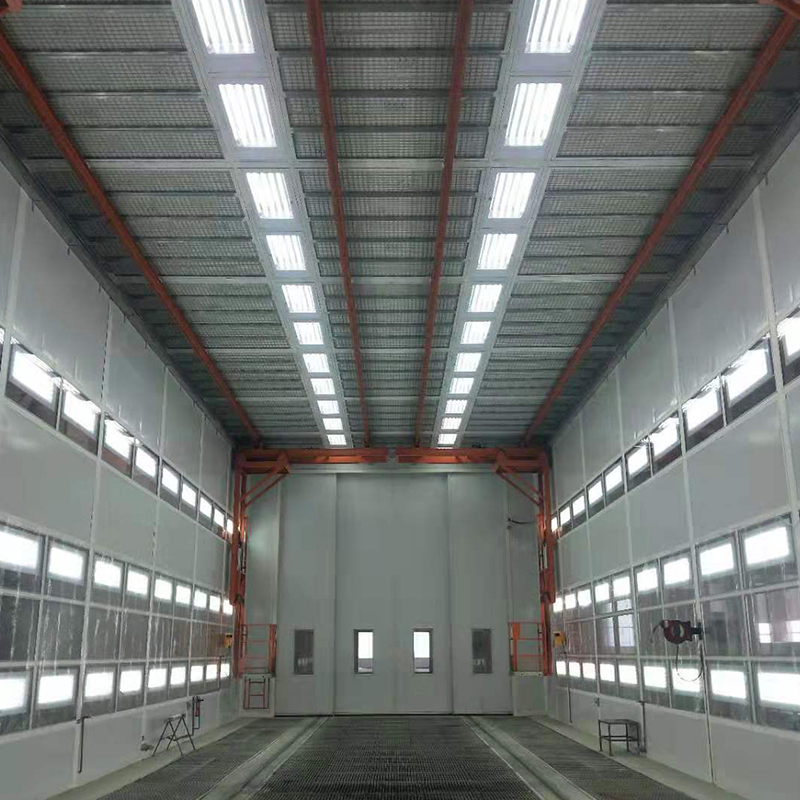
Professional painting line specially designed for grain tank truck body manufacturing and refurbishment, applicable to various grain tank truck types (grain transport tank truck, bulk grain tank truck...
See Details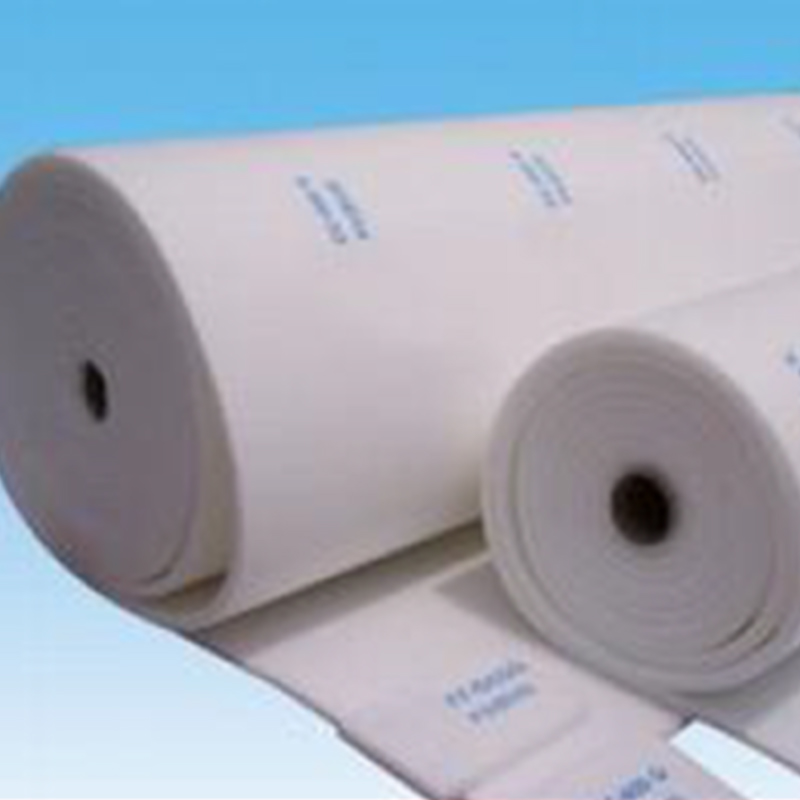
High-Efficiency Air Filter Cotton is a core component for air purification, mainly made of high-quality fiber materials. It has fine and dense filter pores, strong adsorption capacity, good air permea...
See DetailsBuild Your Customized Industrial Coating System
Send us your workpiece information, production capacity, coating process, workshop layout, and environmental requirements. Yueze will help evaluate your project and develop a suitable coating, conveying, drying, and environmental treatment solution.
Main menu
Products
Contact Us
Company Address:
No. 12, Park Avenue, Shanggang Industrial Park, Jianhu, Yancheng City, Jiangsu Province
Message Us Right Now!

Follow us: