
 русский
 عربى
 Tiếng Việt

Professional coating line specially designed for large castings and heavy truck parts, applicable to various large castings (engineering castings, mining equipment castings, industrial castings) and h...
See Details
Yueze Environmental Protection provides one-stop compliant industrial surface treatment solutions with professional tech and fine craftsmanship.
 Get Inquiries
2026-11-09
Content
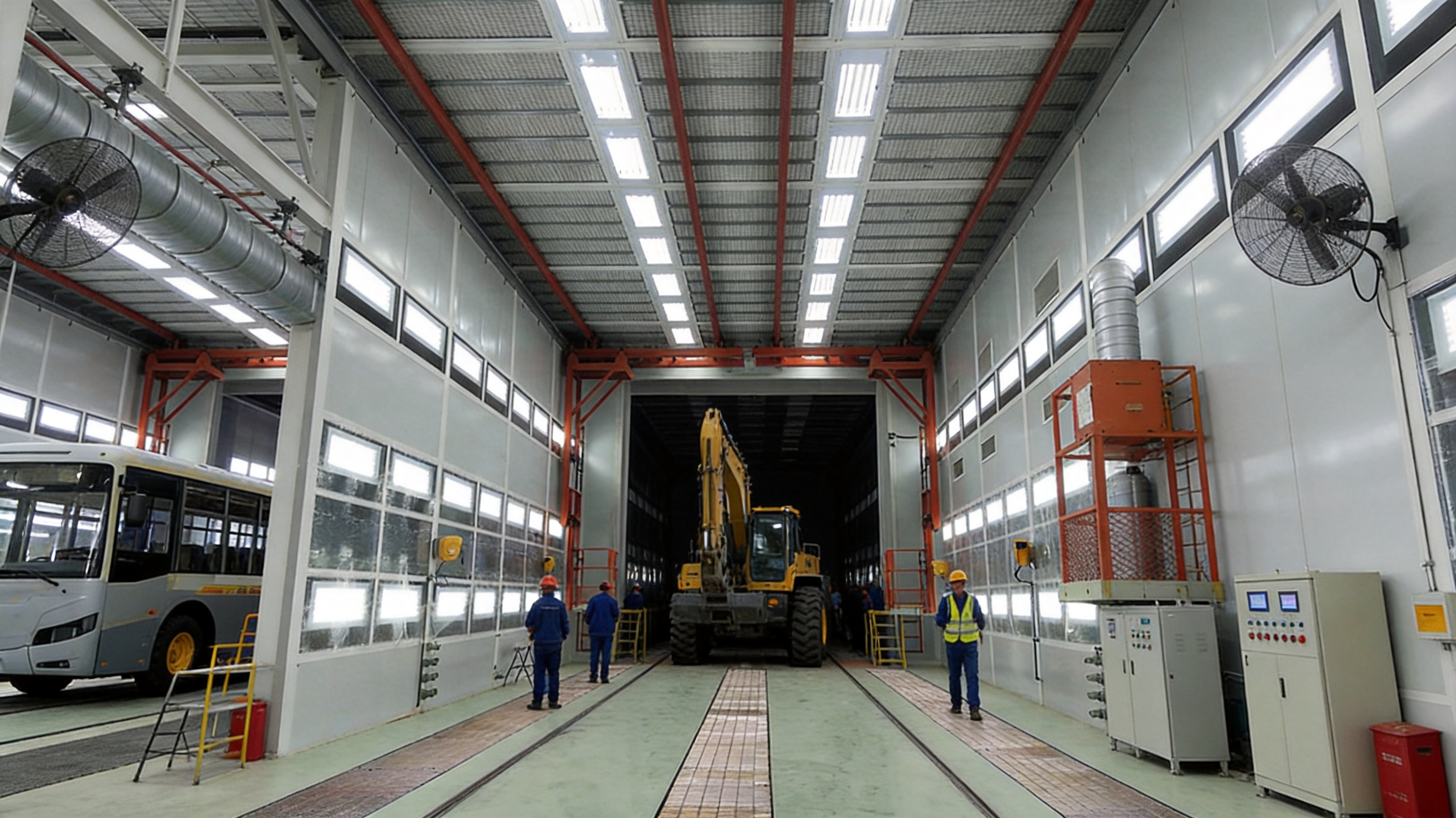
Heavy vehicles require a coating environment that is fundamentally different from a conventional passenger-car paint room. Trucks, buses, trailers, construction machinery, loaders, excavators, and other large equipment present greater surface areas, longer bodies, higher structural loads, and more complex shapes. A standard car spraying booth may not provide sufficient internal space, airflow volume, heating capacity, filtration performance, or structural strength for these applications.
A heavy vehicle spray booth is engineered specifically for demanding industrial coating operations. It combines a large working chamber, controlled air movement, efficient filtration, optional heating systems, explosion-proof electrical equipment, and a reinforced structural design. Depending on the configuration, the booth can support preparation, primer application, topcoat spraying, flash drying, baking, curing, and cooling within one integrated workspace.
Jiangsu Yue Ze Environmental Protection Equipment Co., Ltd. provides customized industrial coating equipment for vehicle manufacturers, repair centers, machinery producers, fleet maintenance facilities, and industrial finishing plants. Based in Yancheng, Jiangsu, China, the company combines equipment design, manufacturing, installation, commissioning, and technical support to create coating systems suited to each customer's vehicle dimensions, production capacity, coating materials, and environmental requirements.
This article explains the working principles, structural advantages, manufacturing strengths, safety features, configuration options, and application value of a heavy vehicle spray booth. It also provides a practical selection guide for organizations comparing an automotive spray booth, car spray booth for sale, or fully customized large-vehicle coating system.
A heavy vehicle spray booth is an enclosed or semi-enclosed industrial coating chamber designed for vehicles and components that exceed the size or weight capacity of ordinary automotive paint booths. Its primary purpose is to create a controlled environment in which paint can be applied evenly while airborne dust, overspray, fumes, humidity, and temperature variations are managed.
The equipment normally includes a booth enclosure, air intake section, filtration units, supply fans, exhaust fans, heating equipment, lighting, control panels, access doors, safety devices, and exhaust treatment components. The exact arrangement depends on whether the customer needs a spray-only room, a spray-and-bake booth, a preparation and coating line, or a fully automated production system.
The chamber can be customized to process a complete bus, a tractor unit, a long trailer, a mining truck, an excavator, an agricultural machine, or large removable parts. Internal dimensions are determined by the maximum vehicle length, width, height, turning radius, working clearance, and maintenance requirements. The design must also allow operators to move safely around the workpiece while wearing protective equipment and using spray guns, hoses, ladders, or access platforms.
Unlike a general workshop, a professional booth controls the direction and velocity of air. Fresh air passes through intake filters before entering the painting area. Contaminated air containing paint mist, solvent vapor, dust, and other particles is collected and discharged through an exhaust filtration system. During baking or curing, the airflow and heating system maintain a stable temperature profile throughout the chamber.
This controlled environment improves coating quality, reduces contamination, supports worker protection, and helps the facility meet applicable environmental and workplace safety requirements.
A passenger car has a relatively compact body, moderate height, and limited surface area. A heavy truck or bus may be several times longer and taller, with recessed panels, roof structures, chassis components, mirrors, wheel arches, engine compartments, and other difficult-to-reach areas. These differences directly affect booth design.
The first requirement is adequate internal space. A vehicle must not be positioned too close to the walls, ceiling, filters, or lighting fixtures. Insufficient clearance can interrupt airflow, limit operator movement, increase the risk of accidental contact with wet paint, and make maintenance more difficult. A large booth therefore requires careful calculation of the working envelope rather than simply enlarging a standard passenger-car enclosure.
The second requirement is greater airflow capacity. A larger chamber contains a greater volume of air and generates more overspray during each coating cycle. If the exhaust system is undersized, paint mist may remain suspended in the chamber, settle on freshly coated surfaces, or escape through unintended openings. High-capacity supply and exhaust systems help maintain a stable air path and remove contaminated air efficiently.
The third requirement is uniform temperature distribution. Long vehicle bodies can experience significant temperature differences between the front, center, rear, roof, and lower sections if the heating system is poorly designed. Uneven temperatures may produce inconsistent flash-off, curing, gloss, hardness, and color appearance. A properly engineered heating and circulation system distributes heat across the entire chamber.
The fourth requirement is structural durability. A booth for heavy industrial use may operate for extended cycles and accommodate large doors, access systems, ventilation equipment, and maintenance platforms. Reinforced steel framing and appropriately selected sandwich wall panels provide rigidity, wind resistance, thermal performance, and long-term service stability.
Finally, the booth must accommodate the coating materials and operating conditions used by the customer. Water-based paints, solvent-based coatings, primers, topcoats, clear coats, and specialized industrial finishes may have different drying requirements and safety considerations. A customized design allows the airflow, filtration, heating, lighting, and control systems to be matched to the actual production process.
The most visible advantage is the large internal chamber. The booth can be designed for complete vehicles or oversized parts, including heavy trucks, buses, trailers, engineering machinery, loaders, excavators, agricultural equipment, and industrial assemblies.
Customized length, width, and height allow the booth to fit the customer's largest workpiece while maintaining safe operator clearance. The internal layout can also accommodate removable parts, painting carts, work platforms, exhaust channels, and inspection areas. This flexibility is especially important for companies that process several vehicle types rather than a single standardized model.
A large chamber also improves production organization. Operators can complete more of the coating process in one controlled environment instead of moving a partially coated vehicle between several rooms. Fewer transfers reduce the risk of dust contamination, accidental damage, and production delays.
An integrated spray-and-bake configuration allows spraying, flash drying, heating, curing, and cooling to take place in one booth. The system can be operated in different modes according to the process stage. During spraying, the focus is on filtered air supply, overspray capture, and safe exhaust. During baking, the heating system raises the chamber to the programmed temperature and maintains the required curing period.
This configuration saves workshop space compared with separate spray and curing rooms. It can also reduce capital investment, simplify material handling, and shorten vehicle transfer time. When the booth is designed with appropriate controls and safety interlocks, operators can change from spraying mode to baking mode in a controlled sequence.
An integrated system is particularly useful for repair centers, fleet maintenance depots, bus manufacturers, special vehicle producers, and facilities with limited floor area. The final design must nevertheless be selected according to the coating manufacturer's technical data, especially the specified flash-off time, curing temperature, curing duration, and ventilation requirements.
Airflow is one of the main factors determining finish quality. The heavy vehicle spray booth can use down-draft, semi-down-draft, cross-flow, or another engineered ventilation arrangement. The appropriate configuration depends on the vehicle dimensions, booth layout, coating process, and environmental requirements.
In a down-draft arrangement, filtered air enters from the ceiling and moves downward toward the floor or lower exhaust area. This direction helps carry overspray away from the upper painted surfaces and reduces the likelihood that particles will remain suspended near the vehicle. A semi-down-draft design can provide a practical balance between performance, construction complexity, and operating cost.
Stable ventilation reduces paint mist accumulation and helps maintain a more consistent spray pattern. It also supports a smoother painted surface by lowering the risk of dust nibs, dry spray, runs, sags, and uneven deposition. Air velocity must be controlled carefully: excessive velocity can disturb the spray pattern or accelerate solvent evaporation, while insufficient velocity may fail to capture overspray effectively.
For large vehicles, the airflow system must account for the obstruction created by the vehicle body. Computational analysis, engineering calculations, equipment experience, and commissioning measurements can be used to develop a balanced supply and exhaust arrangement. Proper filter loading management is also essential because clogged filters change airflow resistance and reduce system performance.
Coating performance is influenced by ambient temperature, surface temperature, relative humidity, air movement, and the characteristics of the paint. A booth with intelligent temperature control can provide a more stable process environment during both spraying and curing.
Stable temperature helps improve paint atomization, leveling, flash-off, film formation, adhesion, gloss, and curing consistency. Humidity control can be valuable when the facility operates in humid weather or when the coating system is sensitive to moisture. By maintaining more predictable conditions, the booth helps reduce seasonal variation in finish quality.
The control system can be configured to monitor and regulate temperature according to the selected operating mode. During spraying, the air temperature may be maintained at a level suitable for application. During baking, the system can follow a programmed heating profile. After curing, a cooling stage can help bring the vehicle to a safe handling temperature before it exits the booth.
Actual temperature settings should always follow the coating supplier's technical instructions. The booth manufacturer provides the equipment and control platform, while the paint manufacturer establishes the coating process parameters for each product.
Large chambers require effective heating systems capable of raising the temperature quickly and maintaining uniform heat distribution. Depending on local energy availability, operating cost, facility conditions, and customer preference, heating may use diesel, natural gas, electricity, or a heat pump system.
Fuel-fired systems can provide high thermal output and rapid temperature rise. Electric heating offers clean operation at the point of use and can be appropriate where electricity is readily available. Heat pump technology may provide energy-saving benefits in suitable climates and operating conditions. The selection should consider fuel prices, required curing temperatures, duty cycle, ventilation design, maintenance resources, and local regulations.
Energy efficiency is not determined by the heater alone. Insulated wall panels, sealed doors, suitable air recirculation during the bake cycle, efficient burners or heating elements, correctly sized fans, and automatic temperature control all contribute to energy performance. A well-designed system avoids unnecessary heat loss and reduces repeated reheating.
During baking, partial or controlled air recirculation may be used when permitted by the process and safety design. During spraying and solvent removal, the system generally requires the appropriate fresh-air and exhaust operation. Safety controls must prevent unsafe operating combinations and ensure that the burner or heating elements function only under approved conditions.
Filtration protects the workpiece, the ventilation equipment, the operators, and the surrounding environment. Intake filtration removes dust and airborne particles before fresh air reaches the coating area. Exhaust filtration captures paint mist and particulate matter before air leaves the booth.
A multi-stage system may include primary filters for larger particles, finer intake filters for cleaner supply air, paint arrestor filters for overspray capture, and additional treatment stages selected according to the coating material and emission requirements. The arrangement can be customized for water-based coatings, solvent-based coatings, high-solid paints, or specialized industrial materials.
Effective filtration reduces the risk of surface defects and helps limit the discharge of harmful substances. It also protects fans, ducts, heaters, and other equipment from excessive contamination. Filters are consumable components and must be inspected, replaced, and disposed of according to operating conditions and applicable regulations.
Environmental performance depends on the complete system, including booth sealing, exhaust volume, filter selection, duct routing, maintenance, and local emission-treatment requirements. Customers should conduct site-specific compliance assessments before installation. The equipment can be configured to support the customer's environmental management plan and applicable emission standards, but operating compliance also requires correct maintenance and process control.
A large industrial booth must remain stable under long-term operating conditions. The structure generally uses reinforced steel framing and insulated sandwich wall panels. The steel frame provides mechanical strength, while the wall panels help maintain temperature, reduce heat loss, and create a clean internal surface.
Panel thickness, insulation material, frame spacing, door structure, roof configuration, and foundation requirements are selected according to the booth size, local climate, wind conditions, heating method, and installation environment. Reinforced construction helps resist deformation and supports the large doors, lighting fixtures, air handling equipment, and access systems associated with a heavy vehicle booth.
Durable construction also improves maintainability. Replaceable wall panels, accessible filter sections, service doors, inspection platforms, and organized electrical cabinets can reduce downtime during routine maintenance. The specific design should provide enough access for fan inspection, filter replacement, burner servicing, lighting replacement, and control-system troubleshooting.
Spray operations can involve flammable solvents, combustible paint mist, and potentially hazardous vapors. The booth must therefore be designed with safety as a central engineering requirement rather than as an optional afterthought.
Depending on the process and applicable regulations, the configuration may include explosion-proof fans, explosion-proof lights, anti-static measures, grounding systems, smoke detection, fire protection devices, emergency stop controls, safety interlocks, and suitable electrical components. Equipment selection must be based on the actual coating materials, hazardous-area classification, airflow conditions, and local code requirements.
Grounding and bonding help reduce the accumulation of static electricity. Explosion-proof lighting provides sufficient visibility while minimizing ignition risk. Interlocks can prevent heating from operating when airflow is inadequate or when access doors are open. Fire detection and suppression arrangements should be selected in consultation with qualified safety professionals and local authorities.
Operators must also receive training in paint handling, personal protective equipment, ventilation checks, emergency procedures, filter maintenance, and fire prevention. Mechanical safety features are most effective when combined with disciplined operating procedures.
A heavy vehicle booth must be easy to enter, use, inspect, and maintain. Large electric sliding doors allow trucks, buses, trailers, and machinery to move in and out efficiently. A separate personnel door supports daily operator access without opening the main vehicle door unnecessarily.
Observation windows improve visibility from outside the chamber. Internal lighting should provide an even view of the painted surface without producing excessive heat or glare. Maintenance platforms, inspection walkways, ladders, and service areas can be incorporated where the chamber height makes them necessary.
Humanized design also includes control-panel positioning, clearly identified operating modes, emergency stop locations, filter access, drainage arrangements, hose management, and cleaning provisions. A booth that is easy to operate correctly is more likely to deliver consistent results over many production cycles.
Before the vehicle enters the booth, the surface should be cleaned, degreased, repaired, sanded, masked, and inspected according to the coating specification. Dust, oil, rust, moisture, and loose material can affect adhesion and finish quality regardless of booth performance.
Large parts may be removed or positioned on suitable stands. Openings that should not receive paint are masked. The vehicle is then moved into the booth with sufficient clearance from walls, doors, lights, and ventilation surfaces.
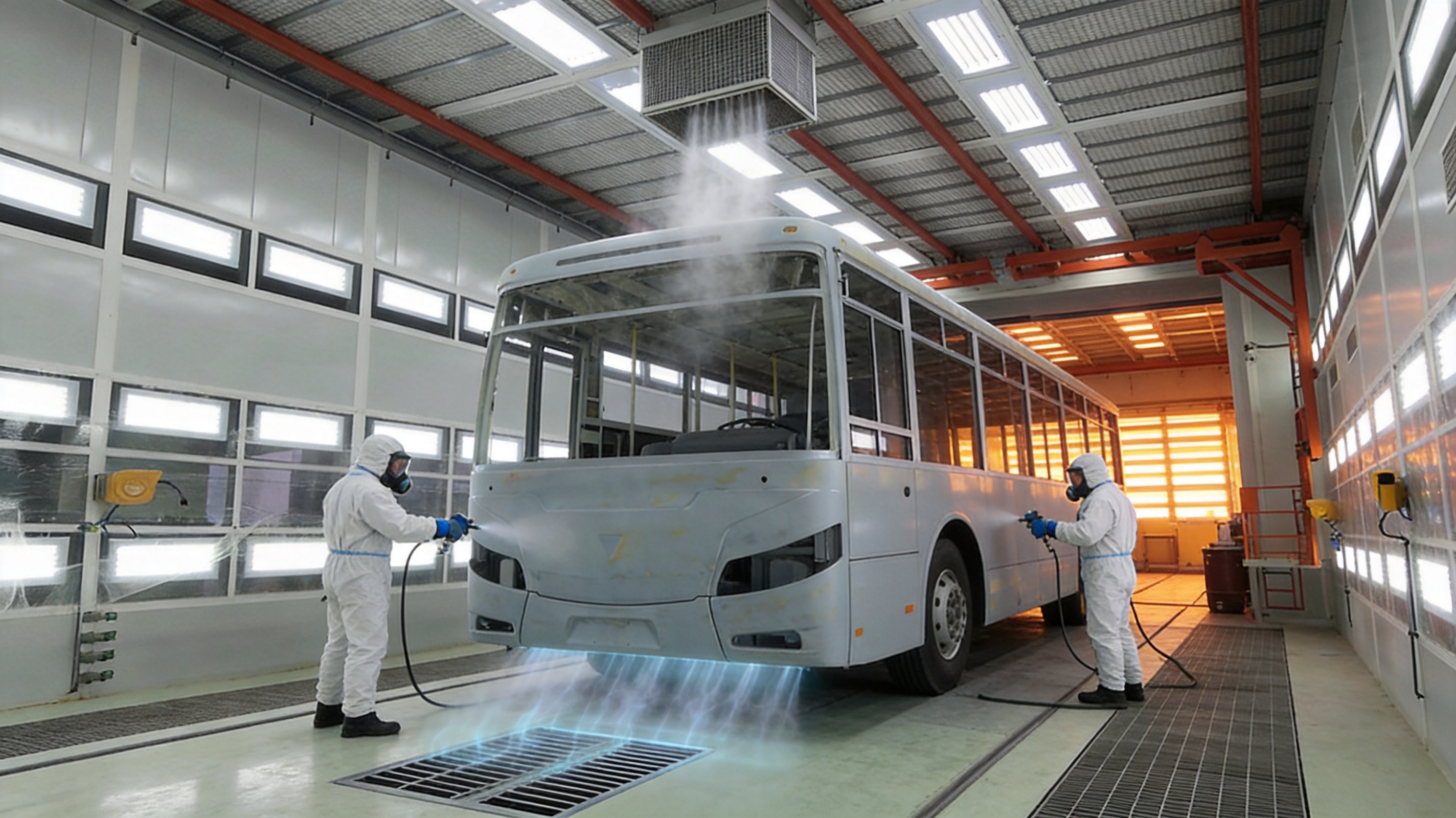
Once the booth is placed in spraying mode, the ventilation system draws fresh air through the intake filters. The filtration system removes airborne particles before the air enters the working chamber. Clean, consistent supply air helps minimize contamination during primer, color, and clear-coat application.
The operator should confirm that filters are correctly installed, doors are closed, and the airflow indicator or control system shows normal operation. Filter condition has a direct effect on airflow balance, so inspection schedules should be established according to production volume and coating type.
The coating process may include primer, surfacer, basecoat, topcoat, and clear coat. Spray-gun selection, pressure, atomization, overlap, coating thickness, and operator technique are determined by the paint system and production requirements.
During spraying, the booth continuously captures overspray and guides contaminated air toward the exhaust filtration system. The operator can work around the vehicle while maintaining a controlled environment. For complex vehicles, the sequence may begin with difficult-to-reach areas and progress toward large visible panels to support uniform coverage.
Stable airflow helps minimize the effect of overspray on adjacent surfaces. However, booth operation cannot replace good application technique. Excessive coating thickness, incorrect spray distance, poor overlap, or unsuitable flash-off conditions can still produce defects.
After spraying, the coating may require a flash-off period. During this stage, part of the solvent or water carrier evaporates while the film stabilizes. The booth can maintain suitable ventilation and temperature according to the coating supplier's instructions.
For the baking stage, the system changes to the programmed curing mode. The heating unit raises the chamber temperature while fans circulate warm air. Sensors and controllers monitor the process and help maintain the target temperature profile. Uniform circulation is particularly important for long vehicles, because the roof, side panels, front section, rear section, and lower areas may otherwise cure at different rates.
When the curing cycle is complete, the booth can enter a cooling or exhaust mode. The vehicle should remain in the booth until the surface is safe to handle and the atmosphere is suitable for opening the doors. Actual cycle duration depends on the coating material, vehicle mass, booth configuration, and required finish.
A standard automotive spray booth is often optimized for passenger cars and smaller repair operations. It may have a compact footprint, moderate airflow volume, smaller doors, and heating capacity suited to a shorter vehicle body. Such a booth can be highly effective within its intended application.
A heavy vehicle spray booth is designed for a different operating envelope. It provides more internal space, higher-capacity ventilation, stronger structural components, larger access doors, and greater heating capacity. These features make it suitable for large and heavy workpieces but may involve a higher initial investment and larger installation area.
The right choice is not necessarily the largest available booth. Buyers should select a system based on the largest workpiece, required production rate, coating technology, available utilities, environmental conditions, and future expansion plans. A booth that is too small creates operational limitations, while one that is unnecessarily large may increase energy use and capital cost.
| Vehicle or Workpiece | Recommended Booth Type | Main Design Requirement | Typical Consideration |
|---|---|---|---|
| Passenger cars | Standard automotive spray booth | Compact chamber and balanced airflow | Fast cycle time and efficient use of floor space |
| Light trucks and vans | Extended automotive spray booth | Increased chamber length and door size | Additional clearance for longer bodies |
| Buses and heavy trucks | Heavy vehicle spray booth | High-volume airflow and reinforced structure | Uniform ventilation over a large surface area |
| Trailers and engineering machinery | Customized large-part spray booth | Flexible dimensions and access arrangements | Irregular geometry and removable components |
| Large industrial assemblies | Industrial coating and curing booth | Customized loading, heating, and exhaust system | Workpiece weight, process time, and coating chemistry |
Jiangsu Yue Ze Environmental Protection Equipment Co., Ltd. provides integrated design, manufacturing, installation, commissioning, and customized equipment services. This approach allows the company to coordinate the booth enclosure, ventilation system, filtration, heating, control panel, access doors, and environmental equipment as one complete solution.
Integrated engineering is valuable because a coating booth is not simply a fabricated room. Its performance depends on the relationship between chamber dimensions, fan capacity, air distribution, filter resistance, heating output, control logic, electrical safety, and production workflow. Coordinating these elements from the beginning can reduce compatibility problems during installation.
The company has more than 40 years of experience in environmental protection equipment and industrial surface treatment solutions. Its product scope includes powder coating lines, electric vehicle assembly lines, automotive counterweight spray lines, paint and bake booths, large-part grinding rooms, waste gas treatment equipment, infrared radiation drying systems, automated conveying systems, intelligent coating lines, and related environmental equipment.
This broad experience provides a practical foundation for designing equipment around the complete process rather than treating the booth as an isolated unit. A customer may require surface preparation, grinding, coating, drying, conveying, exhaust treatment, and production management. Experience across these areas can support better coordination of the entire workflow.
The company is located in Yancheng, Jiangsu, China, and covers approximately 35,000 square meters. Its registered capital is reported as 58 million yuan. A substantial manufacturing base supports the fabrication, assembly, inspection, storage, and delivery of large industrial equipment.
Large equipment projects require space for steel-frame production, wall-panel preparation, fan and duct assembly, electrical integration, pre-installation checks, and packaging. Manufacturing capacity is particularly important for heavy vehicle booths because the equipment may involve oversized panels, large doors, long ducts, high-capacity fans, and customized structural components.
Every customer has a different combination of vehicle size, production volume, building layout, utilities, climate, coating material, and environmental requirements. A customized approach begins with collecting application data, including the maximum vehicle dimensions, working clearance, daily throughput, coating type, required curing temperature, available energy source, local emission standards, and preferred loading method.
The engineering team can then develop a configuration covering chamber dimensions, airflow direction, fan capacity, filter stages, heating method, door type, lighting, control functions, safety devices, and exhaust treatment. This method helps avoid the limitations of a one-size-fits-all product.
Customization may also include special access doors for trailers, removable roof sections, maintenance platforms, vehicle positioning systems, additional inspection lighting, separate mixing rooms, preparation areas, or integration with an automated conveyor. The final design should be reviewed against the customer's building, process, and safety requirements before manufacturing begins.
In 2014, the company pioneered a hanging automatic painting process line for casting counterweight blocks. The line covered the process from finishing and polishing through primer and topcoat application. This experience demonstrates the company's involvement in automated coating process development rather than only basic booth fabrication.
Knowledge gained from automatic painting lines can be applied to vehicle coating projects that require controlled movement, repeatable process stages, timed drying, automated conveying, or production data management. Even when a heavy vehicle spray booth is operated manually, the surrounding process can benefit from engineering principles developed for automated systems.
Industrial equipment quality involves more than the appearance of the finished enclosure. Structural dimensions, door operation, fan rotation, electrical connections, heating performance, control logic, filter installation, airflow balance, and safety interlocks should all be checked.
Commissioning verifies that the equipment operates according to the design conditions. Depending on the project, commissioning may include temperature testing, airflow inspection, pressure checks, control-system testing, emergency-stop verification, heater interlock testing, lighting inspection, and operator training.
Proper commissioning helps the customer establish a reliable baseline for future maintenance. Operating data collected during commissioning can also support troubleshooting if airflow, heating, or finish quality changes later in the booth's service life.
Provide the actual maximum length, width, height, and weight of the vehicles or equipment to be painted. Include roof-mounted components, mirrors, exhaust stacks, ladders, spoilers, open doors, and other protruding parts. Add working clearance for operators and spray equipment.
If the facility expects to process larger vehicles in the future, the design should account for planned expansion. However, excessive unused volume may increase heating and ventilation costs, so future capacity should be evaluated carefully.
Daily or weekly production volume affects booth size, cycle time, heating capacity, filter life, and whether one booth is sufficient. A repair center with irregular jobs may prioritize flexibility, while a manufacturer with repetitive output may need a synchronized conveyor and multiple process zones.
Customers should calculate the complete cycle, including loading, masking, spraying, flash-off, curing, cooling, inspection, and unloading. A booth with a short spray time may still create a production bottleneck if the curing cycle is long or vehicle movement is inefficient.
Specify whether the process uses water-based paint, solvent-based paint, primer, topcoat, clear coat, high-solid coatings, or specialty industrial materials. Coating chemistry affects ventilation, filtration, heating, flash-off, fire safety, and emission treatment requirements.
The paint supplier's technical data should be considered when selecting the booth. The equipment must support the required application and curing conditions without exceeding safe operating limits.
Compare diesel, gas, electric, and heat pump options according to local energy costs, available utilities, installation requirements, maintenance capability, and environmental regulations. The most economical option depends on the operating profile and location.
Heating capacity should be calculated for the booth volume, target temperature, ambient conditions, wall insulation, door opening frequency, fresh-air volume, and vehicle heat load. An undersized system may produce long heating times, while an oversized system may raise capital and operating costs.
Review the building height, floor strength, available electrical capacity, fuel supply, exhaust route, fire protection system, drainage, ventilation space, and access for equipment delivery. Large booths often require careful coordination with the building structure and local authorities.
Environmental compliance should be assessed before purchase. Exhaust filtration, additional gas treatment, stack design, monitoring requirements, and waste-filter disposal procedures may vary by region and coating process.
Ask about filter replacement, fan servicing, burner maintenance, electrical inspection, sensor calibration, panel cleaning, door maintenance, and control-system support. A booth's long-term performance depends heavily on preventive maintenance.
Consumables such as intake filters, exhaust filters, paint arrestors, seals, lamps, and sensors should be available with reasonable lead times. Operators should maintain records of filter changes, temperature performance, airflow checks, alarms, and repairs.
Keep the booth clean and remove accumulated paint residue from floors, walls, lights, grilles, and accessible equipment. Excessive overspray can reduce lighting quality, affect airflow, increase fire risk, and contaminate future work.
Inspect intake and exhaust filters regularly. Replace filters when pressure loss, visible contamination, reduced airflow, or coating defects indicate that they are no longer performing correctly. Used filters should be handled and disposed of according to the coating material and local waste regulations.
Check fans, belts, bearings, dampers, ducts, burners, heating elements, sensors, and control cabinets according to a documented maintenance schedule. Abnormal vibration, noise, temperature fluctuation, or airflow change should be investigated promptly.
Verify safety systems regularly, including emergency stops, door interlocks, smoke detection, grounding, fire protection, and heater shutdown functions. Safety devices should never be bypassed to accelerate production.
Train operators in booth start-up, spray mode, baking mode, cooling mode, emergency shutdown, filter inspection, fire response, and personal protective equipment. Clear operating instructions improve both safety and coating consistency.
The competitive advantage of a high-quality heavy vehicle spray booth is not limited to its physical size. Its value comes from combining finish quality, throughput, safety, energy management, environmental protection, and long service life.
Compared with a basic workshop enclosure, a professionally engineered booth offers more predictable airflow and better contamination control. Compared with a standard car spraying booth, it provides the capacity and structural strength needed for large vehicles. Compared with a collection of separate process rooms, an integrated spray-and-cure system may reduce transfers, floor-space requirements, and handling time.
Customized engineering can also reduce hidden costs. A booth designed around the real vehicle dimensions is less likely to require later structural modifications. Correctly sized fans and heaters can avoid unnecessary energy consumption. Accessible filters and service areas can shorten maintenance time. Reliable control and safety systems can reduce process interruptions and operational risks.
For manufacturers and fleet operators, consistent coating quality can improve product appearance, corrosion protection, resale value, and customer confidence. For repair centers, faster and more reliable cycles can increase workshop utilization. For industrial equipment producers, a suitable booth supports repeatable finishing across large and complex components.
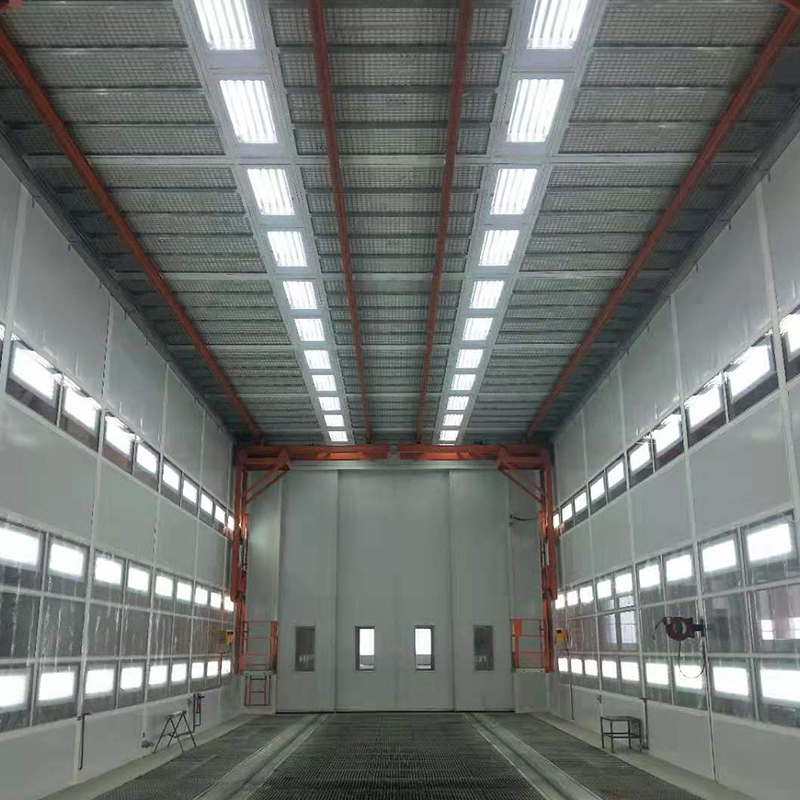
Heavy Vehicle Spray Booth
Buses require large interior clearance and uniform coverage across broad side panels, curved roofs, front sections, rear panels, and lower body areas. A heavy vehicle booth provides the length and ventilation capacity needed for complete-body coating. Integrated curing can help manufacturers move efficiently from color application to final finish.
Fleet operators and repair companies often need to repaint tractor units, cargo bodies, tankers, refrigerated trailers, and specialized transport equipment. These vehicles may vary considerably in length and geometry. A customized booth with large doors and flexible internal space supports mixed workloads.
Excavators, loaders, cranes, dump trucks, drilling machines, and mining equipment combine large dimensions with complex surfaces. Their coating process may require high-capacity ventilation, strong lighting, elevated work platforms, and extended curing time. The booth can be configured for complete machines or large components.
Tractors, harvesters, planting machines, and other agricultural equipment require corrosion-resistant coatings and often include irregular frames, tanks, hoppers, and attachments. A large coating chamber provides sufficient space for flexible positioning and operator access.
Transformers, steel structures, machinery housings, industrial frames, and other large assemblies can be painted in a heavy-duty booth when the process requires controlled air, heating, and exhaust filtration. The configuration can be adapted to loading cranes, carts, rails, or customized conveying systems.
A heavy vehicle spray booth can operate as a standalone unit or as part of a broader coating production line. The complete system may include pre-treatment, sanding, grinding, masking, spraying, curing, inspection, conveying, exhaust treatment, and waste management.
Automated conveying systems can move parts between process stages. For large vehicles, floor conveyors, rail systems, lifting platforms, or customized transport carts may be selected according to vehicle weight and facility layout. Automation can reduce manual handling and create more consistent production timing.
Infrared radiation drying may be used as an auxiliary or specialized drying method for selected components and coating systems. Waste gas purification equipment can provide additional treatment where required. Large-part grinding rooms can be installed upstream of the spray booth to isolate dust-generating preparation work from the clean coating environment.
Integrating these functions requires process planning. The plant layout should separate dusty preparation operations from clean painting operations, provide safe traffic routes, and allow maintenance access. The company’s experience with coating lines, conveyor systems, environmental equipment, and drying systems supports the development of coordinated solutions for customers with more complex production needs.
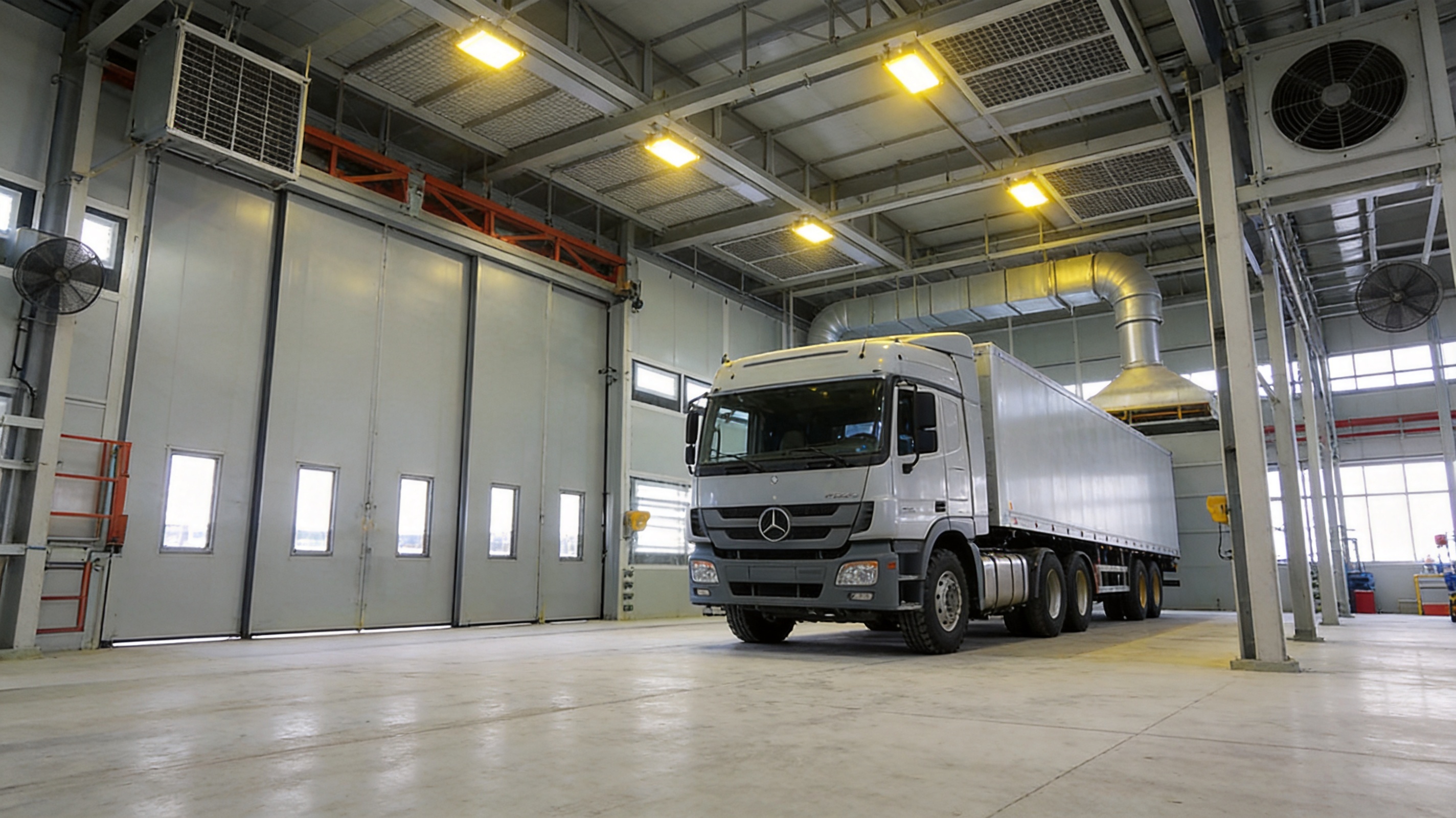
A heavy vehicle spray booth has a larger chamber, larger doors, higher ventilation capacity, greater heating output, and reinforced structural components. It is designed for trucks, buses, trailers, construction machinery, and other large workpieces, while a standard car booth is primarily designed for passenger vehicles.
Yes. A spray-and-bake configuration can perform coating application, flash drying, curing, and cooling in one chamber. The control system changes the ventilation and heating functions according to each stage. The actual process must follow the coating supplier's technical requirements.
Down-draft and semi-down-draft systems are commonly considered because they help move overspray away from painted surfaces. The correct choice depends on vehicle size, booth dimensions, building conditions, coating materials, required finish quality, and environmental regulations.
The booth can be configured for different coating systems, including water-based and solvent-based products. However, ventilation, filtration, fire safety, heating, electrical classification, and exhaust treatment must be selected according to the specific paint materials and applicable regulations.
Possible heating methods include diesel, gas, electric, and heat pump systems. The best option depends on local energy prices, available utilities, required curing temperature, operating schedule, maintenance resources, and environmental conditions.
Filtered air reduces dust contamination, controlled airflow removes overspray, stable temperature supports consistent application and curing, and suitable lighting helps operators identify surface defects. These factors together improve finish uniformity, gloss, adhesion, and overall appearance.
Replacement frequency depends on paint type, production volume, overspray level, filter design, pressure loss, and visible contamination. Filters should be inspected regularly and replaced when airflow, cleanliness, pressure, or coating quality indicates reduced performance.
Most large booths require planning for floor strength, building height, access for delivery, electrical power, fuel supply, exhaust routing, ventilation clearance, fire protection, and maintenance space. A site survey should be completed before finalizing the equipment design.
Yes. The chamber dimensions, airflow arrangement, door configuration, heating system, lighting, and control functions can be customized for a customer's vehicle mix. The design should be based on the largest workpiece and the required production capacity.
Project support may include application consultation, equipment design, manufacturing, installation, commissioning, operator training, maintenance guidance, and spare-parts assistance. The exact scope should be confirmed in the technical proposal and sales contract.
Yes. The booth can be adapted for large machinery, steel structures, engineering components, agricultural equipment, industrial housings, and other oversized workpieces. Loading method, workpiece weight, coating chemistry, and curing requirements must be evaluated during design.
A heavy vehicle spray booth is a specialized industrial asset for organizations that need to coat trucks, buses, trailers, construction machinery, agricultural equipment, and large assemblies. Its performance depends on more than chamber dimensions. High-capacity airflow, uniform ventilation, efficient heating, multi-stage filtration, durable construction, safe electrical equipment, convenient access, and intelligent control must work together as one system.
The most important purchasing decision is to match the booth with the real production process. Buyers should evaluate maximum workpiece size, vehicle mix, coating materials, required finish quality, production volume, energy source, environmental requirements, building conditions, maintenance resources, and future expansion plans.
Jiangsu Yue Ze Environmental Protection Equipment Co., Ltd. combines more than 40 years of industrial experience with integrated research, design, manufacturing, installation, and customized engineering capabilities. Its manufacturing base, broad product range, experience with automated coating lines, and focus on environmental protection equipment support the development of large-vehicle coating solutions for different industries.
With the correct configuration and disciplined operation, a heavy vehicle spray booth can improve coating consistency, reduce contamination, support environmental management, increase production flexibility, and provide a durable foundation for professional large-equipment finishing.
1. Industrial spray booth design principles for controlled coating environments.
2. General guidance on automotive and heavy-equipment paint application processes.
3. Technical data sheets and curing recommendations provided by coating-material manufacturers.
4. General requirements for industrial ventilation, paint mist filtration, and exhaust management.
5. General safety practices for flammable coatings, explosion-proof equipment, grounding, and fire prevention.
6. Industrial surface-treatment process planning and automated conveying system guidelines.
7. Manufacturer information concerning customized heavy vehicle spray booths, paint and bake booths, coating lines, environmental equipment, and related industrial finishing systems.
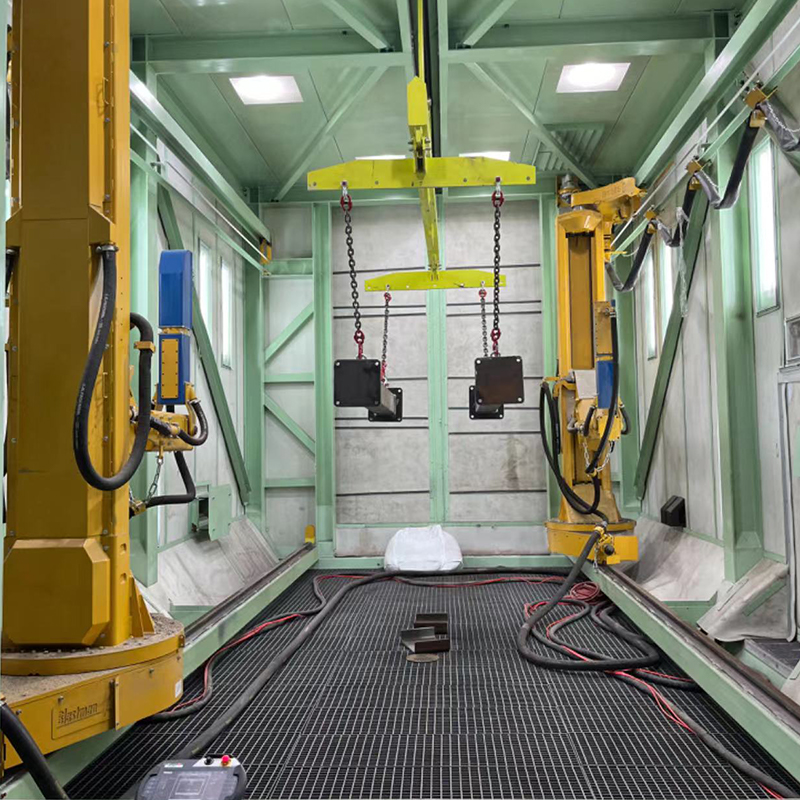
Professional coating line specially designed for large castings and heavy truck parts, applicable to various large castings (engineering castings, mining equipment castings, industrial castings) and h...
See Details
Heavy vehicle spray booth is a large-scale professional coating workshop, specially designed for oversize and heavy equipment. With powerful air circulation, heating system, and multi-stage exhaust fi...
See Details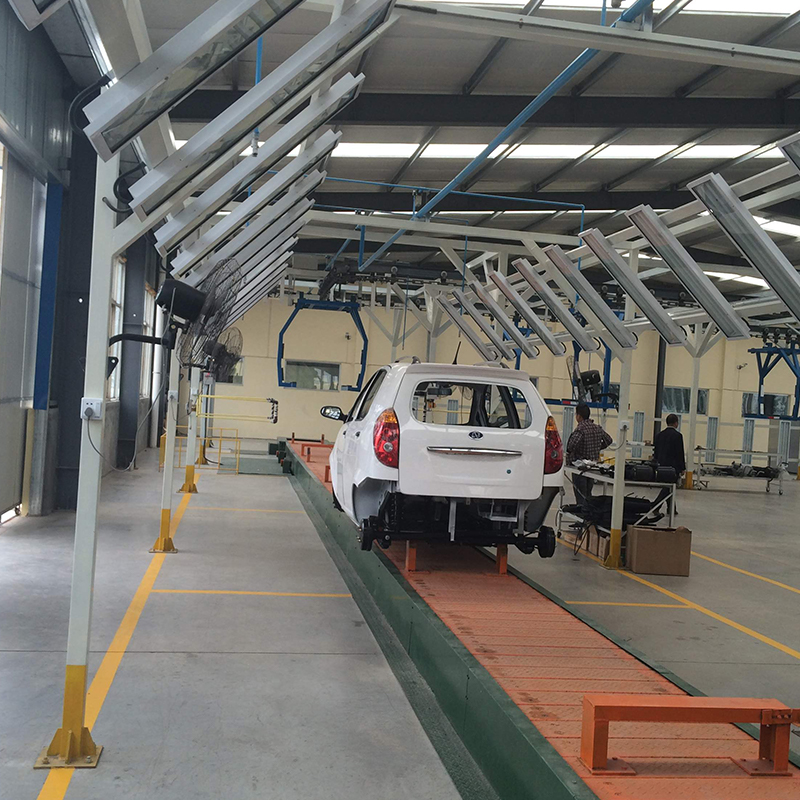
Professional electrophoresis coating line specially designed for electric vehicles (EVs), applicable to various EV types (passenger EV, commercial EV, new energy logistics vehicle) and EV components. ...
See Details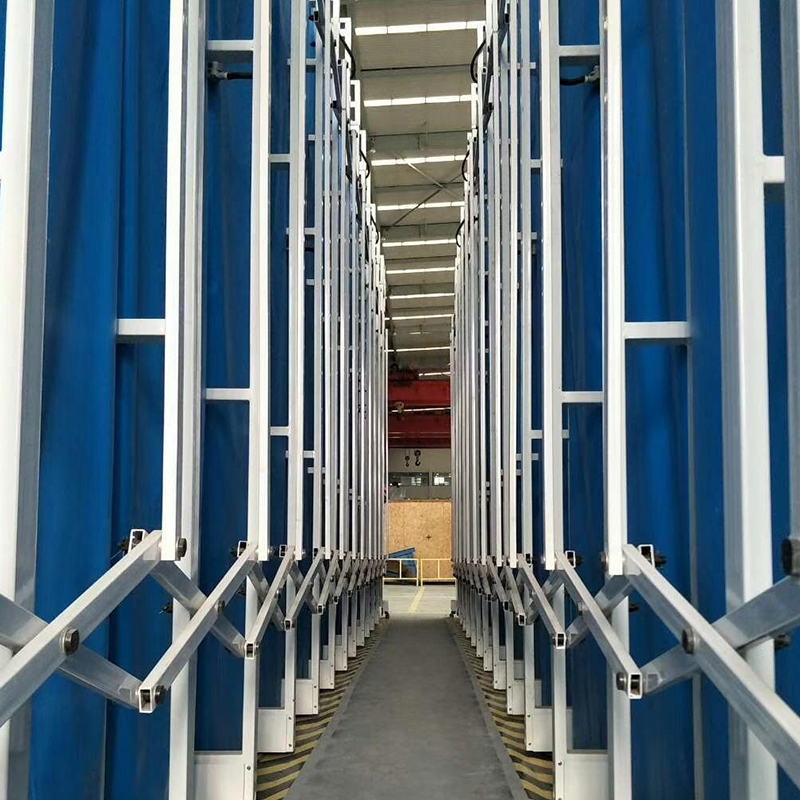
The retractable mobile spray & sanding booth is a flexible, space-saving, and multi-functional coating workstation. With a telescopic movable structure and integrated dust & paint mist filtrat...
See Details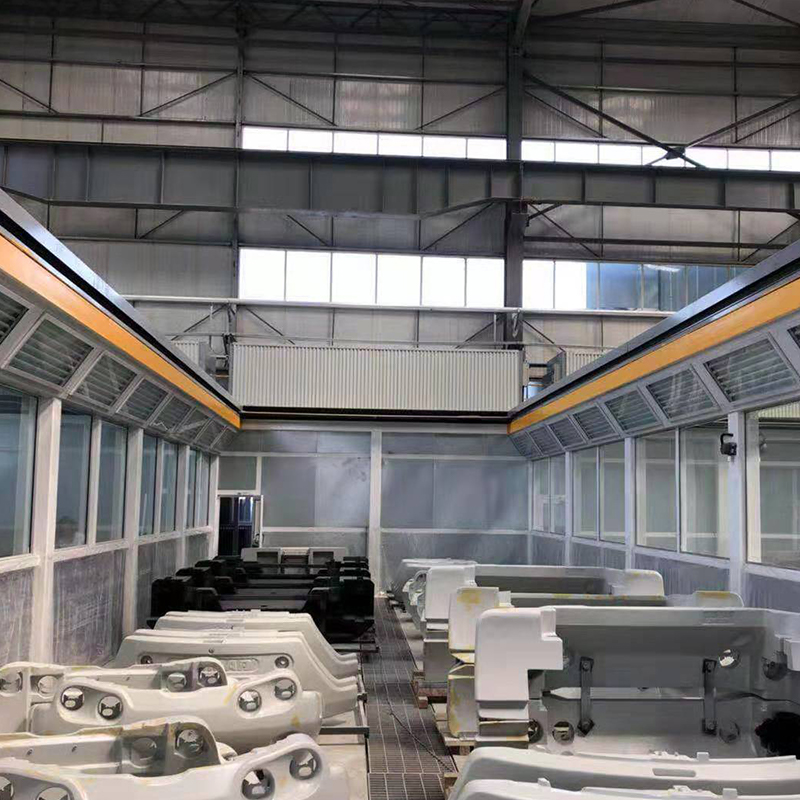
The retractable mobile spray & sanding booth is a flexible, space-saving, and multi-functional coating workstation. With a telescopic movable structure and integrated dust & paint mist filtrat...
See Details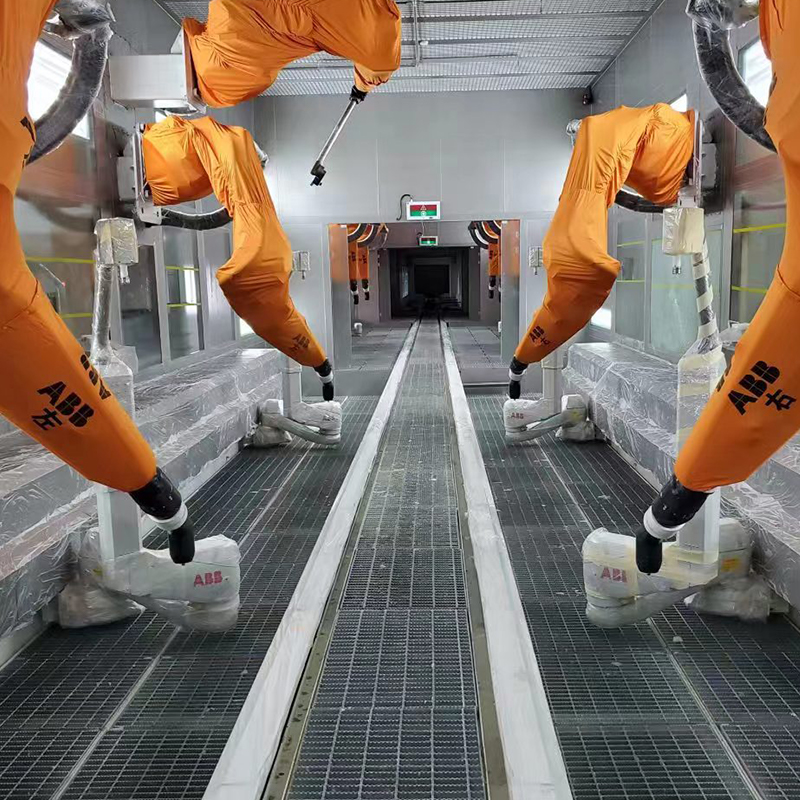
Professional spray coating line specially designed for motor casings, applicable to various motor casing types (electric vehicle motor casing, industrial motor casing, household motor casing, high-tem...
See DetailsBuild Your Customized Industrial Coating System
Send us your workpiece information, production capacity, coating process, workshop layout, and environmental requirements. Yueze will help evaluate your project and develop a suitable coating, conveying, drying, and environmental treatment solution.
Main menu
Products
Contact Us
Company Address:
No. 12, Park Avenue, Shanggang Industrial Park, Jianhu, Yancheng City, Jiangsu Province
Message Us Right Now!

Follow us: