
 русский
 عربى
 Tiếng Việt

Manual spray booth is a small & economical painting workstation, designed for manual spraying operation. Equipped with efficient paint mist filtration and exhaust system, it ensures clean air and ...
See Details
Yueze Environmental Protection provides one-stop compliant industrial surface treatment solutions with professional tech and fine craftsmanship.
 Get Inquiries
2026-10-10
Content
A manual spray booth is a practical coating workstation designed for operators who need direct control over spraying operations. It provides a controlled enclosure, organized airflow, effective overspray collection, and a cleaner production environment without the complexity or investment required by a fully automatic coating line. For small and medium-sized factories, maintenance departments, fabricators, and manufacturers producing varied workpieces, it offers an efficient balance between flexibility, coating quality, environmental protection, and operating cost.
Unlike an open spraying area, a manual spray booth creates a defined working zone in which air movement, lighting, exhaust, and filtration can be coordinated. The operator can adjust the spray angle, distance, speed, and coating thickness according to the geometry and surface condition of each workpiece. This direct control is especially valuable when products have irregular profiles, deep recesses, sharp edges, large dimensions, or frequent design variations.
The manual spray booth is also a strong alternative to an automated robot booth when production volume is limited or when a product range changes frequently. Automatic equipment is highly effective for stable, repetitive production, but it may require programming, fixture design, and line reconfiguration whenever a new workpiece is introduced. A manual booth can accommodate many product types with minimal setup, allowing manufacturers to respond quickly to custom orders, small batches, repair work, and color changes.
Manufactured and customized by Jiangsu Yue Ze Environmental Protection Equipment Co., Ltd., the manual spray booth benefits from more than four decades of experience in paint booths, bake booths, large-part grinding rooms, coating lines, conveying systems, waste gas treatment equipment, and related environmental protection solutions. The company combines application engineering, equipment fabrication, installation support, and customized design to provide coating workstations suited to different workshop layouts and production requirements.
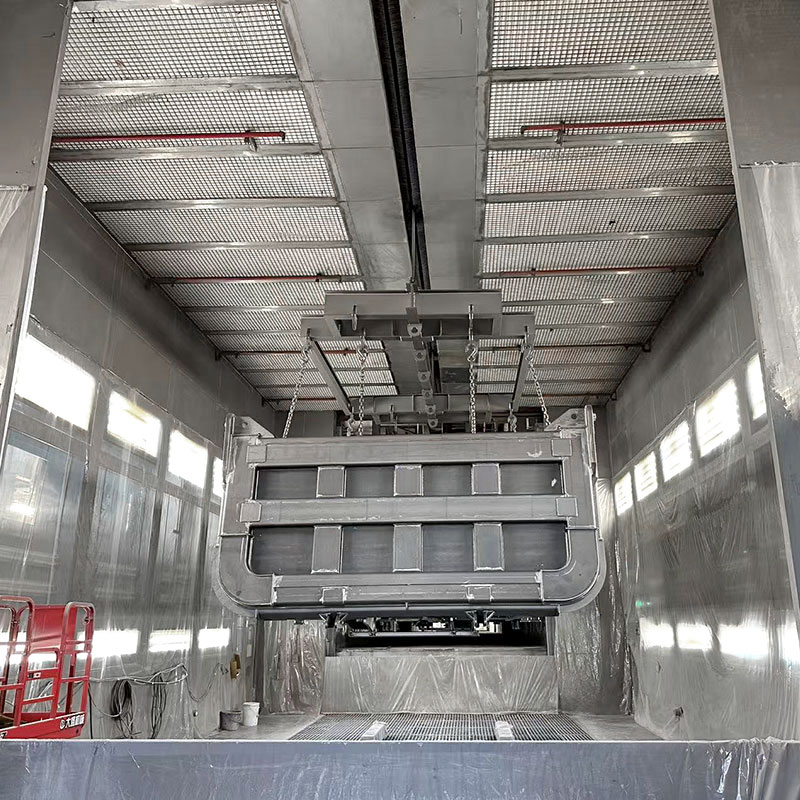
Manual Spray Booth
A manual spray booth is an enclosed or partially enclosed coating area in which an operator applies paint or powder coating to a workpiece by hand. The booth normally includes a structural enclosure, filtered air intake, exhaust equipment, lighting, overspray filtration, electrical controls, and access openings. Depending on the coating process and the required environmental performance, the filtration section may use dry filter media, filter walls, cartridge filters, or a water curtain system.
During operation, the booth draws air through the working area and directs airborne coating particles toward the filtration and exhaust section. This controlled airflow helps prevent overspray from spreading through the workshop. It also reduces the amount of airborne contamination that can settle on freshly coated parts, nearby equipment, floors, and operators.
The design can be adapted for powder coating, liquid paint spraying, primer application, topcoat application, touch-up work, or other manual surface treatment tasks. Booth dimensions, airflow direction, filter capacity, lighting arrangement, access doors, workpiece supports, and exhaust configuration can all be selected according to the application.
For powder coating applications, the booth may include a powder recovery system that collects unused powder and returns suitable material for reuse. With appropriate operating procedures and compatible powder materials, the recovery system can help achieve a powder utilization rate of more than 95 percent. This reduces material waste and helps lower the cost of multi-color or small-batch production.
For liquid paint applications, the filtration arrangement must be selected according to the paint type, solvent content, spray method, and local environmental requirements. A suitable system may include dry filters, paint arrestors, activated carbon or other treatment stages, depending on the composition of the exhaust gas. Correct engineering is essential because paint mist, volatile organic compounds, and powder particles have different treatment requirements.
Automation has transformed industrial coating, but it does not eliminate the need for skilled manual spraying. Many factories produce workpieces that vary in size, shape, material, and order quantity. Some products are manufactured only occasionally, while others require frequent modifications or customer-specific finishes. In these conditions, a manual spray booth may provide a better operational and financial solution than a fixed automatic line.
Manual spraying allows the operator to make immediate adjustments. If a recessed area requires additional coverage, the spray angle can be changed instantly. If an edge begins to receive too much material, the operator can reduce the pass rate or alter the gun distance. When a surface contains a weld seam, cast feature, sharp corner, or difficult contour, the operator can adapt the spraying technique without stopping the entire production system.
This adaptability is particularly valuable for large fabricated components, agricultural machinery parts, construction equipment, metal cabinets, frames, counterweights, irregular castings, and custom-fabricated structures. These products may not justify the cost of dedicated robotic programming and specialized fixtures, especially when production volumes are low or product specifications change regularly.
A manual spray booth also supports touch-up and repair operations. Even factories with automatic coating lines need a controlled area for correcting small defects, repairing handling damage, applying additional coating to difficult areas, or processing parts that cannot be conveniently placed on the main line. A properly designed booth can therefore complement automated equipment rather than compete with it.
The greatest advantage of manual spraying is flexibility. An operator can work with parts of different dimensions and shapes without requiring extensive reprogramming. The same booth may be used for small components during one shift and larger fabricated parts during another, provided that the booth dimensions and ventilation capacity are suitable for the application.
Manual control is especially useful for irregular workpieces that are difficult to process with a fixed robot path. A robot generally performs best when the product geometry, fixture position, and spray parameters remain consistent. By contrast, a trained operator can compensate for variations in welds, casting surfaces, holes, flanges, corners, and other features.
This flexibility gives manufacturers a practical way to accept small orders and custom projects. It can also reduce the time required to introduce a new product because the operator can begin production after basic process training rather than waiting for a complete automation development cycle.
A manual booth normally requires less capital investment than a complete automatic painting line. It does not necessarily need robotic arms, complex programming systems, dedicated fixtures, automatic loading devices, or a long conveyor arrangement. The compact structure can be installed in a smaller workshop area, helping manufacturers use existing facilities more efficiently.
The lower investment does not mean that environmental control should be compromised. A properly designed manual spray booth still requires appropriate air movement, filtration, lighting, grounding, electrical safety, and operator protection. The economic advantage comes from selecting a configuration that matches actual production needs instead of purchasing a larger automated system that may remain underused.
For a small or medium-sized factory, this balance can improve the return on investment. The company can establish a professional coating operation, improve product consistency, and reduce workshop contamination while preserving capital for future expansion, curing equipment, conveying equipment, or additional surface treatment processes.
Overspray represents both a material cost and an environmental concern. The manual spray booth is designed to capture overspray through controlled airflow and an appropriate recovery or filtration system. In powder coating applications, recoverable powder can be collected, screened, and reused when material specifications and quality procedures permit.
A standard recovery system can support a powder utilization rate above 95 percent under suitable operating conditions. Actual performance depends on powder type, spray gun settings, workpiece geometry, operator technique, filter condition, booth design, and recovery procedures. Even so, effective collection can substantially reduce unnecessary powder consumption compared with uncontrolled spraying.
Better material utilization also contributes to more stable production costs. When powder prices increase or orders require frequent color changes, reducing waste becomes particularly important. The booth’s compact interior and accessible filter arrangement can make cleaning and material recovery more manageable between production runs.
The booth uses negative-pressure dust collection or controlled exhaust to prevent overspray from escaping into the surrounding workshop. When the exhaust system is correctly balanced, air flows from the cleaner side of the booth toward the filtration area, carrying airborne particles away from the operator and workpiece.
This arrangement helps keep floors, machinery, walls, and adjacent production areas cleaner. It also reduces the chance that airborne particles will settle on wet coating surfaces. A cleaner environment can improve appearance quality by reducing dust inclusions, surface defects, and contamination-related rework.
Environmental performance depends on the complete system, including the booth enclosure, filters, fan, ducting, electrical controls, maintenance procedures, and exhaust treatment. The booth should be designed and operated in accordance with applicable local requirements for ventilation, occupational health, fire prevention, combustible dust, and waste management.
A manual spray booth does not require advanced programming knowledge. Operators can be trained to control the spray gun, maintain suitable distance and angle, inspect coating coverage, monitor filters, and follow cleaning procedures. This reduces dependence on specialized automation programmers and makes the equipment accessible to a wider range of factories.
The equipment can also be designed for convenient maintenance. Removable filter panels, accessible inspection points, practical control cabinets, and clearly arranged ducts help maintenance personnel identify problems quickly. Routine tasks may include filter inspection, filter replacement, fan and motor checks, booth cleaning, grounding verification, lighting maintenance, and examination of seals and access doors.
Regular maintenance is essential for maintaining airflow and coating quality. A blocked filter increases resistance, reduces exhaust performance, and may disturb the pressure balance. A damaged filter can allow particles to pass into the exhaust stream or return to the working area. A disciplined maintenance schedule therefore protects both production efficiency and environmental performance.
Frequent color changes can reduce productivity when equipment contains inaccessible corners, long conveying paths, or complex powder circulation components. The manual spray booth can be configured with a concise interior and easily accessible surfaces, making cleaning faster between colors.
Operators can remove residual powder or paint from the booth, spray gun, hoses, supports, and recovery components before introducing the next material. The exact cleaning method depends on the coating system. Powder coating generally requires thorough removal of residual powder to avoid color contamination, while liquid paint systems require procedures appropriate to the coating chemistry and solvent used.
Fast color change is valuable for contract manufacturers, custom fabricators, appliance component producers, metal furniture factories, and other businesses serving multiple customers. It allows the production schedule to remain responsive without requiring a separate dedicated booth for every color.
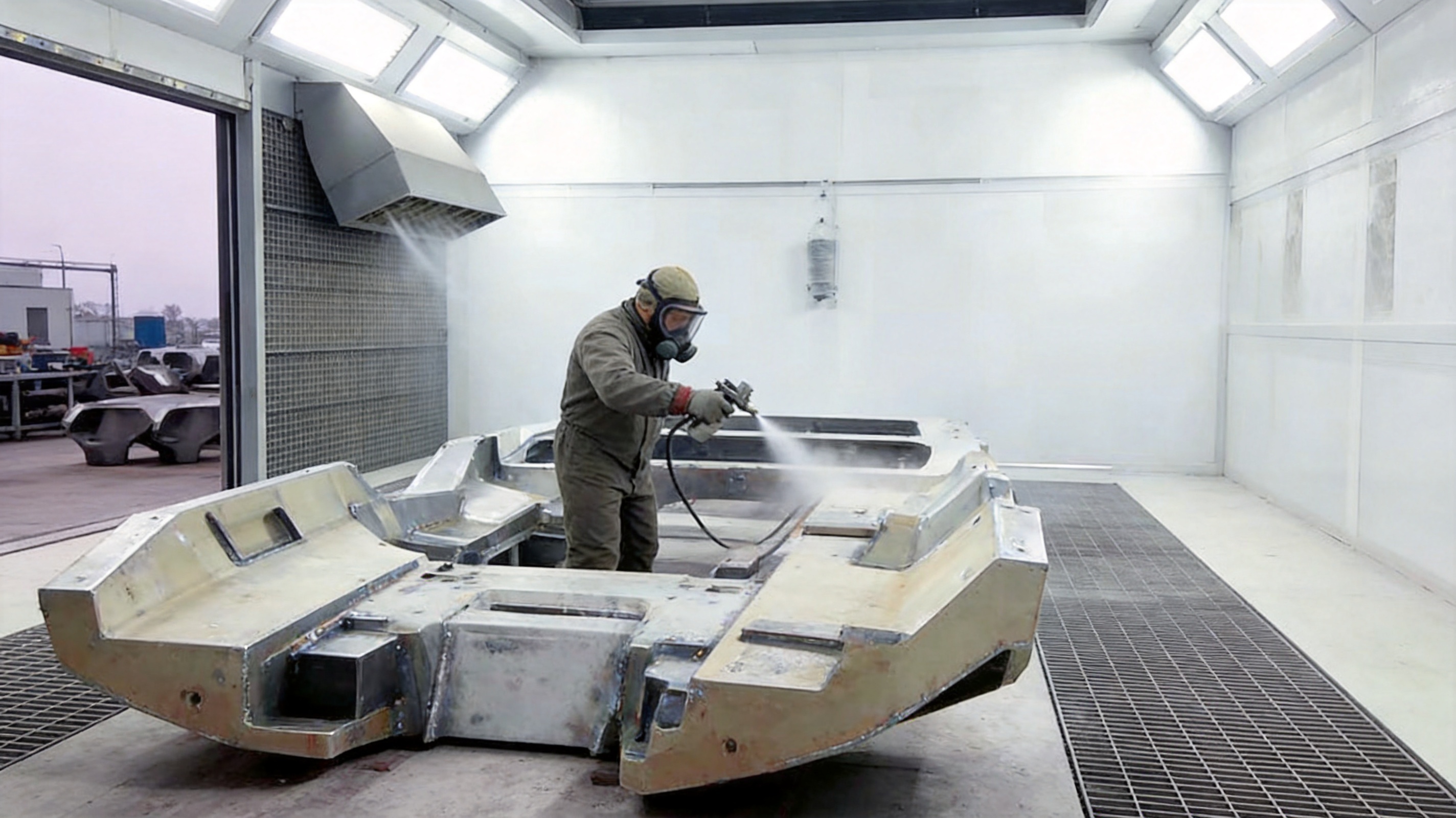
Airflow is the foundation of a manual spray booth. The system must move air consistently through the operator’s working zone and toward the overspray collection section. The objective is to capture airborne coating particles without creating turbulence that disturbs the spray pattern or excessive exhaust that wastes material and energy.
The air intake system introduces fresh or conditioned air into the booth. Intake filters help prevent dust and other particles from entering the working area. Clean intake air is important because contamination introduced from outside can affect coating appearance, especially when the workpiece remains wet or tacky after spraying.
The intake arrangement may be located at the front, ceiling, side wall, or another suitable position depending on the booth type. The location should support a stable airflow pattern and avoid short-circuiting directly to the exhaust opening.
The exhaust fan creates the pressure difference that draws air through the booth. Fan selection must consider booth size, filter resistance, duct length, bends, discharge requirements, and the desired air velocity at the operator’s working position. An undersized fan may fail to capture overspray, while an oversized fan can increase energy consumption and pull excessive coating material away from the workpiece.
Fan and motor selection must also reflect the coating material and applicable safety requirements. Where flammable solvents or combustible powder are involved, electrical and mechanical components should be selected and installed according to the relevant technical standards and risk assessment.
The filtration section captures paint mist, powder particles, and other airborne contaminants before air leaves the booth or proceeds to additional treatment equipment. Dry filtration is commonly used for many manual spray applications because it is relatively simple to maintain and does not generate wastewater.
Water curtain systems may be selected for applications requiring wet capture of paint particles. They can provide effective overspray collection, but they require water management, sludge handling, pump maintenance, and appropriate treatment of contaminated water. The best choice depends on the coating chemistry, production volume, local regulations, and customer requirements.
Even illumination allows the operator to judge spray coverage, gloss, color, edge coverage, and surface defects. Poor lighting may cause uneven application because the operator cannot clearly see the wet film or powder deposition. Lighting should be distributed to minimize shadows and glare while meeting the electrical safety requirements of the booth environment.
The relationship between intake and exhaust must be carefully controlled. If exhaust volume is too low, overspray may remain suspended or settle back onto the workpiece. If exhaust volume is too high, valuable powder or paint may be pulled away before it reaches the surface. Excessive airflow can also increase fan energy consumption, filter loading, and operating cost.
Airflow testing and commissioning should be performed after installation. Measurements may include air velocity, pressure differential, fan operation, filter resistance, and overall capture performance. Adjustments to dampers, fan speed, intake openings, or filter configuration may be necessary to achieve a stable operating condition.
The correct configuration depends on the largest workpiece, production volume, coating material, operator position, required finish, workshop layout, and local environmental conditions. A booth that is too small can restrict movement and create poor airflow, while a booth that is unnecessarily large may increase construction and operating costs.
| Workpiece Size | Recommended Booth Type | Primary Design Consideration | Typical Application |
|---|---|---|---|
| Small parts | Compact enclosed booth | Efficient use of floor space and convenient cleaning | Hardware, brackets, small metal components, repair work |
| Medium components | Side-draft or down-draft booth | Balanced airflow and operator access | Frames, cabinets, panels, machine components |
| Large fabricated parts | Walk-in booth with high-volume exhaust | Operator movement, ventilation capacity, and access doors | Structural assemblies, counterweights, large equipment parts |
| Frequent color-change production | Easy-clean manual powder booth | Accessible internal surfaces and efficient recovery | Multi-color custom orders and small batch production |
Small parts may be processed in a compact booth with a short working distance and a straightforward filter wall. This configuration saves floor space and may be suitable for workshops where production is concentrated on brackets, panels, hardware, or other relatively small components.
Medium components often benefit from side-draft or down-draft airflow. These arrangements can provide a balanced path for overspray while leaving sufficient room for the operator to move around the workpiece. The booth may be equipped with larger access openings, adjustable supports, or simple workpiece stands.
Large fabricated parts require careful evaluation of operator access and exhaust volume. A walk-in booth must provide enough space for the operator to spray around the workpiece without standing too close to the surface. The exhaust system must be capable of handling the larger air volume associated with the booth opening and workpiece size.
When the booth is used for powder coating, the internal structure should minimize unnecessary ledges and dead corners. Smooth, accessible surfaces simplify powder removal and help prevent contamination during color changes. When liquid paint is used, the selected filter arrangement should reflect the paint’s solids content, solvent characteristics, and overspray load.
The quality of a manual spray booth depends not only on its visible enclosure but also on the engineering, fabrication, airflow design, component selection, testing, and installation support behind it. Jiangsu Yue Ze Environmental Protection Equipment Co., Ltd. has developed its capabilities through more than 40 years of experience in coating and environmental protection equipment.
The company operates in Yancheng, Jiangsu, China, on a site covering approximately 35,000 square meters, with registered capital of 58 million yuan. Its manufacturing scope includes powder coating lines, paint and bake booths, electric vehicle assembly lines, automotive counterweight spray lines, large-part grinding rooms, waste gas treatment equipment, infrared radiation drying systems, automatic conveying systems, intelligent coating lines, and other industrial environmental protection equipment.
This broad product range supports a systems-based approach to manual spray booth design. A booth does not operate in isolation. It may need to connect with pretreatment, drying, curing, conveying, waste gas treatment, powder recovery, or inspection processes. Experience with complete production lines enables the manufacturer to consider the relationship between each stage rather than treating the booth as a standalone enclosure.
The company provides integrated research and development, manufacturing, installation, and customized equipment solutions. This structure can simplify communication for customers who need a booth adapted to an existing workshop or coordinated with future production expansion. Engineering discussions can address workpiece dimensions, throughput, coating type, color-change frequency, available utilities, building restrictions, and environmental requirements before the final configuration is determined.
A strong manufacturing process begins with understanding the customer’s actual application. Important information may include workpiece drawings, maximum dimensions, weight, material, surface preparation method, coating material, target film thickness, daily production volume, and operating schedule. The location of loading and unloading areas should also be considered, as should the movement path of workers and materials.
Based on this information, engineers can determine whether the customer needs a compact booth, side-draft booth, down-draft booth, walk-in booth, dry filter system, water curtain, powder recovery arrangement, or a combination of equipment. The design can also allow for future expansion, such as adding a curing oven, overhead conveyor, additional filter stages, or automated handling equipment.
Manufacturing control over the booth structure and associated components helps maintain consistency in dimensions, interfaces, access doors, filter locations, and support frames. Fabrication quality affects the booth’s durability, ease of cleaning, sealing performance, and long-term airflow stability.
Careful assembly is particularly important for ducts and filter sections. Gaps, poor seals, misaligned panels, or improperly fitted filters can reduce system performance. The manufacturer’s experience with environmental equipment supports attention to these details during production and installation.
Quality control should cover structural components, fans, motors, electrical systems, lighting, filter installation, control functions, and safety features. Before delivery, the equipment can be checked for dimensional accuracy, component completeness, control response, and assembly quality. After installation, commissioning can verify airflow, pressure, exhaust operation, and filter performance.
Although actual testing requirements vary by project, a professional acceptance process gives the customer a clear basis for operation and maintenance. It also helps identify potential adjustments before regular production begins.
The company has served customers across multiple provinces in China and international markets. Industrial workshops differ widely in climate, building structure, utility availability, labor organization, and environmental regulation. A standardized booth may not suit every location, so customization is often necessary.
Customization may involve booth dimensions, door style, air direction, filter type, fan capacity, control panel arrangement, lighting, workpiece supports, duct routing, exhaust treatment, and integration with existing equipment. The objective is not simply to make the booth larger or more complex, but to match the equipment to the customer’s actual production conditions.
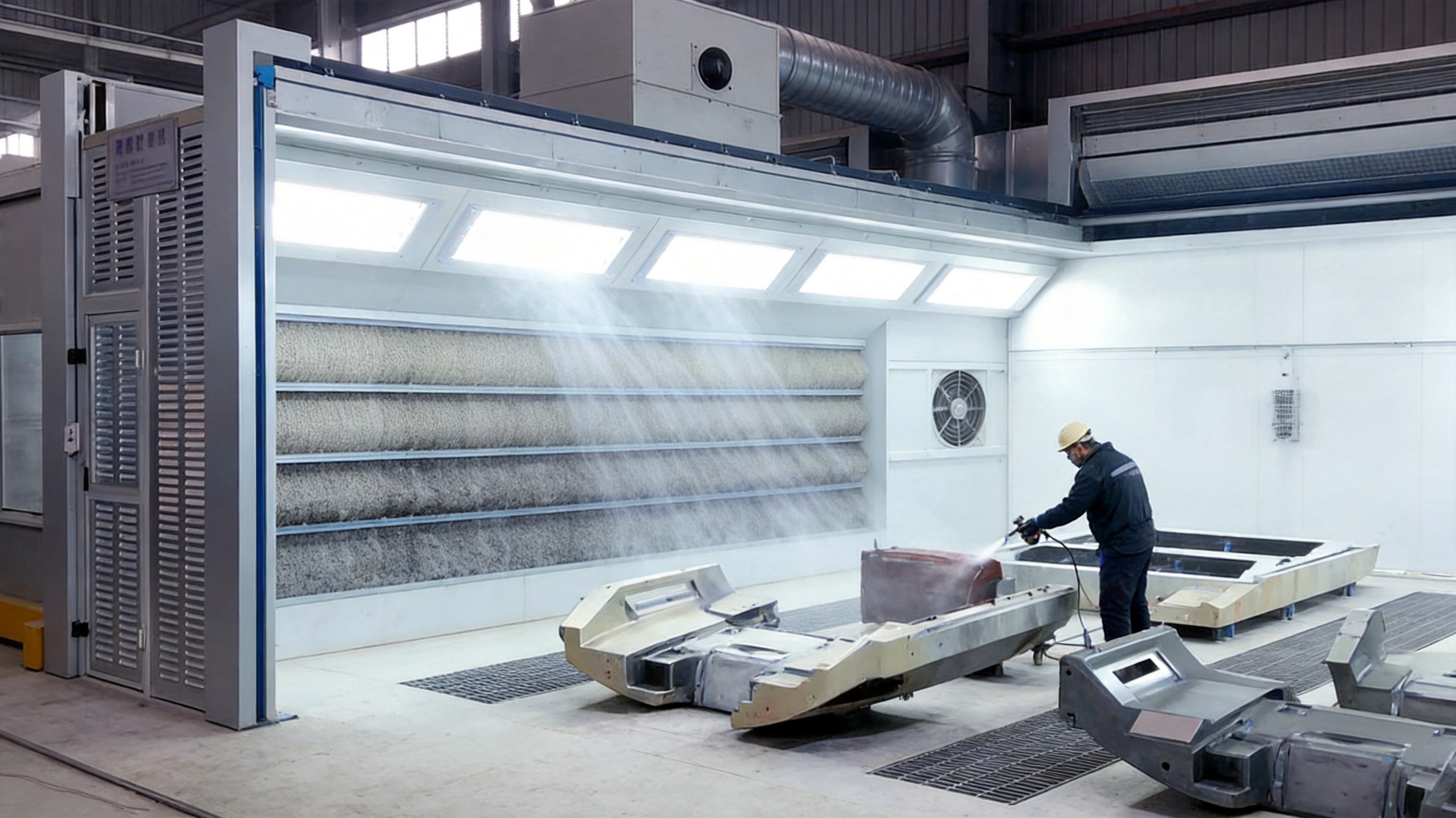
A manual spray booth and an automated coating line serve different production priorities. Automated lines are often preferred for high-volume production with stable product geometry, predictable order schedules, and a strong need for repeatability. They can provide programmed spray paths, automatic handling, and continuous throughput.
A manual booth has an advantage when product variety is high, production volume is variable, and workpieces are difficult to standardize. It can be installed with fewer supporting systems and operated without complex programming. This can make it more economical for factories that would not use the full capacity of an automated line.
Manual operation also provides a practical solution for large workpieces. A robot may require a large work envelope, specialized fixtures, or multiple axes to reach every surface. An operator can often access the same surfaces using a handheld spray gun and suitable workpiece positioning equipment.
However, manual spraying depends on operator skill and discipline. Training, standard operating procedures, inspection, and proper maintenance are necessary to achieve consistent results. For many businesses, the most effective long-term strategy is a combination of technologies: automated equipment for repetitive high-volume products and manual booths for custom work, repair, development, and low-volume orders.
| Evaluation Factor | Manual Spray Booth | Automated Spray Line |
|---|---|---|
| Product variety | Highly flexible for varied workpieces | Best for standardized product families |
| Initial investment | Generally lower | Generally higher |
| Programming requirement | Minimal | Requires programming and process setup |
| Small-batch production | Well suited | May be less economical |
| Large irregular parts | Highly adaptable | Requires suitable robot reach and fixtures |
| Repeatability | Depends on operator technique and procedures | High for stable, repeatable products |
| Color changes | Can be fast with an easy-clean design | May require line cleaning and program changes |
| Expansion potential | Can be integrated with additional equipment | Suitable for comprehensive high-volume automation |
A manual spray booth should be treated as an environmental and occupational control system, not merely as a room with a fan. The booth must capture overspray, manage exhaust, protect operators, and support responsible waste handling. The correct technical solution depends on whether the process uses powder, water-based paint, solvent-based paint, primer, adhesive, or another coating material.
For powder coating, operators should consider the risk of combustible dust accumulation. Booth interiors, ducts, filters, recovery systems, and surrounding areas must be kept clean according to the applicable safety requirements. Electrical grounding is important for reducing static-related risks and supporting efficient powder transfer from the spray equipment to the workpiece.
For liquid paints, ventilation must be designed for the paint’s chemical properties and application method. Solvent vapors and paint mist may require additional treatment before discharge. Filters must be changed at suitable intervals, and contaminated filter media should be handled as required by local waste regulations.
Operators should use appropriate personal protective equipment, including protective clothing, gloves, eye protection, and respiratory protection where required. Training should cover spray gun operation, filter inspection, emergency procedures, cleaning, grounding, and the safe handling of coating materials.
Good environmental performance also reduces waste. Efficient transfer of coating material, proper recovery, correct spray parameters, and timely filter replacement can lower material consumption. A well-maintained booth may help reduce rework and rejected parts by limiting dust contamination and improving visibility during application.
Before installation, the workshop should be checked for available floor space, ceiling height, power supply, ventilation route, exhaust discharge location, fire protection, material movement, and access for equipment delivery. The booth should not obstruct emergency exits, pedestrian routes, or other essential production areas.
The foundation or floor must be suitable for the booth structure and associated equipment. Large booths may require careful coordination with building columns, overhead cranes, existing conveyors, or other machinery. Duct routing should be planned to minimize unnecessary bends and pressure losses while maintaining access for inspection and cleaning.
During installation, panels, filter sections, fans, control cabinets, lighting, ducts, doors, and seals should be assembled according to the approved layout. Electrical connections must be completed by qualified personnel. The control system should be checked before the booth is placed into production.
Commissioning normally includes a functional check of the fan, lighting, controls, access doors, filters, pressure indicators, and emergency functions. Airflow and pressure should be evaluated under operating conditions. If the booth is connected to powder recovery or waste gas treatment equipment, the complete system should be tested as an integrated unit.
Operator training should be completed before handover. Training may include start-up and shutdown sequences, filter replacement, cleaning, color change, basic troubleshooting, personal protective equipment, and emergency response. Clear operating instructions help the customer obtain the intended performance and reduce avoidable equipment failures.
Maintenance requirements vary according to the booth configuration and coating material, but several principles apply to most systems. The booth should be cleaned regularly, particularly after color changes or when visible deposits begin to accumulate. Powder or paint residue should not be allowed to build up on internal surfaces, ducts, fan housings, or nearby floors.
Filters should be inspected for loading, damage, moisture, deformation, or incorrect installation. A filter that appears externally intact may still have excessive resistance. Pressure indicators or differential pressure readings can help determine when replacement is needed.
The exhaust fan should be checked for unusual noise, vibration, overheating, loose fasteners, and reduced performance. Belts, bearings, couplings, and guards should be maintained according to the equipment design. Ducts should be inspected for deposits, leakage, and access conditions.
Lighting should remain bright and evenly distributed. Damaged lamps, cloudy covers, or excessive overspray on lighting surfaces can reduce visibility. Electrical panels, switches, grounding points, and emergency devices should be checked by qualified personnel at appropriate intervals.
Maintenance records are useful for identifying trends. Increasing filter replacement frequency, declining airflow, rising coating consumption, or more frequent surface defects may indicate a developing problem. Corrective action at an early stage is generally less expensive than repairing a major failure or dealing with repeated product rejection.
Before spraying begins, the operator should confirm that the booth is clean, the correct filters are installed, the workpiece is properly prepared, and the spray equipment is in suitable condition. The workpiece should be positioned so that the operator can reach important surfaces without standing in an unsafe or unstable location.
The booth exhaust and intake systems should be started according to the approved sequence. The operator should verify that airflow is present and that no alarm or abnormal noise is observed. Spray parameters, including gun pressure, powder output, paint flow, atomizing air, and electrostatic settings where applicable, should be adjusted according to the coating manufacturer’s recommendations.
During spraying, the operator should maintain a consistent gun distance and movement speed. The gun should be positioned at a suitable angle to the surface, with special attention given to corners, recesses, edges, welds, and hidden areas. Excessive thickness can cause defects, while insufficient coverage may reduce corrosion protection or visual quality.
After spraying, the workpiece should be inspected before curing or drying whenever possible. The operator can identify thin areas, missed surfaces, contamination, runs, excessive powder, or uneven appearance. Corrections made at this stage are often easier than repairs after curing.
At the end of the shift or color batch, the booth and spray equipment should be cleaned according to the coating material requirements. Reusable powder should be handled through the recovery system when appropriate. Waste material, used filters, solvent containers, and contaminated cleaning materials should be managed responsibly.
Manual spray booths are used in many sectors because the equipment can be configured around different workpiece types and production patterns. Metal fabrication companies use them for structural frames, brackets, machine housings, guards, panels, and custom assemblies.
Automotive and machinery manufacturers may use manual booths for counterweights, repair parts, replacement components, prototype products, or surfaces that are difficult to process on a standard automatic line. Agricultural equipment manufacturers often require flexibility because product dimensions and attachment configurations can vary.
Metal furniture and appliance component producers may benefit from fast color changes and efficient powder recovery. Electrical cabinet manufacturers can use manual booths for enclosures and panels with different sizes and coating specifications. Maintenance departments can use the booth for refurbishment, corrosion protection, and repair work.
Construction equipment, material handling equipment, industrial fans, pumps, and fabricated steel products can also be suitable applications. In each case, the final design should be based on workpiece size, coating chemistry, required finish, production volume, and applicable environmental standards.
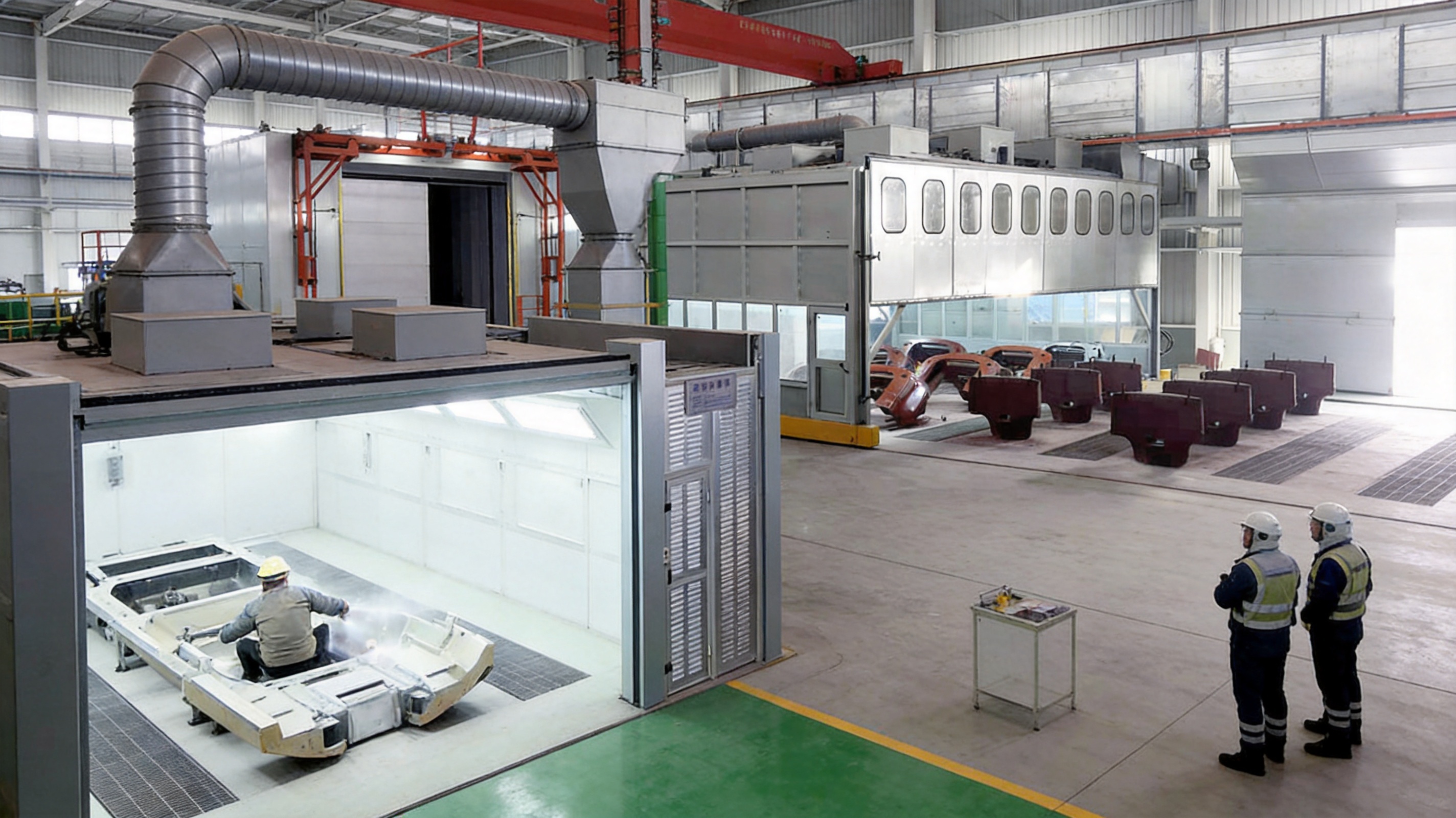
A manual spray booth is well suited to small and medium batch production, custom orders, complex or irregular workpieces, frequent color changes, prototype work, repair operations, and touch-up tasks. It is especially useful when product geometry changes frequently or when installing a fully automated line would not be financially justified.
The booth structure may be adapted for different coating processes, but the filtration, airflow, electrical, recovery, and exhaust treatment systems must be selected for the specific material. Powder coating and liquid paint have different technical and safety requirements. A professional design review should be completed before using the booth with a new coating material.
Effective filtration removes overspray and airborne particles before they can settle on the workpiece. This helps reduce surface contamination, dust inclusions, uneven appearance, and rework. Filter condition is important because blocked or damaged filters can disturb airflow and reduce capture performance.
A suitable powder recovery system can support a powder utilization rate of more than 95 percent under appropriate operating conditions. Actual results depend on powder characteristics, workpiece geometry, spray settings, operator technique, filter condition, and recovery procedures. Recovered powder should be reused only when it remains compatible with the required coating quality.
Not necessarily. Environmental performance depends on the design, filtration, exhaust treatment, material utilization, maintenance, and operating procedures. A well-designed manual booth can effectively capture overspray, reduce material waste, and provide controlled exhaust. An automatic line may offer higher throughput, but it still requires proper environmental control.
The booth should be large enough to accommodate the maximum workpiece, operator movement, spray distance, access doors, airflow path, and maintenance requirements. The design should also consider future products if expansion is expected. A booth that is too small may create poor ventilation and difficult spraying, while an unnecessarily large booth may increase energy use and construction cost.
Yes. Booth length, width, height, door position, airflow direction, filter arrangement, fan capacity, duct routing, lighting, and control cabinet location can be adapted to available space. Jiangsu Yue Ze Environmental Protection Equipment Co., Ltd. provides customized designs based on workshop layouts, workpiece requirements, production targets, and environmental conditions.
No programming is normally required for basic manual operation. Operators need training in spray gun handling, airflow procedures, coating parameters, cleaning, recovery, and safety. If the booth is later integrated with automatic handling, conveyors, or other intelligent equipment, additional control and programming functions may be introduced.
Replacement frequency depends on coating material, production volume, overspray concentration, filter type, and pressure resistance. Filters should be inspected regularly and replaced when they are loaded, damaged, or no longer maintain the required airflow. Following a pressure-based maintenance schedule is generally more reliable than relying only on calendar intervals.
Support may include layout confirmation, equipment installation, commissioning, operator training, maintenance guidance, troubleshooting assistance, and recommendations for replacement filters or related components. A manufacturer with experience in complete coating systems can also advise on future integration with curing ovens, conveyors, powder recovery, waste gas treatment, or automated production equipment.
A manual spray booth influences coating quality, operator safety, material consumption, maintenance workload, and environmental compliance. Selecting a specialized manufacturer is therefore more important than choosing a simple enclosure based only on price. The supplier should understand airflow, filtration, coating materials, workpiece handling, electrical safety, and the relationship between individual equipment units.
Jiangsu Yue Ze Environmental Protection Equipment Co., Ltd. offers a broad manufacturing background that includes coating lines, paint and bake booths, large-part grinding rooms, waste gas purification systems, infrared drying systems, automatic conveying systems, and intelligent surface treatment equipment. This experience supports a more comprehensive evaluation of the customer’s process.
The company’s capabilities include research and development, equipment manufacturing, installation, and customized solutions. Its approach emphasizes strict quality control, advanced production technology, customer-focused service, integrity, green manufacturing, and long-term cooperation. These strengths are relevant to customers that require more than a standard booth and need equipment coordinated with a complete production plan.
Its experience with hanging automatic painting processes for casting counterweight blocks also demonstrates knowledge of multi-stage surface treatment. Such processes may include finishing, polishing, primer application, topcoat application, conveying, drying, and environmental control. Although a manual spray booth is a simpler product, the same process awareness can help ensure that the booth performs effectively within a broader manufacturing operation.
A manual spray booth provides a flexible and economical solution for controlled coating operations. It is particularly valuable for small and medium-sized factories, custom manufacturers, repair departments, and businesses processing complex, large, irregular, or frequently changing workpieces. By combining controlled airflow, efficient filtration, appropriate lighting, and practical access, it creates a cleaner and more consistent alternative to open spraying.
Its advantages include high flexibility, lower investment, efficient powder recovery, cleaner working conditions, simple operation, convenient maintenance, and fast color change. Compared with a fully automated line, it can respond more easily to product variation and small-batch orders. Compared with an uncontrolled spraying area, it provides better overspray capture, improved operator protection, and more reliable coating conditions.
The final performance depends on correct configuration and disciplined operation. Booth dimensions, filtration type, fan capacity, airflow balance, coating material, workpiece size, and local environmental requirements must be considered together. Maintenance, operator training, filter management, cleaning, and commissioning are equally important.
With more than 40 years of experience and a manufacturing scope that covers coating equipment, environmental protection systems, drying systems, conveying systems, and customized production lines, Jiangsu Yue Ze Environmental Protection Equipment Co., Ltd. can develop manual spray booth solutions for varied industrial applications. For manufacturers seeking a practical step toward cleaner, more flexible, and more efficient coating production, a properly engineered manual spray booth remains a dependable and adaptable choice.
1. Industrial Ventilation: A Manual of Recommended Practice for Design, American Conference of Governmental Industrial Hygienists.
2. Powder Coating Materials and Process Control: General Principles for Industrial Applications.
3. Occupational Safety and Health Guidance for Spray Finishing Operations.
4. Technical Principles of Paint Booth Airflow, Overspray Capture, and Filtration.
5. Guidance on Combustible Dust Control and Powder Coating Equipment Maintenance.
6. Jiangsu Yue Ze Environmental Protection Equipment Co., Ltd., product and company technical information for manual spray booths and industrial coating equipment.
Manual spray booth is a small & economical painting workstation, designed for manual spraying operation. Equipped with efficient paint mist filtration and exhaust system, it ensures clean air and ...
See Details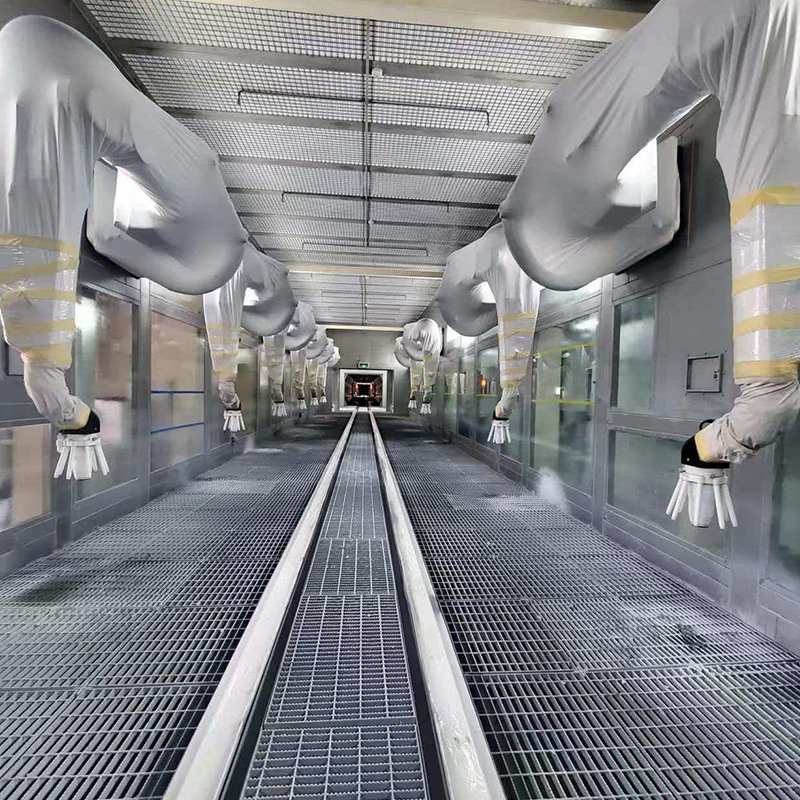
Professional spray coating line specially designed for car wheel manufacturing and refurbishment, applicable to various car wheel types (steel wheel, aluminum alloy wheel, forged wheel, cast wheel, pa...
See Details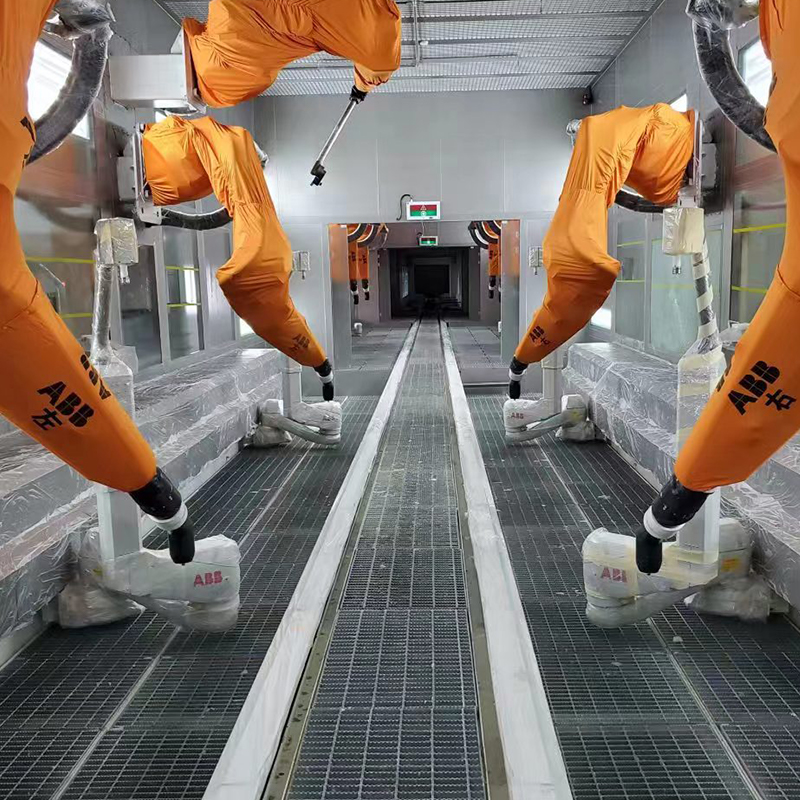
Professional spray coating line specially designed for motor casings, applicable to various motor casing types (electric vehicle motor casing, industrial motor casing, household motor casing, high-tem...
See Details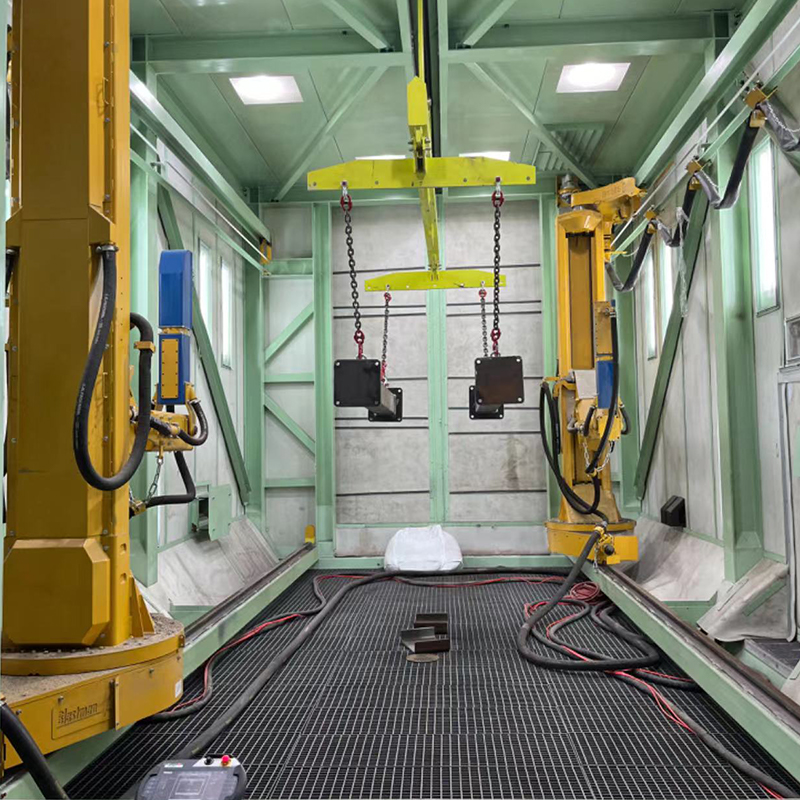
Professional coating line specially designed for large castings and heavy truck parts, applicable to various large castings (engineering castings, mining equipment castings, industrial castings) and h...
See Details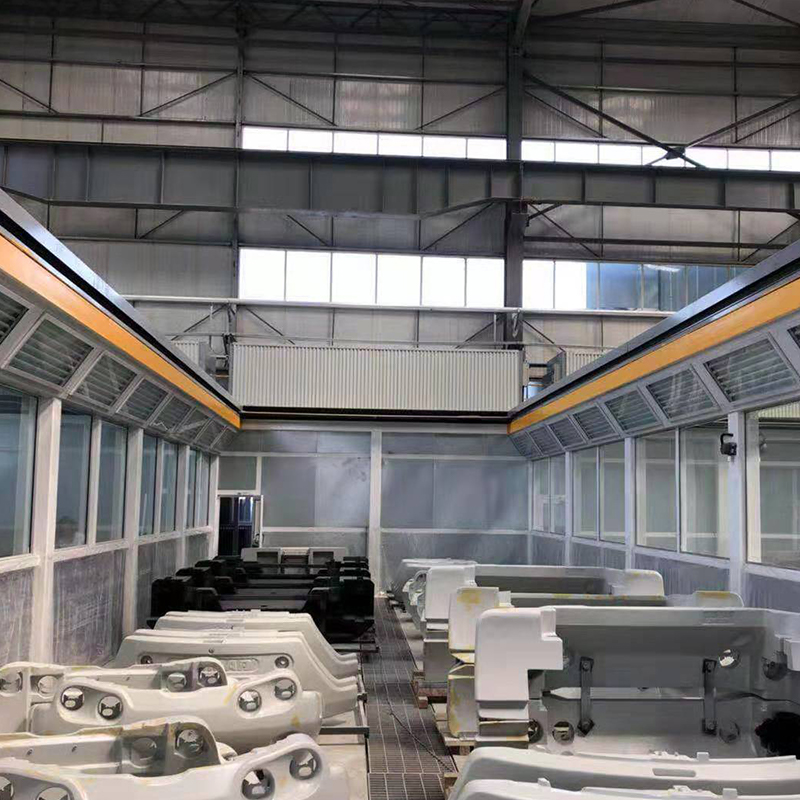
The retractable mobile spray & sanding booth is a flexible, space-saving, and multi-functional coating workstation. With a telescopic movable structure and integrated dust & paint mist filtrat...
See Details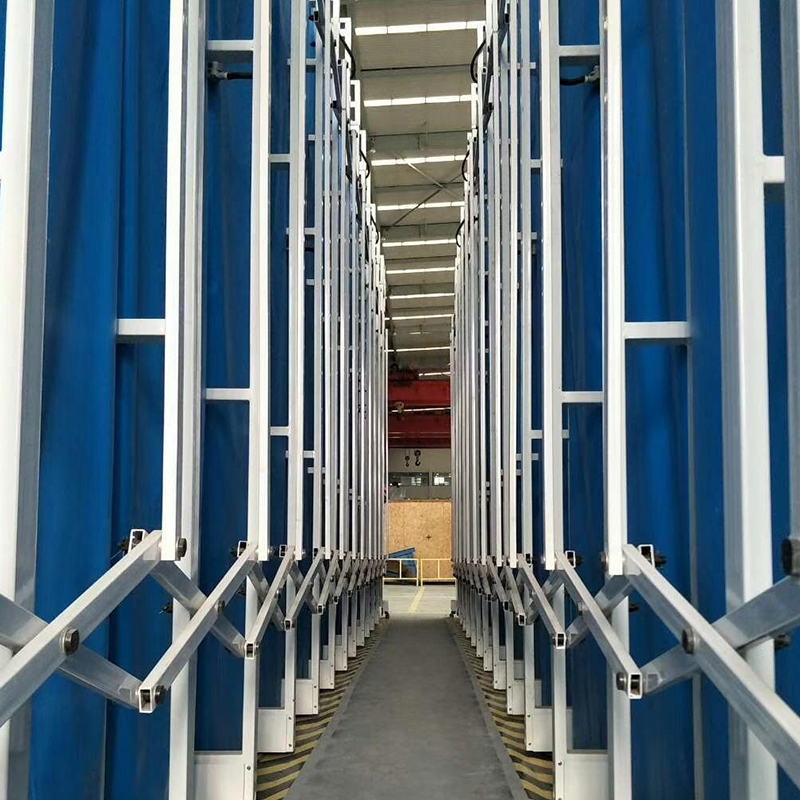
The retractable mobile spray & sanding booth is a flexible, space-saving, and multi-functional coating workstation. With a telescopic movable structure and integrated dust & paint mist filtrat...
See DetailsBuild Your Customized Industrial Coating System
Send us your workpiece information, production capacity, coating process, workshop layout, and environmental requirements. Yueze will help evaluate your project and develop a suitable coating, conveying, drying, and environmental treatment solution.
Main menu
Products
Contact Us
Company Address:
No. 12, Park Avenue, Shanggang Industrial Park, Jianhu, Yancheng City, Jiangsu Province
Message Us Right Now!

Follow us: