
 русский
 عربى
عربى
 Tiếng Việt

An electrophoretic coating line is a complete automatic surface treatment system. Through electrophoretic deposition, a uniform, dense, and anti-corrosion coating is formed on the metal surface. The w...
See Details
Yueze Environmental Protection provides one-stop compliant industrial surface treatment solutions with professional tech and fine craftsmanship.
 Get Inquiries
2026-09-08
Content
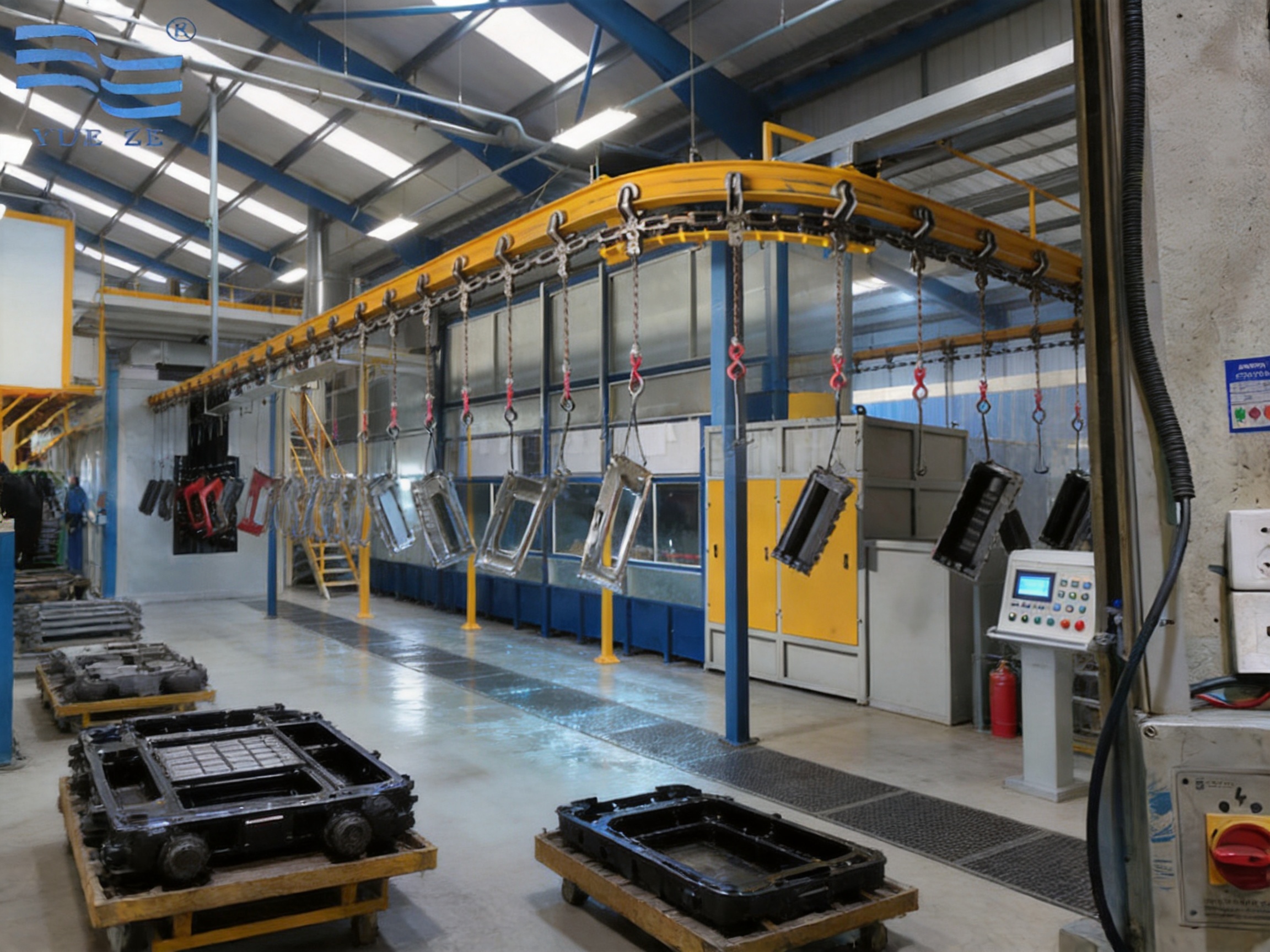
An electrophoretic coating line is an automated surface treatment system designed to apply a uniform, durable, and corrosion-resistant coating to conductive metal components. Also known as an e-coating line or electrocoating line, it uses an electric current to move charged paint particles through a liquid bath and deposit them onto the surface of a workpiece. This process allows the coating to reach recessed areas, internal cavities, edges, joints, and other locations that are difficult to cover consistently with conventional spray painting.
Modern manufacturers increasingly require coating equipment that can combine high production capacity, repeatable quality, efficient material use, environmental compliance, and flexible integration with other production processes. An electrophoretic coating line addresses these requirements by combining pretreatment, electrophoretic deposition, ultrafiltrate rinsing, curing, conveying, process control, and environmental management into one coordinated system.
Jiangsu Yue Ze Environmental Protection Equipment Co., Ltd. provides customized coating production line equipment for industrial customers. Located in Yancheng, Jiangsu, China, the company operates across approximately 35,000 square meters and has a registered capital of 58 million yuan. With more than 40 years of experience in environmental protection equipment and industrial surface treatment, the company offers integrated services covering process design, equipment manufacturing, automation, installation, commissioning, and technical support.
This article explains how an electrophoretic coating line works, why it is advantageous compared with conventional spray priming, what equipment is included, how the system is customized, and how a qualified manufacturer can support a complete production project.
An electrophoretic coating line is a complete automatic production system that applies a water-based paint coating to electrically conductive metal workpieces. The workpieces are immersed in an electrophoretic tank containing a carefully controlled coating bath. When direct current is applied, charged paint particles migrate through the liquid and deposit onto the metal surface.
The deposited film gradually increases in thickness until its electrical resistance prevents further effective deposition. This self-limiting characteristic helps create a consistent coating layer over complicated shapes. After deposition, the workpieces pass through one or more rinsing stages to recover unused paint and remove loose particles. They are then transferred to a curing oven, where heat cross-links and hardens the coating into a strong protective film.
A complete electrophoretic coating line generally contains the following main sections:
The exact configuration depends on the workpiece material, dimensions, production volume, required coating performance, paint chemistry, plant layout, and downstream finishing requirements. A line intended for automotive components may differ considerably from a line designed for agricultural machinery parts, electric vehicle frames, cast counterweights, or general fabricated steel products.
Electrophoretic coating is based on the controlled movement of electrically charged paint particles in a liquid medium. The workpiece functions as an electrode, while the coating tank contains the counter-electrode system. Depending on the coating chemistry, the process may be configured as anodic or cathodic electrophoretic deposition. Cathodic systems are widely selected for demanding corrosion-protection applications because they can provide strong adhesion and reliable protection for steel components.
When the electrical circuit is energized, charged resin and pigment particles move toward the workpiece. As these particles reach the metal surface, they form a compact film. The deposited layer becomes increasingly insulating, which naturally limits the rate of further deposition. This helps reduce major differences in film thickness between exposed surfaces and less accessible areas.
The process does not depend on a spray operator directing an atomized paint stream into every corner. Instead, the electrical field guides the coating material toward conductive surfaces. This is particularly valuable for parts with hollow sections, deep recesses, welded joints, flanges, channels, and irregular geometries.
After coating, the workpiece is transferred through recovery rinses. These rinses remove non-deposited paint from the surface while recovering valuable coating material for return to the main bath. The final curing stage transforms the wet deposited film into a hard and chemically resistant coating.
The process begins with the correct loading of workpieces onto carriers, hooks, racks, or specialized fixtures. Proper loading is important because the electrical contact, drainage behavior, spacing, and orientation of each component affect coating quality. Fixtures must provide reliable conductivity while minimizing contact marks and allowing process liquids to drain effectively.
For mixed-product production, an automated control system can use product recipes to adjust conveyor speed, immersion time, electrical parameters, oven temperature, and other process conditions. This makes it possible to operate a flexible line while maintaining repeatable treatment results.
Oil, grease, dust, metal chips, fingerprints, and other contaminants can interfere with coating adhesion. The pretreatment section therefore removes contaminants before the workpiece reaches the electrophoretic tank. Typical cleaning stages include alkaline degreasing, spray washing, immersion cleaning, or combinations of these methods.
Tank temperature, chemical concentration, spray pressure, liquid circulation, and treatment time must be controlled. The equipment may include pumps, heaters, filtration systems, dosing devices, level sensors, and automatic replenishment systems. A stable cleaning stage provides the foundation for consistent electrophoretic deposition.
After degreasing, one or more water rinses remove residual cleaning chemicals and loosened contaminants. Multi-stage rinsing reduces the possibility of chemical carryover from one tank to another. Counter-current water flow may be used to reduce water consumption while maintaining cleaning effectiveness.
For many steel applications, a phosphating or other conversion coating stage is used to improve paint adhesion and increase corrosion resistance. The conversion layer creates a more suitable surface for the electrophoretic film and helps reduce the risk of under-film corrosion.
The choice of pretreatment depends on the substrate, coating system, environmental requirements, and performance standard. Steel, galvanized steel, aluminum, and mixed-metal assemblies may require different chemical processes and operating conditions. The line manufacturer must therefore consider material compatibility before finalizing the tank sequence.
The cleaned and pretreated workpiece enters the electrophoretic coating tank. The coating bath contains water, resin, pigments, additives, and other ingredients required by the selected paint system. Circulation equipment keeps the bath homogeneous and helps maintain stable temperature and chemical conditions.
The rectifier supplies controlled direct current to the deposition system. Voltage, current, ramp-up behavior, bath temperature, immersion time, and conductivity all influence the final coating. A properly engineered system monitors these values and provides alarms or automatic adjustments when process conditions move outside the defined range.
Tank design is important for reliable operation. The tank must provide adequate working volume, suitable internal circulation, convenient maintenance access, effective filtration, safe electrical separation, and appropriate overflow and drainage arrangements. The geometry should also accommodate the largest workpiece and allow sufficient clearance for loading, unloading, and liquid movement.
After leaving the e-coating tank, workpieces retain a layer of bath liquid and non-deposited paint. Recovery rinses wash this material from the surface and return useful coating solids to the main tank. Ultrafiltration equipment separates permeate from concentrated coating components, supporting efficient paint recovery and bath management.
This stage reduces material waste, improves surface cleanliness, and helps prevent defects such as runs, stains, contamination, and uneven appearance. Because the recovery system is closely connected to the coating bath, filtration quality, pump selection, piping layout, and flow control are important to long-term stability.
Workpiece orientation and conveyor movement determine how effectively liquid drains from cavities and horizontal surfaces. Customized carriers can tilt or rotate parts to reduce liquid retention. Proper drainage lowers the risk of chemical carryover, reduces oven load, and improves the uniformity of the cured coating.
For components with deep cavities, the equipment design should consider air entrapment, liquid exchange, drainage time, and electrical contact. These details are often more important than simply specifying tank volume or conveyor speed.
The curing oven heats the coated workpiece according to the paint supplier’s required metal temperature and holding time. The oven generally includes a heating chamber, circulation fans, burners or electric heating elements, temperature sensors, insulation panels, access doors, and control equipment.
Uniform air circulation is essential. If some areas of the workpiece remain below the required curing temperature, the coating may not achieve its designed hardness, adhesion, chemical resistance, or corrosion performance. A well-designed oven therefore balances airflow, heat distribution, energy consumption, and production speed.
After curing, parts may pass through a cooling zone before inspection or transfer to the next production stage. The electrophoretic coating may serve as the final finish for certain applications, but it is commonly used as a primer beneath a powder coating or liquid topcoat.
The final inspection may include visual examination, coating thickness measurement, adhesion testing, gloss evaluation, surface cleanliness checks, and periodic corrosion testing. Inspection criteria should be agreed upon during the project design stage.
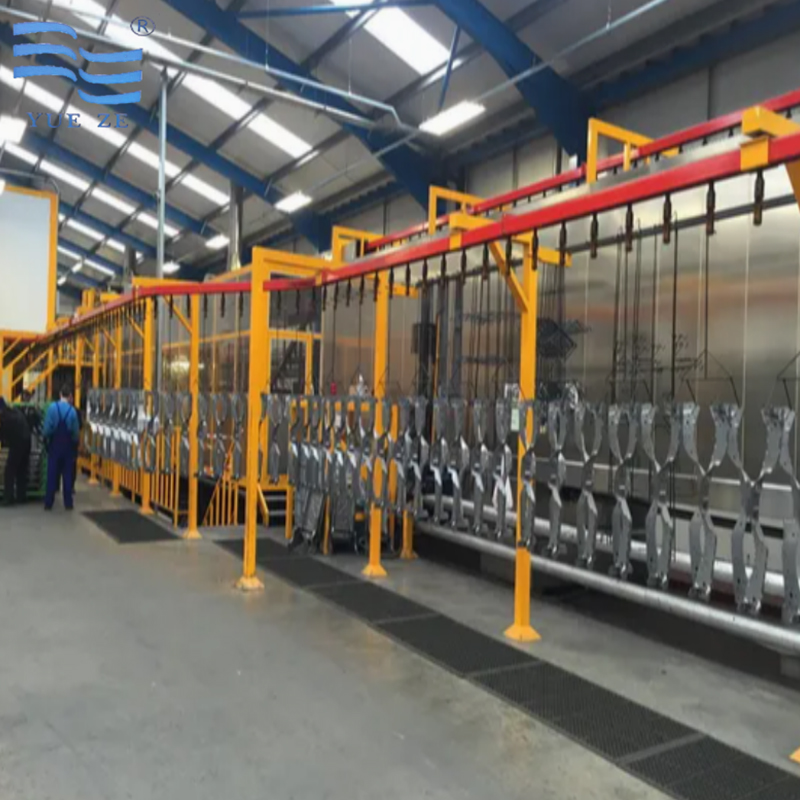
Electrophoretic Coating Line
One of the most important advantages of electrophoretic coating is its ability to cover conductive surfaces that are difficult to reach with spray equipment. Electric field distribution allows coating particles to enter recessed areas, channels, edges, and internal cavities. Although the final result depends on workpiece geometry, bath design, electrical conditions, and pretreatment quality, e-coating generally provides more comprehensive coverage than manual spray priming.
This advantage is particularly useful for frames, brackets, structural components, automotive parts, welded assemblies, tubular products, and fabricated steel products. By reducing thin spots and missed areas, the process helps improve the overall reliability of corrosion protection.
Conventional spraying is influenced by gun distance, spray angle, operator movement, atomization conditions, paint viscosity, and overlap technique. Electrophoretic deposition is less dependent on manual application skill. The self-limiting deposition mechanism supports more consistent film thickness when the bath and electrical parameters are properly controlled.
Consistent thickness can simplify downstream processing and reduce variation between production batches. It also makes quality assurance more measurable because the process can be linked to defined voltage, current, time, temperature, and bath chemistry parameters.
The coating system works together with pretreatment to create a durable bond between the paint film and metal substrate. A properly cleaned and converted surface helps the deposited film resist peeling, impact, humidity, and corrosive exposure.
Electrophoretic coating is widely used as a corrosion-resistant primer because it can protect areas that are difficult to cover through spraying. In applications where long service life is important, the e-coat may be combined with a compatible topcoat to provide both corrosion protection and the required color, gloss, weathering, or chemical resistance.
Spray painting can generate overspray, especially when coating small components, edges, or irregular shapes. Electrophoretic deposition places paint particles directly onto the conductive workpiece, while recovery rinses return much of the unused material to the process. This can reduce material losses and improve operating efficiency.
The actual utilization rate depends on paint chemistry, equipment design, bath management, recovery performance, workpiece loading, and process control. However, the closed-loop nature of the process generally offers an important material-efficiency advantage over open spray application.
Many electrophoretic coating systems use water-based paint technology. Compared with solvent-heavy coating methods, this can reduce volatile organic compound emissions and lower odor. The process also limits uncontrolled overspray because the coating is deposited through an immersion and electrical process rather than atomized into the surrounding air.
Environmental performance still depends on the complete line design. Wastewater, tank ventilation, oven exhaust, sludge, chemical storage, and curing emissions must be managed in accordance with applicable local requirements. Yueze’s experience in waste gas treatment equipment and environmental protection systems allows these issues to be considered as part of the overall project rather than treated as an afterthought.
A complete automated line can coordinate loading, pretreatment, coating, rinsing, curing, and unloading with limited manual intervention. Programmable logic controllers, variable-frequency drives, sensors, recipe management, alarms, and human-machine interfaces support stable operation and help reduce operator-dependent variation.
Automation also improves production planning. Conveyor speed and process timing can be matched to the required output, while equipment status and process data can be monitored for preventive maintenance and quality analysis.
Once the system is commissioned and stabilized, an automated electrophoretic coating line can reduce the amount of direct manual work required for coating application. Operators can focus on loading, inspection, bath management, equipment monitoring, and maintenance rather than manually spraying every surface.
Operating cost depends on production volume, energy price, paint consumption, chemical usage, wastewater treatment, labor, and maintenance. An efficient design seeks to reduce these costs through paint recovery, optimized heating, reliable filtration, appropriate conveyor control, and accessible equipment layout.
| Evaluation Factor | Electrophoretic Coating | Conventional Spray Priming |
|---|---|---|
| Coverage of internal cavities | Excellent for many conductive and accessible internal surfaces | Limited by spray angle, gun access, and operator technique |
| Film thickness consistency | High when bath and electrical conditions are controlled | Moderate and often dependent on operator skill |
| Material utilization | High, with recovery rinsing and low overspray | Moderate, with overspray and transfer losses |
| Automation potential | High, including automatic conveying and process recipes | Ranges from manual to robotic application |
| VOC characteristics | Often suitable for water-based, low-VOC coating systems | Depends strongly on solvent and paint technology |
| Complex-shaped components | Well suited to many recessed and irregular conductive parts | May require multiple spray angles or additional manual work |
| Primer application | Commonly used as a corrosion-resistant primer | Can be used as primer or finish coat depending on the product |
| Initial investment | Higher because of tanks, rectifier, recovery, oven, and controls | Can be lower for small or low-volume applications |
| Best production environment | Medium- to high-volume standardized production | Low-volume, highly varied, or simple coating work |
The comparison does not mean that electrophoretic coating replaces every spray process. Spray painting remains useful for final appearance coatings, color changes, repair work, large non-conductive substrates, and products that do not justify a complete immersion line. In many factories, the most effective approach is to use electrophoretic coating as the primer stage and powder or liquid spray as the topcoat stage.
The conveyor determines how workpieces move through the line and strongly influences production capacity. Common arrangements include overhead chain conveyors, power-and-free conveyors, monorail systems, and specialized automatic transfer systems. The selection depends on workpiece weight, dimensions, spacing, line speed, floor area, process orientation, and maintenance requirements.
Carriers and hooks must withstand chemical exposure, heat, mechanical loads, and repeated use. Electrical contact points must remain reliable because poor conductivity can cause uneven deposition or process interruption. The conveyor should also include suitable access for inspection, cleaning, lubrication, and replacement of wear components.
Pretreatment tanks may be fabricated from materials selected for resistance to cleaning chemicals, acids, alkalis, and elevated temperatures. Tank insulation, external cladding, heating systems, circulation pumps, filtration devices, overflow channels, and maintenance platforms are all part of the engineering design.
The number and sequence of tanks are based on the substrate and required performance. A simplified line may contain cleaning, rinsing, conversion treatment, and final rinsing. A demanding automotive or industrial line may require multiple cleaning, conditioning, rinsing, phosphating, and post-treatment stages.
The e-coating tank is the central process unit. It must provide sufficient immersion time and stable bath movement without creating excessive turbulence. Circulation should maintain a consistent distribution of solids and temperature while filtration removes unwanted particles.
Bath management may include conductivity monitoring, pH measurement, temperature control, solids analysis, solvent monitoring, ultrafiltrate control, and replenishment. The coating supplier’s technical requirements should be integrated into the line’s control strategy. Automatic dosing can improve consistency, but operators still require training in laboratory testing and process correction.
The rectifier converts incoming power into the controlled direct current required for deposition. It must be selected according to tank size, workpiece surface area, production rate, paint system, and required voltage range. The control system should provide stable ramping, current limitation, fault protection, and safe shutdown.
Because the process involves electrical equipment near liquid tanks, grounding, insulation, enclosure protection, emergency stops, interlocks, and maintenance procedures must be carefully designed. Electrical components should be separated from corrosive areas whenever practical, and the line should comply with relevant industrial safety requirements.
Rinsing equipment may include spray headers, immersion tanks, pumps, filters, piping, valves, ultrafiltration modules, permeate tanks, and return lines. The system must be arranged to avoid dead zones and ensure sufficient flow over all surfaces.
Effective recovery helps reduce paint consumption and stabilizes the coating bath. It can also reduce the amount of coating material entering the wastewater treatment system. The design should provide access for membrane cleaning, filter replacement, pump servicing, and inspection of flow conditions.
The curing oven must match the workpiece size, line speed, coating chemistry, and required production capacity. Important design factors include heat source, thermal insulation, airflow pattern, exhaust arrangement, temperature uniformity, energy recovery, and maintenance access.
For large or heavy components, thermal mass can influence the required heating time. The oven must be designed around the actual metal temperature rather than only the air temperature. Temperature recording and periodic oven profiling help confirm that the coating receives the required cure throughout the load.
An electrophoretic coating line produces wastewater from cleaning, rinsing, bath maintenance, and equipment washing. The line may also generate exhaust from heating, curing, chemical tanks, and drying areas. Environmental equipment should be selected according to the chemical formulation, production volume, emission characteristics, and local regulations.
Possible solutions include ventilation systems, filtration, adsorption, catalytic or thermal treatment, wastewater neutralization, separation, sedimentation, and sludge management. Yueze’s product range includes flue gas purification systems, waste gas treatment equipment, and solid waste incineration furnace series, allowing environmental protection requirements to be coordinated with coating line engineering.
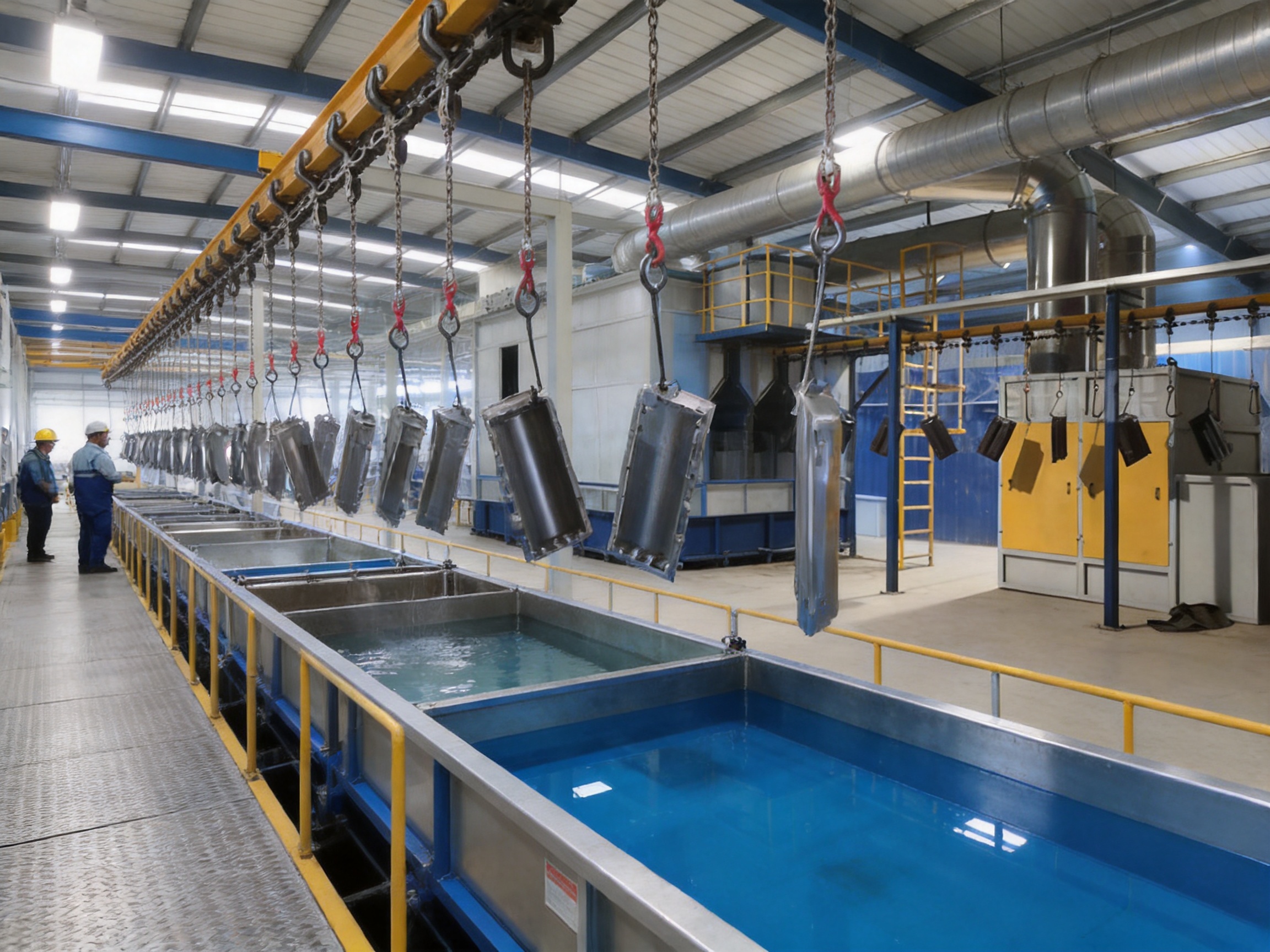
A reliable electrophoretic coating line should be designed around the customer’s actual workpieces rather than selected from a generic equipment catalog. Important information includes substrate type, maximum and minimum dimensions, weight, surface condition, annual output, shift pattern, coating specification, corrosion standard, available building space, and future expansion plans.
Yueze develops customized coating production line equipment for different industrial applications. The engineering process can consider line layout, tank arrangement, conveying method, heating capacity, automation level, environmental equipment, and connection with existing production systems.
The company’s experience extends beyond a single coating machine. Its equipment range includes paint booths, sanding booths, custom coating production lines, modular automatic production lines, automatic conveyor systems, waste gas purification systems, infrared radiation drying systems, and other environmental protection equipment.
This broader capability is useful when a customer requires a complete production system rather than an isolated electrophoretic tank. Pretreatment, e-coating, topcoat spraying, powder coating, drying, curing, conveying, inspection, and environmental treatment can be planned as one coordinated project.
In 2014, Jiangsu Yue Ze Environmental Protection Equipment Co., Ltd. developed a hanging automatic painting process line for cast counterweight blocks. The process covered finishing and polishing through primer and topcoat application. This type of project requires attention to heavy workpieces, carrier strength, drainage, surface preparation, production rhythm, and safe handling.
Experience with large and complex components can support the development of electrophoretic coating systems for automotive parts, electric vehicle components, machinery frames, structural assemblies, agricultural equipment, and other industrial products.
Advanced manufacturing is not limited to the fabrication of tanks or structural frames. It includes accurate cutting, welding, surface preparation, component assembly, electrical integration, piping installation, insulation, testing, and documentation. A complete quality process should verify dimensional accuracy, weld condition, pump performance, control cabinet wiring, sensor function, safety interlocks, and system cleanliness.
Factory pre-assembly and testing can help identify installation problems before shipment. Where practical, major modules can be inspected and tested before being dismantled for delivery. This approach reduces commissioning time and supports more predictable project installation.
Modern coating lines benefit from centralized control and real-time process monitoring. A programmable logic controller can manage conveyor movement, tank pumps, heaters, rectifier operation, oven temperature, exhaust fans, alarms, and safety interlocks. A human-machine interface allows operators to view operating status, adjust approved parameters, and review alarms.
Recipe-based control is valuable for factories that process multiple product types. Each recipe can define conveyor speed, immersion time, coating voltage profile, rinsing sequence, oven setpoints, and other approved conditions. Access permissions can prevent unauthorized changes to critical settings.
Data collection also supports preventive maintenance and quality analysis. Trends in current, conductivity, temperature, flow, and oven performance can reveal problems before they result in large quantities of defective product.
Automotive bodies, frames, brackets, battery trays, suspension components, structural parts, and other vehicle products often require reliable corrosion protection. E-coating can provide a uniform primer layer before a color topcoat, especially when components contain welded seams, cavities, and irregular geometries.
Electric vehicle components may have additional requirements related to battery enclosure protection, dimensional consistency, insulation considerations, and integration with automated assembly. The line must be designed around the specific substrate and coating specification rather than assuming that all vehicle parts use identical parameters.
Construction machinery, agricultural equipment, material-handling equipment, industrial cabinets, machine bases, and fabricated frames can benefit from a durable primer system. E-coating is suitable when production quantities are sufficient to justify immersion equipment and when consistent corrosion protection is more important than frequent color changes.
Cast counterweights, housings, brackets, and other cast or forged products often have complex profiles and surface irregularities. Effective grinding, cleaning, and pretreatment are essential before electrophoretic deposition. The conveyor and fixtures must also accommodate heavy loads and ensure good electrical contact.
Metal furniture frames, storage systems, electrical enclosures, shelving, and fabricated steel products may use electrophoretic coating as a primer or complete protective finish. The final appearance requirements determine whether a separate powder or liquid topcoat is required.
Coating bath performance depends on stable chemical conditions. Operators should follow the coating supplier’s procedures for testing solids, pH, conductivity, temperature, contamination, solvent content, and other relevant factors. Irregular replenishment or delayed correction can cause changes in appearance, film thickness, adhesion, and corrosion performance.
Hooks, racks, busbars, and contact points should be inspected regularly. Oxidation, paint buildup, mechanical wear, or loose connections can reduce conductivity. Contact cleaning and replacement should be included in the preventive maintenance schedule.
Filters, pumps, pipes, spray headers, ultrafiltration modules, and tank circulation systems require regular maintenance. Blocked filters or inadequate flow can lead to contamination, uneven rinsing, poor paint recovery, and bath instability.
Oven temperature should be monitored at multiple locations, and periodic profiling should be performed using representative workpieces. Fans, burners, heating elements, dampers, insulation, and exhaust components should be checked according to the maintenance plan.
Incorrect loading can result in shadowing, trapped liquid, inadequate drainage, poor electrical contact, and uneven heating. Standardized loading instructions, fixture inspections, and operator training are therefore essential parts of process control.
Installation begins with a review of the factory layout, foundation, utilities, ventilation routes, drainage, electrical supply, compressed air, water quality, and material flow. Large coating systems often require coordination between equipment suppliers, civil contractors, electrical contractors, paint suppliers, and the customer’s production team.
During commissioning, the equipment is checked first without chemicals and then under process conditions. Conveyor operation, pump rotation, valve function, tank levels, heater operation, rectifier response, exhaust airflow, oven temperature, alarms, and safety interlocks should all be verified.
Process commissioning also includes bath preparation, test workpieces, coating trials, film thickness measurement, adhesion testing, curing verification, and adjustment of operating parameters. A successful handover should include operating instructions, maintenance schedules, electrical drawings, spare-parts recommendations, and training for production and maintenance personnel.
Jiangsu Yue Ze Environmental Protection Equipment Co., Ltd. provides integrated research and development, manufacturing, installation, and customized equipment services. Its one-stop approach is intended to help customers coordinate coating, conveying, drying, environmental protection, and automation requirements within one project framework.
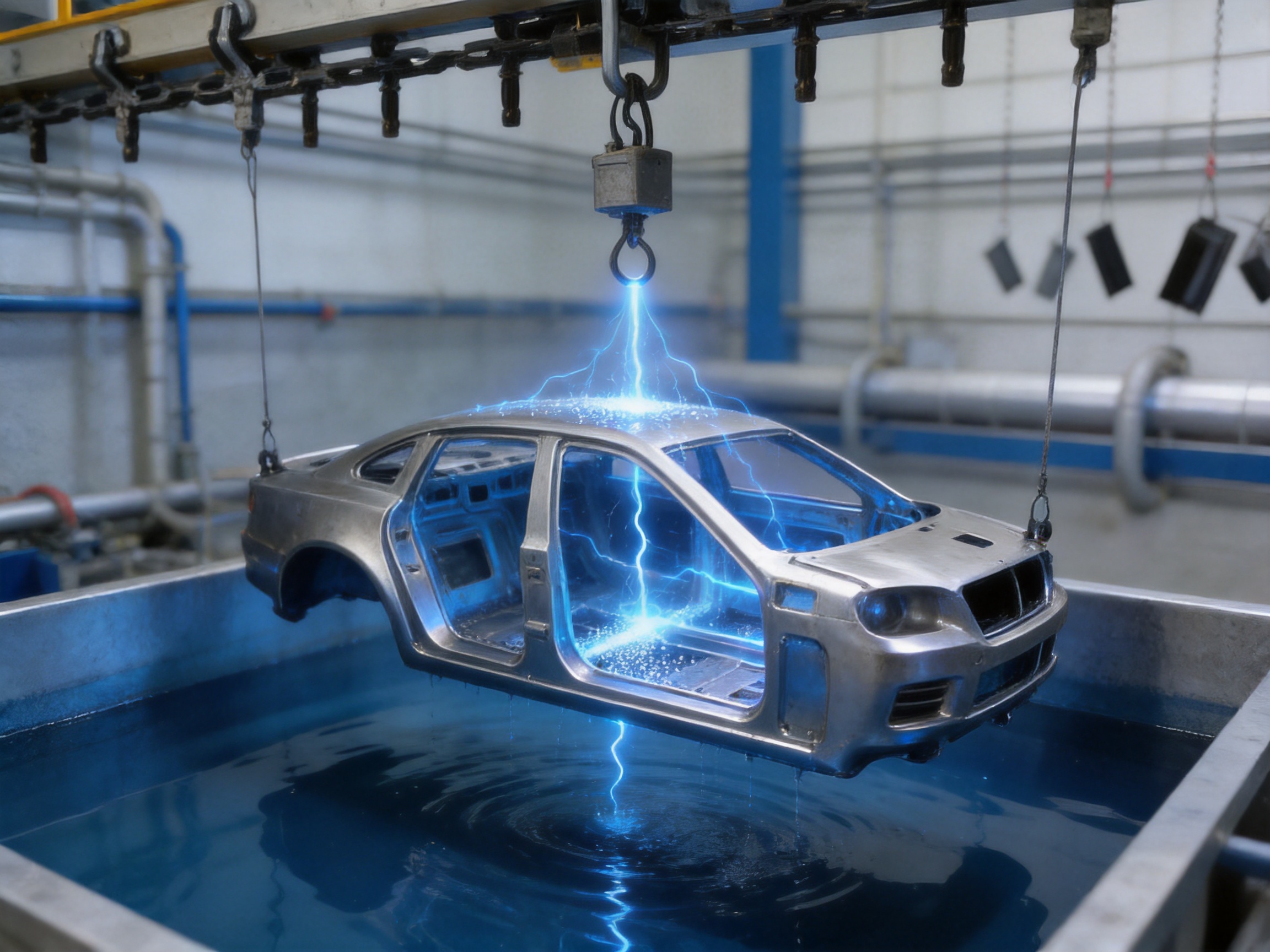
Choosing a supplier requires more than comparing the price of an e-coating tank. The customer should evaluate whether the manufacturer understands the complete process and can support the line throughout its operating life.
A suitable manufacturer should be able to explain not only what equipment will be supplied, but also why each process stage is required and how the complete line will achieve the desired coating result. Technical transparency is especially important for projects involving complex parts, mixed substrates, strict corrosion standards, or limited factory space.
The primary purpose is to apply a uniform, strongly adhered, and corrosion-resistant coating to conductive metal workpieces. The coating can serve as a primer beneath a powder or liquid topcoat, or as a protective finish where the application requirements permit.
Yes. Because charged coating particles move toward conductive surfaces through an electric field, the process can coat many internal cavities, recessed sections, channels, and edges that are difficult to reach with conventional spray equipment. The actual coverage depends on cavity geometry, drainage, electrical access, bath circulation, and process settings.
It can be suitable for aluminum, but the pretreatment and coating system must be selected specifically for the substrate. Aluminum may require a different cleaning and conversion process than steel. The paint supplier and line engineer should confirm compatibility before equipment configuration is finalized.
A line can be designed for fully automatic loading, conveying, pretreatment, e-coating, recovery rinsing, curing, and unloading. Some factories retain manual loading or inspection for flexibility. The automation level depends on production volume, product variety, labor strategy, budget, and factory layout.
Electrophoretic coating deposits charged paint particles from a liquid immersion bath onto a conductive workpiece. Electrostatic spray painting atomizes paint and charges the droplets so they are attracted to the grounded workpiece. Both processes use electrical principles, but their equipment, coating mechanisms, material handling, and ideal applications are different.
Yes. Electrophoretic coating is often used as a corrosion-resistant primer before powder coating. The complete system can be designed with conveyors, intermediate drying or curing stages, transfer equipment, powder spray booths, powder recovery units, and final curing ovens. Compatibility between the e-coat and powder system must be verified through testing.
The coating is deposited directly onto the conductive workpiece rather than being broadly atomized into the surrounding air. Recovery rinses collect non-deposited coating material and return useful solids to the main bath. This helps improve paint utilization, although actual savings depend on bath management and equipment operation.
The required environmental systems depend on the coating chemistry, pretreatment chemicals, production capacity, local regulations, and plant conditions. Typical requirements may include tank ventilation, curing oven exhaust, waste gas treatment, wastewater treatment, sludge management, chemical storage, and safe drainage. These systems should be included in the initial line design.
The customer should provide workpiece drawings or samples, material types, dimensions, weights, annual output, desired coating thickness, corrosion requirements, paint system, available building dimensions, working hours, preferred automation level, existing equipment, utility conditions, and target delivery schedule. More complete information allows the manufacturer to develop a more accurate proposal.
The service life depends on structural quality, chemical exposure, maintenance, workload, operating discipline, and replacement of wear components. Regular maintenance of tanks, pumps, filters, conveyors, electrical contacts, heaters, burners, sensors, and control systems can significantly support long-term operation.
Yes. A line can be designed for multiple product models through adjustable fixtures, flexible carrier spacing, recipe-based controls, variable conveyor speeds, and adaptable loading arrangements. However, the range of product sizes and process requirements must be defined during engineering to ensure that all models receive sufficient immersion, rinsing, drainage, and curing.
Pretreatment removes contamination and creates a chemically suitable surface for coating adhesion. Even a well-designed electrophoretic system cannot compensate for oil, rust, scale, dust, or incompatible conversion layers. Stable pretreatment is one of the most important factors affecting coating quality and corrosion resistance.
An electrophoretic coating line provides a highly automated method for applying consistent, corrosion-resistant coatings to conductive metal parts. Its ability to reach complex surfaces, reduce coating variation, improve material utilization, and operate with water-based systems makes it an effective choice for many medium- and high-volume manufacturing applications.
The best results depend on the complete system rather than the e-coating tank alone. Pretreatment, electrical control, bath circulation, ultrafiltration, recovery rinsing, conveying, curing, environmental protection, inspection, and maintenance must work together. The line should also be designed around the actual workpieces, production targets, coating chemistry, factory layout, and future development plans.
Jiangsu Yue Ze Environmental Protection Equipment Co., Ltd. combines experience in custom coating production line equipment, automatic conveying, paint and bake booths, drying systems, waste gas purification, and environmental protection engineering. Its manufacturing and engineering capabilities support integrated solutions for automotive components, electric vehicle products, cast counterweights, machinery, fabricated metal products, and other industrial applications.
For manufacturers seeking a stable primer process, improved corrosion protection, lower coating waste, and greater automation, a properly engineered electrophoretic coating line can become a reliable foundation for a complete modern surface treatment system.
1. General principles of electrophoretic deposition and industrial electrocoating process control.
2. Technical guidance for metal surface preparation, degreasing, rinsing, and chemical conversion coating.
3. Industrial coating technology references covering film thickness, adhesion, curing, and corrosion protection.
4. Manufacturer technical documentation for water-based cathodic electrophoretic coating materials.
5. Industrial automation and programmable control practices for continuous coating production lines.
6. Environmental engineering guidance for coating-line wastewater, waste gas, ventilation, and sludge management.
7. Jiangsu Yue Ze Environmental Protection Equipment Co., Ltd. company information and equipment application materials.
An electrophoretic coating line is a complete automatic surface treatment system. Through electrophoretic deposition, a uniform, dense, and anti-corrosion coating is formed on the metal surface. The w...
See Details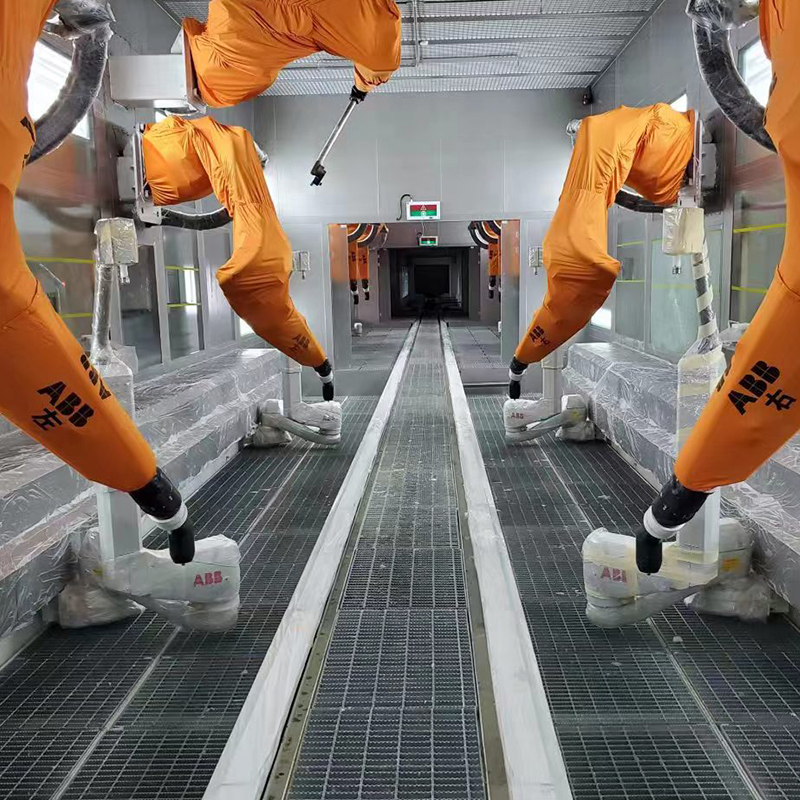
Professional spray coating line specially designed for motor casings, applicable to various motor casing types (electric vehicle motor casing, industrial motor casing, household motor casing, high-tem...
See Details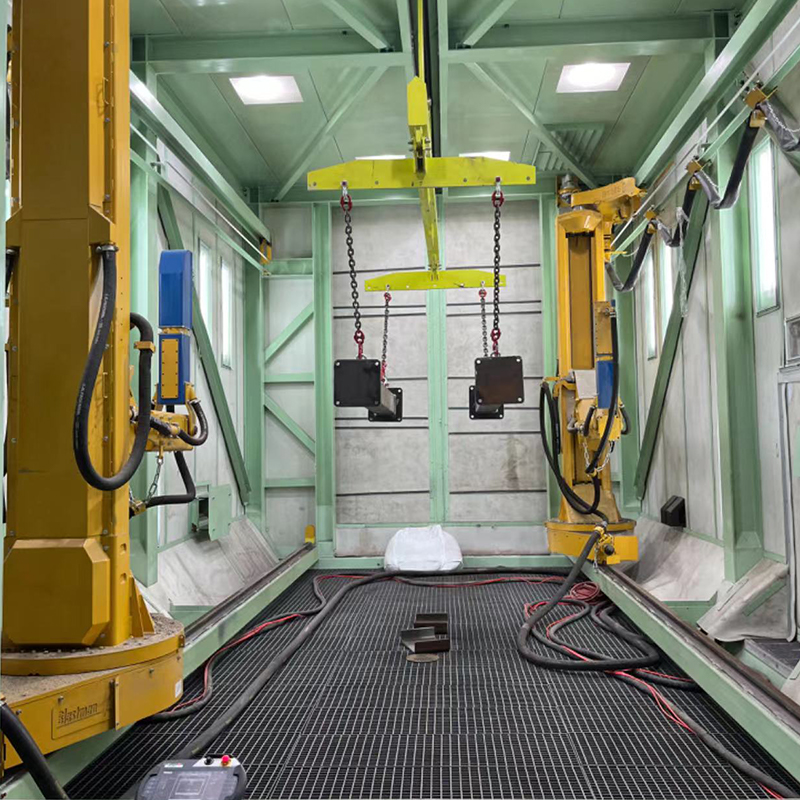
Professional coating line specially designed for large castings and heavy truck parts, applicable to various large castings (engineering castings, mining equipment castings, industrial castings) and h...
See Details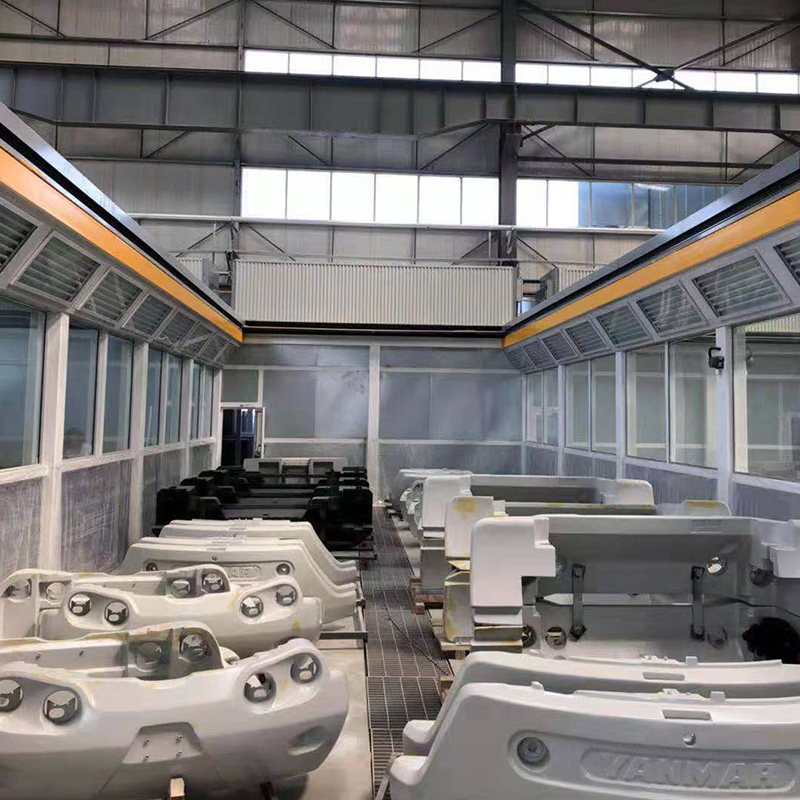
Professional spray coating line specially designed for car wheel manufacturing and refurbishment, applicable to various car wheel types (steel wheel, aluminum alloy wheel, forged wheel, cast wheel, pa...
See Details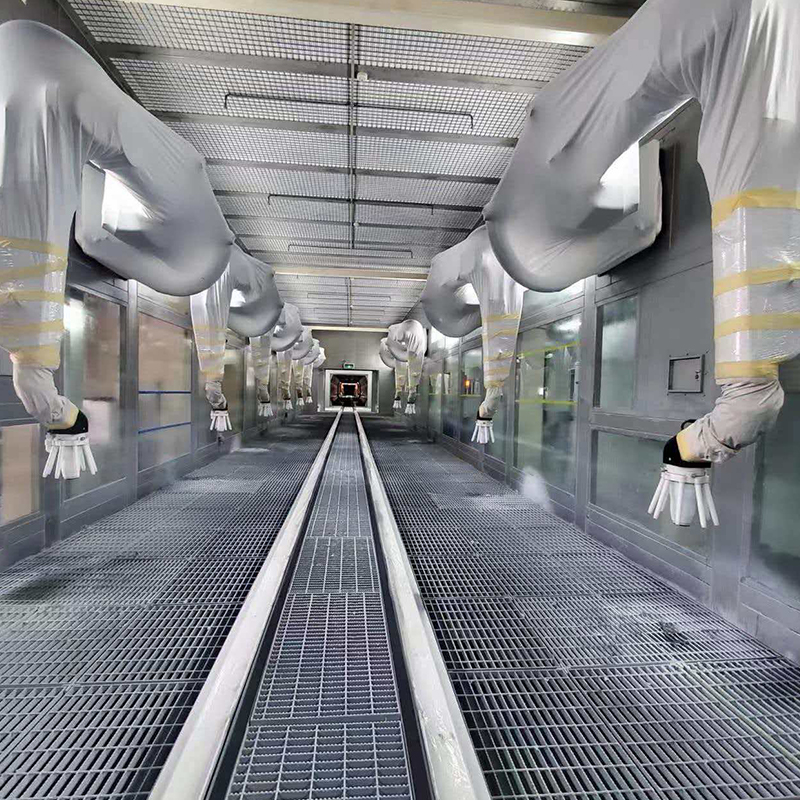
Professional coating line dedicated to truck body manufacturing and refurbishment, applicable to various truck types (heavy-duty truck, light-duty truck, pickup truck, van, commercial truck). Main typ...
See Details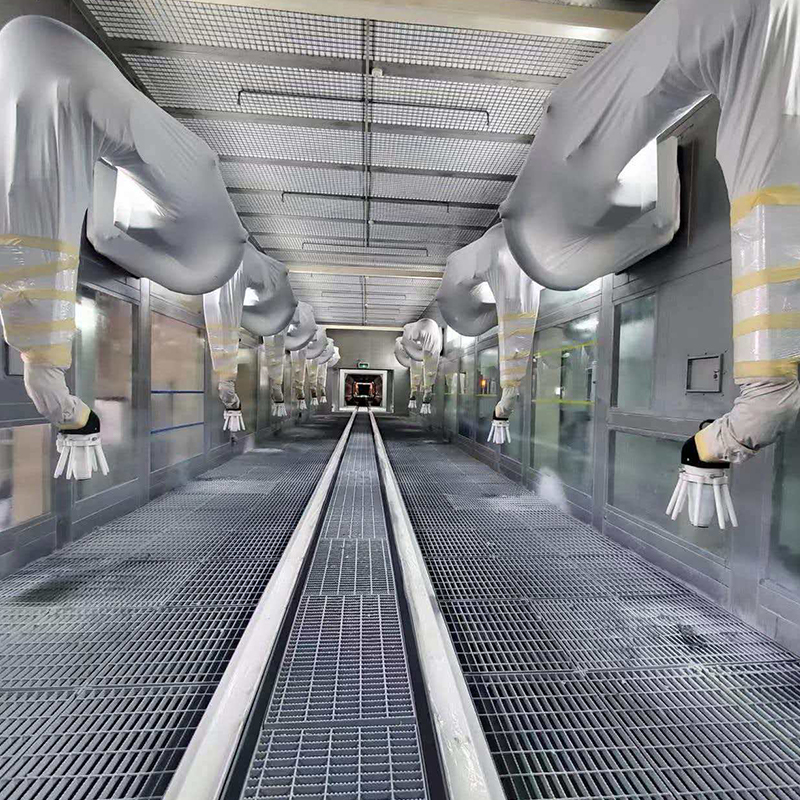
Professional spray coating line specially designed for car wheel manufacturing and refurbishment, applicable to various car wheel types (steel wheel, aluminum alloy wheel, forged wheel, cast wheel, pa...
See DetailsBuild Your Customized Industrial Coating System
Send us your workpiece information, production capacity, coating process, workshop layout, and environmental requirements. Yueze will help evaluate your project and develop a suitable coating, conveying, drying, and environmental treatment solution.
Main menu
Products
Contact Us
Company Address:
No. 12, Park Avenue, Shanggang Industrial Park, Jianhu, Yancheng City, Jiangsu Province
Message Us Right Now!

Follow us: