
 русский
 عربى
 Tiếng Việt

The retractable mobile spray & sanding booth is a flexible, space-saving, and multi-functional coating workstation. With a telescopic movable structure and integrated dust & paint mist filtrat...
See Details
Yueze Environmental Protection provides one-stop compliant industrial surface treatment solutions with professional tech and fine craftsmanship.
 Get Inquiries
2026-09-26
Content
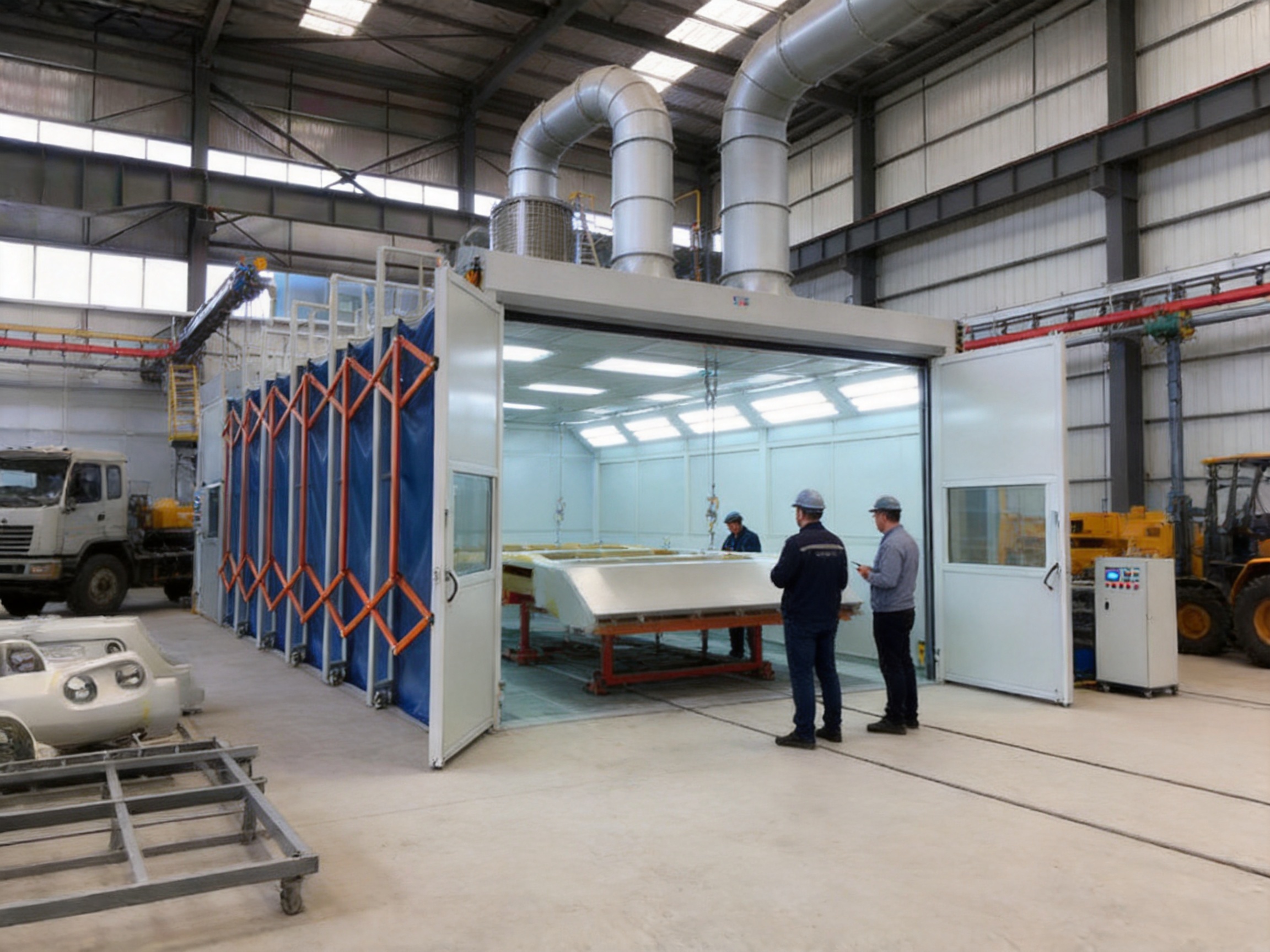
Industrial coating operations are under increasing pressure to improve productivity, control airborne contaminants, protect employees, and reduce the cost of workshop construction. Traditional fixed spray booths can provide effective containment, but they also require considerable floor space and permanent civil works. When production changes, workpieces become larger, or the workshop must accommodate several processes, a fixed booth may limit layout flexibility and increase operating costs.
The retractable mobile spray and sanding booth offers a practical alternative. Designed as a flexible coating workstation, it combines spraying, sanding, dust collection, paint-mist filtration, ventilation, and optional heating in one movable structure. The booth can expand when work is being performed and contract when the area is not in use. Mounted on bottom rails, it can also be repositioned according to the production arrangement, workpiece size, or changing needs of the factory.
This dual-purpose design is especially suitable for manufacturers handling large components, construction machinery, truck bodies, steel structures, agricultural equipment, iron furniture, and other products that are difficult to move into a conventional fixed booth. Instead of transferring a heavy workpiece to a dedicated room, the booth can be positioned around the work area or moved to the required workshop station.
Manufactured by Jiangsu Yue Ze Environmental Protection Equipment Co., Ltd., the system reflects more than four decades of experience in industrial coating equipment, environmental protection systems, conveying technology, and customized production lines. The company integrates engineering design, equipment manufacturing, installation, commissioning, and after-sales support to provide a complete solution rather than a simple enclosure.
A spray and sanding booth is designed to control the working environment during surface preparation and coating. Sanding generates dust, while spray painting produces paint mist, overspray, and potentially hazardous airborne particles. Without controlled extraction, these contaminants can spread through the workshop, settle on finished surfaces, affect product quality, and expose operators to unnecessary occupational risks.
A properly designed booth creates a controlled area around the workpiece. Air is drawn through the working zone toward filtration and exhaust equipment. This airflow helps capture dust and paint mist before they can disperse into neighboring production areas. The enclosed or semi-enclosed structure also reduces cross-contamination, protects nearby machinery, and supports a more consistent coating environment.
The retractable mobile model adds another important function: it adapts to the workshop instead of forcing the workshop to follow a permanent booth layout. When sanding or spraying begins, the structure is extended to create a contained working chamber. After the operation is complete, the booth is contracted to release space for material handling, assembly, maintenance, or other production activities.
This approach is useful for factories with variable production schedules. A plant may process a small number of large workpieces one day and several smaller components the next. It may also need the same area for welding, assembly, inspection, or storage. A movable retractable booth allows the facility to use the available floor area more efficiently than a permanent room.
The retractable mobile spray and sanding booth consists of a telescopic enclosure, guide rails, air-supply and exhaust equipment, filtration components, lighting, control elements, and safety accessories. The exact configuration can be customized according to the dimensions of the workpieces, the coating material, the sanding method, the required airflow, and the workshop environment.
During operation, the booth is expanded along its guide system. The operator places or approaches the workpiece within the designated processing area, activates the ventilation system, and performs sanding or coating under negative pressure. The airflow carries dust and paint mist toward filters or collection devices. After processing, the structure can be retracted to reduce its footprint.
Depending on the project requirements, the system may include separate or integrated filtration arrangements for sanding dust and coating overspray. For powder coating applications, the booth can be configured with suitable recovery and filtration components. For liquid coating, the exhaust and filtration arrangement must be selected according to the paint type, solvent characteristics, application volume, and environmental requirements.
The equipment is not limited to one standard size. The manufacturer can evaluate the customer’s workshop drawings, production capacity, workpiece dimensions, process sequence, and local environmental conditions before preparing a customized design. This engineering-based approach helps avoid the common problems associated with purchasing an oversized or undersized standard booth.
The telescopic booth body forms the primary containment area. Its movable sections are designed to open and close along the supporting rail system. The enclosure can be constructed with insulated and flame-retardant materials selected for the application. Wall and roof panels may also contribute to noise reduction and improved working comfort.
The bottom rail system supports mobile positioning. It allows the booth to move between selected stations, subject to the workshop layout and floor conditions. This arrangement is particularly beneficial when large workpieces remain in place and the processing equipment must be brought to them.
The ventilation system controls airflow through the working zone. A negative-pressure arrangement helps prevent contaminated air from escaping through gaps or openings. Forced air supply can be added where better airflow balance, temperature control, or operator comfort is required.
The filtration system captures sanding dust, powder particles, paint mist, and other contaminants. Filter selection depends on the process. Cartridge filters, dry filters, paint-mist filters, cyclone recovery units, and other arrangements may be used individually or in combination. The objective is to balance filtration efficiency, pressure loss, maintenance requirements, and operating cost.
Explosion-proof fans and lighting may be included where the process involves combustible dust, flammable coating materials, or hazardous atmospheres. Anti-static grounding, flame-retardant materials, electrical protection, and suitable control devices are also important parts of a safe system design.
Optional heating equipment can support temperature stability during coating and curing operations. This is especially valuable in colder seasons, when low ambient temperatures may affect paint viscosity, atomization, drying time, and final surface quality. The heating configuration must be selected in accordance with the coating material and applicable safety requirements.
One of the strongest advantages of this equipment is its retractable structure. A fixed booth occupies the same area whether it is operating or standing idle. The telescopic booth, by contrast, can be expanded only when required. When the process is finished, it can contract into a smaller footprint and free the surrounding area.
Space efficiency is important for both new factories and existing workshops. New facilities may not have enough room for several large process rooms. Existing factories may have production areas arranged around columns, overhead cranes, storage zones, or assembly lines. Constructing a permanent booth may require relocating equipment or modifying the building. A retractable design can reduce the need for extensive changes.
The space-saving benefit is not limited to floor area. A compact idle position can improve material flow, provide better access for forklifts, and reduce interference with other operations. It can also help a factory use one area for several purposes without sacrificing environmental control during sanding or spraying.
The telescopic design should be evaluated together with the expected frequency of movement, the available floor tolerance, the rail installation conditions, and the size of the workpieces. A professional manufacturer can determine the appropriate number of movable sections, travel distance, drive method, panel construction, and sealing arrangement.
Manufacturing environments rarely remain unchanged. A customer may introduce a larger product, add a second coating color, change the position of an assembly line, or increase production volume. Equipment that cannot adapt may become a bottleneck. The mobile booth provides a degree of layout flexibility that is difficult to obtain from a conventional permanent room.
For example, a factory producing construction machinery may need to coat frames, arms, counterweights, and other large assemblies in different areas. Moving every component into a single fixed room can require additional cranes, transport vehicles, and handling time. A mobile booth can be positioned near the relevant work area, reducing unnecessary movement of heavy products.
The same principle applies to steel fabricators, agricultural machinery manufacturers, truck body producers, and furniture factories. When the workpiece is large, irregular, fragile, or difficult to transport, bringing the controlled coating environment to the workpiece can improve efficiency and reduce handling risks.
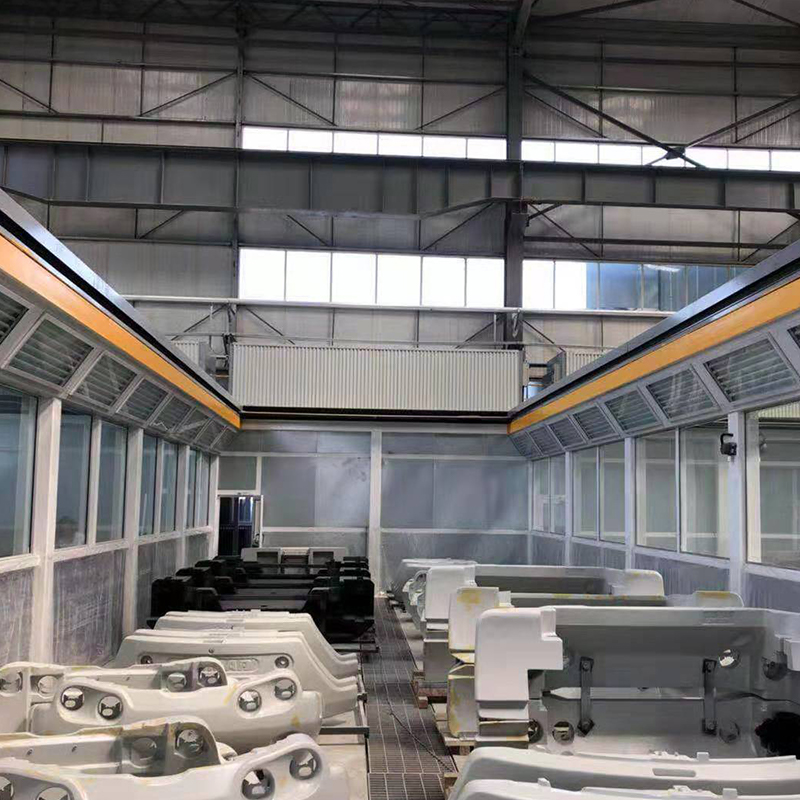
Custom Spray Booth and Sanding Booth
Many coating operations require surface preparation before painting. Sanding removes rust, old coatings, weld spatter, burrs, and surface irregularities. If sanding and spraying are performed in separate fixed rooms, the factory must provide adequate space, ventilation, lighting, material handling, and maintenance for both areas.
The dual-function booth consolidates these requirements into one flexible workstation. During sanding, the extraction system captures dust and helps keep the surrounding workshop clean. During spraying, the booth contains paint mist or powder overspray and directs contaminated air toward the appropriate filtration equipment.
Using one booth for two related processes can reduce capital expenditure and simplify workshop planning. It may also reduce the time spent transferring large components from preparation to coating. The same booth can be arranged as part of a broader process sequence, with pre-treatment, drying, coating, curing, inspection, and assembly stations located nearby.
However, dual-purpose use requires careful process engineering. Sanding dust and spray contaminants have different physical characteristics. The filtration arrangement, cleaning method, airflow volume, filter material, and maintenance schedule must reflect the actual process. If the booth is intended for both powder and liquid coating, the manufacturer must also consider cross-contamination, cleaning requirements, grounding, solvent vapor control, and fire safety.
Sanding dust can be generated continuously, particularly when abrasive tools are used on steel structures or large cast components. Uncontrolled dust can settle on freshly prepared surfaces and cause coating defects. It can also enter motors, electrical cabinets, ventilation equipment, and other workshop machinery.
The booth’s negative-pressure airflow draws dust away from the operator and workpiece. Properly positioned extraction points help prevent dead zones where dust may accumulate. The filter system should be selected according to particle size, dust loading, moisture content, and the type of abrasive process.
Regular filter inspection is essential. A loaded filter increases pressure drop and may reduce airflow. Differential-pressure monitoring, accessible filter compartments, and a defined cleaning or replacement procedure help maintain stable performance. The final maintenance program should be based on operating hours, dust concentration, filter design, and actual pressure readings.
Spray coating generates overspray that does not reach the workpiece. In liquid painting, this overspray may contain resin, pigment, solvent, or other coating components. In powder coating, unused particles can often be recovered and reused if they remain clean and compatible with the production process.
An enclosed booth directs overspray toward filtration or recovery equipment instead of allowing it to spread through the workshop. This improves housekeeping and helps prevent unwanted particles from settling on wet surfaces. In powder coating, a suitable recovery system can reduce material waste and improve transfer efficiency.
Powder recovery may use cartridge filtration, cyclone separation, or a combination of technologies. The best choice depends on the powder type, production volume, color-change frequency, part geometry, and required recovery rate. High-volume continuous production may justify a more advanced recovery system, while a smaller operation may prefer a simpler and lower-cost arrangement.
Environmental control is a central function of the booth, not an optional accessory. The system is designed to contain dust and coating mist at the source, filter the extracted air, and reduce uncontrolled emissions from the workshop. Cleaner air also supports better working conditions and reduces the amount of contamination transferred to other production areas.
The negative-pressure principle is particularly important. When the pressure inside the booth is lower than the surrounding workshop, air tends to flow inward through openings instead of contaminated air flowing outward. The system must be properly balanced to maintain this condition without creating excessive air velocity, unstable spray patterns, or uncomfortable working conditions.
Environmental performance depends on the complete system, including enclosure integrity, fan capacity, filter selection, duct design, maintenance, and operating practices. A high-efficiency filter cannot compensate for poorly sealed panels or insufficient airflow. Likewise, an oversized fan may increase energy consumption and disrupt coating quality if the airflow is not properly controlled.
The equipment can be integrated into a broader environmental protection strategy. Depending on the process, the complete solution may include waste-gas treatment, powder recovery, liquid paint-mist filtration, thermal treatment, or other emission-control equipment. The correct configuration should be based on the coating chemistry, emission characteristics, local regulations, and production capacity.
Operators working near sanding dust, paint mist, or powder particles require effective engineering controls. A booth provides a physical and airflow barrier that reduces the concentration of airborne contaminants in the immediate work area. It should be used together with suitable personal protective equipment, operating procedures, training, and regular ventilation inspections.
Lighting is also important for safe and accurate work. Even illumination helps operators identify surface defects, coating coverage problems, and contamination. Explosion-proof lighting may be required in areas where flammable vapors or combustible dust are present. The electrical design should be reviewed according to the process risk assessment and applicable standards.
Safety must be considered from the earliest stage of booth design. Sanding can generate combustible dust, while liquid coatings may release flammable vapors. Powder coating also involves fine particles that can present an explosion risk under certain conditions. The equipment configuration should therefore reflect the specific materials and processes used by the customer.
Explosion-proof fans are commonly included for applications requiring protected ventilation equipment. Their selection must match the airflow requirement, pressure resistance, temperature conditions, and hazardous-area classification determined for the installation.
Explosion-proof lighting can reduce ignition risks while providing the visibility needed for surface preparation and coating. Fixtures should be positioned to avoid shadows and should be accessible for inspection and maintenance.
Anti-static grounding helps dissipate electrostatic charges. This is particularly relevant to powder coating, where charged particles are deliberately used to improve transfer to a grounded workpiece. The booth, workpiece support, conveyor or rail system, spray equipment, and other conductive components should be connected and inspected as required.
Flame-retardant materials can help limit the spread of fire. Panels, seals, cables, and insulation should be selected with the process environment in mind. Fire detection, emergency stop controls, access arrangements, and other protective devices may also be incorporated according to the project requirements.
Safety features must not be treated as generic items added after manufacturing. They should be coordinated with ventilation calculations, electrical design, filter arrangement, coating chemistry, operator access, and maintenance procedures. This integrated approach is one of the benefits of working with an equipment manufacturer that provides engineering design and complete production-line solutions.
Airflow affects both environmental performance and coating quality. If the airflow is too weak, dust and mist may remain suspended or escape from the booth. If it is too strong or uneven, it may disturb the spray pattern, cause dry spray, increase powder loss, or create uncomfortable working conditions.
The booth should therefore be designed around the workpiece dimensions, operator position, spray equipment, extraction points, filter resistance, and exhaust route. Large components may require more than one extraction zone to ensure consistent capture across the working area.
Forced air supply can be used to balance the exhaust system and improve air distribution. In colder climates, a heating module may help maintain a more stable process temperature. Stable temperature can improve atomization, drying behavior, curing consistency, and operator comfort.
Heating must be engineered carefully. The heat source, control system, temperature sensors, airflow interlocks, and safety devices should be suitable for the coating process. In applications involving flammable solvents or combustible dust, heating equipment must be separated and protected in accordance with the relevant risk assessment.
Energy efficiency should also be considered. Variable-speed fans, appropriate filter sizing, insulated panels, automatic operating modes, and demand-based controls can reduce unnecessary energy consumption. The most economical design is not always the one with the lowest initial purchase price; it is the configuration that provides dependable performance over the equipment’s service life.
Different factories require different levels of recovery, automation, airflow control, and environmental treatment. A low-volume workshop may prioritize a compact and economical enclosure. A medium-volume factory may require cartridge filtration and convenient maintenance. A high-volume production line may need cyclone recovery, automatic conveying, coordinated color management, and continuous operation.
| Production Requirement | Recommended Configuration | Main Priority | Typical Consideration |
|---|---|---|---|
| Low-volume or occasional work | Basic enclosed mobile booth | Low initial investment | Simple operation and accessible maintenance |
| Medium-volume production | Retractable booth with cartridge filtration | Balanced cost and performance | Stable airflow and practical filter replacement |
| Large components | Mobile telescopic booth with extended travel | Reduced workpiece handling | Rail layout, crane access, and large extraction capacity |
| Powder coating production | Powder booth with recovery equipment | Material recovery | Color changes, powder compatibility, and filter cleaning |
| Continuous high-volume production | Integrated automated booth and conveyor system | High throughput | Process synchronization and automatic control |
| Cold-weather operation | Booth with controlled air supply and heating | Temperature stability | Safe heat-source selection and energy management |
This comparison illustrates why a customized design is preferable to a one-size-fits-all product. The best booth depends on the customer’s production volume, workpiece size, coating materials, operating schedule, available floor area, and environmental targets.
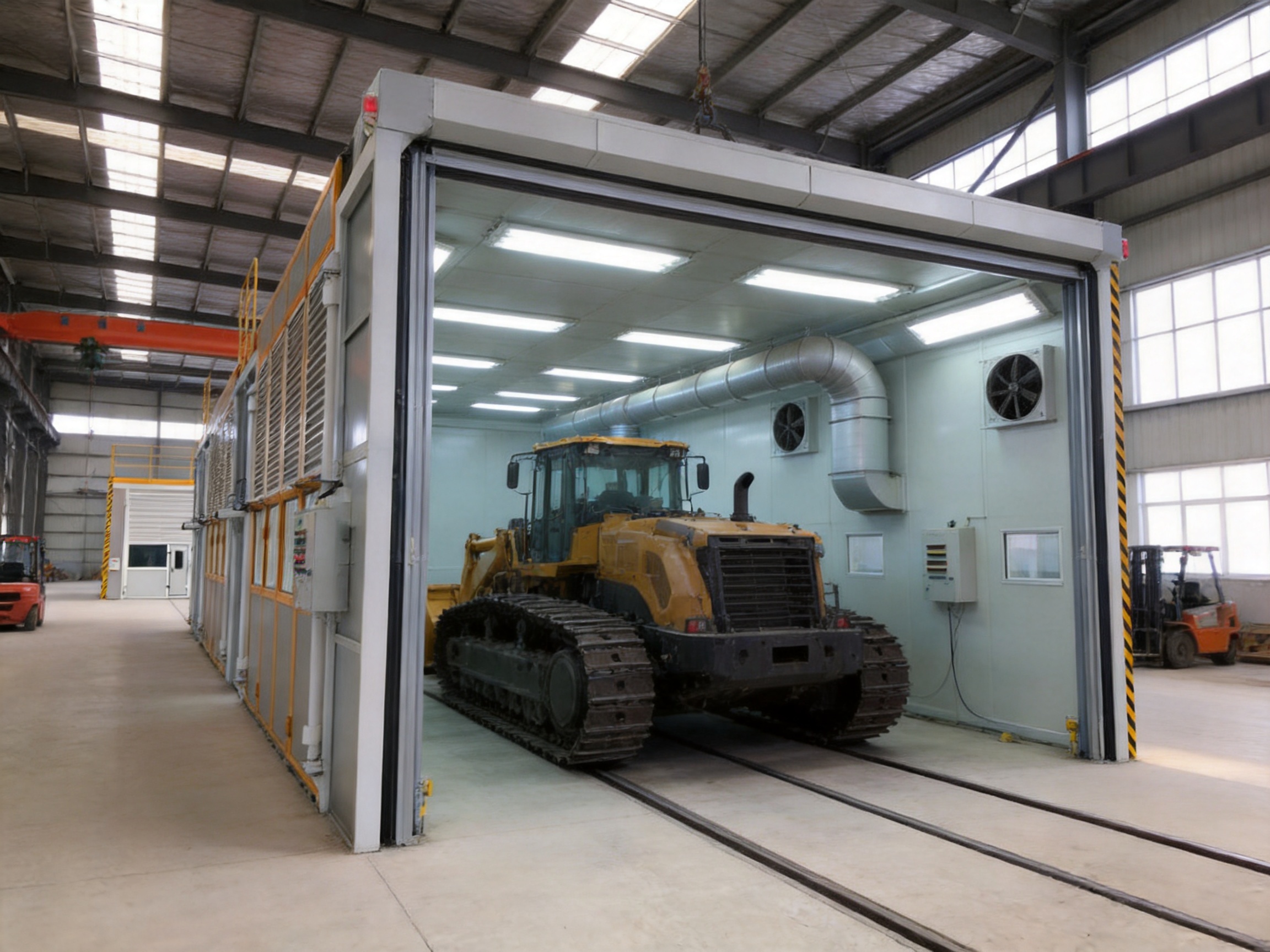
The primary advantage of the retractable mobile booth is flexibility. A conventional fixed booth offers a dedicated process area, but it can restrict material flow and consume valuable floor space even when not operating. The mobile booth can be expanded, contracted, and repositioned, allowing the same workshop area to support several activities.
Another advantage is reduced construction complexity. A fixed room may require a foundation, permanent walls, structural modifications, dedicated doors, fixed duct routes, and substantial installation work. The retractable model is designed for on-site assembly and can often be installed with fewer civil changes. This may shorten the construction period and allow production to start sooner.
Workpiece handling is also improved. For large structures, moving the product to a fixed room can require additional labor, lifting equipment, temporary protection, and production time. Positioning the booth near the workpiece reduces unnecessary transfers and can lower the risk of collision or handling damage.
The dual-function capability provides another difference. Instead of purchasing separate sanding and spray rooms, a factory may use one integrated workstation for both stages. This can reduce investment and simplify supervision, while still requiring suitable process separation and cleaning procedures.
Sound insulation may improve the working environment. Sanding tools and extraction fans can generate considerable noise. Insulated wall panels and correctly selected fans can reduce noise transmission, although hearing protection and workplace noise evaluation may still be necessary.
Finally, the booth can be integrated with a broader automated production line. The manufacturer also develops conveying systems, drying equipment, powder coating lines, waste-gas treatment systems, infrared radiation drying systems, and other industrial equipment. This allows the booth to be designed as part of a coordinated process rather than as an isolated unit.
The performance of a spray and sanding booth depends not only on the visible enclosure but also on the quality of its engineering, fabrication, assembly, and control systems. Jiangsu Yue Ze Environmental Protection Equipment Co., Ltd. operates from Yancheng, Jiangsu, China, with a manufacturing area of approximately 35,000 square meters and registered capital of 58 million yuan. The company has more than 40 years of experience in industrial surface treatment and environmental protection equipment.
This experience supports the development of equipment for varied applications, including powder coating lines, electric vehicle assembly lines, automotive counterweight spray lines, paint and bake booths, large-part grinding rooms, waste-gas treatment systems, infrared drying systems, automated conveying systems, and intelligent coating lines.
A major strength is the ability to combine several engineering disciplines. A booth project may require structural design, airflow calculation, filtration selection, electrical control, safety protection, thermal management, conveying integration, and on-site commissioning. Handling these areas through one coordinated engineering process can reduce compatibility problems between separately purchased components.
The company’s experience with customized production lines is also relevant to mobile booth projects. In 2014, it developed a hanging automatic painting process line for casting counterweight blocks. That project covered multiple stages, including finishing, polishing, primer application, and topcoat application. Experience with a complete process sequence helps the manufacturer understand how booth performance affects upstream preparation and downstream curing or inspection.
Integrated research, development, and manufacturing allows design decisions to be evaluated against real fabrication conditions. Panel construction, rail alignment, filter access, fan installation, electrical routing, and maintenance clearance can be considered before production begins.
The manufacturing process may include material preparation, frame fabrication, panel production, welding, surface treatment, component assembly, electrical installation, inspection, and functional testing. Each stage contributes to the reliability of the completed system. Proper dimensional control is particularly important for telescopic sections and rails, where alignment affects movement and sealing.
Quality control should cover both individual components and the complete system. Fans must match the required airflow and pressure. Filters must be compatible with the dust or mist being captured. Electrical components must be correctly rated. Safety interlocks and emergency controls must be checked. The assembled booth should be reviewed for smooth movement, access, lighting, ventilation, and maintainability.
A professional project normally begins with technical communication. The customer provides information about the workpieces, coating materials, sanding tools, production capacity, workshop dimensions, existing cranes or conveyors, available utilities, and environmental requirements.
The engineering team then evaluates the process and prepares a layout. This may include booth dimensions, movement direction, rail position, operator access, exhaust route, filter location, fan arrangement, electrical control position, and connection to other production equipment.
Airflow and filtration requirements are reviewed according to the process. The design team may also identify the need for powder recovery, paint-mist filtration, heating, sound insulation, explosion-proof components, automatic controls, or special access doors.
After technical confirmation, manufacturing drawings and specifications are prepared. The equipment is fabricated and assembled according to the approved design. Before shipment, key functions are inspected. Installation and commissioning support are then provided at the customer’s site according to the project scope.
Although the booth is designed for comparatively simple installation, preparation of the site remains important. The floor should be checked for level, load-bearing capacity, and rail installation conditions. The workshop must provide adequate access for delivery, assembly, lifting, and maintenance.
Electrical power, exhaust discharge routes, grounding points, compressed air, heating fuel or power, and other utilities should be confirmed before installation. The exhaust outlet must be positioned in accordance with the site design and applicable environmental requirements. If the booth is connected to existing ductwork or treatment equipment, pressure and capacity compatibility must be evaluated.
Rail alignment deserves particular attention. The telescopic sections should move smoothly without binding, excessive vibration, or uneven loading. Stops, guides, drive components, and protective covers should be checked. The contracted position must allow safe access to adjacent equipment and should not obstruct emergency routes.
Commissioning typically includes checking the movement of the booth, fan rotation, airflow direction, pressure conditions, filter installation, lighting, grounding, controls, emergency stops, and heating functions where applicable. Trial operation with representative workpieces can help verify that the airflow and access arrangements are suitable for real production.
Operators should receive training in start-up and shutdown procedures, filter inspection, grounding checks, cleaning, emergency response, and safe movement of the booth. Clear procedures reduce misuse and help maintain stable performance.
The long-term cost of a booth includes energy, filter replacement, maintenance labor, downtime, cleaning, and material loss. These costs should be considered when comparing a low-price product with a more advanced configuration.
Filters should be inspected regularly for loading, damage, moisture, and leakage. A pressure gauge or differential-pressure indicator can help identify when cleaning or replacement is necessary. Delaying filter replacement may reduce airflow, increase fan energy consumption, and allow contaminants to bypass the intended filtration path.
Fans, motors, bearings, belts, electrical cabinets, grounding connections, lights, seals, and rail components should be included in a preventive maintenance plan. Movable sections may require inspection of wheels, guides, drive systems, and mechanical stops. Any unusual noise, vibration, movement resistance, or airflow change should be investigated promptly.
Cleaning is especially important when the booth is used for different coating materials or colors. Residual powder or paint can contaminate later work and may create safety risks if incompatible materials accumulate. The cleaning method should be selected according to the coating process and filter arrangement.
Energy consumption can be controlled through appropriate fan selection, variable-speed operation, automatic controls, insulated panels, and proper filter maintenance. A system that maintains the required airflow with lower pressure loss can reduce operating costs over time.
When evaluating a cheap spray booth, the purchase price should therefore be considered together with service life, recovery efficiency, filter durability, energy consumption, replacement-part availability, and technical support. A lower initial cost may be suitable for occasional use, but continuous production often benefits from a stronger and more precisely engineered system.
The retractable mobile booth is suitable for industries that need controlled sanding and coating of large or irregular products. Construction machinery manufacturers can use it for excavator components, loaders, frames, arms, buckets, and counterweights. Truck and trailer manufacturers can process bodies, chassis parts, and large fabricated assemblies.
Steel structure producers can use the booth for beams, frames, platforms, support structures, and fabricated modules. Agricultural machinery manufacturers may process tractors, implements, chassis components, and large assemblies. Iron furniture producers can benefit from controlled sanding and spray coating while retaining layout flexibility.
The booth can also support maintenance and refurbishment operations. Industrial equipment, transport components, machinery housings, and structural parts may require removal of old coatings followed by repainting. Since these products may vary widely in size, a movable and expandable booth is often more practical than a fixed standardized room.
For powder coating applications, the booth can be connected to a broader powder coating production line, including pre-treatment, drying, powder application, curing, cooling, inspection, and conveying. For liquid coating, the booth may be integrated with paint mixing, spray equipment, drying, exhaust treatment, and curing processes.
Before ordering, the customer should define the largest and smallest workpieces, the required working clearance, the number of operators, the movement path, and the expected production volume. The design should provide enough space for safe access without creating an unnecessarily large air volume that increases energy consumption.
The coating material must also be identified. Powder, water-based paint, solvent-based paint, primer, topcoat, and specialty coatings may require different filtration, ventilation, grounding, and cleaning arrangements. If the booth will be used for more than one coating type, the design should address cross-contamination and safety risks from the beginning.
The customer should provide information about the workshop, including floor plan, ceiling height, crane position, forklift routes, columns, doors, utilities, exhaust restrictions, and nearby operations. These details influence the telescopic direction, rail placement, fan location, control cabinet position, and maintenance access.
Environmental requirements should be reviewed at the planning stage. The booth may need additional exhaust treatment or a specific filter combination to meet local requirements. The manufacturer can recommend a suitable solution after reviewing the process and emission characteristics.
Automation requirements should also be discussed. Some customers need a manually operated mobile booth, while others require automated movement, interlocked doors, integrated conveying, automatic fan control, temperature regulation, or connection with a factory production management system.
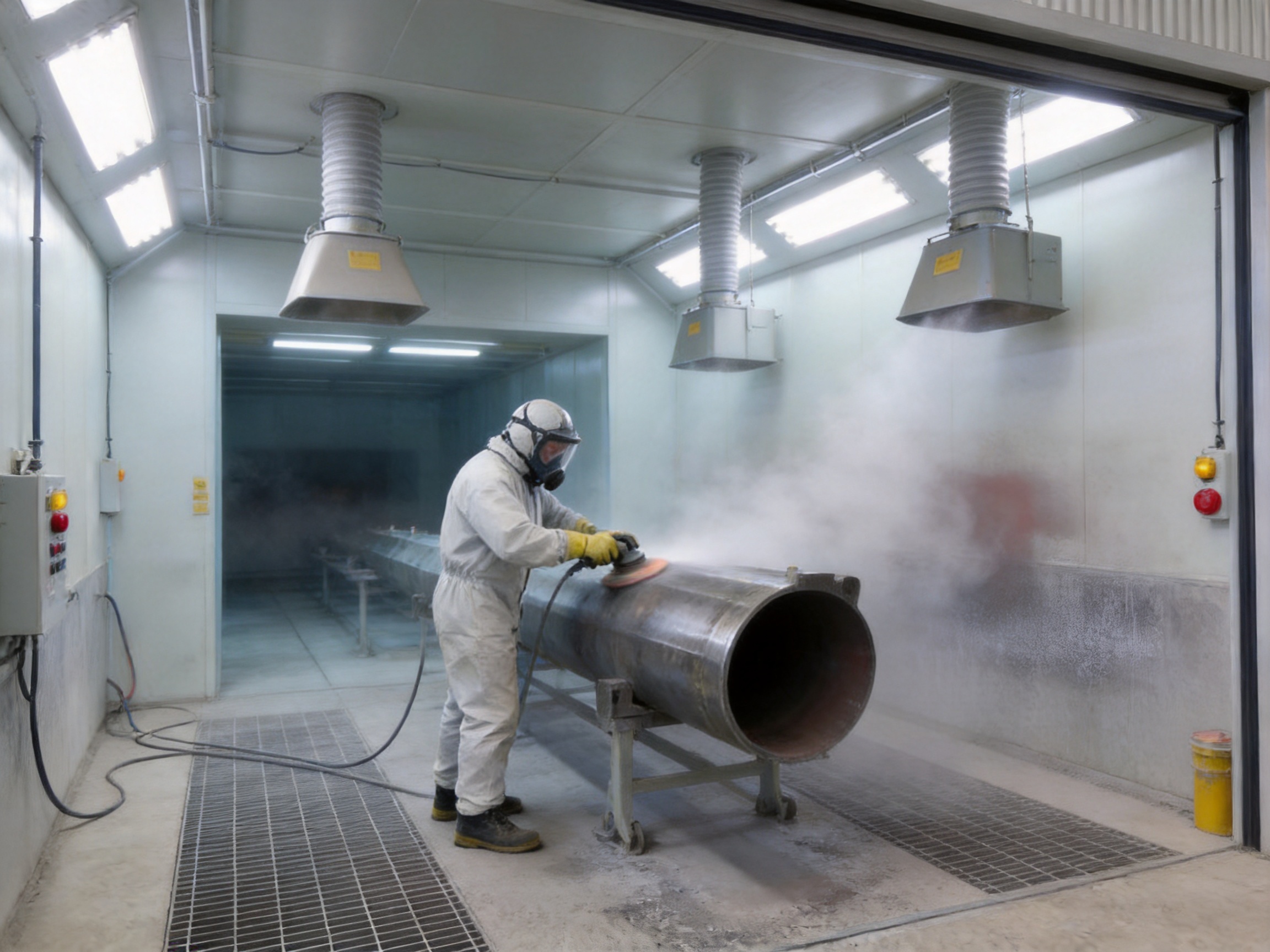
It is a movable coating workstation with a telescopic enclosure that expands during sanding or spraying and contracts when idle. It includes ventilation and filtration equipment to control dust, paint mist, powder overspray, and other airborne contaminants.
Yes. The booth can be designed for dual use, provided that the filtration, airflow, cleaning, grounding, and safety systems are suitable for both processes. The correct configuration depends on whether the coating is powder, solvent-based, water-based, or another material.
The main advantages are space savings, flexible movement, reduced civil construction, easier adaptation to large workpieces, dual-purpose operation, and the ability to use the same workshop area for other activities when the booth is retracted.
Yes. The mobile design is particularly suitable for large components that are difficult or expensive to move. The booth can be customized in length, width, height, travel distance, extraction capacity, and access arrangement according to the workpiece and workshop layout.
Yes. A suitable powder coating configuration can include an application chamber, cartridge filtration, cyclone recovery, exhaust filtration, grounding, and powder collection equipment. The correct recovery system depends on production volume, powder type, color changes, and operating method.
Filtration depends on the contaminant. Sanding may require dust filters or cartridge filters, while liquid painting may require paint-mist filters. Powder coating may use cartridge filters, cyclone separators, or combined recovery systems. The manufacturer should select the system according to the process data.
The booth is designed to reduce the need for complicated civil construction. However, the site must still provide a suitable floor and appropriate conditions for rail installation, equipment support, exhaust connections, electrical grounding, and safe operation.
Yes. An optional heating system and controlled air supply can help maintain more stable process temperatures. The heating method must be selected according to the coating material, ventilation arrangement, fire risk, and applicable safety requirements.
Negative pressure causes air to flow into the booth rather than contaminated air flowing out. When combined with proper extraction and filtration, this helps contain sanding dust, paint mist, and powder particles inside the processing area.
There is no universal replacement interval. Filter life depends on dust loading, coating volume, operating hours, filter type, cleaning method, and pressure loss. Regular inspection and differential-pressure monitoring provide a more reliable basis for maintenance.
Yes. The booth can be coordinated with automated conveying systems, drying equipment, curing ovens, powder coating systems, control cabinets, and other production-line equipment. The degree of automation should be defined during the engineering stage.
Depending on the application, the system may include explosion-proof fans and lights, anti-static grounding, flame-retardant panels, emergency stops, airflow interlocks, temperature protection, safe access arrangements, and process-specific electrical controls.
A basic booth may be suitable for light or occasional work. Continuous production requires closer evaluation of airflow stability, filter durability, recovery efficiency, fan energy use, maintenance access, spare parts, and technical support. The lowest purchase price is not always the lowest long-term cost.
Useful information includes workpiece dimensions and weight, coating material, sanding method, production volume, number of operators, workshop dimensions, movement requirements, desired filtration, heating needs, available utilities, environmental requirements, and the desired level of automation.
A spray and sanding booth is part of a production process, not merely a large enclosure with a fan. Its success depends on how well the structure, airflow, filtration, electrical system, safety features, and workshop layout work together. A manufacturer with experience in complete coating lines can evaluate these relationships more effectively.
Jiangsu Yue Ze Environmental Protection Equipment Co., Ltd. provides integrated design, production, installation, commissioning, and customized equipment services. Its product range covers coating lines, paint and bake booths, grinding rooms, environmental treatment systems, drying systems, conveyors, and related industrial equipment. This broad capability supports projects that require more than one independent machine.
The company’s manufacturing base, long industry experience, technical development, and focus on customer-specific solutions provide a foundation for projects with different production scales. Customers can discuss a compact mobile booth for occasional large-part painting or a more advanced system connected with automated conveying and environmental treatment.
Quality control, production technology, customer service, green manufacturing, and long-term cooperation are important factors in the selection of industrial equipment. A correctly specified booth should provide reliable containment, practical operation, manageable maintenance, and an upgrade path as production develops.
The retractable mobile spray and sanding booth provides a flexible response to the limitations of fixed coating rooms. Its telescopic structure saves space, its rail-mounted design supports mobile positioning, and its dual-purpose function allows one workstation to support sanding and spraying. Negative-pressure ventilation and filtration help control dust, paint mist, and powder overspray, while optional heating, sound insulation, explosion-proof components, and automated controls expand its application range.
The equipment is particularly valuable for large and irregular workpieces that are difficult to transport. By bringing the controlled workstation to the product, factories can reduce handling, improve layout flexibility, and use their workshop space more efficiently. At the same time, the system can be integrated into wider powder coating lines, liquid painting processes, environmental treatment systems, and automated conveying arrangements.
The best result depends on customized engineering. Workpiece dimensions, coating materials, production volume, airflow, filtration, safety, maintenance, and future expansion should all be considered before manufacturing begins. With integrated R&D, fabrication, installation, and commissioning capabilities, an experienced equipment supplier can help transform the booth from a simple purchase into a reliable part of the complete surface-treatment process.
For factories seeking a compact, adaptable, and environmentally responsible coating workstation, the retractable mobile spray and sanding booth offers a strong combination of flexibility, productivity, safety, and long-term value.
1. Industrial Ventilation: A Manual of Recommended Practice for Design, American Conference of Governmental Industrial Hygienists.
2. NFPA standards and technical guidance for spray application using flammable or combustible materials.
3. Powder Coating Institute, technical guidance on powder application, recovery, and process control.
4. Occupational safety guidance for controlling airborne dust, paint mist, and coating-related exposure in industrial workplaces.
5. General engineering principles for industrial ventilation, filtration, negative-pressure enclosures, and environmental emission control.
6. Manufacturer-provided technical information concerning retractable mobile spray and sanding booths, powder coating lines, automated conveying systems, and industrial environmental protection equipment.
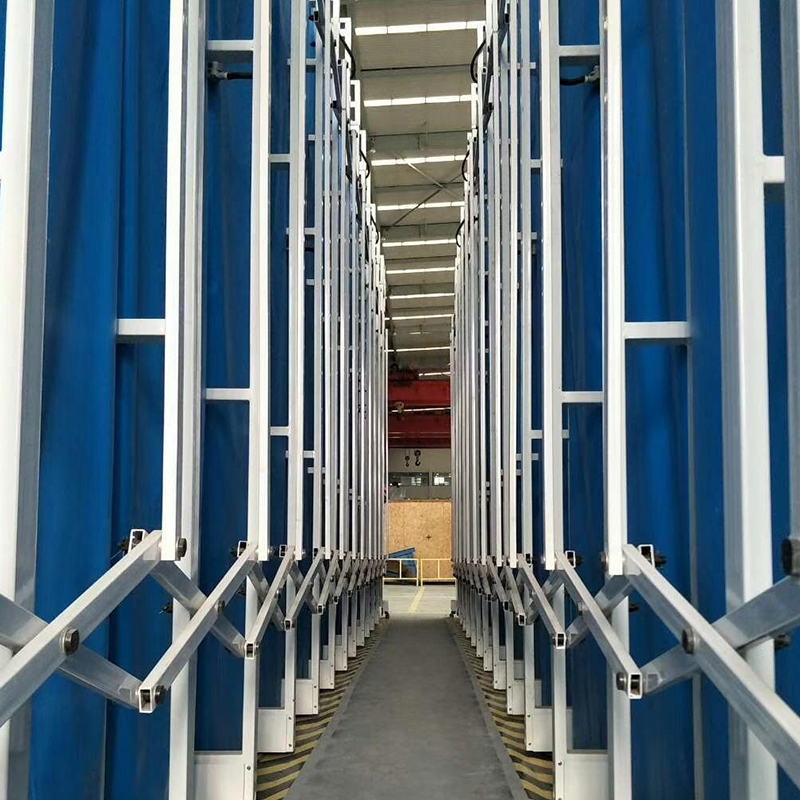
The retractable mobile spray & sanding booth is a flexible, space-saving, and multi-functional coating workstation. With a telescopic movable structure and integrated dust & paint mist filtrat...
See Details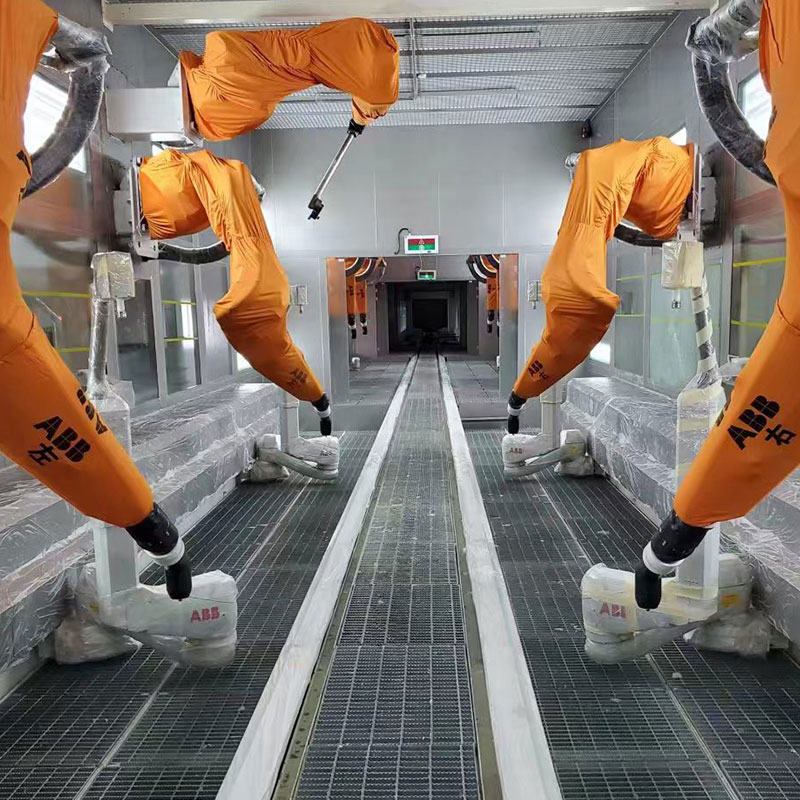
An automatic robotic spray booth is an intelligent, unmanned coating system. Equipped with a robot spraying system, constant temperature air circulation, and a high-efficiency exhaust filtration syste...
See Details
The retractable mobile spray & sanding booth is a flexible, space-saving, and multi-functional coating workstation. With a telescopic movable structure and integrated dust & paint mist filtrat...
See Details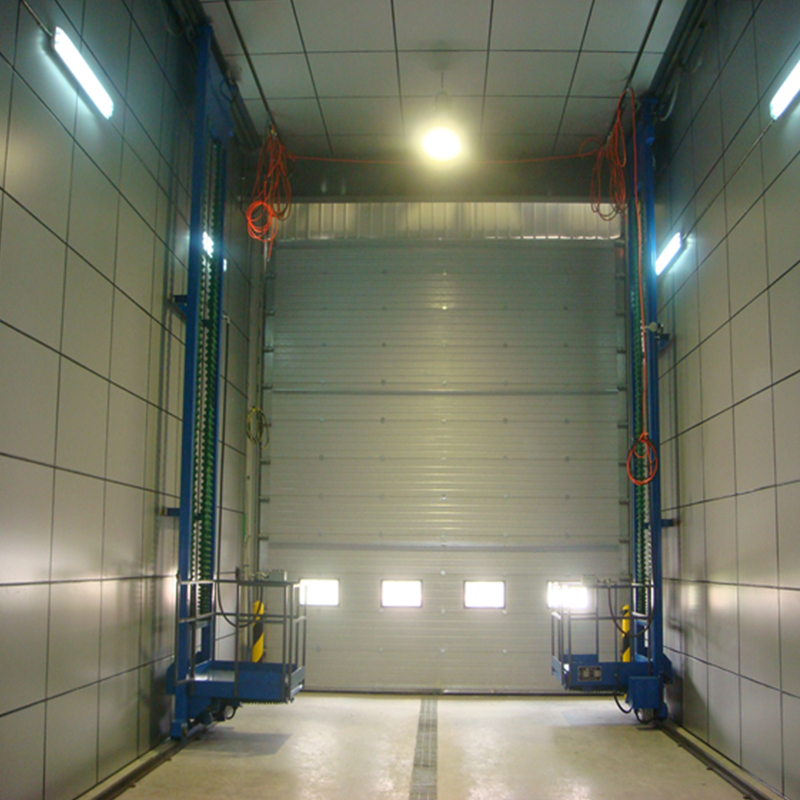
We supply high-quality blasting room and automatic shot blasting machines. The equipment adopts mature surface treatment technology, realizing rust removal, oxide layer cleaning and surface roughening...
See Details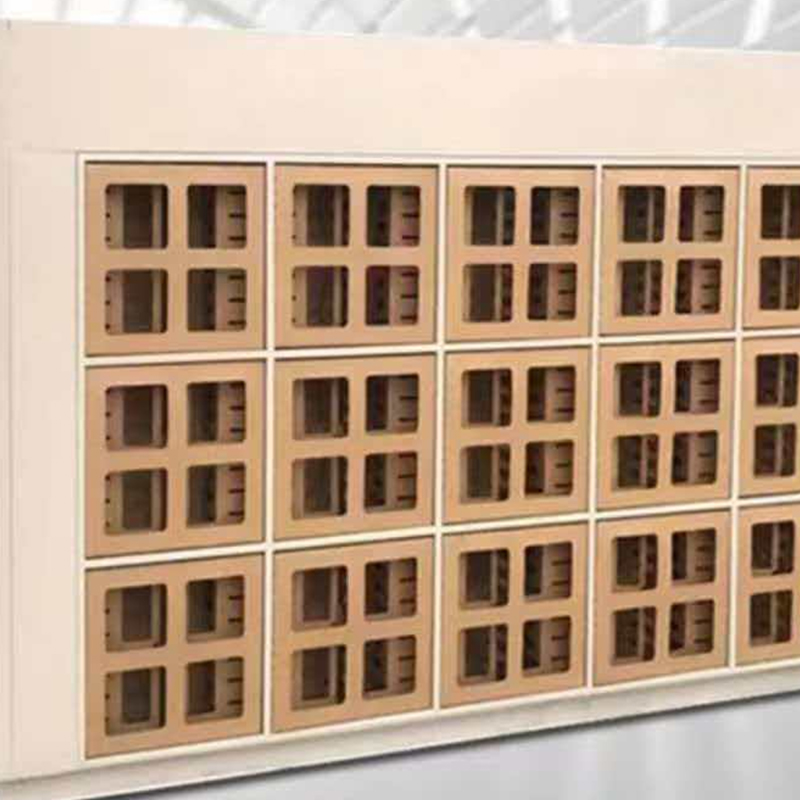
Cardboard Paint Arresto is professional equipment for capturing and filtering paint mist, mainly made of high-quality corrugated cardboard, filter cotton, and waterproof coating. It adopts a modular d...
See Details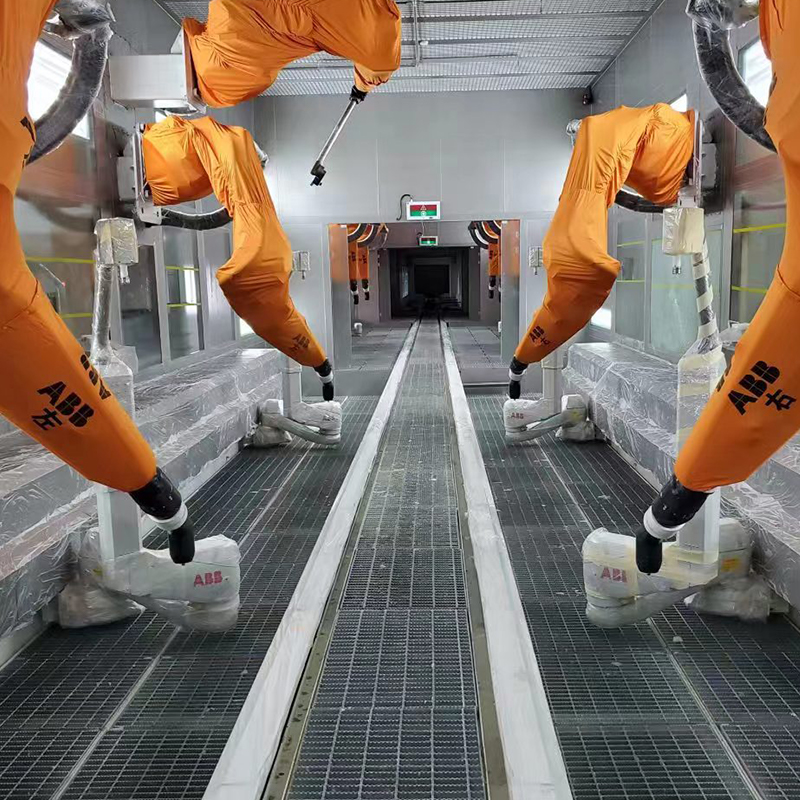
Professional spray coating line specially designed for motor casings, applicable to various motor casing types (electric vehicle motor casing, industrial motor casing, household motor casing, high-tem...
See DetailsBuild Your Customized Industrial Coating System
Send us your workpiece information, production capacity, coating process, workshop layout, and environmental requirements. Yueze will help evaluate your project and develop a suitable coating, conveying, drying, and environmental treatment solution.
Main menu
Products
Contact Us
Company Address:
No. 12, Park Avenue, Shanggang Industrial Park, Jianhu, Yancheng City, Jiangsu Province
Message Us Right Now!

Follow us: