
 русский
 عربى
عربى
 Tiếng Việt
Professional coating line specially designed for large castings and heavy truck parts, applicable to various large castings (engineering castings, mining equipment castings, industrial castings) and h...
See Details
Yueze Environmental Protection provides one-stop compliant industrial surface treatment solutions with professional tech and fine craftsmanship.
 Get Inquiries
2026-08-11
Content
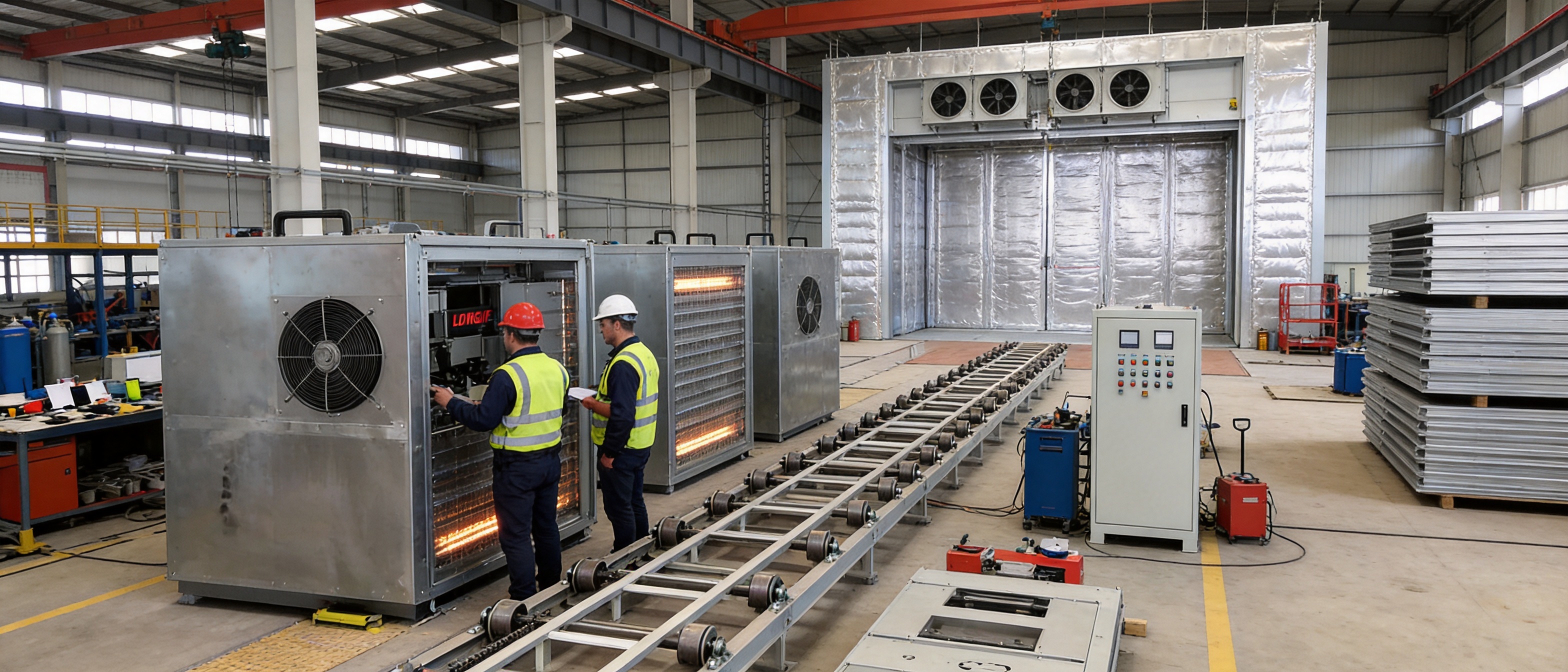
A drying room is a large-scale industrial chamber designed to remove moisture, stabilize surfaces, dry materials, and cure coated workpieces under controlled conditions. In modern coating production, it is much more than a heated enclosure. It is an important process unit that affects coating adhesion, surface appearance, production speed, energy consumption, workplace safety, and the long-term reliability of finished products.
Industrial manufacturers increasingly require drying equipment that can process large workpieces, heavy components, batches of parts, and continuously conveyed products. Natural air drying is often too slow and too unpredictable for these applications. Changes in humidity, ambient temperature, ventilation, and seasonal weather can extend drying times and create inconsistent results. A properly engineered drying room creates a stable internal environment in which temperature, airflow, heating capacity, and process time can be controlled according to the material and coating specification.
The drying room supplied by Jiangsu Yue Ze Environmental Protection Equipment Co., Ltd. is developed for industrial surface treatment, coating production, pretreatment lines, powder coating operations, electrophoresis processes, and customized manufacturing applications. The equipment combines hot air circulation, precision temperature control, thermal insulation, safety protection, and modular construction. Its size, heating method, internal layout, airflow capacity, and control configuration can be adapted to the specific requirements of a customer’s production line.
With more than 40 years of experience in coating equipment engineering and industrial environmental protection systems, the company provides complete solutions rather than isolated equipment alone. Its manufacturing capability covers drying systems, powder coating lines, paint and bake booths, automatic conveying equipment, waste gas treatment equipment, infrared radiation drying systems, intelligent coating lines, and other surface treatment equipment. This broad engineering background helps ensure that the drying room is designed as part of a complete process instead of being treated as a standalone chamber.
An industrial drying room is an enclosed, insulated chamber that uses controlled heat and air circulation to remove moisture or other volatile substances from a workpiece or material. Depending on the application, the equipment can be used after pretreatment washing, before painting, after liquid coating, during powder coating production, or as part of a broader thermal treatment process.
The chamber normally includes an insulated enclosure, a heating unit, a circulating fan system, air distribution ducts, temperature sensors, a control cabinet, safety devices, access doors, and optional loading or conveying equipment. The heating system raises the temperature of the circulating air, while the air movement distributes heat around the workpieces. Moisture is then removed through evaporation and controlled exhaust.
For many coating applications, the drying room is installed after washing and before coating. The workpiece may retain water in recessed areas, seams, holes, corners, or complex geometries after pretreatment. If that moisture remains when the coating is applied, it can interfere with adhesion and create blistering, pinholes, peeling, corrosion, or uneven surface appearance. A stable drying stage helps prepare the surface for the next production step.
In other applications, the same basic equipment may be configured as a heating booth or curing booth. A heating booth can support moisture removal, preheating, or thermal stabilization. A curing booth generally operates at a higher temperature and for a longer period to harden or fuse the coating film. Although the equipment names may differ, both systems rely on accurate heat transfer, controlled airflow, reliable insulation, and safe temperature management.
Coating quality begins before the coating material reaches the workpiece. Surface preparation, cleaning, drying, temperature, application conditions, and curing all influence the final result. Even a high-quality paint or powder can perform poorly if the substrate is wet or if the surface temperature changes excessively during processing.
A controlled drying room offers several important process benefits. First, it removes residual water in a predictable period. This allows the production line to maintain a planned cycle time instead of depending on natural evaporation. Second, it creates a more stable workpiece temperature. This is valuable because the temperature of the substrate can influence coating flow, powder melting, solvent evaporation, and final film formation.
Third, controlled airflow reaches areas that may not dry effectively in an open workshop. Recessed structures and complex components often retain moisture even when their outer surfaces appear dry. Properly positioned air outlets and circulation channels help reduce this problem. Fourth, the drying room reduces the influence of external weather conditions. Production can continue with greater consistency during cold, humid, or rainy periods.
Stable drying also helps reduce rework. Coating defects caused by trapped moisture can require stripping, repainting, additional inspection, and delayed delivery. By creating a dedicated drying stage, manufacturers can improve process repeatability and reduce the risk of defective batches. This is especially important for automotive parts, fabricated steel products, agricultural machinery, counterweight blocks, metal structures, and other components that require durable protective finishes.
One of the most important performance characteristics of a drying room is the ability to provide an even internal temperature. Poorly designed chambers can create hot spots near the heater and cold areas at the opposite end or in corners. These temperature differences may cause uneven moisture removal, incomplete curing, excessive energy consumption, or damage to sensitive materials.
The drying room uses a hot air circulation system designed to distribute heat throughout the chamber. The internal structure, fan arrangement, air channels, and outlet positions can be selected according to the size and geometry of the workpieces. This reduces local overheating and helps prevent low-temperature dead zones.
Uniform drying is particularly valuable for workpieces with different thicknesses or complicated profiles. Large metal parts may absorb and release heat at different rates, while hollow structures may retain moisture longer than flat surfaces. A well-designed air circulation system helps balance these differences and provides a more reliable process result.
Temperature control affects both product quality and operating cost. If the temperature is too low, the drying or curing cycle may be incomplete. If it is too high, the coating, substrate, sealant, adhesive, or other material may be damaged. Excessive temperature can also increase energy consumption and create unnecessary stress on the equipment.
The system can be equipped with temperature sensors, automatic control functions, adjustable heating output, and over-temperature protection. Operators can set the target temperature according to the workpiece, coating type, production speed, and process requirements. The control system then monitors the internal conditions and adjusts the heating operation to maintain the required range.
Precision control is especially important for powder coating. Powder must be heated sufficiently to melt and fuse into a continuous film. Inadequate heat may result in poor flow, weak adhesion, or insufficient mechanical performance. Excessive heat or an excessively long cycle may affect color, gloss, surface texture, or the properties of the substrate.
Different factories have different energy resources, operating costs, production capacities, and process requirements. For this reason, the drying room can be configured with several heating options, including electric heating, gas heating, hot air circulation, steam heating, infrared radiation, or a combined heating system.
Electric heating is suitable where clean operation, simple control, and easy installation are priorities. Gas heating can be advantageous for high-capacity applications where fuel availability and operating cost support its use. Steam heating may be suitable for factories with an existing boiler system. Hot air circulation provides balanced heating for general drying and curing applications.
Infrared radiation can provide rapid heat transfer to suitable surfaces and is useful where fast heat-up or targeted heating is required. A combined hot air and infrared arrangement can offer both rapid heating and more uniform temperature distribution. The final selection depends on the workpiece material, coating chemistry, required cycle time, available energy source, workshop conditions, and environmental requirements.
| Heating Method | Heat-Up Characteristics | Typical Application | Important Considerations |
|---|---|---|---|
| Electric heating | Clean and accurately controllable | Small and medium production systems, clean-process applications | Electrical capacity and operating cost must be evaluated |
| Gas heating | Fast heat generation for larger systems | High-capacity drying rooms and continuous production lines | Requires suitable fuel supply, ventilation, and combustion safety design |
| Hot air circulation | Moderate heat-up with balanced distribution | General drying, preheating, and curing | Airflow design is essential for uniform results |
| Steam heating | Stable heating where steam is available | Factories with existing boiler infrastructure | Requires heat exchanger and condensate management |
| Infrared radiation | Rapid surface heating | Rapid drying, targeted heating, and selected curing processes | Workpiece shape, surface color, and material response must be considered |
| Combined hot air and infrared | Fast and relatively uniform heating | High-volume or demanding coating production | More advanced control and system coordination may be required |
Energy is one of the main operating expenses in an industrial drying process. Heat lost through the chamber walls, doors, joints, and uncontrolled exhaust directly increases fuel or electricity consumption. The drying room therefore uses a thickened thermal insulation structure to reduce heat transfer to the surrounding workshop.
The sealed chamber design helps retain heated air and reduces unnecessary heat loss. Properly designed circulation allows more of the generated heat to be used repeatedly within the chamber instead of being discharged immediately. This improves heat utilization and can reduce the energy required for each production cycle.
Energy efficiency does not depend on insulation alone. Fan selection, air volume, heater sizing, door design, exhaust control, temperature settings, loading arrangement, and maintenance all influence energy consumption. The company’s experience in complete coating production lines allows these factors to be considered together during equipment design.
A customized drying room can also be sized according to the actual production requirement. An oversized chamber may require unnecessary energy to heat empty space, while an undersized chamber can restrict production and cause excessive loading density. Selecting the appropriate chamber dimensions and cycle capacity is therefore an important part of reducing total operating cost.
Industrial customers may need to dry small components, long profiles, large welded structures, heavy counterweights, vehicle parts, fabricated frames, or batches of products loaded on carts. A standard chamber design may not provide the best result for all of these products.
The drying room can be customized in length, width, height, door arrangement, internal clearance, heating capacity, air circulation layout, and loading method. The internal design can accommodate manual loading, trolley loading, overhead conveyors, floor conveyors, or integration with an automatic coating line.
For large workpieces, the chamber may require special airflow paths and stronger structural support. For continuous production, the equipment can be linked to an automated conveying system so that workpieces move through washing, drying, coating, curing, inspection, and unloading in a controlled sequence. This flexibility makes the drying room suitable for both batch and continuous production.
Industrial heating equipment must be designed with appropriate safety measures. The drying room can include over-temperature alarms, automatic power shutdown, heater protection, ventilation functions, fire-resistant insulation materials, and emergency stop controls. These features help reduce operating risks and protect personnel, workpieces, and the surrounding workshop.
Where combustible vapors or special process materials are present, the drying system must be evaluated in relation to the specific coating and process conditions. Ventilation, exhaust, electrical components, burner systems, and control devices should be selected according to the application. Explosion-proof or enhanced safety configurations may be required for certain processes.
Safety also depends on correct operation. Operators should follow the prescribed loading limits, temperature settings, ventilation procedures, inspection schedules, and emergency instructions. A reliable equipment supplier should provide operating guidance, commissioning support, and maintenance recommendations as part of the project.
The drying room is built around a durable metal structure and insulated enclosure intended for long-term industrial operation. The thickened sheet metal construction supports mechanical strength and resistance to normal workshop conditions. Surface treatment and protective materials can be selected to improve corrosion resistance where required.
The modular structure makes installation, disassembly, expansion, and maintenance more convenient. Access points can be arranged for inspecting fans, heaters, sensors, ducts, and control components. A logical layout reduces the time required to identify and repair faults.
Routine maintenance generally includes checking temperature sensors, inspecting fans and motors, cleaning air channels, examining insulation, confirming door seals, testing alarms, and removing accumulated dust or residue. Regular maintenance helps preserve heating performance and prevents small problems from developing into production interruptions.
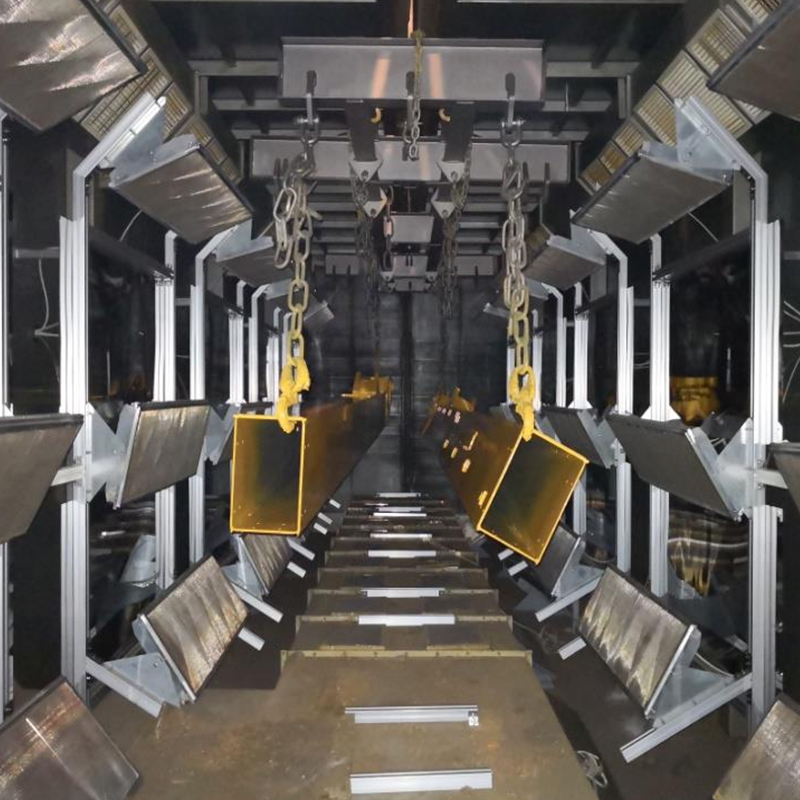
Drying Room
The terms drying room, dry booth, heating booth, baking booth, and curing booth are sometimes used interchangeably, but they can describe different process functions. Understanding the distinction helps customers select the correct equipment and avoid designing a system that is unsuitable for the coating material.
A dry booth or drying room is mainly used to remove moisture from a workpiece. It is commonly installed after pretreatment washing or rinsing. The temperature is normally selected to evaporate water without damaging the substrate or creating unnecessary thermal stress. The process may be relatively short, although the required time depends on the workpiece geometry, water load, air velocity, and production requirements.
A curing booth is used after coating application. Its purpose is to heat the coating film for a controlled period so that it can harden, fuse, crosslink, or otherwise achieve its specified performance. Powder coatings, liquid coatings, and certain industrial finishes may require different curing temperatures and dwell times.
Because curing may require higher temperatures and tighter process control than simple moisture removal, a curing booth often needs stronger insulation, more powerful heating equipment, improved temperature uniformity, and a more precise control system.
A heating booth is a broader term that may refer to equipment used for preheating, drying, curing, baking, thermal stabilization, or other controlled heating operations. Its configuration depends on the product and process. For example, a heating booth may warm a metal part before coating to improve coating flow, or it may support a post-wash drying process.
A baking booth generally indicates a chamber where a coated product is heated for a defined period. In some industries, baking and curing have similar meanings. However, the actual temperature and cycle must always be determined by the coating supplier’s technical data and the workpiece requirements rather than by the equipment name alone.
Powder coating production lines require reliable drying and curing stages. After pretreatment, parts must be free from residual water before powder application. After powder application, the coating must be heated sufficiently to melt and form a continuous film.
A drying room can be integrated into the front section of a powder coating line, while a separate curing oven or curing booth can be installed after the powder spray booth. In some customized lines, the drying and curing equipment may use different heating methods and operating temperatures to meet the individual process requirements.
Integration with overhead conveyors allows workpieces to move automatically through the process. The conveyor speed can be coordinated with chamber length, heating capacity, and required dwell time. This creates a repeatable production rhythm and reduces manual handling.
Liquid-painted products may require flash-off, drying, or baking after spraying. A controlled drying chamber helps manage the evaporation of water or solvent carriers and supports the formation of a durable coating film. The equipment configuration must be selected according to the coating formulation, volatile content, ventilation requirements, and safety classification.
For large fabricated structures, a custom drying room can provide sufficient internal space for the workpiece while maintaining suitable air circulation. The chamber can be designed with large doors, trolley access, or special openings to accommodate products that cannot be loaded through a standard entry.
Electrophoresis and pretreatment lines commonly include several washing and rinsing stages. These processes can leave water on the workpiece, especially in cavities and joints. A drying room positioned after the final rinse helps remove moisture before the next coating stage.
In such applications, the drying temperature must be matched to the substrate, pretreatment chemistry, and coating process. Excessive heat may affect the surface condition, while insufficient airflow may leave moisture in difficult-to-reach areas. Customized air distribution is therefore important.
Automotive components often have complex shapes, different material thicknesses, and demanding appearance requirements. Counterweight blocks, brackets, frames, wheels, structural parts, and other vehicle components can benefit from stable drying and curing conditions.
The company has experience in automotive counterweight spray lines and a hanging automatic painting process for casting counterweight blocks. Such experience supports the design of drying systems that are compatible with heavy workpieces, automated movement, surface preparation, primer application, topcoat application, and environmental treatment.
Large metal structures are difficult to dry evenly in open workshops. Their size, weight, cavities, and irregular surfaces can make natural drying slow and inconsistent. A custom chamber provides a defined working environment and allows the manufacturer to coordinate drying with lifting equipment, carts, or overhead conveyors.
The chamber can be designed around the maximum product dimensions, loading direction, access requirements, and production schedule. Where the product is too large for a conventional chamber, modular construction may allow the equipment to be assembled at the customer’s site.
The performance of a drying room depends heavily on the quality of its engineering design. A heater that is too small will not provide the required temperature rise. A fan that is incorrectly selected may create excessive noise or insufficient circulation. Poorly placed air outlets can cause uneven drying, while inadequate insulation can raise operating cost.
Jiangsu Yue Ze Environmental Protection Equipment Co., Ltd. combines equipment design, manufacturing, installation, commissioning, and customized engineering support. The company is located in Yancheng, Jiangsu, China, and operates across approximately 35,000 square meters. Its registered capital is 58 million yuan, and its business is supported by more than four decades of experience in coating equipment and environmental protection systems.
This experience provides several practical advantages. The company understands how drying equipment interacts with washing systems, spray booths, powder application systems, curing equipment, conveyors, exhaust treatment, and workshop layout. It can therefore evaluate the complete process rather than optimizing only one machine.
Before manufacturing, the supplier can review the customer’s workpiece drawings, dimensions, weight, material, coating type, production capacity, loading method, and required process temperature. These details influence chamber size, door arrangement, heating power, fan capacity, insulation thickness, airflow direction, and control logic.
A process-oriented design also considers how operators will load and unload the chamber, how maintenance personnel will access components, and how the equipment will connect with upstream and downstream machinery. This reduces the risk of operational limitations after installation.
Drying rooms are often required to fit within an existing factory. Building columns, workshop height, transport routes, ventilation points, and utility connections may restrict the available installation area. A customized equipment manufacturer can adapt the chamber dimensions and modular sections to fit the actual site.
Customization may include single or double doors, sliding or lifting doors, trolley rails, overhead conveyor interfaces, inspection windows, removable panels, internal partitions, additional insulation, special floor structures, and customized control cabinets.
Automatic conveying is an important part of modern coating production. When the drying room is integrated with a conveyor, the workpiece can pass through the process without repeated manual lifting. This improves material handling efficiency, reduces labor intensity, and supports consistent processing time.
The conveyor system can be designed for overhead hanging, floor movement, trolley loading, or other product-specific methods. Conveyor speed, chamber length, heating capacity, and dwell time must be coordinated so that every workpiece receives the required treatment.
Drying and coating operations may generate heat, vapors, dust, or exhaust gases that must be managed appropriately. The company also provides flue gas purification systems, waste gas treatment equipment, solid waste incineration furnace systems, and other environmental protection equipment.
This wider capability is valuable for customers seeking a complete and compliant production line. Drying equipment can be considered together with ventilation, exhaust collection, purification, and waste treatment. The result is a more coordinated workshop solution and a clearer approach to environmental management.
Quality control should cover the structure, insulation, heating equipment, fans, electrical components, sensors, safety devices, and control system. Before delivery, the equipment should be inspected against the approved design and technical requirements.
At the installation stage, commissioning verifies temperature rise, airflow operation, alarm functions, door sealing, conveyor coordination, and control response. Trial production with representative workpieces is useful for confirming whether the selected cycle meets the actual drying or curing requirement.
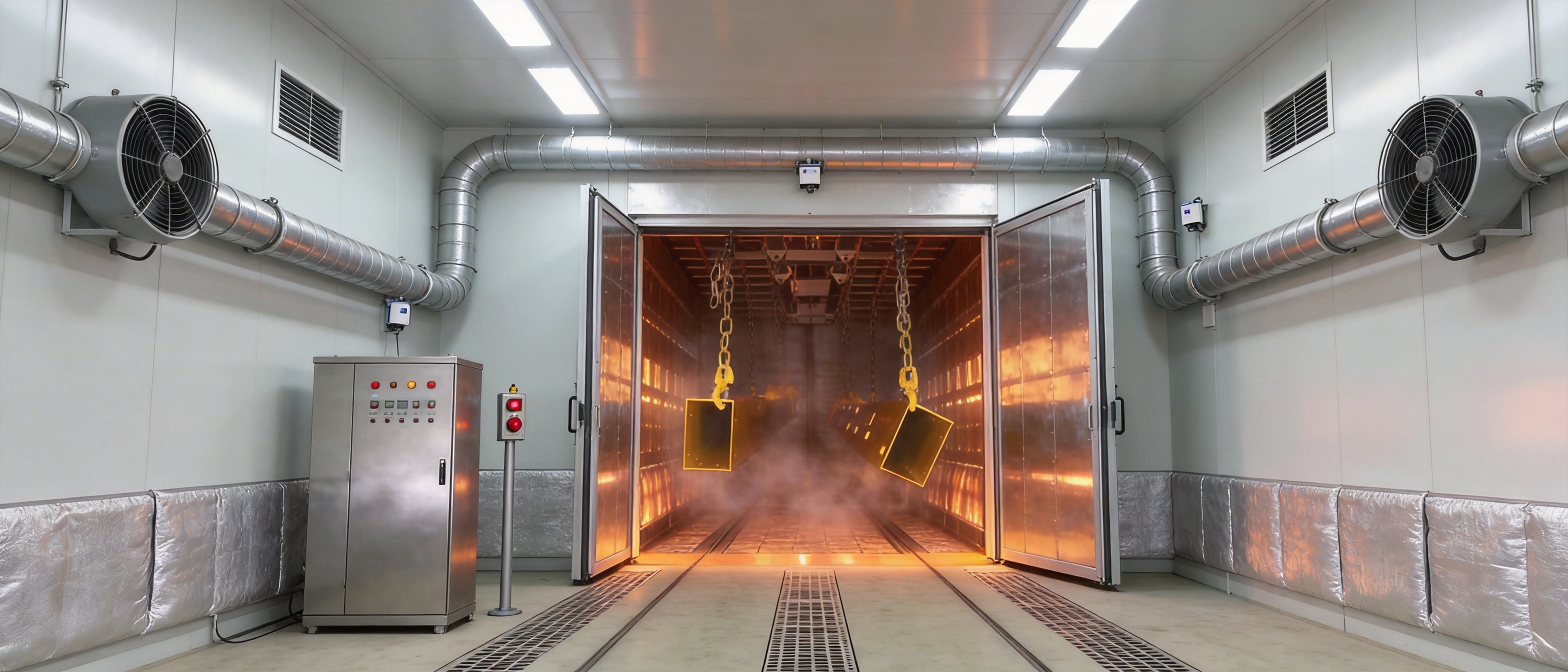
The design begins with the workpiece. Important information includes maximum length, width, height, weight, material, surface condition, moisture load, coating type, and geometry. Hollow parts, recessed areas, and products with high thermal mass may require special airflow or longer heating time.
The customer’s required output determines whether the system should be batch-based or continuous. Batch production may use carts or removable racks, while continuous production is often better suited to overhead or floor conveyors. The number of workpieces per cycle and the desired daily output influence the chamber volume and heating capacity.
Heating selection is based on energy availability, operating cost, required temperature, heat-up speed, product sensitivity, ventilation requirements, and local regulations. Electric, gas, steam, infrared, hot air, and combined systems each have their own advantages.
Airflow must reach the workpiece surfaces while avoiding unnecessary turbulence or dead zones. The location of fans, ducts, return air channels, and outlets is selected according to the product arrangement. The objective is to create a stable thermal environment across the entire usable chamber volume.
Insulation thickness and material affect energy consumption, external surface temperature, and operator comfort. The chamber should retain heat effectively while keeping the outer surfaces within a suitable temperature range for the workshop environment.
The control system may include temperature setting, automatic heating regulation, cycle timing, fan control, alarm indication, emergency stop, over-temperature shutdown, and production status monitoring. The control interface should be understandable to operators and accessible for maintenance personnel.
Site conditions include available floor space, workshop height, utility connections, gas or steam supply, electrical capacity, exhaust routes, lifting equipment, and delivery access. Reviewing these conditions before production helps prevent installation delays.
Open-air drying appears simple because it does not require dedicated equipment. However, it can create substantial disadvantages in a commercial production environment. Drying time varies with weather conditions, humidity, airflow, product placement, and workshop temperature. The process is difficult to measure accurately and may interrupt the planned production sequence.
A dedicated drying room provides a repeatable thermal cycle. Operators can establish a defined temperature range and process duration. The enclosed space improves heat utilization, protects the workpiece from workshop dust, and reduces dependence on outdoor or ambient conditions.
Natural air drying may also require large floor areas because parts must remain stationary for a long time. A drying room can reduce the space required for temporary storage and help maintain a more organized material flow. When combined with a conveyor, the equipment allows the drying stage to become part of an automated process instead of a manual waiting area.
Compared with low-cost heating enclosures, a properly engineered industrial drying room offers stronger insulation, improved air circulation, more accurate controls, safer operation, and better adaptability. The initial investment may be higher than a basic improvised chamber, but the total value is determined by production capacity, energy use, product quality, maintenance, and service life.
Operators should avoid overloading the chamber. Workpieces need sufficient spacing for heated air to circulate around their surfaces. Excessively dense loading can block airflow and cause uneven drying even when the heater is operating correctly.
The target temperature and cycle time should be based on the actual process requirement. For water removal, the settings should be sufficient to evaporate moisture while avoiding unnecessary overheating. For curing, the coating supplier’s technical data should be followed, including the required metal temperature and holding time rather than relying only on air temperature.
Doors should remain closed during normal operation to reduce heat loss. Door seals should be inspected regularly, especially in high-cycle production. Fans, heaters, sensors, and ducts should be checked according to a planned maintenance schedule.
Dust, powder, oil, and coating residue should not be allowed to accumulate in the chamber. Cleaning requirements depend on the process, but regular housekeeping supports efficient heat transfer and reduces contamination risk. Any unusual noise, temperature fluctuation, alarm, odor, or control fault should be investigated promptly.
When flammable materials or solvent-containing coatings are involved, the operating procedure must include proper ventilation and ignition-source control. The equipment configuration should be reviewed by qualified technical personnel before production begins.
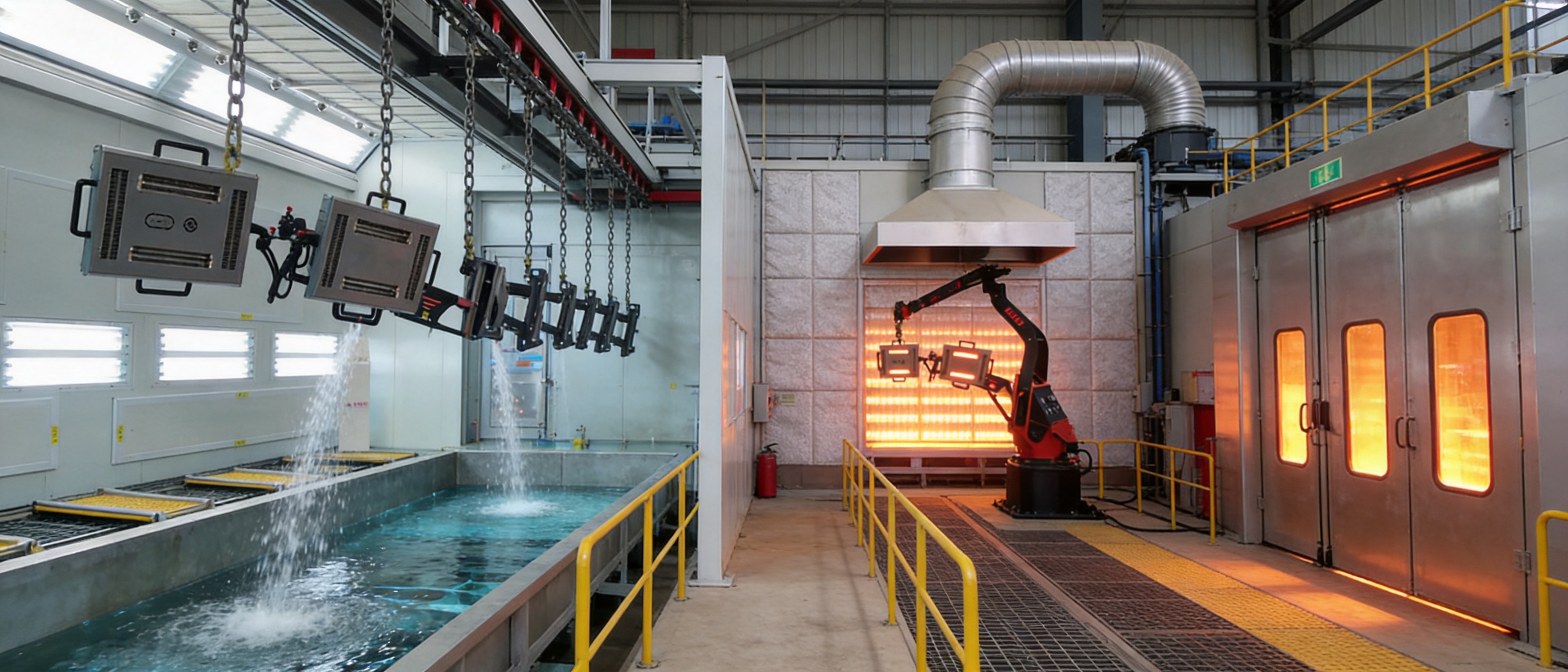
The primary purpose is to remove residual moisture or other volatile substances from workpieces under controlled temperature and airflow conditions. In coating lines, it is commonly installed after pretreatment washing and before coating application.
Yes, the equipment can be customized for drying, preheating, baking, or curing. However, the chamber design, heating capacity, insulation, control range, and safety configuration must match the specific process. A curing application may require higher temperatures and longer controlled holding times than a simple drying process.
Available options may include electric heating, gas heating, steam heating, hot air circulation, infrared radiation, and combined hot air and infrared systems. The best choice depends on production capacity, energy availability, process temperature, product material, and operating cost.
It removes moisture that could interfere with adhesion or cause blistering, peeling, corrosion, and other defects. It also stabilizes workpiece temperature and provides a repeatable process environment before coating application.
Yes. Chamber dimensions, door openings, floor structure, trolley systems, lifting access, and internal clearance can be customized for large or heavy products. The final design should be based on the maximum workpiece size and weight.
Yes. The drying room can be integrated with overhead conveyors, floor conveyors, trolleys, racks, or other material handling systems. Conveyor speed and chamber length should be coordinated with the required drying or curing time.
Yes. It can be used after pretreatment to remove moisture and can also be designed as part of a powder coating curing system. The heating and control parameters must be selected according to the powder coating specification and workpiece characteristics.
Energy consumption can be reduced through suitable chamber sizing, thick insulation, sealed doors, efficient hot air circulation, correct heater selection, controlled exhaust, proper loading density, and regular maintenance. Avoiding unnecessary overheating is also important.
Yes. The company provides customized coating production lines, powder coating lines, paint and bake booths, conveying systems, drying systems, waste gas treatment equipment, and related environmental protection solutions. It can support design, manufacturing, installation, commissioning, and technical service.
Useful information includes the workpiece dimensions and weight, material, coating type, moisture condition, target temperature, required cycle time, production capacity, loading method, available energy source, workshop dimensions, and any environmental or safety requirements.
A drying room is a process-critical machine. Its value depends not only on the steel structure or heater but also on the accuracy of the design, the suitability of the control system, the compatibility with the coating line, and the availability of service after delivery.
An experienced manufacturer can identify potential problems before production begins. For example, it can determine whether the proposed chamber is large enough for the product flow, whether the selected heating method matches the required cycle, whether the airflow will reach recessed areas, and whether the equipment can be connected to existing conveyors and exhaust systems.
Jiangsu Yue Ze Environmental Protection Equipment Co., Ltd. offers integrated R&D, manufacturing, installation, and customized equipment services. Its product range covers industrial surface treatment and environmental protection, allowing customers to coordinate multiple process units through one engineering partner.
The company’s manufacturing and engineering strengths include a large production base, long-term industry experience, customized structural design, automatic production line integration, environmental equipment capability, and customer-focused technical support. Its experience with powder coating lines, automotive component painting lines, infrared drying systems, automatic conveying systems, paint booths, grinding rooms, and waste gas treatment provides a strong foundation for demanding industrial projects.
Its approach emphasizes practical process performance, reliable construction, safe operation, energy-conscious design, and long service life. Each project can be developed according to the customer’s products, site, production objectives, and future expansion plans.
An industrial drying room provides a stable, efficient, and controllable method for removing moisture and preparing workpieces for coating. Compared with natural air drying or basic heating enclosures, it offers better temperature uniformity, faster process cycles, improved coating consistency, lower heat loss, stronger safety protection, and greater compatibility with automated production.
The equipment can be configured as a drying room, dry booth, heating booth, baking booth, or curing booth according to the required process. Electric, gas, steam, hot air, infrared, and combined heating methods are available. Chamber dimensions, airflow, insulation, doors, conveyors, control systems, and safety devices can be customized for different workpieces and production volumes.
For manufacturers seeking a complete coating solution, the drying room can be integrated with pretreatment systems, spray booths, powder application equipment, curing systems, automatic conveyors, exhaust treatment, and other environmental protection equipment. This integrated approach improves process coordination and supports consistent industrial production.
With more than four decades of experience, a substantial manufacturing base, and capabilities covering design through commissioning, Jiangsu Yue Ze Environmental Protection Equipment Co., Ltd. provides customized drying and coating equipment for customers requiring dependable performance and long-term production value.
1. Industrial coating process principles for moisture removal, surface preparation, drying, and curing.
2. Powder coating technical guidance covering substrate preparation, film formation, heating, and curing conditions.
3. Industrial ventilation and thermal equipment design practices for controlled hot air circulation.
4. General engineering practices for thermal insulation, energy conservation, and heat-loss reduction in industrial chambers.
5. Industrial equipment safety principles relating to temperature control, over-temperature protection, ventilation, emergency shutdown, and maintenance.
6. Technical information supplied for customized drying rooms, heating booths, curing booths, powder coating lines, conveyor systems, and environmental protection equipment.
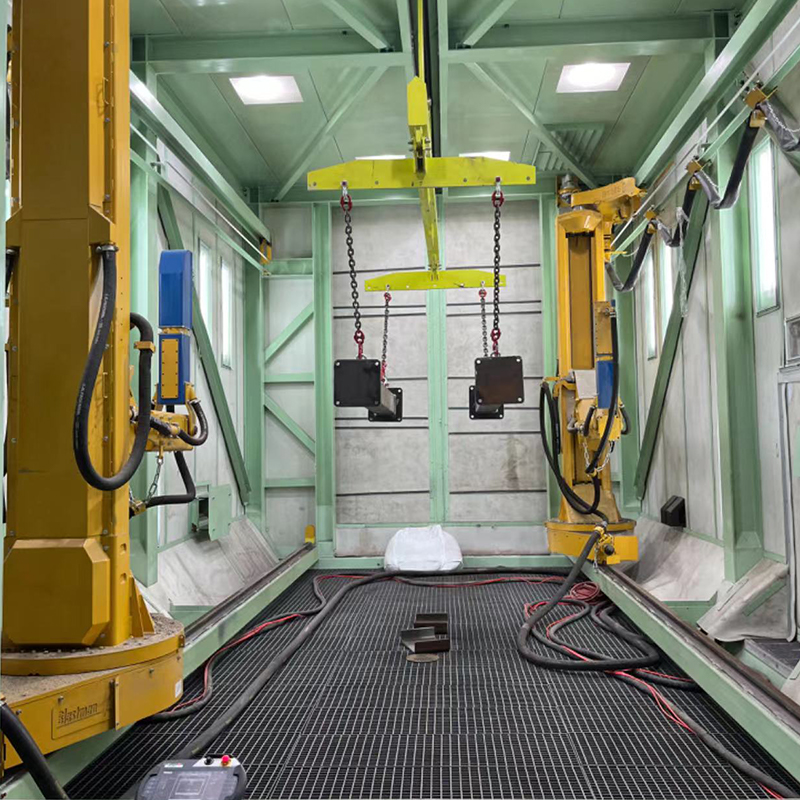
Professional coating line specially designed for large castings and heavy truck parts, applicable to various large castings (engineering castings, mining equipment castings, industrial castings) and h...
See Details
Drying Room is a large-scale industrial drying and curing equipment, mainly used for batch drying, dehydrating, and curing of large workpieces, bulk materials, and continuous production lines. It adop...
See Details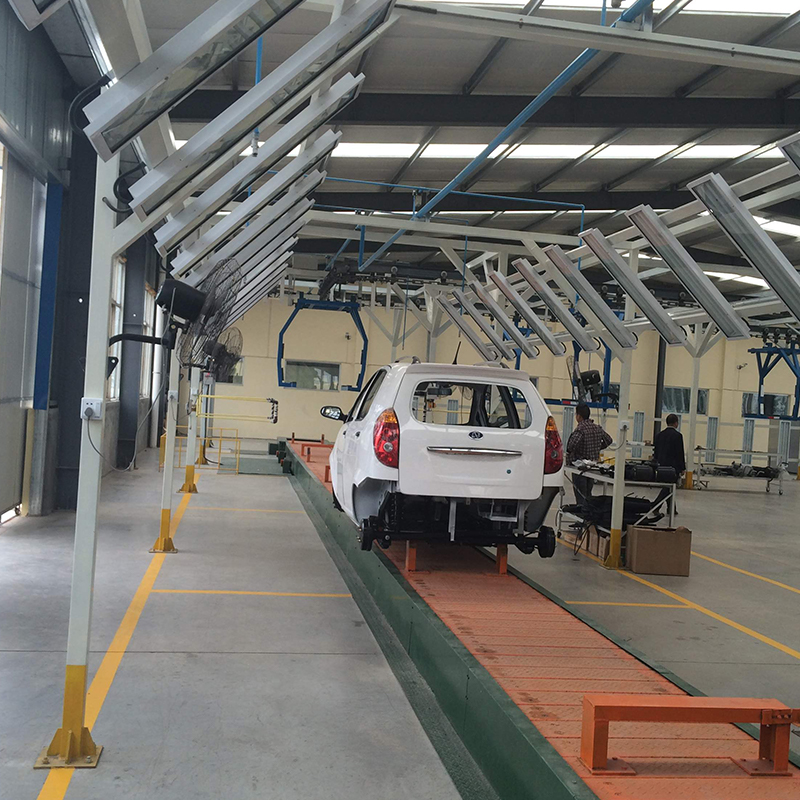
Professional electrophoresis coating line specially designed for electric vehicles (EVs), applicable to various EV types (passenger EV, commercial EV, new energy logistics vehicle) and EV components. ...
See Details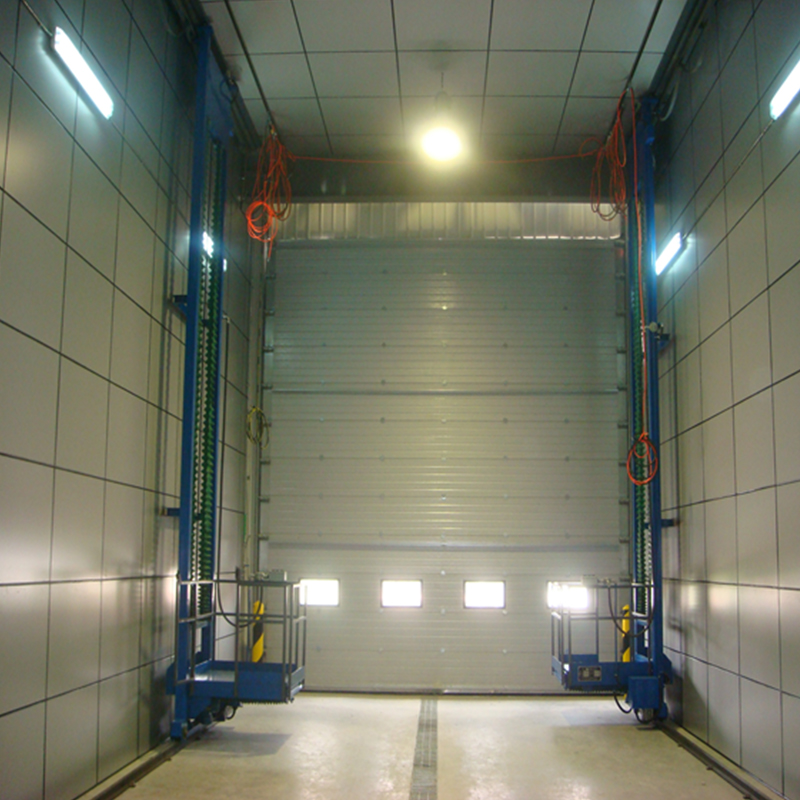
We supply high-quality blasting room and automatic shot blasting machines. The equipment adopts mature surface treatment technology, realizing rust removal, oxide layer cleaning and surface roughening...
See Details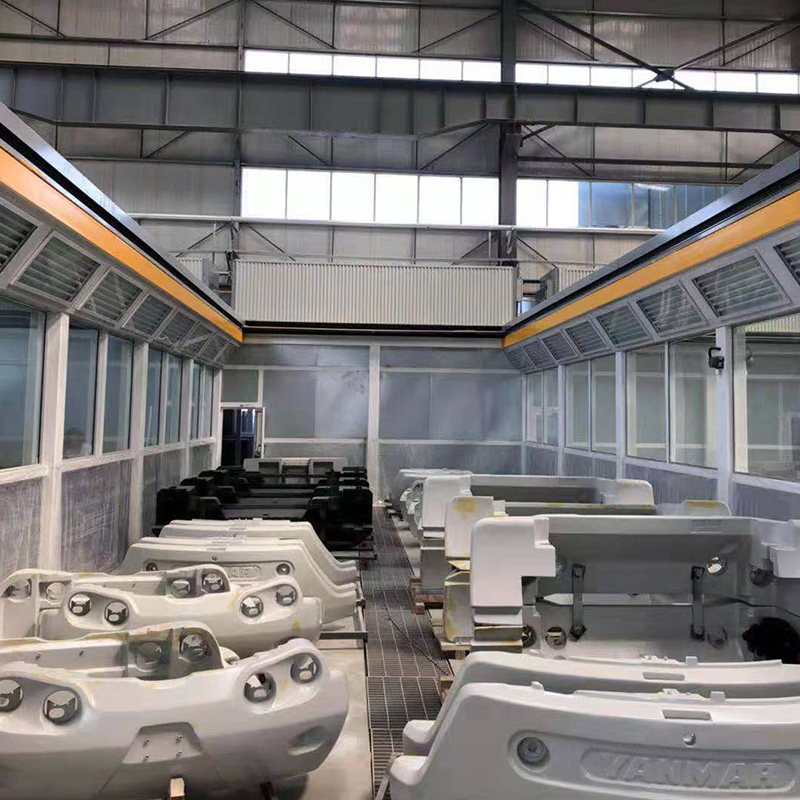
Professional spray coating line specially designed for car wheel manufacturing and refurbishment, applicable to various car wheel types (steel wheel, aluminum alloy wheel, forged wheel, cast wheel, pa...
See Details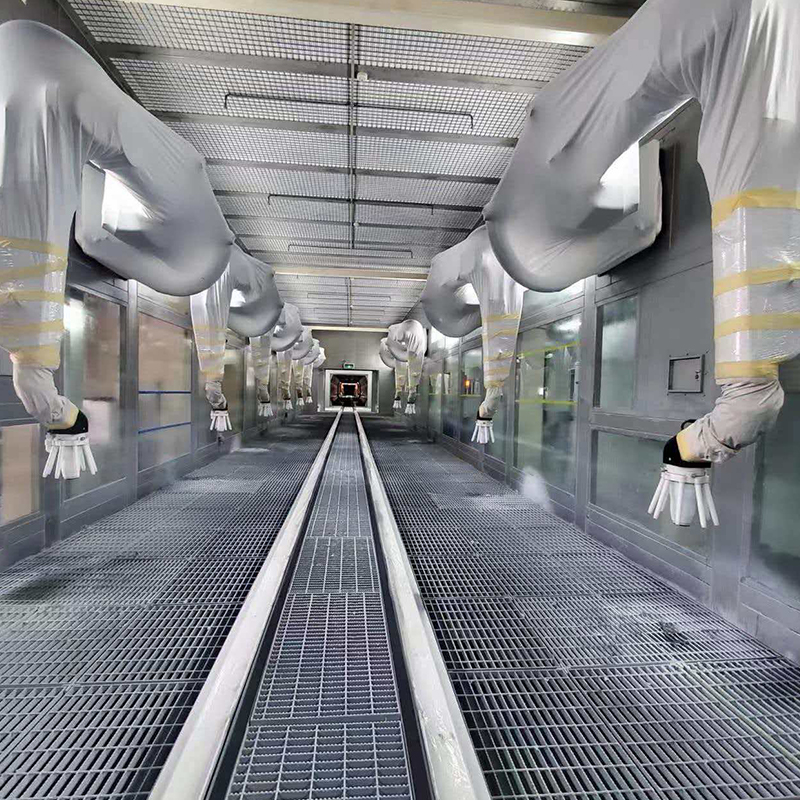
Professional coating line dedicated to truck body manufacturing and refurbishment, applicable to various truck types (heavy-duty truck, light-duty truck, pickup truck, van, commercial truck). Main typ...
See DetailsBuild Your Customized Industrial Coating System
Send us your workpiece information, production capacity, coating process, workshop layout, and environmental requirements. Yueze will help evaluate your project and develop a suitable coating, conveying, drying, and environmental treatment solution.
Main menu
Products
Contact Us
Company Address:
No. 12, Park Avenue, Shanggang Industrial Park, Jianhu, Yancheng City, Jiangsu Province
Message Us Right Now!

Follow us: