
 русский
 عربى
عربى
 Tiếng Việt

Professional spray coating line specially designed for motor casings, applicable to various motor casing types (electric vehicle motor casing, industrial motor casing, household motor casing, high-tem...
See Details
Yueze Environmental Protection provides one-stop compliant industrial surface treatment solutions with professional tech and fine craftsmanship.
 Get Inquiries
2026-09-06
Content
Motor casings are critical structural and thermal components in electric motors. They protect internal electrical and mechanical parts, support bearing assemblies, assist with heat dissipation, and provide the external interface between the motor and the machine or vehicle in which it is installed. Because motor casings may operate in environments involving moisture, road salt, dust, vibration, oil, temperature variation, and repeated mechanical loading, their surface protection must be reliable, uniform, and carefully controlled.
A spray coating line for motor casings is a specialized production system designed to clean, prepare, mask, coat, dry, inspect, and transfer motor housings with a high degree of automation. Compared with general-purpose painting equipment, a dedicated motor casing coating line is developed around the dimensional, thermal, and assembly requirements of motor housings. It provides full-area coverage while protecting bearing seats, threaded holes, mounting faces, sealing surfaces, and other precision features from unwanted coating.
The line can be configured for electric vehicle motor casings, industrial motor enclosures, household motor housings, high-temperature motor casings, aluminum alloy housings, and steel castings. Depending on the product, production capacity, coating material, and factory layout, the system may include automatic loading, pretreatment, masking, electrostatic spraying, air spraying, infrared radiation drying, curing, cooling, inspection, paint recovery, exhaust treatment, and automatic conveying.
Designed and manufactured by Jiangsu Yue Ze Environmental Protection Equipment Co., Ltd., the equipment combines coating technology, automated material handling, environmental protection, and customized engineering. The manufacturer operates a facility covering approximately 35,000 square meters and has a registered capital of 58 million yuan. With more than 40 years of combined experience in coating lines, electric vehicle assembly lines, paint and bake booths, powder coating systems, waste gas treatment, and related industrial equipment, the company provides integrated solutions from process design through manufacturing, installation, and service.
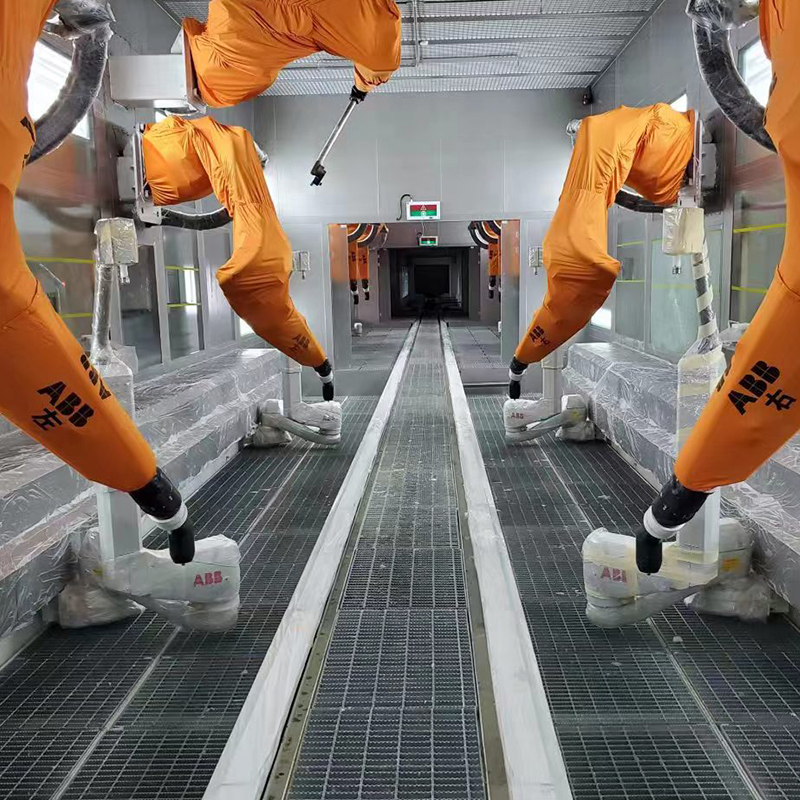
Spray Coating Line For Motor Casings
Motor casings are not ordinary sheet-metal covers. They often include complex casting structures, cooling fins, ribs, recessed areas, mounting flanges, bearing seats, threaded holes, cable openings, and sealing interfaces. Each area may require a different coating approach. External surfaces need corrosion and appearance protection, while precision surfaces may need to remain completely free of coating.
The casing also plays a role in thermal management. Many motor housings use external cooling fins or other heat-dissipation structures. If excessive coating accumulates between fins, the coating can interfere with heat transfer and reduce the effective cooling area. For this reason, the spraying process must achieve adequate corrosion protection without creating excessive film build on cooling-critical sections.
Another important factor is service environment. An electric vehicle drive motor may be exposed to water splash, mud, salt, vibration, and rapid temperature changes. An industrial motor may be installed outdoors, near chemical processing equipment, or in a factory subject to frequent washing. Household motor casings may emphasize appearance and consistent finish, while high-temperature motor casings require coating materials and curing conditions compatible with elevated operating temperatures.
A dedicated coating line addresses these requirements through controlled part positioning, programmed spray paths, adjustable spray parameters, reliable masking, and process monitoring. Instead of treating every casing as a simple painted component, the line treats the housing as a precision assembly part with functional surfaces that must be protected throughout production.
The spray coating line is suitable for various motor casing designs and production requirements. Its modular structure allows equipment sections to be combined or adjusted according to the customer's products, factory conditions, and target output.
| Motor casing type | Typical coating priorities | Recommended process considerations |
|---|---|---|
| Electric vehicle drive motor casing | Corrosion resistance, vibration durability, consistent appearance, and protection against road contaminants | Thorough cleaning, precise masking, controlled film thickness, reliable curing, and strong process traceability |
| Industrial motor enclosure | Protection against humidity, dust, outdoor exposure, oil, and periodic washdown | Robust pretreatment, suitable primer and topcoat selection, and adaptable coating thickness |
| Household motor casing | Stable appearance, clean finish, repeatability, and cost-effective mass production | Automatic conveying, efficient spray control, paint recovery, and simplified operator handling |
| High-temperature motor casing | Thermal stability, adhesion, corrosion protection, and resistance to operating temperature changes | Compatible coating material, carefully controlled curing temperature, and validated process parameters |
| Aluminum alloy casing | Adhesion, surface preparation, corrosion resistance, and protection of lightweight precision castings | Suitable pretreatment, controlled spray pressure, and protection of machined surfaces |
| Steel motor casing | Rust prevention, impact resistance, consistent coverage, and long-term exterior protection | Degreasing, surface conditioning, primer application, and complete curing |
Depending on the product family, the system may be configured as a fully automatic motor casing spray coating line, an anti-corrosion painting line, an integrated pretreatment and curing line, an electrostatic spray line, or a customized coating production line. The equipment can also be incorporated into a larger automated manufacturing system that includes assembly, testing, storage, and packaging operations.
A reliable coating result depends on the complete process rather than on the spray booth alone. The equipment is therefore organized as a coordinated sequence of preparation, application, curing, inspection, and material handling operations.
Motor casings are loaded onto dedicated fixtures, hooks, pallets, or carriers. The fixture design is selected according to the casing geometry and the surfaces that must remain accessible to the spray guns. Correct positioning helps prevent shadow areas and allows the coating system to reach external walls, ribs, flanges, and cooling fins.
For higher-volume production, automatic loading and unloading may be integrated with the conveyor system. Workpiece identification can also be used to distinguish different casing models, coating colors, or process recipes. This is useful when a plant manufactures multiple products on the same line.
Machining oil, casting residue, dust, metal particles, and handling contamination can reduce coating adhesion. The pretreatment section removes these contaminants before coating begins. Depending on the casing material and process requirements, the line may use cleaning, degreasing, rinsing, surface conditioning, drying, or other preparation stages.
Cleaning quality is particularly important around cooling fins, recessed areas, bolt holes, and casting transitions, where contaminants can remain trapped. A well-designed pretreatment system improves adhesion and reduces the risk of pinholes, blistering, peeling, and uneven appearance.
Bearing seats, mounting faces, threaded holes, sealing grooves, electrical connection areas, and other assembly surfaces must be protected from overspray. Masking may use plugs, caps, sleeves, plates, tapes, reusable fixtures, or specially designed masking tools.
The masking method should be repeatable and easy to inspect. Poor masking can cause coating contamination on precision surfaces, resulting in additional cleaning, dimensional rework, or assembly difficulty. A dedicated motor casing line allows masking stations and fixtures to be designed around actual casing geometry rather than relying on improvised methods.
After preparation and masking, the casing enters the spray booth. Automated spray guns apply the selected coating according to programmed paths and process parameters. Gun angle, distance, movement speed, atomizing air, paint flow, electrostatic voltage, and overlap can be adjusted to suit the coating material and workpiece shape.
Automation is particularly valuable on cooling-fin sections and complex cast surfaces. Manual spraying can produce differences in film thickness because of operator movement, gun distance, and spray overlap. Automatic control provides better repeatability across production batches and reduces the risk of thin areas, excessive buildup, runs, and missed corners.
After spraying, the coating must be dried or cured under controlled conditions. The line may use infrared radiation drying, hot-air circulation, or a combination of heating methods. Infrared radiation is useful when the process requires efficient surface heating and reduced heat exposure to sensitive internal areas or components.
Curing parameters must be matched to the coating system. Excessive temperature can damage seals, fixtures, or temperature-sensitive components, while insufficient curing can reduce hardness, adhesion, chemical resistance, and service life. The equipment is therefore configured with controlled heating, temperature monitoring, and appropriate conveyor speed.
After curing, the parts may pass through a cooling section before inspection and handling. Controlled cooling helps stabilize the coating and makes the casings safer for operators and downstream processes. Automatic unloading can transfer finished parts to inspection fixtures, assembly stations, or packaging areas.
Inspection may include visual checking, coating thickness measurement, adhesion testing, color comparison, surface cleanliness verification, dimensional checks, and confirmation that masked surfaces remain free of coating. Inspection results can be used to adjust spray parameters, pretreatment conditions, or maintenance schedules.
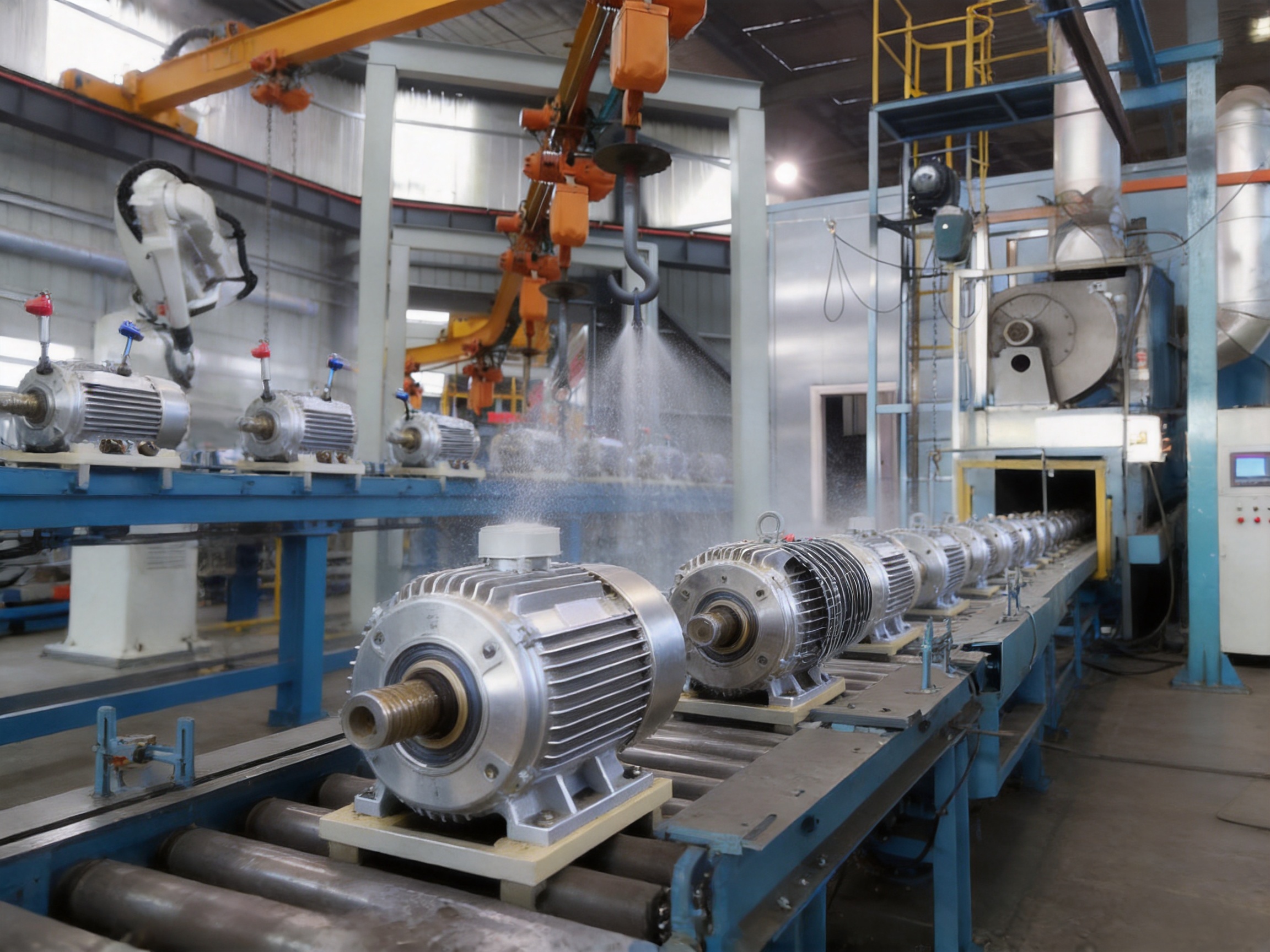
Motor casings often contain fins, ribs, curves, recesses, and irregular casting transitions. The line uses controlled workpiece positioning and spray-gun movement to improve coverage across the entire external surface. Fixtures and conveyor orientation can be engineered to expose difficult areas during different stages of the spray cycle.
Compared with a simple manual booth, the dedicated line reduces the chance of missed areas and improves repeatability between operators and shifts. Full-area coverage is especially important for housings exposed to water, salt, humidity, and industrial contaminants.
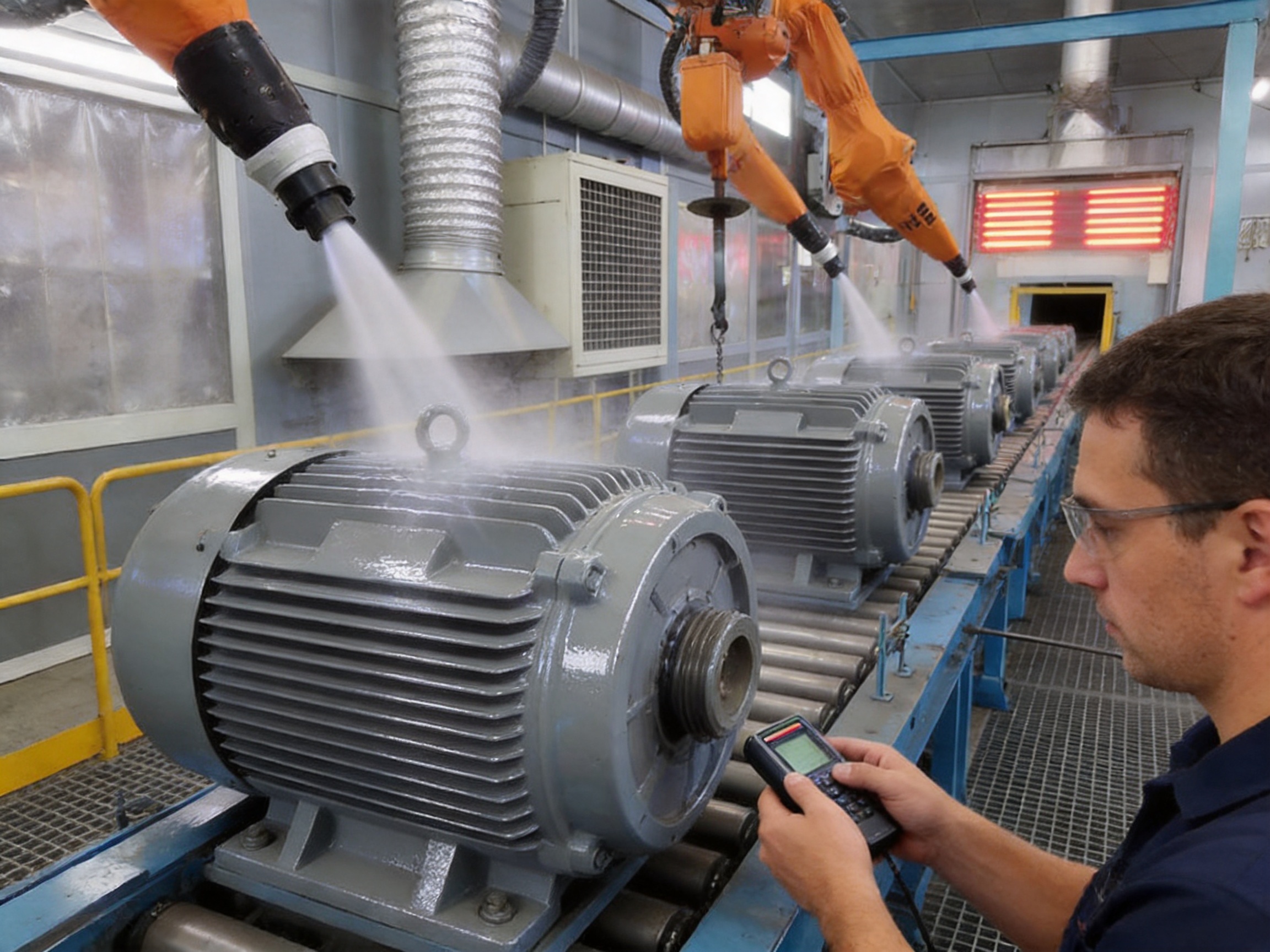
Film thickness must be sufficient to provide corrosion protection but controlled enough to preserve dimensional accuracy, cooling performance, and appearance. Automatic spray systems allow the coating flow and gun movement to be adjusted for different sections of the casing.
Cooling fins typically require a thin and even film. Precision mounting areas require masking rather than coating. Larger external walls may accept a different spray pattern. By using programmable parameters, the line can produce a more balanced result than a one-setting manual operation.
A properly selected and correctly applied coating helps shield the casing from moisture, oxidation, salt, dust, oils, and other environmental influences. This is important for both vehicle and industrial applications. Reliable pretreatment and curing support coating adhesion and reduce the risk of premature failure.
The final coating system may include primer, intermediate coating, topcoat, or another customer-specified structure. The appropriate system depends on the casing material, service environment, appearance requirements, and applicable technical standards.
Automatic conveying and continuous operation allow the line to support mass production. While one casing is being sprayed, another may be undergoing pretreatment, drying, inspection, or loading. This balanced flow reduces idle time and improves equipment utilization.
Automation also reduces repetitive manual handling. Operators can focus on loading checks, masking verification, quality control, material replenishment, and equipment maintenance rather than manually repeating the entire spray operation for every casing.
The spray booth and exhaust system help contain paint mist and maintain a controlled spraying environment. Filtration and waste gas treatment reduce the spread of contaminants into the workshop. A cleaner environment improves coating quality by reducing dust adhesion and also supports operator comfort and environmental compliance.
The line can be integrated with flue gas purification systems, paint mist collection, ventilation equipment, and other environmental protection units. The exact configuration depends on coating chemistry, local regulations, production capacity, and the customer's factory conditions.
Automatic spray control and paint recovery can improve material utilization. Overspray collection systems capture usable coating material where the process allows recovery, while optimized spray parameters reduce unnecessary paint consumption.
Reduced material waste lowers operating costs and supports cleaner production. The result is particularly valuable in high-volume motor casing production, where small differences in paint consumption per part can become significant over an entire year.
The equipment can be organized into functional modules, including pretreatment, spraying, drying, curing, conveying, filtration, and inspection. This modular design helps adapt the line to available floor space and future production expansion.
Compact equipment layout is useful for motor production workshops where space is limited. A properly planned line can reduce unnecessary transfer distance while maintaining safe access for operators, maintenance personnel, and material handling equipment.
Centralized controls, clear process settings, accessible filters, service platforms, and modular components help simplify daily operation. Preventive maintenance can be organized around spray-gun cleaning, filter replacement, conveyor inspection, heating-system checks, fixture maintenance, and exhaust-system servicing.
Simple and visible operating procedures reduce dependence on individual operator experience. This contributes to stable quality and helps reduce the labor cost associated with motor casing spraying.
The coating quality of motor casings depends on maintaining stable conditions throughout the spray cycle. The line can be configured to manage key variables such as conveyor speed, gun movement, spray distance, atomization, paint delivery, airflow, and electrostatic parameters.
Electrostatic spraying may be used when compatible with the coating material and workpiece requirements. The electrical field can improve transfer efficiency and help coating reach suitable external areas. However, electrostatic performance depends on grounding, material conductivity, geometry, coating characteristics, and correct equipment settings. For complex casing designs, electrostatic spraying may be combined with conventional spray techniques to improve coverage.
Automatic spray guns are advantageous for repeated product models because their movement can be programmed and reproduced. If the line handles multiple casing sizes, different recipes can be stored for each model. Recipe control helps operators select the correct process without manually changing every parameter.
Process stability is also supported by fixture design. A casing that moves or rotates inconsistently can cause variable spray distance and uneven film thickness. Dedicated carriers hold the casing securely and present it to the guns in a repeatable orientation. The fixture may also incorporate masking functions or support points that protect critical surfaces.
For demanding applications, the system can be designed with monitoring and traceability features. These may include temperature recording, conveyor-speed monitoring, spray-pressure checks, coating-material level indication, alarm management, production counting, and maintenance reminders. The actual configuration can be adapted to the customer's automation level and quality-management system.
Infrared radiation drying is an important option for motor casing coating lines. Infrared energy can heat the coated surface directly, allowing efficient drying in a relatively compact space. This can be useful when the factory layout does not permit a long conventional oven or when the process requires controlled heating of the coating surface.
The heating system must be matched to the casing material and coating. Aluminum alloy and steel casings respond differently to heat, and different coating formulations require different curing profiles. The equipment design should consider the casing's mass, wall thickness, geometry, internal components, masking materials, and required production cycle.
Controlled curing supports adhesion, hardness, appearance, chemical resistance, and long-term durability. The process should be validated through coating tests and production trials. Temperature sensors and control systems help maintain repeatable conditions, while appropriate insulation and exhaust management improve energy efficiency and operator safety.
Modern coating production requires more than acceptable surface appearance. Manufacturers must also control paint mist, volatile emissions, waste materials, energy consumption, and workplace cleanliness. A complete coating line integrates environmental protection into the process design rather than treating it as an afterthought.
The spray booth captures airborne coating particles and directs contaminated air through suitable filtration or purification equipment. Waste gas treatment can be selected according to the coating chemistry and emission characteristics. The line may also include exhaust fans, filter sections, purification units, and monitoring points.
Paint recovery and efficient transfer reduce the volume of unused coating that must be handled as waste. Automatic spraying improves consistency while limiting excessive application. The use of infrared drying or optimized hot-air circulation can reduce unnecessary heating and shorten the required curing zone.
Energy efficiency depends on the complete system. A well-insulated curing section, correctly sized exhaust fan, efficient conveying system, appropriate spray pressure, and properly maintained filters can all affect energy consumption. Yueze's equipment development covers coating lines together with waste gas treatment, infrared radiation drying, automated conveying, and other environmental protection technologies, enabling these systems to be engineered as a coordinated solution.
Jiangsu Yue Ze Environmental Protection Equipment Co., Ltd. provides integrated design and manufacturing for industrial surface-treatment systems. Its facility in Yancheng, Jiangsu, China, covers approximately 35,000 square meters. The company reports a registered capital of 58 million yuan and more than 40 years of combined experience across coating and environmental equipment fields.
The company's product range includes powder coating lines, intelligent coating lines, electric vehicle assembly lines, automotive counterweight spray lines, paint and bake booths, large-part grinding rooms, waste gas treatment equipment, infrared radiation drying systems, automated conveying systems, and other environmental protection equipment.
This broad product scope is valuable when designing a motor casing line because surface treatment rarely operates as an isolated machine. A production project may require a conveyor, spray booth, curing system, exhaust treatment, material handling, inspection station, and factory integration. A manufacturer familiar with these related systems can coordinate the interfaces more effectively.
Yueze also provides customized equipment solutions. Motor casing manufacturers may have different product dimensions, coating materials, output targets, workshop heights, loading methods, and automation requirements. A standard catalog machine may not address all these variables. Custom engineering allows the line to be developed around actual workpieces and production objectives.
The company reports experience in research and development, manufacturing, installation, and project service. Its capabilities include process planning, equipment fabrication, control integration, site installation, commissioning, and customer support. This one-stop approach can simplify communication and reduce the risk of mismatched equipment supplied by multiple vendors.
Motor casings share several challenges with other large or complex industrial components: irregular geometry, precision surfaces, masking requirements, heavy or awkward handling, and the need for repeatable coating. Experience with automotive counterweight painting lines, electric vehicle production systems, and large-part surface treatment provides a relevant foundation for developing dedicated casing equipment.
The company has also developed a hanging automatic painting process line for casting counterweight blocks. This type of project demonstrates the importance of integrating finishing, polishing, primer application, topcoat application, conveying, and environmental control into one continuous process. Similar design principles can be applied to motor casing production, with the process adjusted for casing tolerances, cooling structures, and assembly interfaces.
A general-purpose spray booth can apply paint, but it may not provide the specialized handling and process control required for motor casings. The main advantage of a dedicated line is not simply the presence of spray guns; it is the integration of workpiece fixtures, masking, programmed movement, curing, inspection, environmental protection, and production logistics around the casing's design.
| Evaluation area | Dedicated motor casing spray line | Basic general-purpose process |
|---|---|---|
| Workpiece positioning | Dedicated fixtures and repeatable orientation for complex casing geometry | May depend on manual placement or flexible but less precise supports |
| Precision surface protection | Masking methods designed for bearing seats, mounting faces, holes, and sealing areas | Often requires manual masking adapted by operators |
| Cooling-fin coating | Programmed spray paths and controlled film build | Greater risk of uneven coverage or excessive accumulation |
| Production consistency | Stored recipes, automatic conveying, and repeatable spray parameters | More dependent on individual operator technique |
| Paint utilization | Optimized spraying and possible recovery systems | Potentially higher overspray and material loss |
| Environmental control | Integrated booth ventilation, filtration, and purification options | May require separate or less coordinated systems |
| Mass-production capability | Continuous flow with coordinated pretreatment, spraying, and curing | Often better suited to low-volume or mixed manual work |
| Expansion and customization | Modular sections can be adapted to product and factory requirements | Limited by the original booth and equipment layout |
The correct choice depends on production volume, coating requirements, product complexity, labor costs, quality targets, and environmental regulations. For high-volume or quality-sensitive motor casing production, the dedicated line generally offers stronger process control and lower long-term production variability.
Each motor casing project should begin with an evaluation of the workpieces and production targets. Important input data includes casing dimensions, weight, material, surface condition, coating type, color range, target film thickness, annual output, takt time, available workshop space, and required automation level.
Based on this information, the line may be customized in the following areas:
A customized line should not be understood as a completely unrelated machine for every customer. Modular engineering allows proven equipment sections to be combined and adjusted efficiently. This approach helps control project risk while still meeting product-specific requirements.
Coating quality should be evaluated at several stages. Before spraying, operators or sensors should verify that the casing is clean, dry, correctly positioned, and properly masked. During spraying, the system should maintain stable material delivery, air pressure, gun movement, and booth conditions. After curing, the finished casing should be checked for appearance, coverage, adhesion, thickness, and freedom from contamination.
Particular attention should be given to:
Quality records can help identify trends before they become major production problems. For example, increasing paint mist in the booth may indicate a blocked filter or incorrect airflow. Uneven coating on one side of the casing may indicate fixture movement or spray-gun misalignment. Poor adhesion may point to pretreatment contamination or an incorrect curing profile.
Regular maintenance is essential for stable coating quality and safe operation. Spray guns should be cleaned according to the coating material and operating schedule. Filters should be inspected and replaced when required. Conveyor chains, motors, carriers, and guide rails should be checked for wear and alignment.
Heating systems require inspection of emitters, burners, fans, sensors, insulation, and control components. Exhaust and purification equipment should be maintained to preserve airflow and emission-control performance. Masking fixtures should be cleaned and inspected because damaged or contaminated masks can cause coating defects on precision surfaces.
Preventive maintenance is usually less expensive than corrective maintenance after a quality failure or unplanned shutdown. A maintenance plan should identify daily, weekly, monthly, and annual tasks. Yueze's integrated approach to manufacturing and installation can help customers establish operating procedures and maintenance practices suited to the final line configuration.
A spray coating line must be integrated into the factory with suitable ventilation, electrical supply, compressed air, fire protection, access routes, lighting, and emergency controls. The layout should separate loading, spraying, curing, inspection, and storage areas where necessary.
Operators should receive training in coating-material handling, masking, equipment start-up, emergency shutdown, filter replacement, cleaning, and personal protective equipment. Safety interlocks can be used to prevent access to hazardous areas during automatic operation. The final safety design should comply with applicable national, regional, and industry requirements.
Factory integration also includes communication with upstream and downstream processes. The coating line may receive casings after machining or cleaning and transfer finished parts to assembly, testing, or packaging. Automatic conveyors, buffer zones, and production signals can help avoid stoppages caused by differences in cycle time between adjacent processes.
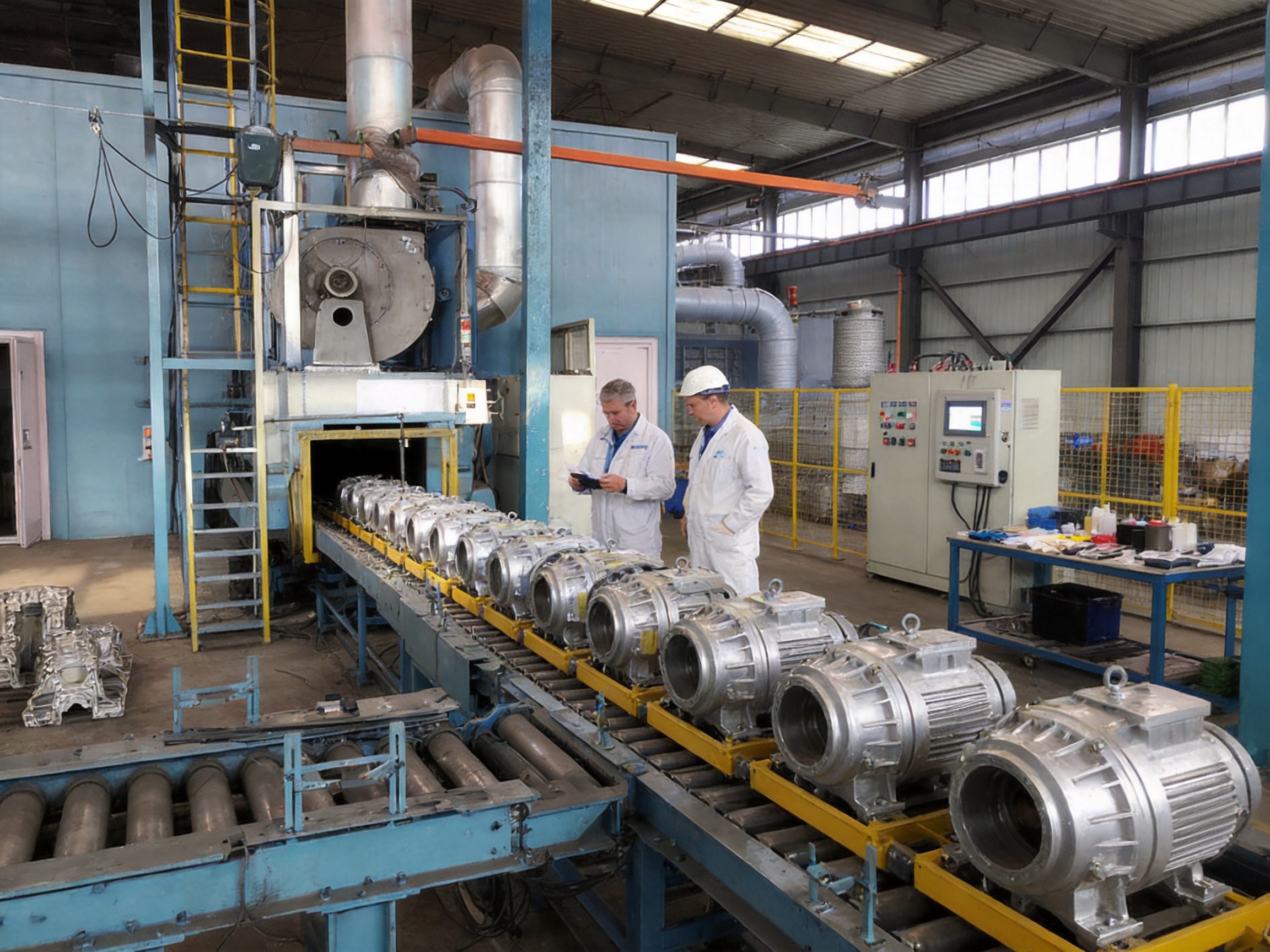
Before ordering a spray coating line for motor casings, buyers should provide accurate technical information and evaluate the supplier's engineering capability. The following questions can support the selection process:
Buyers should also request a clear description of the scope of supply. The quotation should identify which components are included, such as conveyors, booths, spray guns, pumps, control cabinets, heating systems, filters, purification equipment, fixtures, masking tools, safety devices, and installation services.
A spray coating line for motor casings is an integrated production system that prepares, masks, sprays, dries or cures, inspects, and transfers motor housings. It is designed around the special requirements of motor casings, including precision mounting surfaces, bearing seats, cooling fins, threaded holes, and corrosion-prone external areas.
These surfaces usually have strict dimensional and assembly requirements. Coating buildup can change the fit between components, interfere with bearing installation, affect sealing, or prevent proper contact between mating parts. Masking keeps these areas free of unwanted coating during spraying.
Yes. The line can be configured for electric vehicle drive motor casings, including aluminum alloy or steel housings. EV casings commonly require strong corrosion resistance, vibration durability, consistent appearance, and controlled coating on cooling structures. Final process parameters should be confirmed through product testing.
Yes. Excessive coating on cooling fins or other heat-dissipation structures can reduce effective heat transfer. Automated spray control helps maintain a uniform and appropriately controlled film thickness while still providing corrosion protection.
Pretreatment depends on the casing material, surface condition, coating system, and service environment. Typical operations may include cleaning, degreasing, rinsing, surface conditioning, drying, or other preparation steps. The correct process should be verified through adhesion and corrosion-resistance testing.
Electrostatic spraying can be included when it is suitable for the coating material, casing material, grounding conditions, geometry, and production requirements. Some projects may combine electrostatic spraying with conventional spray methods to improve coverage in complex areas.
Yes. A modular line can be designed for several models by using adjustable or interchangeable fixtures, stored spray recipes, variable conveyor settings, and model-specific masking tools. The number and range of models should be confirmed during the engineering stage.
The line may use infrared radiation drying, hot-air circulation, or a combined system. Infrared drying can provide efficient surface heating and may reduce equipment length, but the final choice depends on coating chemistry, casing material, production speed, and curing requirements.
Automatic spray control improves transfer efficiency by maintaining consistent gun distance, movement, flow, and overlap. The line may also include paint recovery or overspray collection equipment where technically appropriate. Correct maintenance and parameter adjustment further reduce unnecessary coating waste.
The spray booth captures airborne paint mist and directs contaminated air through filtration or purification equipment. The exact treatment system depends on the coating material, emission characteristics, production capacity, and applicable environmental regulations.
Yes. The equipment can be customized according to floor area, building height, workpiece dimensions, output, loading direction, utility conditions, and connection requirements with upstream and downstream equipment. Modular engineering supports different factory layouts and automation levels.
Useful information includes casing drawings or samples, dimensions, weight, material, coating type, color, target film thickness, annual output, cycle time, masking requirements, curing conditions, workshop layout, and environmental standards. Product samples are helpful for validating fixtures, spray paths, and process parameters.
A standard booth mainly provides a space for spraying and ventilation. A dedicated motor casing line integrates workpiece fixtures, automatic conveying, masking, programmed spray application, curing, inspection, paint recovery, and environmental treatment. This produces better repeatability and is more suitable for continuous production and precision components.
Jiangsu Yue Ze Environmental Protection Equipment Co., Ltd. provides integrated services covering research and development, manufacturing, installation, commissioning, and customized equipment solutions. The exact service scope should be confirmed in the project contract and technical specification.
A motor casing coating line must provide more than attractive paint coverage. It must protect the casing against corrosion, preserve precision assembly surfaces, maintain heat-dissipation performance, support stable mass production, and control environmental impact. A dedicated automated system achieves these objectives by combining suitable pretreatment, accurate masking, controlled spraying, reliable curing, efficient conveying, and coordinated inspection.
The spray coating line described here is suitable for electric vehicle, industrial, household, high-temperature, aluminum alloy, and steel motor casings. Its advantages include full-area coating with fewer dead corners, controllable film thickness, improved paint utilization, cleaner operation, compact modular construction, continuous production capability, and easier maintenance.
Jiangsu Yue Ze Environmental Protection Equipment Co., Ltd. supports this equipment with broad manufacturing experience in coating lines, automated conveying, infrared drying, paint and bake booths, waste gas treatment, electric vehicle production equipment, and other environmental protection systems. Its large manufacturing facility, integrated engineering capabilities, and customized project approach provide a foundation for developing complete surface-treatment solutions rather than isolated machines.
For manufacturers seeking better coating consistency, lower manual labor dependence, improved environmental performance, and reliable protection of motor housings, a customized automatic spray coating line can become an important part of a modern motor production workshop.
1. Product information supplied for the Spray Coating Line for Motor Casings, including application scope, process features, advantages, and equipment configuration.
2. Company information supplied for Jiangsu Yue Ze Environmental Protection Equipment Co., Ltd., including manufacturing capacity, product range, engineering services, and industrial experience.
3. General principles of industrial spray coating, pretreatment, masking, film-thickness control, curing, and coating inspection.
4. General engineering practices for automated conveyor systems, spray booths, infrared radiation drying equipment, paint mist collection, and waste gas purification.
5. General manufacturing considerations for electric vehicle motor housings, industrial motor enclosures, aluminum alloy castings, steel casings, and cooling-fin components.
Professional spray coating line specially designed for motor casings, applicable to various motor casing types (electric vehicle motor casing, industrial motor casing, household motor casing, high-tem...
See Details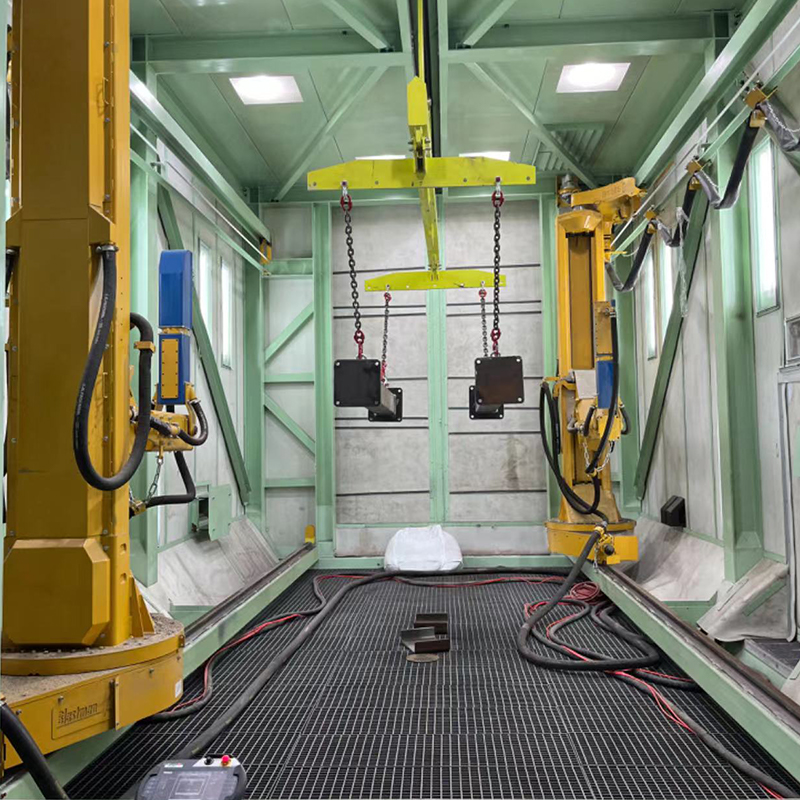
Professional coating line specially designed for large castings and heavy truck parts, applicable to various large castings (engineering castings, mining equipment castings, industrial castings) and h...
See Details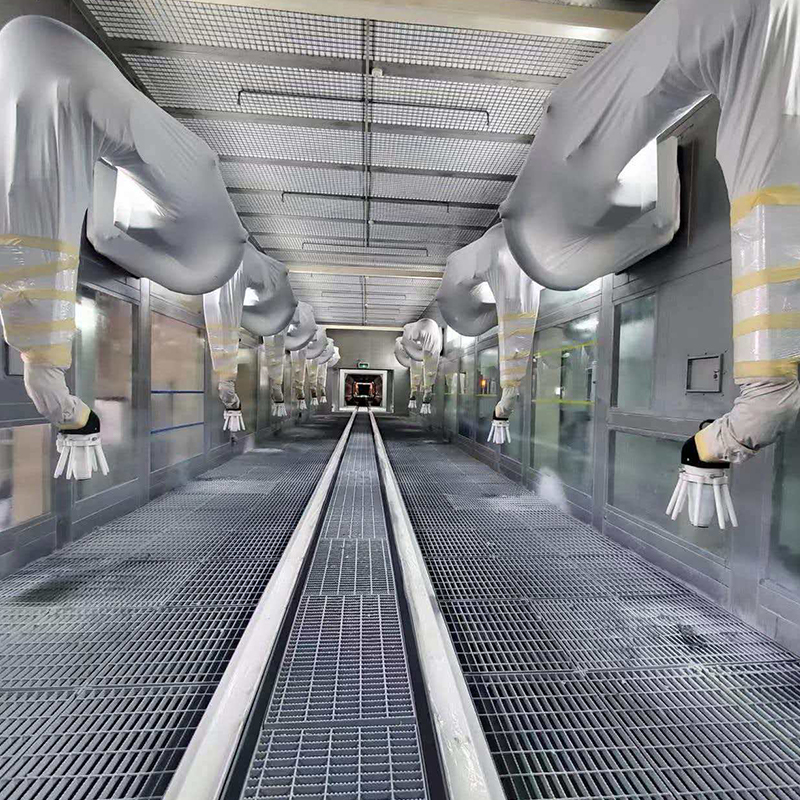
Professional spray coating line specially designed for car wheel manufacturing and refurbishment, applicable to various car wheel types (steel wheel, aluminum alloy wheel, forged wheel, cast wheel, pa...
See Details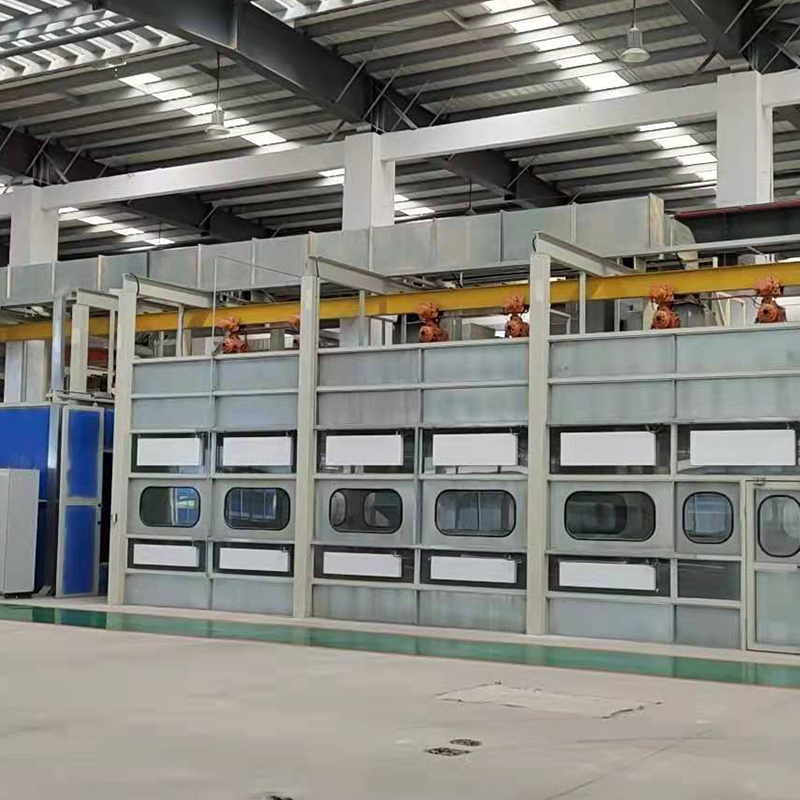
Professional spray coating line designed for engine manufacturing and maintenance, applicable to various engine types (gasoline engine, diesel engine, electric vehicle engine). Main types: engine bloc...
See Details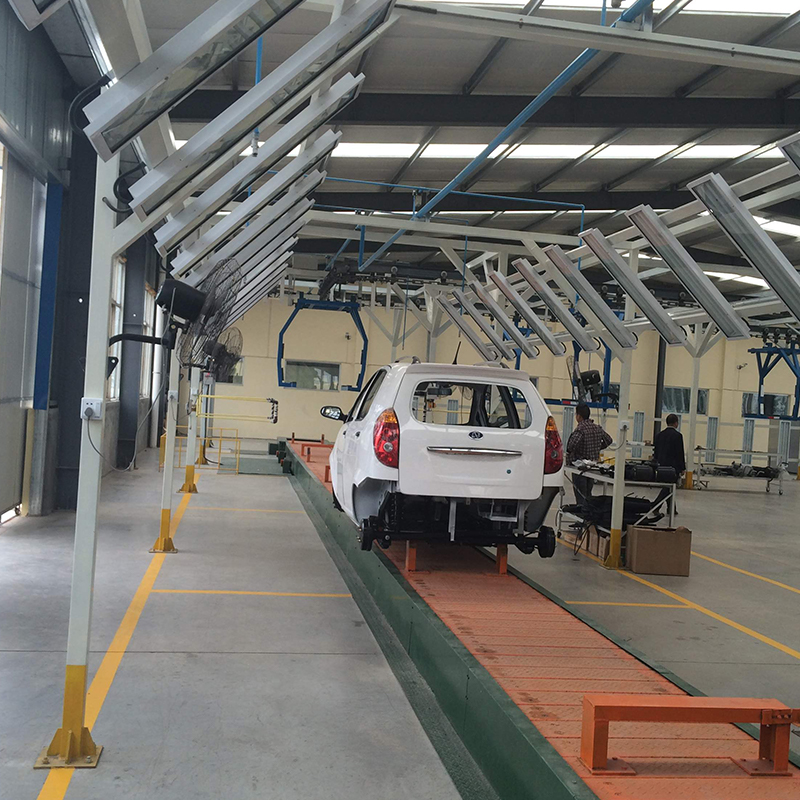
Professional electrophoresis coating line specially designed for electric vehicles (EVs), applicable to various EV types (passenger EV, commercial EV, new energy logistics vehicle) and EV components. ...
See Details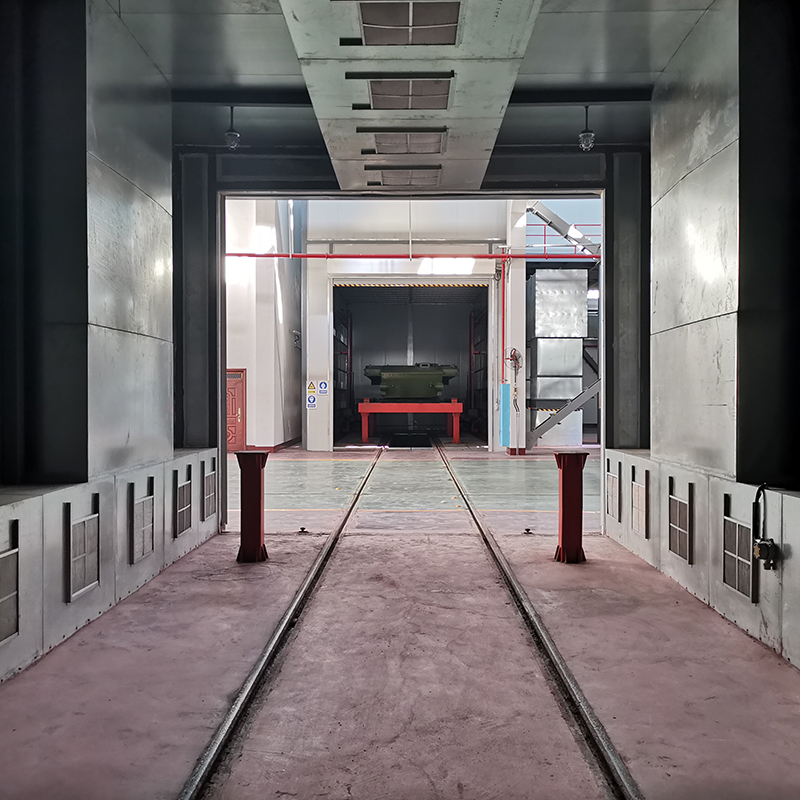
The spray paint line is a complete automated coating system, including spraying, drying, curing, and conveying processes. It features stable operation, uniform spraying effect, and good sealing perfor...
See DetailsBuild Your Customized Industrial Coating System
Send us your workpiece information, production capacity, coating process, workshop layout, and environmental requirements. Yueze will help evaluate your project and develop a suitable coating, conveying, drying, and environmental treatment solution.
Main menu
Products
Contact Us
Company Address:
No. 12, Park Avenue, Shanggang Industrial Park, Jianhu, Yancheng City, Jiangsu Province
Message Us Right Now!

Follow us: