
 русский
 عربى
عربى
 Tiếng Việt

An automatic robotic spray booth is an intelligent, unmanned coating system. Equipped with a robot spraying system, constant temperature air circulation, and a high-efficiency exhaust filtration syste...
See Details
Yueze Environmental Protection provides one-stop compliant industrial surface treatment solutions with professional tech and fine craftsmanship.
 Get Inquiries
2026-08-21
Content
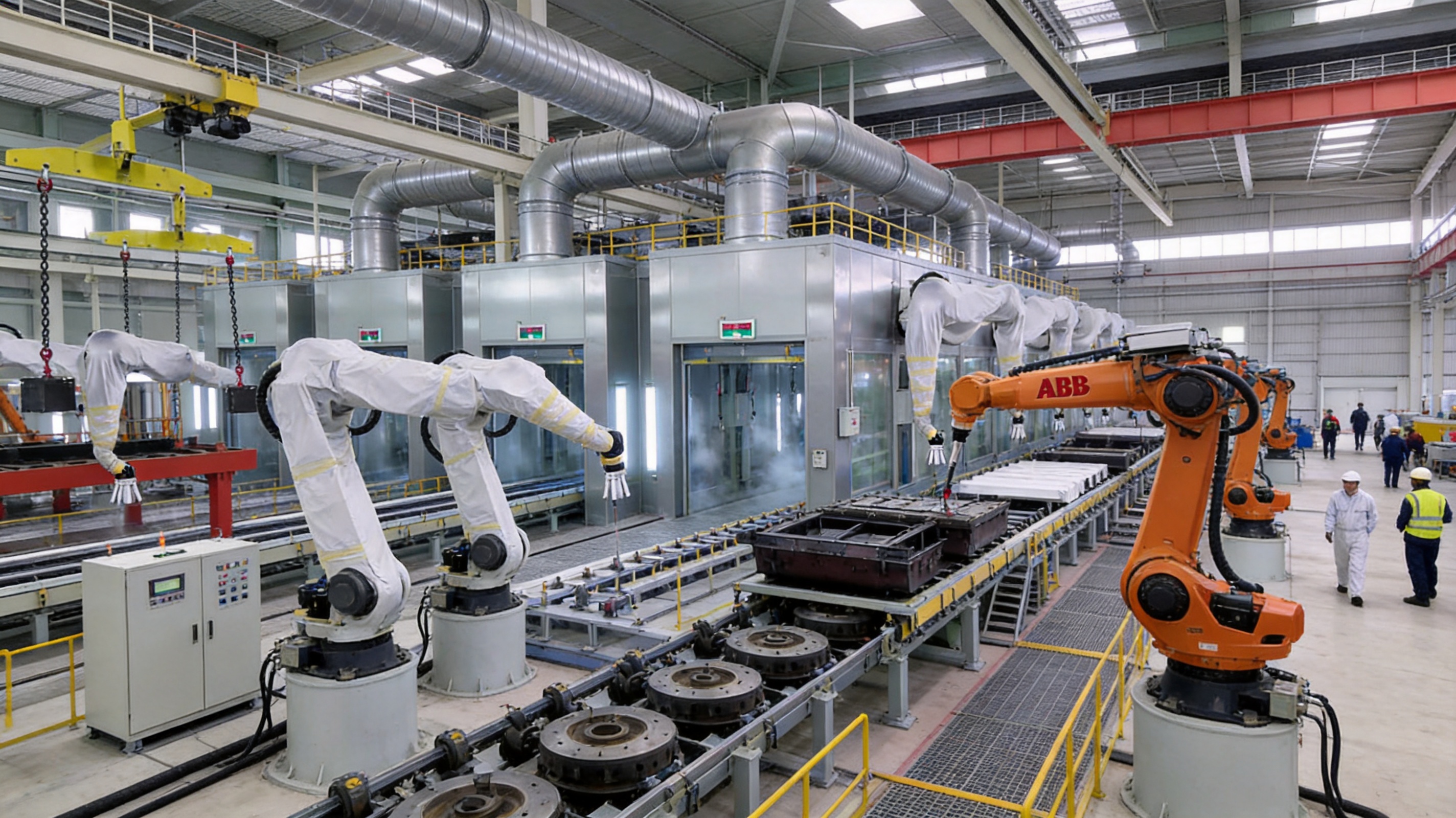
An automatic robotic spray booth is an advanced coating system designed to improve application consistency, production efficiency, workplace safety, and environmental performance. By combining a programmable industrial robot with an enclosed spray booth, controlled ventilation, filtration, workpiece positioning, and intelligent process management, the system enables manufacturers to move from labor-intensive manual painting toward stable, repeatable, and highly automated production.
Modern manufacturers face increasing pressure to improve product quality while controlling labor costs, reducing material waste, meeting stricter environmental requirements, and maintaining reliable delivery schedules. Manual spraying can remain useful for prototypes, repairs, and highly irregular jobs, but it often produces variation in film thickness, color, spray angle, transfer efficiency, and overall appearance. These differences become particularly costly when a factory produces large quantities of standardized parts or when coated components must meet strict appearance and corrosion-resistance requirements.
An automatic robotic spray booth addresses these challenges by controlling the most important coating variables through programmable automation. The robot can repeat the same spraying path, speed, angle, distance, and sequence for every workpiece. A conveyor or positioning system can present each part in a predictable location, while the booth ventilation and filtration system maintains a controlled working environment. The result is a more stable coating process that can operate continuously with less direct human intervention.
The equipment is suitable for a wide range of applications, including large mechanical components, automotive parts, municipal facilities, cast counterweight blocks, art manhole covers, industrial structures, fabricated metal products, and standardized products manufactured in high volume. Depending on the coating process, the booth can be configured for liquid paint, powder coating, or a customized combination of pretreatment, spraying, drying, curing, conveying, and exhaust treatment equipment.
An automatic robotic spray booth is an enclosed industrial coating unit in which one or more robots apply paint or powder according to pre-programmed instructions. The booth normally includes a robotic arm, spray gun or atomizer, control cabinet, ventilation system, exhaust filtration equipment, workpiece support or positioning equipment, lighting, safety interlocks, and optional recovery or treatment devices.
Unlike a simple manual spray room, the automatic booth is designed as a coordinated production system. The robot does not work independently from the surrounding equipment. It communicates with the conveyor, workpiece detection sensors, spray equipment, ventilation fans, recovery units, curing ovens, and line control system. This integrated design allows each process stage to operate according to a defined production cycle.
In a typical operation, a workpiece arrives at the spraying position through an overhead conveyor, ground conveyor, turntable, or indexing mechanism. Sensors confirm the location and identity of the part. The control system calls the relevant spray program, and the robotic arm follows the programmed path around the workpiece. During application, the ventilation system maintains the required airflow and directs overspray toward filters, cyclones, collection units, or other treatment equipment. After spraying, the coated workpiece continues to the next process, such as flash-off, drying, curing, inspection, or unloading.
The system can be engineered for a single product or for multiple product models. A single-product line may prioritize maximum throughput and a short, highly optimized robot cycle. A mixed-production line may require product recognition, multiple stored programs, adjustable conveyor speeds, and automatic recipe selection. This flexibility makes robotic spray booths suitable for both dedicated production and customized manufacturing environments.
Manual spraying depends heavily on the skill, experience, physical condition, and concentration of individual operators. Even highly trained painters may change their movement speed, spray distance, gun angle, overlap, or trigger timing during a long shift. These changes can produce uneven film thickness, runs, sags, dry spray, orange peel, insufficient edge coverage, or excessive overspray.
A robot follows a defined trajectory without fatigue. Once a spray program has been tested and approved, the same movement can be repeated throughout the production cycle. This repeatability is especially valuable for products with strict appearance requirements or parts that must be coated in large quantities.
Automation also separates personnel from the immediate spray zone. Operators are still needed for supervision, maintenance, quality control, material replenishment, and process management, but they are not required to remain directly in the paint mist or powder overspray area during every spraying cycle. A properly designed enclosed booth, combined with suitable ventilation and filtration, can significantly improve the working environment.
Another important benefit is production planning. A manual process may be affected by worker availability, training requirements, shift changes, and differences in individual performance. An automated booth provides a more predictable cycle time and can support continuous operation. When connected to a conveyor, curing oven, and production management system, it becomes a foundation for a complete intelligent coating line.
The most direct advantage of a robotic booth is the ability to perform spraying automatically. Six-axis or multi-axis robots can be programmed to follow complex paths around the workpiece. The system can start, stop, and change spraying actions according to the production recipe, part position, and process requirements.
Automatic operation reduces dependence on continuous manual spraying. This is important for factories that operate long shifts, run overnight production, or need stable output during periods of labor shortage. With appropriate safety controls and regular maintenance, the system can support extended production schedules while maintaining a consistent process rhythm.
Unmanned operation does not mean that the system operates without responsible personnel. Operators and technicians remain essential for loading, unloading, inspection, material management, cleaning, maintenance, and safety supervision. The difference is that their work becomes more productive and less physically demanding because they are not required to manually perform every spray movement.
Coating quality depends on the relationship between spray distance, spray angle, application speed, material flow, atomizing pressure, electrostatic voltage where applicable, and the number of passes. A robotic system can control these variables more consistently than manual spraying.
The robot can maintain a programmed distance from the surface and follow a repeatable overlap pattern. This reduces the possibility of heavy and light areas occurring on the same part. It also helps minimize variation between the first and last workpiece of a shift, between different operators, and between different production days.
Improved consistency can reduce rework, polishing, stripping, and repainting. It can also improve the stability of color and gloss, provided that the coating material, pretreatment, curing conditions, and application parameters are properly controlled. For customers purchasing large batches of coated products, consistent appearance can be as important as dimensional accuracy.
Large or irregular workpieces often contain deep cavities, inner surfaces, narrow sections, sharp edges, recessed areas, and difficult-to-reach corners. Manual operators may struggle to maintain the correct spray angle and distance in these areas. They may also be forced to change posture frequently, increasing fatigue and reducing precision.
A multi-axis robotic arm can approach a surface from different directions. By programming suitable trajectories, the robot can spray inner cavities, sidewalls, edges, and other complex geometries more systematically. A positioning device can rotate or index the workpiece so that the robot can reach surfaces that would otherwise be hidden.
Robot programming must be based on the actual shape, dimensions, and coating requirements of the part. A poorly designed path can still create shadowing or insufficient coverage. For this reason, an experienced equipment manufacturer should analyze the workpiece, determine the required robot reach and payload, select the appropriate spray equipment, and verify the path before final commissioning.
Robotic spraying is particularly effective when a factory produces a large number of similar workpieces. Once the program has been optimized, the robot can perform the same sequence at a stable cycle time. The conveyor and positioning equipment can also be synchronized to reduce idle movement between parts.
Compared with manual spraying, the increase in productivity comes from several factors. The robot can work at a consistent speed, repeat the most efficient path, reduce unnecessary motion, and operate for longer periods without fatigue. The process can also be integrated with automatic loading, conveying, drying, curing, and unloading systems.
Productivity should not be evaluated only by robot speed. The complete cycle includes loading, positioning, spraying, part transfer, cleaning, color change, maintenance, and curing. A well-designed system balances these stages so that one process does not create a bottleneck for another. Equipment layout, booth size, conveyor speed, robot quantity, and curing capacity must therefore be selected as a complete system.
Precise robotic application can reduce excessive spraying and improve the amount of coating deposited on the workpiece. When combined with suitable recovery equipment, powder coating systems can collect and reuse a significant portion of recoverable overspray. A cyclone and filter cartridge recovery system may achieve powder utilization rates above 98 percent under suitable operating conditions, although the actual result depends on powder type, color change frequency, workpiece geometry, recovery design, cleaning practices, and operating parameters.
For liquid paint applications, accurate control of atomization and material flow can also reduce overspray and solvent-related losses. The robot can maintain the correct gun speed and distance, helping operators avoid the excessive application that is sometimes used to compensate for uncertain manual coverage.
Material savings can have a major effect on the total cost of ownership. Coating materials are often one of the largest recurring expenses in a finishing operation. Reduced waste also lowers the quantity of overspray that must be collected, filtered, treated, and disposed of.
A fully enclosed booth with negative-pressure ventilation helps prevent paint mist, powder, and other airborne particles from escaping into the workshop. Properly designed airflow directs contaminants toward the exhaust and filtration system. This protects nearby workers and helps maintain a cleaner production environment.
Robotic operation also reduces the amount of time that personnel spend inside or near the spraying area. This is beneficial when the process involves coating mist, solvent vapors, dust, or other substances that require controlled exposure. The exact safety design must match the coating material and applicable regulations, including requirements for ventilation, electrical equipment, fire protection, explosion prevention, grounding, and emergency shutdown.
Safety features may include door interlocks, light curtains, emergency stop buttons, pressure monitoring, airflow alarms, robot collision detection, fire detection, and automatic process shutdown. These functions should be tested during commissioning and included in the operating and maintenance procedures.
Factories increasingly need to produce several models or customer-specific variants on the same line. An automatic robotic spray booth can store multiple spray programs, allowing operators to select the correct recipe through the control interface or enabling the system to identify the workpiece automatically.
Each program may contain robot paths, spray flow settings, atomizing parameters, conveyor speed, gun trigger timing, workpiece rotation, and other process values. Proper access control can prevent unauthorized changes to validated recipes. Program version management also helps quality teams identify which process settings were used for a specific production batch.
Fast program changeover reduces downtime and makes the line more suitable for mixed production. However, color changes and material changes may still require cleaning of the spray gun, hoses, pumps, powder recovery components, or booth interior. The equipment configuration should therefore consider the expected product mix rather than relying only on program storage capacity.
The initial investment in a robotic spray booth is generally higher than the cost of a simple manual spray room. The system may require robots, safety fencing, control equipment, ventilation, filtration, conveyors, positioning devices, recovery equipment, and installation. Nevertheless, the long-term financial benefit can be attractive for companies with sufficient production volume and stable product demand.
Cost savings may come from lower direct labor requirements, reduced coating consumption, fewer defects, less rework, improved uptime, and reduced exposure-related costs. A factory may also gain additional capacity without expanding the number of manual spray operators.
The payback period depends on the number of shifts, annual production, labor costs, coating consumption, defect rate, product value, maintenance expenses, and line utilization. In many suitable applications, the investment may recover within approximately one to two years, but every project should be evaluated using its own production data rather than a general estimate.
A robotic booth can operate as an independent cell or as part of a complete coating line. Integration options include overhead conveyors, pretreatment systems, drying ovens, curing ovens, automatic loading and unloading, inspection stations, exhaust treatment equipment, and manufacturing execution systems.
Connection to a manufacturing execution system can enable production tracking, recipe control, alarm recording, maintenance scheduling, and performance analysis. Sensors can record conveyor speed, booth pressure, filter condition, material usage, robot status, and cycle time. This information helps managers identify bottlenecks and maintenance needs before they cause extended downtime.
When the booth is integrated with upstream pretreatment, the surface can be cleaned and prepared before spraying. When it is connected to a curing oven, the coating can be hardened under controlled temperature and time conditions. The final result is a coordinated process rather than a group of disconnected machines.
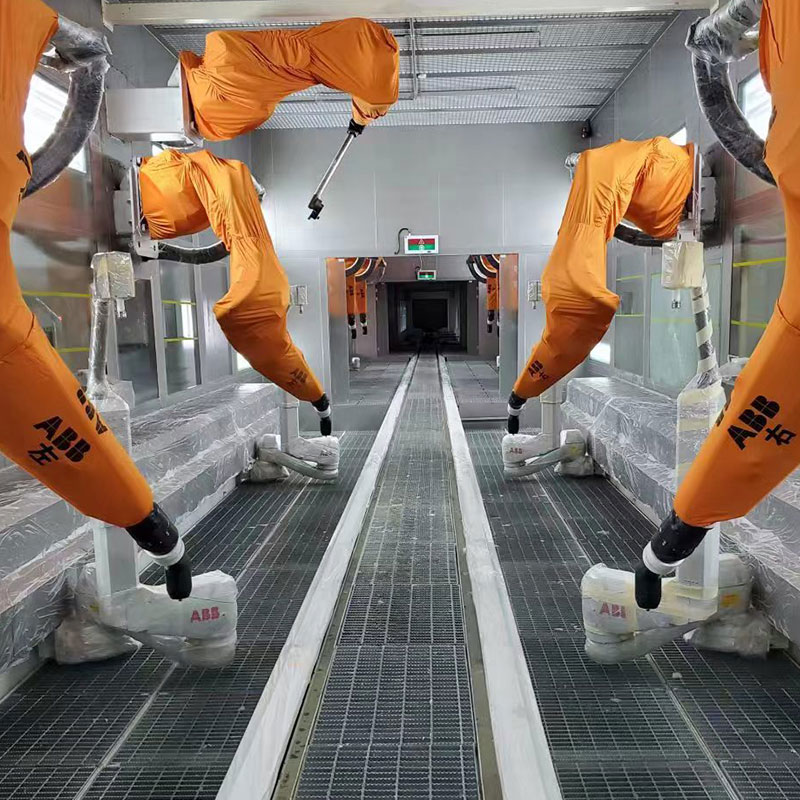
Automatic Robotic Spray Booth
The working process begins with surface preparation. Depending on the product and coating specification, the workpiece may undergo degreasing, rinsing, phosphating, shot blasting, sanding, drying, or other pretreatment operations. Surface preparation is essential because robotic spraying cannot compensate for oil, rust, dust, moisture, or poor substrate condition.
After pretreatment, the workpiece enters the spray area through a conveyor or is positioned manually or automatically on a fixture. A sensor confirms that the part is in the correct position. If the line uses product identification, a barcode, RFID tag, vision system, or production order may be used to call the corresponding coating program.
The robot then moves through the programmed trajectory. The spray gun applies the selected material while the control system regulates triggering, material flow, atomization, and movement. For powder coating, electrostatic charging may be used to help powder particles adhere to the grounded workpiece. For liquid coating, the system may use air spray, airless, air-assisted airless, rotary atomization, or another application method.
During spraying, the ventilation system maintains the designed airflow and booth pressure. Overspray is drawn away from the workpiece and conveyed toward the appropriate filtration or recovery equipment. After the robot completes the program, the workpiece exits the booth and moves to the next stage.
For powder coating, the workpiece generally proceeds to a curing oven where the powder melts, flows, and forms a continuous film. For liquid paint, the next stages may include flash-off, drying, baking, or curing according to the coating manufacturer's technical requirements. The final process may include visual inspection, film thickness measurement, adhesion testing, gloss testing, or other quality checks.
The robot is the central motion component. Six-axis robots are widely used because they can control the position and orientation of the spray gun in three-dimensional space. Multi-axis systems may be selected when the workpiece is especially large, deep, or geometrically complex.
Robot selection should consider reach, payload, repeatability, working envelope, speed, environmental rating, and compatibility with the spray material. The robot must be able to reach every required surface without excessive extension or collision risk. Its payload must include the spray gun, hoses, cables, and any auxiliary equipment mounted on the arm.
The spray gun determines how the coating is atomized and delivered. Powder systems typically include a powder hopper, pump, hose, gun, high-voltage power supply, and control unit. Liquid paint systems may include paint tanks, pumps, regulators, filters, hoses, mixing equipment, and solvent or water-based cleaning systems.
Material delivery must remain stable throughout the production cycle. Pressure fluctuations, clogged filters, inconsistent powder feeding, or incorrect viscosity can reduce coating quality even when the robot path is accurate. For this reason, the spray application system must be selected together with the coating material and production requirements.
Fixtures support the workpiece and provide a repeatable reference position. A turntable, rotary positioner, or indexing device can rotate the component so that surfaces are presented to the robot at the correct angle. For large parts, a carefully designed fixture can improve access, reduce robot travel, and prevent movement during spraying.
Fixtures should minimize shadowing and avoid covering surfaces that must be coated. They should also provide reliable electrical grounding for electrostatic powder coating. Fixture design affects both coating quality and material consumption, so it should be included in the engineering review at an early stage.
The booth structure creates a controlled environment around the spraying operation. It normally includes panels, access doors, lighting, observation windows where required, maintenance access, and internal surfaces designed for cleaning.
Ventilation maintains negative pressure and carries overspray toward the exhaust system. Stable airflow helps protect the coating process from external dust and prevents contaminants from spreading to the workshop. Airflow must be balanced carefully. Excessive turbulence can disturb the spray pattern, while insufficient airflow can allow overspray to accumulate or escape.
Filtration equipment captures particles from the booth exhaust. Depending on the process, the system may use filter cartridges, bag filters, cyclones, wet scrubbers, activated carbon, or other treatment technologies. Powder coating booths may include recovery systems that separate reusable powder from waste material.
Exhaust treatment must be selected according to the coating type, emissions profile, airflow volume, temperature, and applicable environmental standards. A qualified engineering design should address filter access, pressure monitoring, cleaning, replacement intervals, fire prevention, and waste handling.
The control system coordinates the robot, spray equipment, conveyor, ventilation, sensors, and safety devices. A human-machine interface allows operators to select programs, view operating status, respond to alarms, and adjust authorized process settings.
Safety circuits should prevent spraying when doors are open, airflow is insufficient, the conveyor is stopped unexpectedly, or another unsafe condition is detected. Emergency stop functions must be accessible and clearly identified. The robot area should be protected by fencing, interlocked doors, light curtains, scanners, or an equivalent safety arrangement.
There is no single robotic booth configuration suitable for every factory. The correct design depends on workpiece dimensions, weight, material, geometry, coating type, production volume, takt time, color variety, quality requirements, available floor space, and future expansion plans.
A factory producing one major product in large quantities can use a dedicated spray program optimized for maximum throughput. The robot path, conveyor speed, fixture, and material delivery system can all be adjusted around one workpiece family. This configuration generally provides the shortest changeover time and the most stable cycle.
Mixed production requires flexible fixtures, product identification, multi-program storage, and accessible recipe management. The system should allow operators to change from one workpiece to another without extensive mechanical reconfiguration. If several coating colors are used, the design should also consider automatic color change, separate material circuits, or an efficient cleaning procedure.
Large structures and components may require multiple robots, extended tracks, vertical travel, rotating positioners, or a combination of these technologies. The booth must provide sufficient clearance for the workpiece, robot, fixtures, and maintenance personnel. Airflow and exhaust capacity must also be adequate for the larger booth volume.
Small parts may be mounted on racks or carriers to improve line utilization. The fixture should allow the robot to reach all surfaces while maintaining proper spacing between components. Excessive loading density can create shadowing and reduce coating coverage, so fixture layout must balance productivity with application quality.
| Production scenario | Recommended configuration | Primary benefit | Important design consideration |
|---|---|---|---|
| High-volume single product | Dedicated robot program and fixed fixture | High throughput and repeatability | Optimize cycle time and minimize idle movement |
| Mixed product line | Multiple programs with product identification | Fast changeover between models | Coordinate recipes, fixtures, and color changes |
| Complex geometry | Six-axis or multi-axis robot with positioner | Improved access to cavities and edges | Verify robot reach and avoid hidden surfaces |
| Large workpieces | Extended booth with heavy-duty conveyor or positioner | Stable handling of oversized components | Allow adequate clearance and exhaust capacity |
| Powder coating production | Electrostatic spray system with recovery unit | Efficient powder use and reduced waste | Manage grounding, color change, and filter cleaning |
| Liquid paint production | Automatic liquid spray system and controlled exhaust | Stable paint delivery and reduced operator exposure | Match pumps, atomization, ventilation, and curing conditions |
The principal advantage of an automatic robotic spray booth over a basic manual booth is repeatability. A manual booth may have a lower purchase price, but its results depend more heavily on operator technique and labor availability. A robotic booth provides a controlled process that is easier to standardize, document, and scale.
Compared with a simple automatic reciprocator, a multi-axis robot generally provides greater flexibility for irregular parts. A reciprocator may be effective for flat panels or products with simple, repetitive geometry, while a robot can change direction, orientation, and approach angle around a three-dimensional workpiece.
Compared with a standalone robot cell, an integrated booth supplied as part of a complete coating solution can provide better coordination between spraying, ventilation, recovery, conveying, pretreatment, drying, and curing. The value of integration is especially important when a project requires customized dimensions, special workpiece handling, environmental treatment, or connection to an existing production line.
Compared with low-cost equipment assembled from unrelated components, a professionally engineered system can reduce interface problems. Robot movement, ventilation, filtration, electrical control, safety circuits, and conveyor operation must work together. Inadequate coordination can lead to downtime, poor coating quality, excessive filter loading, unsafe conditions, or difficult maintenance.
Another competitive advantage is the ability to adapt the booth to the customer's actual process. Standardized equipment may be suitable for common applications, but large workpieces, unusual product shapes, multiple coating materials, and limited factory space often require customized engineering. A manufacturer with experience in powder coating lines, paint and bake booths, large-part grinding rooms, exhaust treatment, drying systems, and automatic conveying can evaluate the entire production process rather than only supplying a robot.
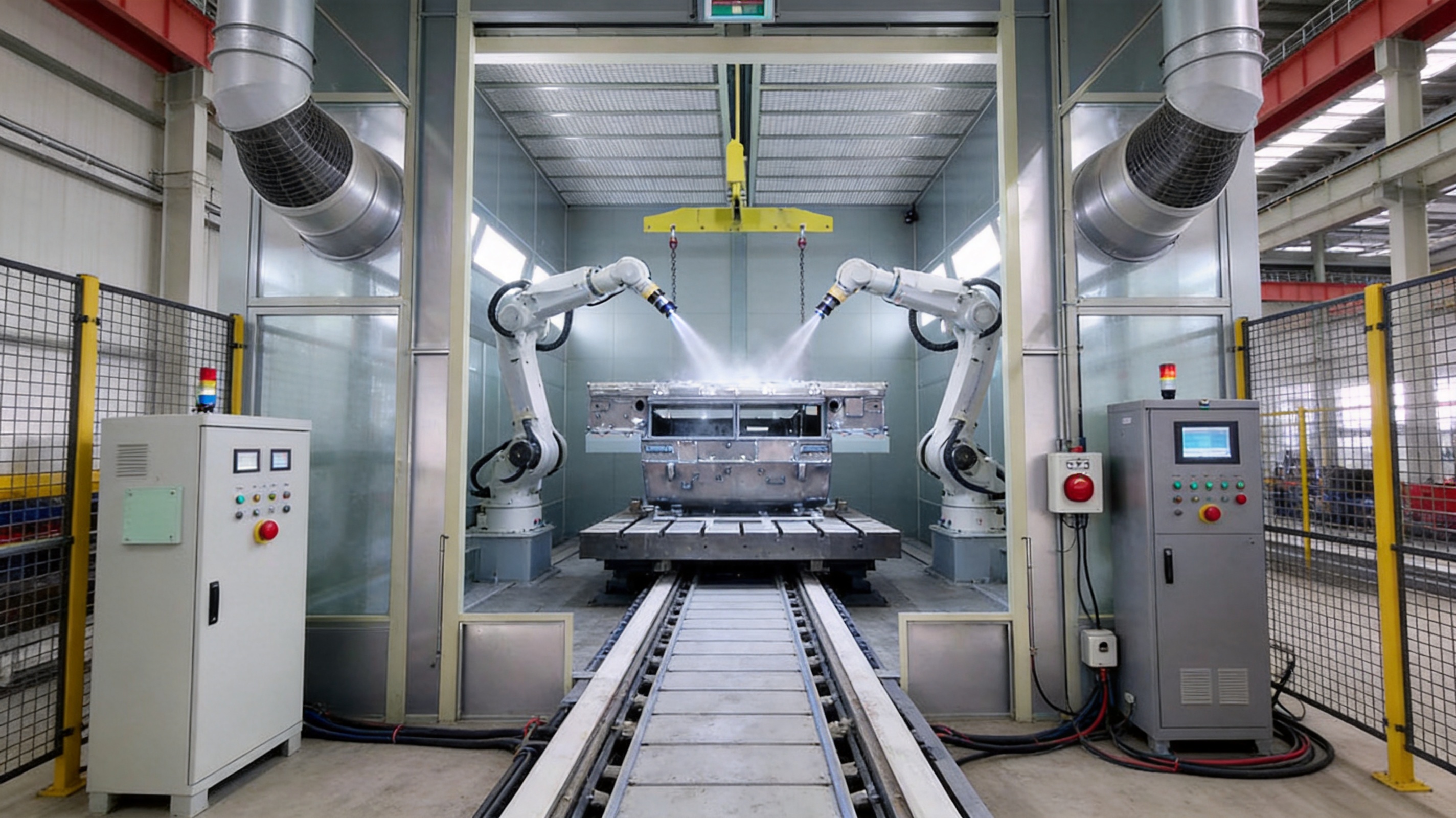
Jiangsu Yue Ze Environmental Protection Equipment Co., Ltd. is an industrial equipment manufacturer located in Yancheng, Jiangsu, China. The company covers approximately 35,000 square meters and has registered capital of 58 million yuan. With more than 40 years of experience in environmental protection and surface treatment equipment, the company provides integrated solutions for industrial coating and related production processes.
Its product scope includes powder coating lines, liquid paint and bake booths, automotive counterweight spray lines, large-part grinding rooms, waste gas treatment equipment, infrared radiation drying systems, automated conveying systems, intelligent coating lines, and other environmental protection equipment. This broad range is relevant to robotic booth projects because a spray booth is rarely isolated from the rest of the factory process.
The company also has experience in customized equipment development. In 2014, it developed a hanging automatic painting process line for cast counterweight blocks. The line covered the process from finishing and polishing through primer and topcoat application. This type of project demonstrates the importance of coordinating material handling, surface preparation, spraying, and finishing for heavy or irregular industrial components.
Successful robotic booth design starts with process analysis rather than equipment selection alone. Engineering teams must understand the workpiece, coating specification, required production rate, existing workshop conditions, and environmental requirements. The equipment can then be designed around the actual application.
Research and development may involve robot path planning, fixture design, airflow analysis, conveyor selection, spray equipment matching, filtration calculations, curing requirements, and control logic. The goal is to create a system that performs reliably under real operating conditions rather than only meeting a nominal equipment specification.
Customized manufacturing is important because factory layouts and workpieces vary considerably. Booth length, width, and height may need to match existing columns, doors, cranes, conveyors, or workshop zones. Large workpieces may require special loading methods, reinforced fixtures, or rotating mechanisms. A project may also require integration with existing pretreatment tanks, ovens, exhaust ducts, or production management systems.
A customized solution can address these conditions through tailored structural design, equipment layout, electrical configuration, control interfaces, and process sequencing. Customization should not be limited to changing the external dimensions of the booth. It should include the relationship between every process stage and the practical needs of the operators and maintenance team.
High-quality equipment manufacturing requires control of materials, fabrication accuracy, electrical assembly, component installation, coating of booth panels, and functional testing. Structural components should be manufactured according to approved drawings, while critical dimensions must be checked before assembly.
Control cabinets should be assembled with organized wiring, clear labeling, appropriate protection, and accessible maintenance points. Fans, filters, sensors, motors, robot interfaces, and safety circuits should be tested as part of the system rather than treated as separate items. Factory testing can identify wiring errors, communication problems, abnormal noise, airflow issues, or sequence conflicts before installation at the customer's site.
Strict quality control also improves serviceability. Components that are easy to inspect, remove, clean, or replace help reduce downtime over the life of the equipment. This is especially important for filter cartridges, powder recovery parts, spray gun components, pumps, sensors, seals, and conveyor wear parts.
A robotic spray booth requires careful installation and commissioning. The equipment must be positioned accurately, connected to power and compressed air, integrated with the conveyor and exhaust system, and tested under operating conditions. Robot paths must be validated against the actual workpiece and fixture.
Commissioning should include dry runs, safety checks, airflow verification, spray pattern adjustment, material flow testing, program optimization, and sample production. The goal is to confirm not only that the robot moves correctly but also that the finished coating meets the required quality standard.
Operator and maintenance training are equally important. Personnel should understand program selection, daily inspection, cleaning procedures, filter monitoring, emergency response, basic troubleshooting, and safe handling of coating materials. Proper training helps protect the equipment investment and supports stable production after handover.
An automatic robotic spray booth can serve as the central spraying section of a complete automatic coating production line. The complete line may include loading, pretreatment, drying, sanding or grinding, primer application, intermediate coating, topcoat application, flash-off, curing, cooling, inspection, and unloading.
Overhead conveyor systems are commonly used when workpieces can be suspended from hooks or carriers. They provide continuous movement and make it possible to coordinate several process stages. Ground conveyors, roller conveyors, chain conveyors, and customized transport mechanisms may be selected for products that cannot be hung or that require special support.
Pretreatment equipment prepares the substrate by removing contaminants and improving coating adhesion. Drying systems remove moisture before coating. Infrared radiation systems may be used where rapid, localized, or energy-efficient heating is desirable. Curing ovens provide the temperature and residence time needed to achieve the required coating performance.
Exhaust treatment equipment is selected according to the emissions generated by the process. The spray booth may be connected to filtration equipment, waste gas purification systems, or other environmental control devices. This integrated approach helps the factory manage both production performance and regulatory responsibilities.
Environmental performance is influenced by the entire coating system. A robotic booth can reduce overspray through accurate application, but it must still be equipped with suitable filtration and exhaust treatment. The design should consider particulate emissions, volatile organic compounds where applicable, powder recovery, filter disposal, wastewater from pretreatment, and solid waste from maintenance and cleaning.
Negative-pressure control is essential for preventing contaminants from escaping the booth. Airflow should be stable and regularly checked. Filters must be monitored for pressure drop and replaced or cleaned according to the manufacturer's instructions. A blocked or overloaded filter can reduce ventilation performance, increase fan energy consumption, and affect coating quality.
Powder coating systems require attention to grounding, static electricity, combustible dust, filter cleaning, and powder accumulation. Liquid paint systems require attention to solvent vapor, ignition sources, ventilation, pump pressure, paint storage, and cleaning solvents. The specific safety measures depend on the materials used and the applicable local standards.
Environmental protection equipment should be designed as part of the original project whenever possible. Adding exhaust treatment or safety equipment after installation may be more expensive and may create layout or performance limitations. Early coordination between the coating process, booth, ventilation, and environmental systems produces a more reliable result.
Purchasers should evaluate more than the robot brand or nominal spraying speed. A complete supplier assessment should include engineering capability, manufacturing quality, process experience, integration capacity, installation support, documentation, spare parts, and after-sales service.
First, the supplier should understand the product geometry and coating requirements. The supplier should be able to explain how the robot will reach cavities, edges, inner surfaces, and hidden areas. It should also explain how the workpiece will be fixed, rotated, grounded, and transferred.
Second, the supplier should calculate the production cycle based on the complete process. The calculation should consider loading, positioning, spraying, transfer, cleaning, color change, curing, inspection, and planned maintenance. A quoted robot speed without a complete cycle analysis may not represent actual production capacity.
Third, the supplier should provide a clear environmental and safety concept. This should include airflow, filtration, negative pressure, emergency shutdown, electrical protection, fire prevention, grounding, and access control. The design should match the coating material and the factory's regulatory obligations.
Fourth, the supplier should demonstrate the ability to manufacture and integrate equipment. A manufacturer that can supply only a robot may not be able to resolve problems involving conveyor synchronization, booth pressure, curing capacity, powder recovery, or waste gas treatment. Integrated manufacturing experience is a significant advantage for complex projects.
Finally, the customer should assess long-term service. Spare parts availability, remote support, maintenance training, technical documentation, and response time can affect the total cost of ownership. A reliable supplier should remain involved beyond delivery and installation.
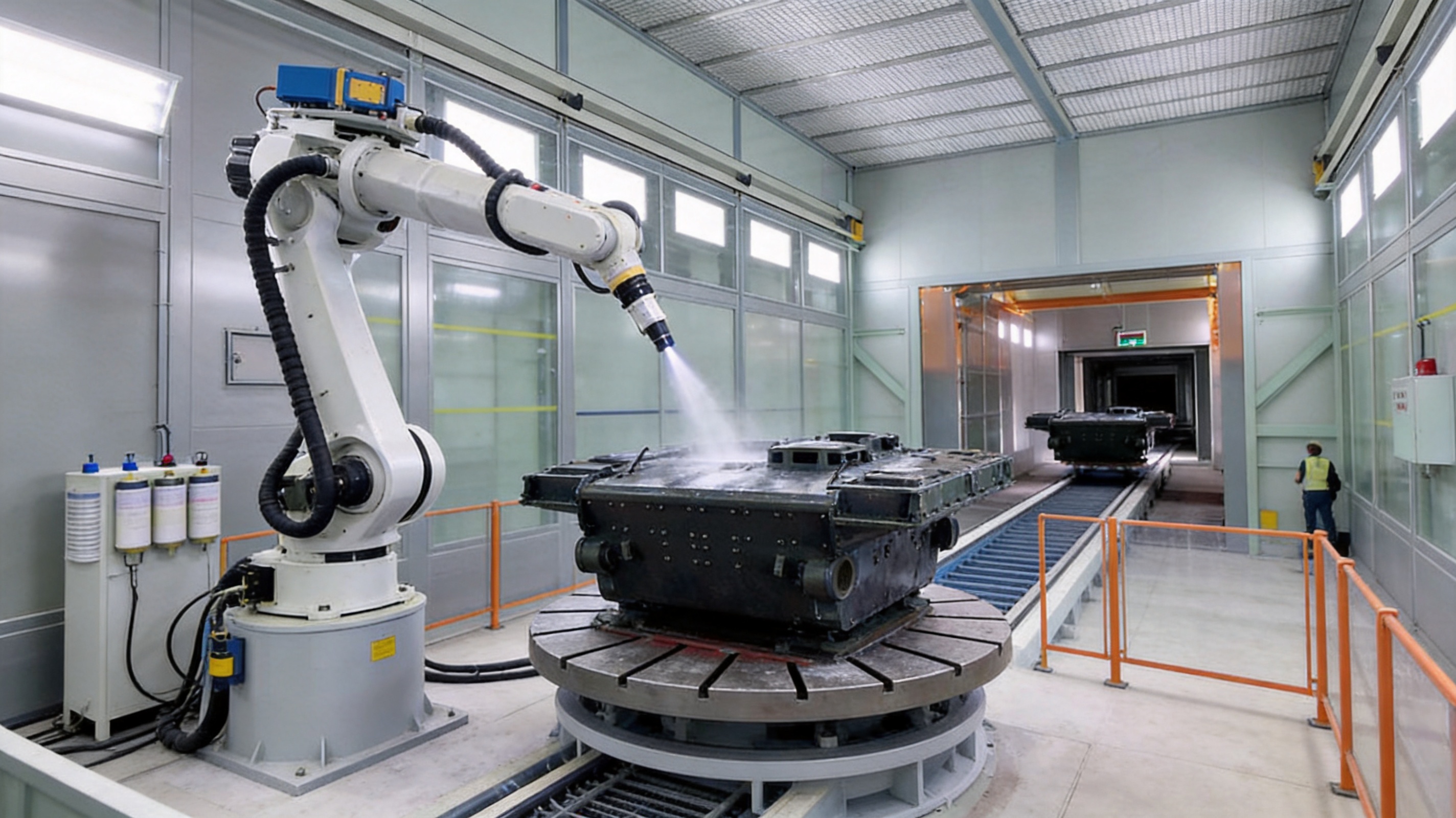
The project begins with a review of workpiece dimensions, weight, material, surface condition, coating type, color range, required film thickness, production quantity, and quality standards. Samples or three-dimensional models may be used to study robot reach and spray coverage.
The engineering team determines the booth position, conveyor route, loading and unloading areas, maintenance access, exhaust duct arrangement, curing oven position, electrical power requirements, compressed air supply, and operator work zones. The layout must provide sufficient clearance for both production and maintenance.
Robot quantity, robot type, spray gun, pump or powder system, positioner, fixture, ventilation capacity, filtration method, control system, and safety devices are selected. The configuration should be based on the required output and workpiece geometry rather than on the maximum specification of individual components.
Robot programs are created and optimized using the workpiece model, sample parts, or trial production. The path should maintain the required spray distance and angle while minimizing unnecessary movement. Special attention should be given to edges, corners, cavities, and transitions between surfaces.
The booth, conveyor, fixtures, control cabinet, filtration units, and auxiliary equipment are manufactured and assembled. Factory testing should verify mechanical operation, electrical circuits, communication, safety interlocks, airflow, program execution, and alarm functions.
After delivery, the system is installed and connected at the customer's facility. The robot is calibrated, conveyor positions are checked, ventilation is adjusted, and sample parts are coated. The process is then optimized until coating quality, cycle time, and safety performance meet the agreed requirements.
Operators and maintenance personnel receive training on daily operation, recipe management, cleaning, filter inspection, troubleshooting, emergency procedures, and preventive maintenance. Technical documents, electrical drawings, operating instructions, spare parts lists, and maintenance schedules should be included in the handover package.
Regular cleaning is essential for stable operation. Booth walls, floors, spray guns, hoses, filters, recovery ducts, and fixtures should be cleaned according to the coating material and production schedule. Powder accumulation should not be allowed to build up in areas where it could affect safety or contaminate another color.
Robot joints, positioners, conveyor components, fans, pumps, and other moving equipment should be inspected according to the maintenance plan. Lubrication, calibration, belt or chain inspection, electrical cabinet cleaning, and sensor testing can help prevent unexpected downtime.
Filter condition should be monitored through pressure readings, airflow checks, visual inspection, and alarm status. A gradual increase in pressure drop may indicate loading or blockage. Filters should be replaced or cleaned before ventilation performance falls below the required level.
Spray quality should be checked regularly through film thickness measurement, appearance inspection, adhesion testing, gloss measurement, and curing verification where applicable. If coating quality changes, the investigation should include the material, surface preparation, spray equipment, robot path, airflow, grounding, conveyor speed, and curing conditions.
Production data can be used to establish preventive maintenance intervals based on actual operating hours, cycle counts, material consumption, and alarm history. This approach is more effective than waiting for a component to fail during production.
The financial value of robotic spraying depends on the relationship between investment and utilization. A system that operates only occasionally may not generate sufficient savings to justify automation. A system used across multiple shifts for standardized products can provide a much stronger return.
Labor savings are one element of the calculation, but they should not be considered in isolation. Material utilization, defect reduction, lower rework, improved output, reduced production interruptions, better product consistency, and workplace improvements may also contribute to the return.
A practical evaluation should compare the current manual process with the proposed automated process using measurable data. Important inputs include the number of operators per shift, annual labor cost, average coating consumption, scrap and rework rate, production volume, operating hours, maintenance cost, energy consumption, filter and waste disposal costs, and expected equipment service life.
The analysis should also consider the value of additional capacity. If the robotic booth allows the factory to accept more orders without building another workshop or adding a large number of operators, the resulting revenue opportunity may be significant. A detailed feasibility study helps ensure that the equipment configuration is neither undersized nor unnecessarily complex.
Automatic robotic spray booths are suitable for automotive components such as counterweights, frames, brackets, wheels, body components, and structural assemblies. The system can be configured for primer and topcoat operations, powder coating, or specialized protective finishes.
Mechanical equipment manufacturers can use robotic booths for pumps, housings, agricultural machinery, construction equipment, metal cabinets, machine frames, and fabricated assemblies. These products often contain large flat surfaces combined with corners, brackets, cavities, and structural members.
Municipal product manufacturers may apply the technology to street furniture, lighting poles, guardrail components, waste containers, signage structures, and decorative or functional manhole covers. Robotic programming helps standardize appearance across large batches of outdoor products.
Industrial foundries and heavy-component manufacturers can benefit from automated coating when parts are large, heavy, or difficult to handle manually. In these applications, the conveyor, lifting equipment, fixture, and positioner are as important as the robot itself.
Artistic and decorative metal products may also be processed in robotic booths when repeatable color and surface quality are required. Multiple programs allow different product designs to be handled on the same production line, while controlled spraying helps reduce visible differences between batches.
Robotic coating systems are developing toward greater intelligence, connectivity, and process feedback. Vision systems may help identify workpieces, verify their orientation, detect missing parts, or support adaptive path selection. Sensors can monitor material flow, airflow, temperature, humidity, pressure, and equipment condition.
Digital production records can connect the coating process with factory management systems. Managers may review output, alarm history, material usage, recipe versions, and maintenance information. This supports traceability and continuous improvement.
Data analysis can also help identify the causes of defects. If a coating problem occurs only at a specific conveyor speed, temperature, workpiece orientation, or robot program, production data can make the pattern easier to recognize. Over time, this information can support more accurate process optimization.
Future systems may also use more advanced path planning, automatic spray parameter adjustment, improved powder recovery, energy-efficient ventilation, and smarter curing control. However, advanced functions remain effective only when the basic equipment design, surface preparation, material selection, and maintenance procedures are reliable.
The robot follows a programmed path with controlled spray distance, angle, speed, and trigger timing. This reduces the variation commonly associated with manual spraying and helps maintain a more uniform film thickness and appearance from one workpiece to the next.
Yes. Multiple robot programs can be stored for different product geometries. The operator or production control system can select the correct program for each workpiece. Flexible fixtures, positioners, and product identification systems may be added when mixed production is required.
No. A six-axis robot is useful for complex three-dimensional parts, but simpler products may be processed with a different robot or automatic spraying mechanism. The correct configuration depends on workpiece geometry, access requirements, throughput, and coating specification.
Yes. The booth can be equipped with an electrostatic powder spraying system, powder supply unit, recovery equipment, filters, and suitable grounding. The final configuration should account for powder type, color changes, workpiece geometry, recovery requirements, and curing conditions.
Yes. Liquid paint applications can use suitable spray guns, pumps, tanks, regulators, and exhaust treatment equipment. The system must be designed according to paint viscosity, solvent content, application method, flash-off requirements, and curing process.
Suitable products include automotive components, mechanical parts, heavy castings, municipal facilities, metal structures, machine frames, cabinets, agricultural equipment, and other parts produced in repeatable quantities. Extremely irregular products may still benefit from robotics when suitable programming and positioning equipment are available.
Robotic control maintains a more accurate spray path and reduces unnecessary application. In powder coating, recovery equipment can collect suitable overspray for reuse. Actual material savings depend on the workpiece, coating material, program quality, recovery design, color changes, and operating practices.
Return on investment depends on production volume, labor cost, coating consumption, defect rate, number of shifts, equipment utilization, and maintenance expenses. High-volume standardized production generally offers the strongest economic case. A project-specific calculation should be completed before purchase.
No. It reduces the need for continuous manual spraying but still requires trained personnel for loading, unloading, inspection, material handling, cleaning, maintenance, program management, and safety supervision.
Surface pretreatment is essential. Oil, rust, dust, moisture, and other contaminants can cause poor adhesion, blistering, corrosion, pinholes, and premature coating failure. Robotic spraying improves application repeatability, but it cannot correct an inadequately prepared surface.
In many cases, yes. The robot booth can be designed to interface with overhead conveyors, ground conveyors, pretreatment systems, drying equipment, curing ovens, inspection areas, and factory control systems. Compatibility should be reviewed during the engineering stage.
The purchaser should confirm workpiece dimensions and weight, coating type, required finish, production volume, cycle time, color range, booth dimensions, ventilation requirements, robot reach, fixture design, power and compressed-air needs, safety provisions, environmental treatment, installation scope, training, spare parts, and after-sales service.
An integrated manufacturer can coordinate the robot with the booth, conveyor, filtration, recovery, pretreatment, drying, curing, and environmental systems. This reduces interface risks and makes it easier to develop a solution that fits the customer's production process and factory layout.
Long-term reliability depends on sound structural design, appropriate component selection, accurate installation, effective filtration, easy maintenance access, stable software and control systems, operator training, regular cleaning, and timely replacement of wear parts.
An automatic robotic spray booth provides a practical path toward cleaner, more consistent, and more efficient industrial coating. Its programmable robot controls application movement, while the enclosed booth, ventilation, filtration, workpiece positioning, and production controls create a stable coating environment.
The system offers clear advantages over conventional manual spraying when production volume, repeatability, worker safety, material utilization, and standardized quality are important. It can handle complex workpieces, store multiple product programs, support continuous production, and connect with conveyors, pretreatment systems, curing ovens, exhaust treatment equipment, and digital factory management platforms.
The value of the equipment depends on proper engineering. Robot reach, fixture design, spray technology, airflow, filtration, curing, safety, and maintenance must be considered as one coordinated system. A manufacturer with experience in powder coating lines, paint and bake booths, automated conveying, environmental protection, drying systems, and customized production equipment can provide more than a standalone robot. It can develop a complete solution around the customer's products, capacity requirements, workshop conditions, and future expansion plans.
Jiangsu Yue Ze Environmental Protection Equipment Co., Ltd. combines customized equipment manufacturing with long-term experience in industrial surface treatment and environmental protection systems. Its capabilities in research and development, manufacturing, installation, commissioning, and integrated line design support customers seeking reliable robotic coating automation for automotive parts, mechanical equipment, heavy components, municipal products, and other industrial applications.
For factories planning to improve coating quality, reduce manual dependence, control material consumption, and build a more intelligent production line, an automatic robotic spray booth can become a central part of a modern finishing operation.
1. Industrial coating process planning principles, including surface preparation, spray application, drying, curing, inspection, and process control.
2. General industrial ventilation and exhaust filtration practices for enclosed spray booth applications.
3. Powder coating process engineering principles covering electrostatic application, powder recovery, grounding, curing, and material utilization.
4. Industrial robot programming and safety practices for automated coating cells.
5. Manufacturing equipment maintenance principles for robots, conveyors, spray systems, fans, filters, pumps, sensors, and control cabinets.
6. Environmental protection and waste management practices for industrial painting and powder coating operations.
7. Jiangsu Yue Ze Environmental Protection Equipment Co., Ltd. product information, company profile, engineering capabilities, and automatic coating line experience supplied for this article.
An automatic robotic spray booth is an intelligent, unmanned coating system. Equipped with a robot spraying system, constant temperature air circulation, and a high-efficiency exhaust filtration syste...
See Details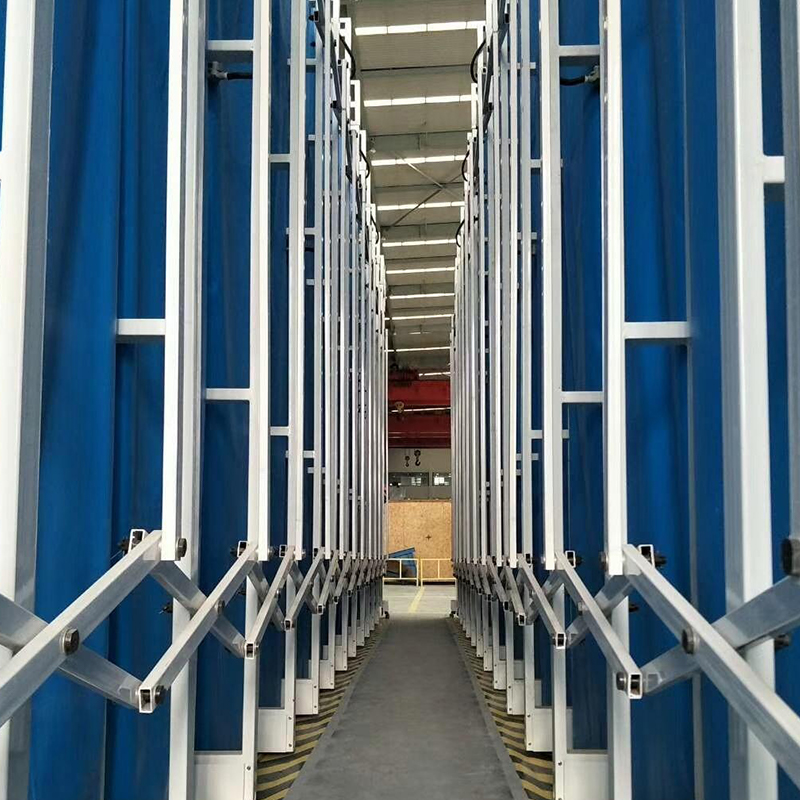
The retractable mobile spray & sanding booth is a flexible, space-saving, and multi-functional coating workstation. With a telescopic movable structure and integrated dust & paint mist filtrat...
See Details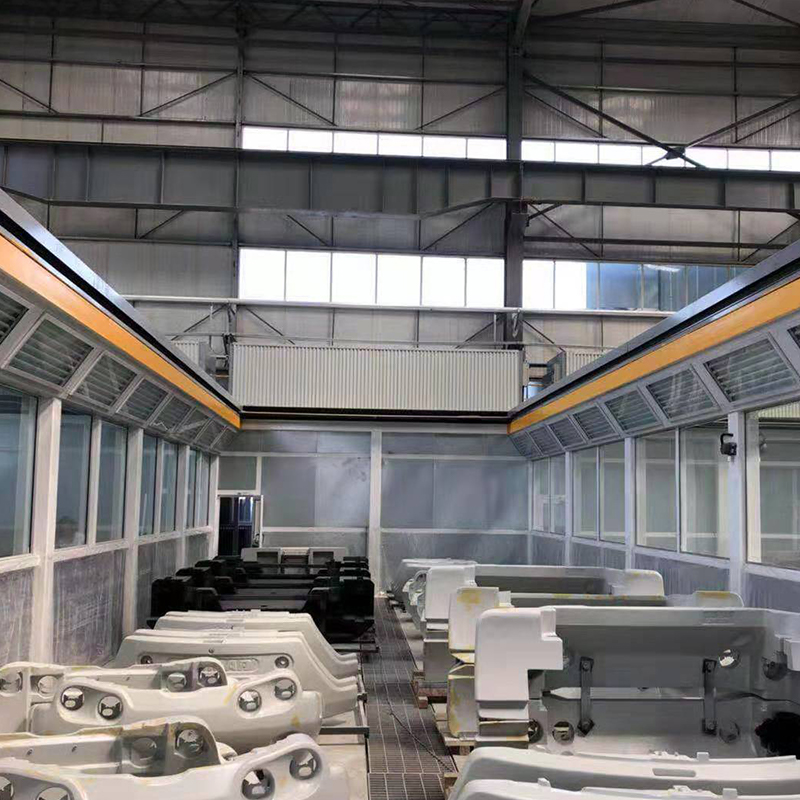
The retractable mobile spray & sanding booth is a flexible, space-saving, and multi-functional coating workstation. With a telescopic movable structure and integrated dust & paint mist filtrat...
See Details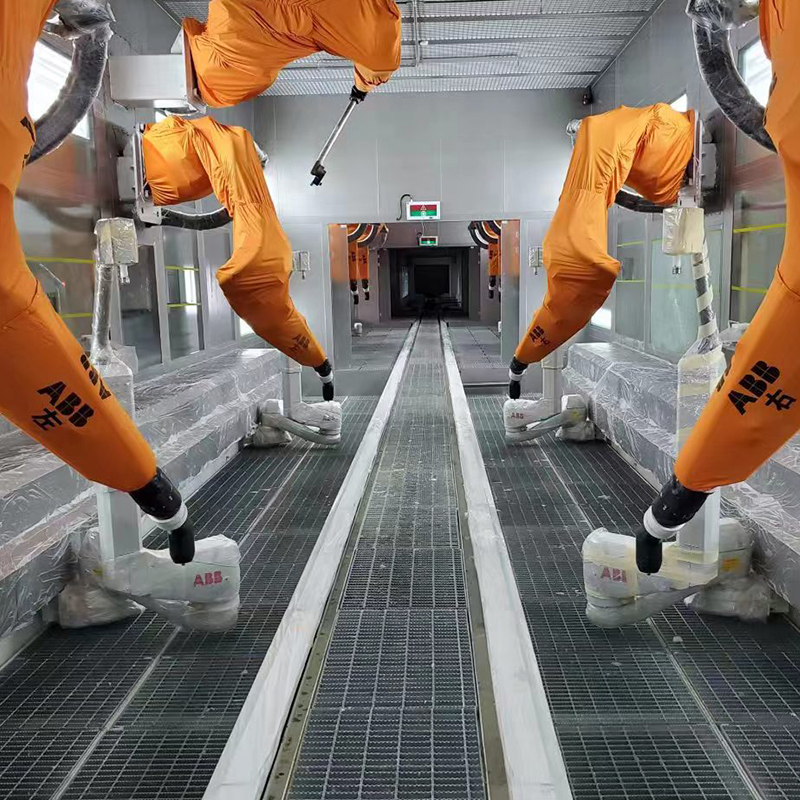
Professional spray coating line specially designed for motor casings, applicable to various motor casing types (electric vehicle motor casing, industrial motor casing, household motor casing, high-tem...
See Details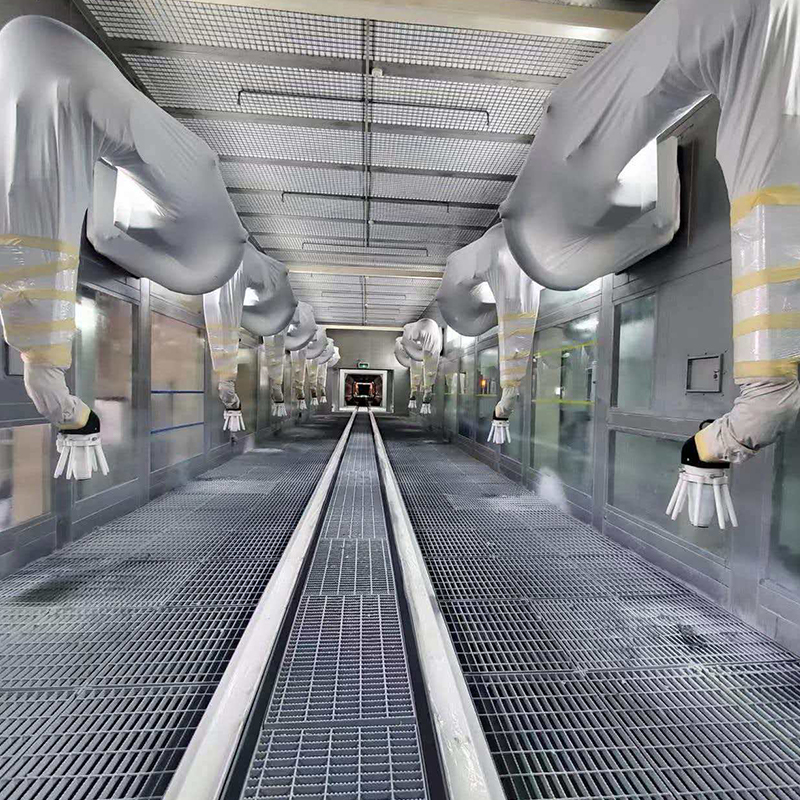
Professional spray coating line specially designed for car wheel manufacturing and refurbishment, applicable to various car wheel types (steel wheel, aluminum alloy wheel, forged wheel, cast wheel, pa...
See Details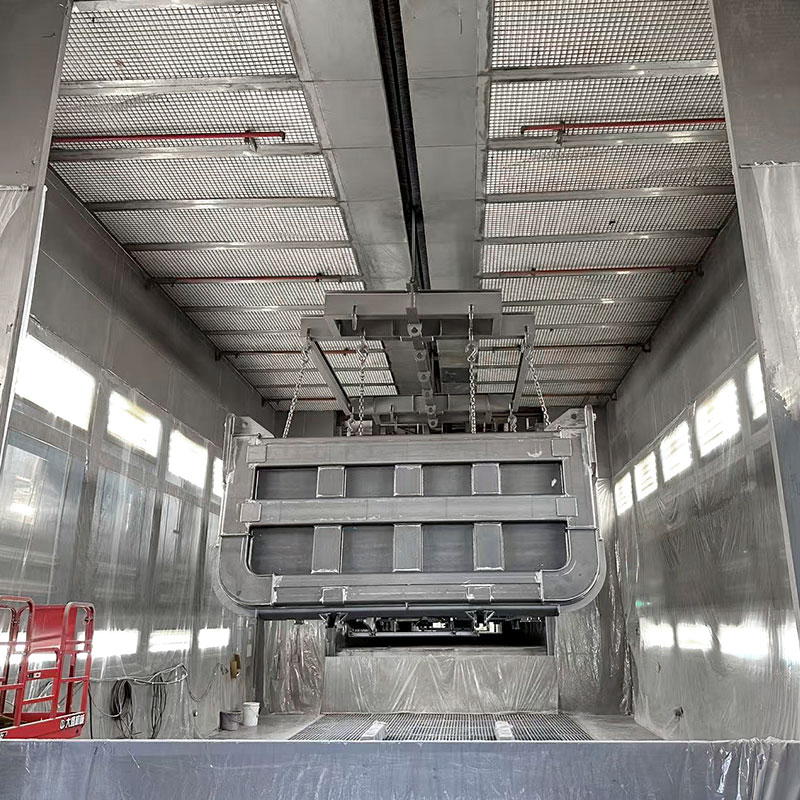
Manual spray booth is a small & economical painting workstation, designed for manual spraying operation. Equipped with efficient paint mist filtration and exhaust system, it ensures clean air and ...
See DetailsBuild Your Customized Industrial Coating System
Send us your workpiece information, production capacity, coating process, workshop layout, and environmental requirements. Yueze will help evaluate your project and develop a suitable coating, conveying, drying, and environmental treatment solution.
Main menu
Products
Contact Us
Company Address:
No. 12, Park Avenue, Shanggang Industrial Park, Jianhu, Yancheng City, Jiangsu Province
Message Us Right Now!

Follow us: