
 русский
 عربى
عربى
 Tiếng Việt

Professional coating line dedicated to truck body manufacturing and refurbishment, applicable to various truck types (heavy-duty truck, light-duty truck, pickup truck, van, commercial truck). Main typ...
See Details
Yueze Environmental Protection provides one-stop compliant industrial surface treatment solutions with professional tech and fine craftsmanship.
 Get Inquiries
2026-08-27
Content
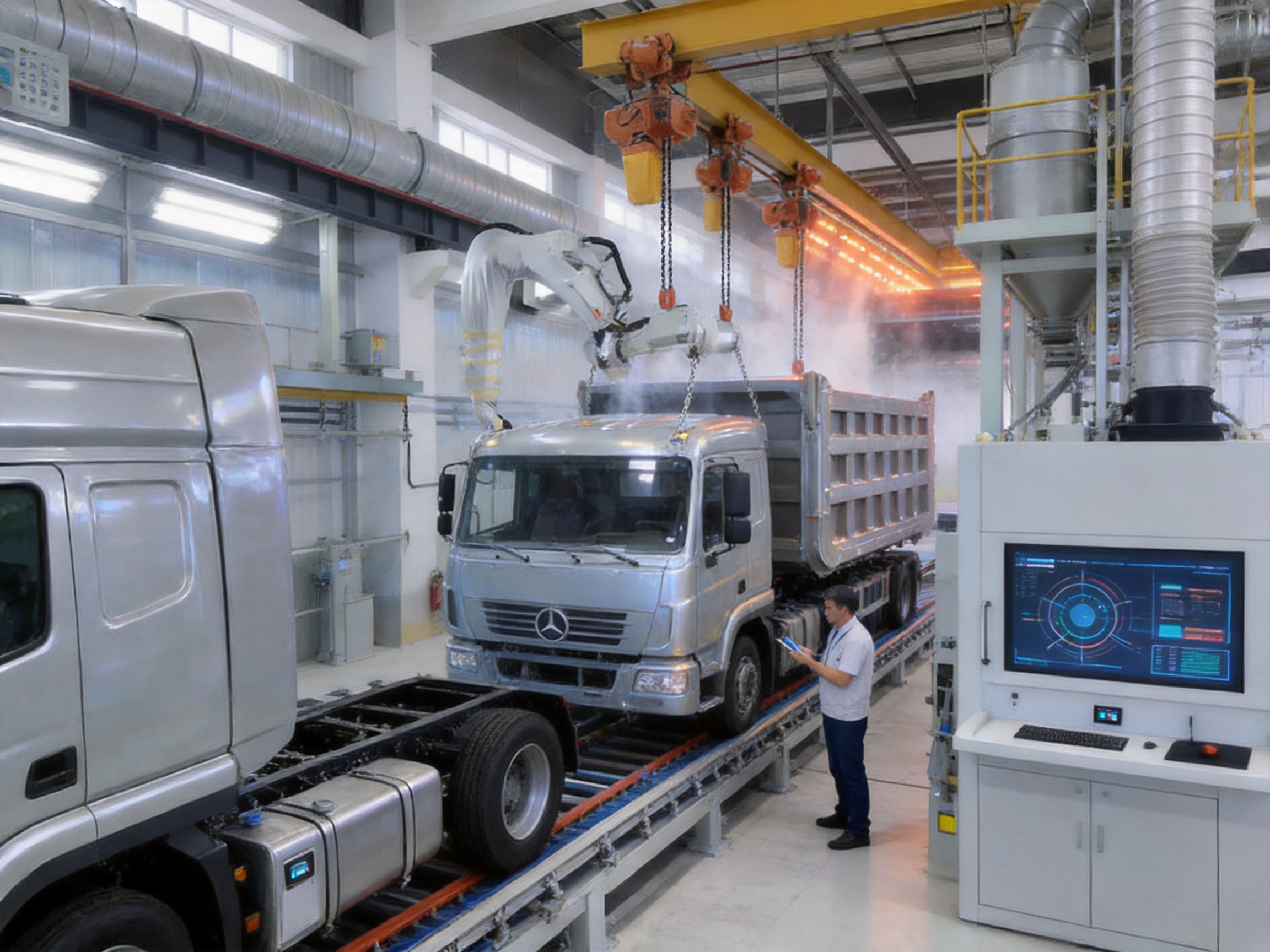
Truck body manufacturing requires a coating system capable of handling large dimensions, heavy workpieces, complex geometries, strict appearance requirements, and demanding anti-corrosion performance. A truck body coating line is an integrated production system designed to clean, pretreat, prime, paint, dry, cure, convey, and inspect truck bodies or related large metal structures in a controlled industrial environment.
Unlike a coating line designed for small components or passenger-car panels, a truck body line must accommodate wide cargo boxes, large cab shells, commercial vehicle panels, pickup bodies, van bodies, chassis-mounted structures, and other oversized assemblies. Every major element must therefore be engineered around the actual body dimensions, workpiece weight, production volume, coating materials, required finish, and factory layout.
A properly designed line delivers more than paint application. It provides a complete surface-treatment solution that improves corrosion resistance, coating uniformity, production efficiency, environmental performance, and operational consistency. It can combine pretreatment, electrostatic or conventional spraying, infrared drying, hot-air curing, waste-gas treatment, automated conveying, paint mist recovery, and intelligent process control within one coordinated system.
For truck manufacturers, body refurbishment facilities, commercial vehicle producers, and specialized coating contractors, the right production line can significantly reduce manual handling, shorten cycle times, improve first-pass yield, and create a more stable working environment. It also provides the flexibility needed to process different truck body specifications without rebuilding the entire factory.
A truck body coating line is a series of interconnected equipment modules used to prepare, coat, dry, cure, and inspect truck body components. Depending on the product and coating specification, the line may process cargo boxes, truck cabins, van bodies, pickup bodies, commercial vehicle panels, drawer-type bus bodies, chassis-mounted sheet-metal assemblies, and other large fabricated structures.
The system generally includes a loading area, pretreatment section, drying section, primer booth, primer drying or curing zone, topcoat booth, final curing equipment, cooling area, inspection station, and unloading or assembly interface. Additional equipment may include conveyors, filtration systems, paint circulation systems, heating units, infrared radiation systems, ventilation devices, waste-gas purification equipment, fire-protection components, and automatic control cabinets.
The configuration is not identical for every customer. A line for high-volume truck cab production may emphasize automated spraying, precise conveying, and rapid curing. A line for refurbishment operations may require more flexible loading, wider process windows, and manual or semi-automatic spray stations. A line for cargo boxes may require particularly large booth dimensions and carefully controlled airflow to maintain uniform film thickness on broad, flat surfaces.
The main purpose is to create a repeatable surface-treatment process. Instead of relying on independent workshops and disconnected manual operations, the workpiece moves through planned stages at a controlled speed. This makes process parameters easier to monitor and enables the manufacturer to maintain consistent coating quality across different production batches.
A truck body coating line can be adapted for a wide range of vehicle types and manufacturing requirements. Common applications include heavy-duty trucks, light-duty trucks, pickup trucks, vans, commercial trucks, municipal vehicles, special-purpose vehicles, and trailer-related structures.
It can also be configured for truck cab spraying, cargo box coating, anti-corrosion treatment, new-body painting, refurbishment, repair coating, and customized commercial vehicle production. Some customers require a complete pretreatment, coating, and curing line, while others need only a large-format spray booth, infrared drying system, conveyor, or waste-gas purification module.
Because truck body designs vary considerably, the line should be developed from actual workpiece drawings or dimensional data. Important factors include maximum length, width, height, weight, opening direction, lifting points, surface material, weld configuration, coating system, and required daily output.
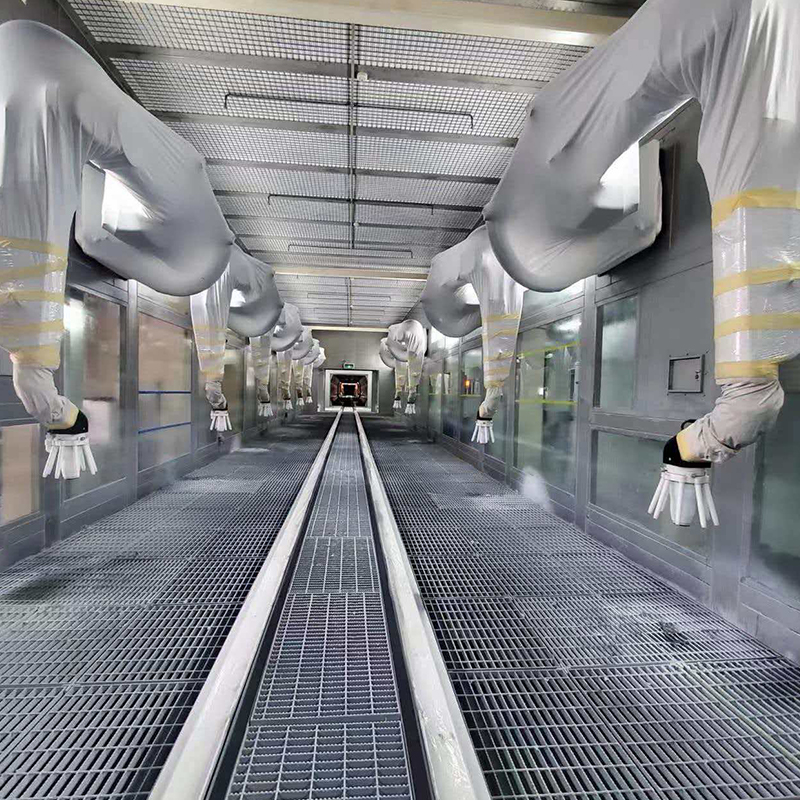
Truck Body Coating Line
Truck bodies are not simply larger versions of passenger-car panels. Their dimensions, construction methods, surface shapes, and production conditions create different engineering challenges. A line that is suitable for small automotive parts may not provide enough clearance, load capacity, airflow volume, or curing capacity for truck body production.
A cargo box or truck cab shell may occupy a large volume and place considerable load on the conveyor. The conveying system must support the workpiece safely while maintaining stable movement through every process zone. Structural strength, hanger design, drive capacity, track layout, turning radius, and emergency stopping performance must all be considered.
If the conveyor is undersized, vibration and unstable movement can affect spray quality. If the booth is too narrow, operators or automatic spray devices may not reach the required angles. If the door clearance is insufficient, loading and unloading become slow and unsafe. A dedicated truck body line eliminates these limitations by defining the equipment around the workpiece rather than forcing the workpiece into equipment designed for smaller products.
Truck bodies often contain large, flat panels where uneven film thickness, dry spray, streaking, overspray, or gloss variation is easy to see. On a small component, a minor coating variation may be less noticeable. On a large cargo box, the same variation can affect the visual quality of the entire vehicle.
Stable airflow is therefore essential. The spray booth must maintain an appropriate air velocity, pressure balance, filtration level, and exhaust path. The air movement should carry overspray away from the workpiece without disturbing the atomized paint pattern. Filters, ducts, fans, and air-supply units must be selected for the booth volume and expected paint load.
Truck bodies include corners, seams, folded edges, reinforcement structures, welded joints, mounting points, and interior sections. These areas may be vulnerable to insufficient coating coverage or excessive paint accumulation. A well-designed process combines suitable pretreatment, spray-gun positioning, manual touch-up access, and curing control to ensure that difficult areas receive the required protection.
Truck bodies may require primers, high-build coatings, anti-corrosion coatings, color coats, clear coats, or specialized protective finishes. The line must be compatible with the selected coating materials and their flash-off, drying, curing, ventilation, and temperature requirements.
For example, a corrosion-resistant primer may require a specific drying condition before the topcoat is applied. A water-based coating may require greater humidity and airflow control than a solvent-based material. Powder coating, where applicable to selected components, requires its own application and curing parameters. The equipment should be designed around the actual coating technology rather than selected only according to booth size.
A complete truck body coating line normally consists of several connected stages. The exact sequence can be adjusted according to the coating specification, production output, workpiece material, and degree of automation.
At the loading station, truck bodies or body panels are placed on fixtures, carriers, racks, or lifting devices. The fixture must support the workpiece without blocking important coating surfaces. It should also permit safe handling and allow the conveyor to maintain a stable center of gravity.
Before pretreatment, operators may remove loose debris, weld spatter, temporary protective materials, oil, and other contaminants. Masking may be applied to glass mounting areas, threaded holes, electrical interfaces, identification plates, sealing surfaces, and other zones that must remain free of coating.
Pretreatment is the foundation of coating durability. Oil, dust, oxidation, welding residue, and other contaminants can reduce adhesion and create premature corrosion if they are not removed properly. Depending on the material and process design, pretreatment may include degreasing, water rinsing, surface conditioning, phosphating, passivation, abrasive cleaning, or other chemical and mechanical methods.
The selected process depends on whether the truck body is made from carbon steel, galvanized steel, aluminum, or a combination of materials. Chemical concentration, bath temperature, spray pressure, contact time, water quality, and drainage must be controlled. Poor drainage can allow pretreatment liquid to remain in seams or cavities, which may later cause coating defects or corrosion.
A modern line can include circulation tanks, filtration equipment, heating units, dosing systems, spray pumps, overflow management, and wastewater-related control. These elements help maintain stable pretreatment conditions and reduce unnecessary chemical consumption.
After rinsing, the body must be dried before primer application. Moisture trapped in seams, folded edges, or hollow sections can cause blistering, poor adhesion, or flash rust. A drying section may use heated air circulation, controlled exhaust, or a combination of air movement and thermal energy.
The drying temperature must match the workpiece material and any restrictions related to sealants, plastics, adhesives, or pre-installed components. Excessive temperature can damage sensitive parts, while insufficient drying can compromise the next stage.
Primer provides an important bonding layer and contributes to corrosion resistance. It can also improve the appearance and durability of the final coating. Primer application may be manual, semi-automatic, or fully automatic, depending on production volume and body design.
Automatic systems can use reciprocators, multi-axis equipment, fixed spray guns, or programmable movement systems. Manual stations remain useful for complicated areas, low-volume products, product changes, and localized touch-up. A practical line often combines automation for large repetitive surfaces with operator access for difficult geometries.
Spray booth design is especially important at this stage. The booth should offer sufficient working width, height, lighting, filtration, ventilation, and access. The internal surfaces should be easy to clean, and the air-handling system should reduce the risk of dust contamination.
After primer application, the body enters a drying or curing zone. The appropriate technology depends on the coating material and production objective. Hot-air circulation is widely used for controlled thermal drying, while infrared radiation can provide rapid energy transfer to broad metal panels.
Infrared radiation drying is particularly useful for large, relatively flat truck body surfaces. It can heat the coating and substrate efficiently, reducing the time required for the primer to reach the condition needed for the next process. The infrared system must be designed to avoid excessive heating, uneven energy distribution, or damage to sensitive components.
The topcoat provides the final color, gloss, texture, and protective performance. Stable paint atomization, correct spray distance, suitable overlap, controlled booth airflow, and consistent workpiece speed are necessary for a high-quality result.
Large flat surfaces require careful control of spray pattern and paint delivery. Excessive overlap can cause heavy film areas, while insufficient overlap may produce striping or color variation. Automated spray equipment can improve repeatability when body models and process parameters are standardized. For customized products, operators may need greater flexibility and access.
The coating line can be designed for one-color or multi-color production. Model switching may be supported through recipe management, adjustable spray programs, changeable fixtures, variable conveyor speed, and flexible booth operation.
Final curing develops the required hardness, adhesion, chemical resistance, and long-term durability of the coating system. The curing method may use hot air, infrared radiation, or a combined approach. Temperature uniformity is important because truck bodies contain large surfaces with different heat absorption characteristics.
The curing section should be sized according to body length, production takt time, coating chemistry, and target temperature. Insulation quality, burner or heating-element efficiency, air circulation, exhaust balance, and control accuracy all influence energy consumption and finish quality.
After curing, the body may pass through a cooling or stabilization area before inspection. Inspection personnel check color, gloss, film appearance, adhesion, edge coverage, surface cleanliness, runs, sags, pinholes, orange peel, dry spray, and other potential defects.
Inspection can be performed manually, with measurement instruments, or through additional visual and digital systems. The quality data can be used to adjust spray parameters, filter replacement schedules, booth pressure, curing settings, and pretreatment conditions.
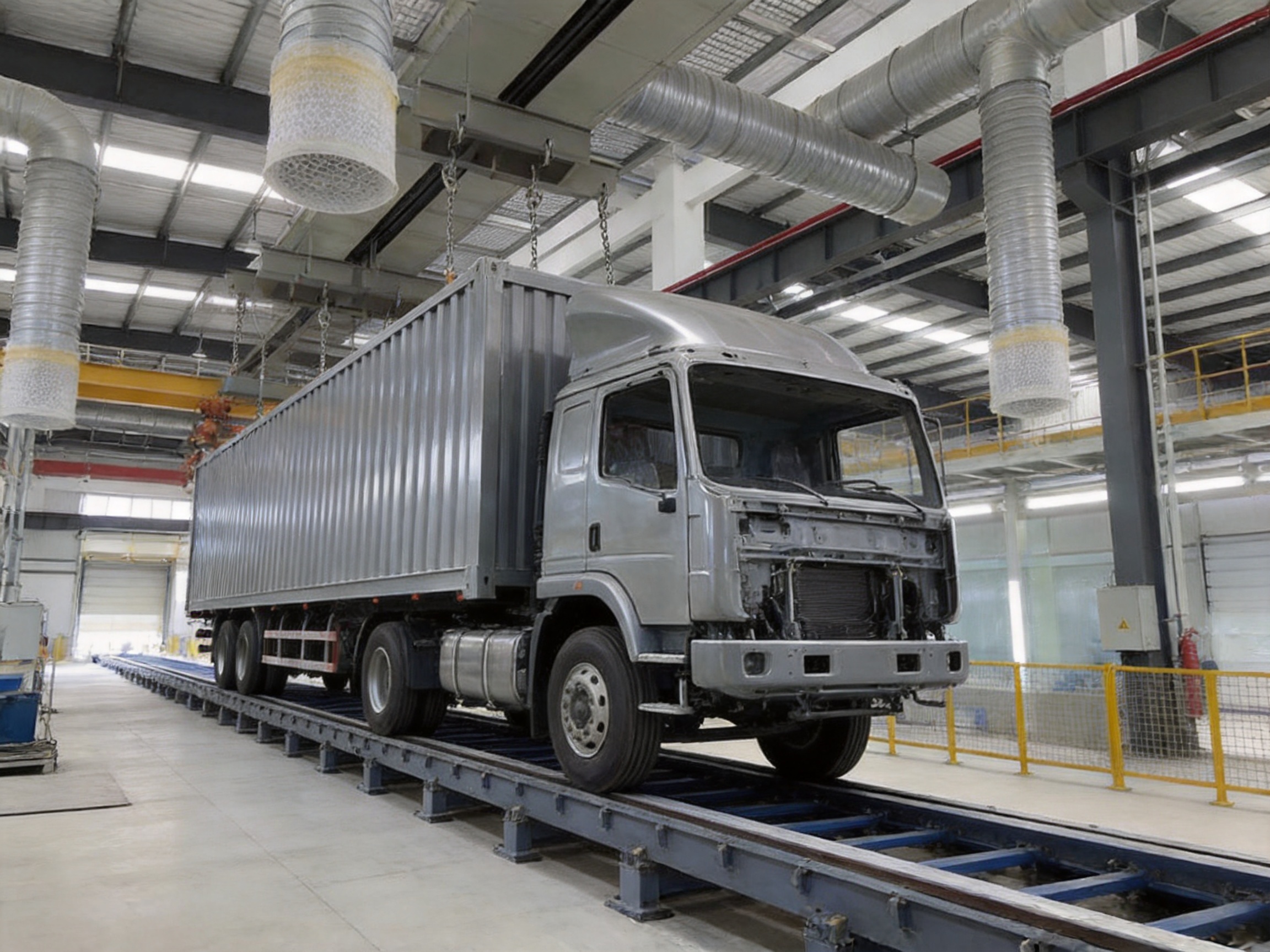
The conveyor is the backbone of the production line. It determines how the workpiece moves between stages and directly affects output, safety, and process stability. For truck body applications, the conveyor must be engineered for high load capacity and large clearances.
Possible configurations include overhead conveyors, floor conveyors, reciprocating transfer systems, powered roller systems, chain conveyors, and customized carrier systems. Selection depends on workpiece weight, factory layout, loading method, booth arrangement, and required flexibility.
A well-designed conveyor provides smooth acceleration and deceleration, reliable positioning, low vibration, accessible maintenance points, and safe emergency-stop functions. It should also support model changes without requiring extensive mechanical modification.
The spray booth provides a controlled environment for primer and topcoat application. Its dimensions must allow the largest truck body to enter, rotate or pass through safely, and receive coating from the required spray angles.
Important booth features include corrosion-resistant construction, suitable lighting, efficient filtration, balanced supply and exhaust air, easy-clean internal surfaces, access doors, maintenance platforms, and fire-safety provisions. The air-handling system should be selected according to booth volume, paint type, solvent load, spray method, and environmental requirements.
For high-quality finishes, clean air is essential. Dust, fibers, oil mist, and unfiltered particles can become embedded in the wet coating. A controlled booth reduces these risks and improves the consistency of the final appearance.
Heating equipment supports pretreatment drying, primer drying, topcoat curing, and final curing. Hot-air systems use fans and heat sources to circulate controlled air through the chamber. Infrared systems transfer energy directly to the coating and metal surface.
Infrared radiation can help shorten curing cycles for large panels and may reduce the volume of heated air required. However, the system must be designed with appropriate emitter arrangement, distance, shielding, temperature monitoring, and control logic. The correct technology depends on the coating chemistry, workpiece material, and required throughput.
Paint supply equipment may include tanks, pumps, pressure regulators, filters, hoses, mixing systems, spray guns, atomizing devices, and cleaning stations. For automatic systems, the control cabinet can manage paint flow, spray timing, gun movement, and process recipes.
The application method may be air spray, airless spray, air-assisted airless spray, electrostatic liquid spraying, or another process selected for the coating material and product geometry. The system should provide stable atomization and allow operators to adjust flow, pressure, fan width, and spray distance.
Overspray management is important for both finish quality and environmental protection. Filtration equipment captures paint particles before exhaust air leaves the booth. Depending on the coating system, the line may use dry filters, water-wash arrangements, multistage filtration, or other treatment methods.
A high paint mist recovery rate reduces the amount of coating material released into the exhaust system and helps keep booth surfaces cleaner. It may also reduce maintenance frequency and improve the working environment.
Large truck bodies require a relatively high volume of coating material, which can increase volatile organic compound and particulate emissions. Waste-gas purification equipment is therefore an important part of a compliant line.
Potential treatment technologies include adsorption, filtration, catalytic oxidation, thermal oxidation, condensation, and combinations of different methods. The appropriate configuration depends on exhaust composition, concentration, air volume, local regulations, coating materials, and operating conditions.
A complete environmental solution should consider collection, transport, purification, monitoring, maintenance, and safe discharge. Treatment equipment should be integrated with the booth and control system rather than added as an afterthought.
| Design Area | Dedicated Truck Body Line | General-Purpose Equipment |
|---|---|---|
| Workpiece clearance | Designed around large truck body dimensions and access requirements | May require restricted loading or multiple coating cycles |
| Conveyor capacity | Engineered for heavy and oversized assemblies | Often intended for smaller or lighter components |
| Airflow control | Configured for broad panels and large booth volumes | May not provide uniform conditions across large surfaces |
| Production efficiency | Supports continuous or planned assembly-line operation | Often depends on manual transfer between separate stations |
| Model flexibility | Can include adjustable fixtures, recipes, and clearances | Changes may require significant manual adjustment |
| Curing performance | Uses heating or infrared systems sized for large metal bodies | May produce long cycles or uneven temperature distribution |
| Environmental integration | Designed with filtration and waste-gas treatment as part of the system | Environmental equipment may be incomplete or disconnected |
| Future expansion | Modular structure supports upgrades and capacity changes | Expansion may be difficult because equipment is not coordinated |
A truck body line can be arranged to provide better access to exterior panels, internal surfaces, corners, lower edges, and welded sections. Conveyor orientation, fixture design, spray-gun position, and booth width can be coordinated to minimize areas that are difficult to reach.
This is especially valuable for truck bodies with deep cavities, reinforcement members, multiple access openings, or large exterior faces. Better coverage reduces the probability of exposed metal and helps establish a more reliable anti-corrosion barrier.
Controlled movement and stable booth conditions improve the consistency of paint deposition. A uniform film contributes to attractive appearance, predictable performance, and reduced rework.
Uniformity depends on more than spray equipment. It also requires appropriate paint viscosity, clean filters, stable air pressure, correct spray overlap, steady conveyor speed, and a coating recipe suited to the body design. An integrated line makes it easier to coordinate these parameters.
Automated conveying reduces repeated manual lifting, pushing, and repositioning. Fixed process stations make the workflow easier to organize and can reduce unnecessary waiting between pretreatment, spraying, drying, and inspection.
Production efficiency also improves when fixtures, booth doors, heating systems, and spray equipment are synchronized. The line can be designed around a target takt time so that each process stage provides the required capacity without creating avoidable bottlenecks.
Truck bodies operate in demanding environments that may include rain, snow, road salt, mud, dust, industrial chemicals, and frequent temperature changes. A well-controlled pretreatment and coating process improves adhesion and reduces the risk of corrosion developing beneath the coating.
Multi-layer systems can combine pretreatment, primer, intermediate coating, and topcoat protection. The exact system should be selected according to the metal substrate, vehicle application, expected service environment, and customer specification.
Truck bodies are often visible advertising surfaces for commercial fleets. Color consistency, gloss, texture, and clean edges can influence brand presentation and customer perception. A controlled coating environment reduces dust contamination and helps maintain a repeatable appearance across multiple vehicles.
Many manufacturers produce more than one truck model or body style. A modular line can support different dimensions through adjustable fixtures, programmable spray recipes, variable conveyor speed, and suitable booth clearance.
Flexibility is particularly important for companies that process both new products and refurbishment orders. The line may be configured with manual work zones alongside automatic equipment so that high-volume standard bodies and low-volume customized bodies can be processed efficiently.
The performance of a truck body coating line depends heavily on the engineering and manufacturing capability of the equipment supplier. A reliable supplier must understand mechanical structures, thermal systems, ventilation, coating technology, environmental treatment, automation, safety, installation, and after-sales support.
Jiangsu Yue Ze Environmental Protection Equipment Co., Ltd. operates in Yancheng, Jiangsu, China, with a facility covering approximately 35,000 square meters and registered capital of 58 million yuan. The company reports more than 40 years of combined experience in industrial coating equipment, powder coating lines, automotive body spray and bake booths, drawer-type bus production lines, conveying systems, infrared drying systems, and environmental protection equipment.
This broad equipment background supports a one-stop approach. Instead of treating the spray booth, conveyor, curing system, and waste-gas equipment as unrelated purchases, the supplier can coordinate them as one production system. This helps reduce interface problems during installation and simplifies process responsibility for the customer.
Integrated development allows the line to be designed according to the customer’s actual workpieces, factory building, production target, and coating technology. The engineering process may include workpiece analysis, process planning, equipment layout, airflow calculation, thermal-load assessment, conveyor selection, environmental-treatment planning, electrical design, and control-system development.
Custom manufacturing is important because truck bodies often exceed standard equipment dimensions. The supplier may need to modify booth width, door height, conveyor load rating, drying-zone length, spray-gun arrangement, fixture design, or exhaust capacity. A standardized catalog product may not provide the required operating margin.
Experience across different industrial sectors helps the supplier recognize common production risks. For example, coating lines for counterweight blocks require robust handling and corrosion protection, while automotive body booths require strict control of airflow, paint mist, and finish quality. Powder coating lines demand different curing and recovery arrangements from liquid-paint systems.
This cross-industry knowledge can be applied when developing a truck body line. The result is not simply a larger booth, but a coordinated system that considers workpiece handling, process stability, maintenance, environmental performance, and future expansion.
Large coating equipment contains structural frames, chambers, ducts, platforms, doors, heat-resistant assemblies, conveyor components, and custom fixtures. Manufacturing accuracy affects assembly quality, sealing, alignment, and long-term operation.
Advanced fabrication and machining processes help produce equipment with suitable dimensional accuracy and structural reliability. Proper welding, surface treatment, component inspection, and assembly verification are especially important for large modules that must be transported and installed at the customer’s factory.
Quality control should cover materials, bought-out components, fabrication, assembly, electrical wiring, thermal systems, ventilation equipment, software, safety devices, and final testing. Documentation may include equipment drawings, component lists, inspection records, electrical diagrams, operating instructions, and maintenance schedules.
Before shipment, the supplier should verify critical functions such as conveyor movement, door operation, fan rotation, heater operation, temperature control, emergency stops, interlocks, lighting, filtration access, and control-panel response. A clear acceptance procedure helps confirm that the delivered line matches the agreed technical requirements.
A large coating line requires careful installation. The supplier may provide foundation guidance, equipment positioning, duct connection, electrical integration, control-system commissioning, trial operation, operator training, and process adjustment.
Customized service continues after installation. As the customer introduces new truck models, changes coating materials, or increases production volume, the line may require new recipes, additional fixtures, revised spray positions, upgraded filtration, or increased curing capacity. A modular design makes these changes easier to implement.
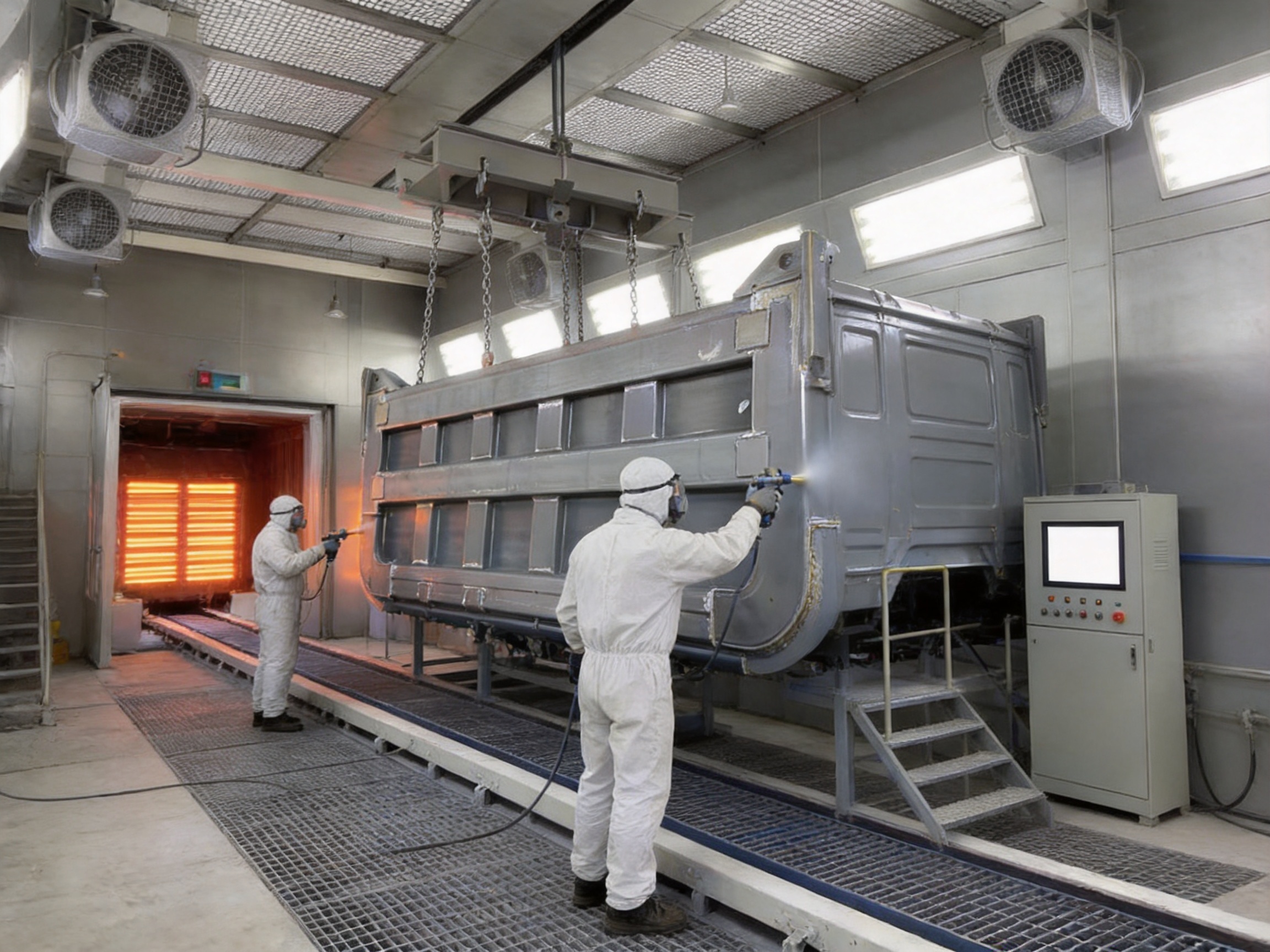
Environmental performance is now a central consideration in industrial coating. A truck body line must manage paint mist, solvent-containing exhaust, energy consumption, wastewater, filter waste, and general workplace conditions.
Drying and curing can consume substantial energy because truck bodies have large surface areas and the process chambers have considerable internal volume. Proper insulation, efficient burners or heating elements, optimized airflow, heat recovery where applicable, and accurate temperature control can reduce energy waste.
Infrared radiation drying can provide direct energy transfer to the workpiece and coating. This may shorten heating time and reduce the need to heat large volumes of air. The final selection should be based on coating chemistry, body material, production takt time, and the required curing profile.
Efficient capture of overspray protects the booth, improves finish quality, and reduces the burden on downstream exhaust treatment. Filter selection should account for particle size, paint type, loading rate, replacement interval, and maintenance access.
High paint mist recovery can also improve material utilization. Less paint is lost to booth walls and exhaust ducts, which may help reduce operating costs. Operators must still follow correct spray practices and maintain filters according to the manufacturer’s instructions.
Waste-gas treatment must be matched to the actual exhaust. Factors include air volume, pollutant concentration, solvent type, temperature, operating schedule, and local emission requirements. A correctly selected system can reduce the environmental impact of coating operations and support compliant factory operation.
Environmental equipment should be connected to the line control system so that spraying cannot continue under unsafe ventilation conditions. Interlocks, alarms, pressure monitoring, temperature monitoring, and maintenance warnings help improve operational safety.
A well-designed booth separates operators from paint mist and reduces uncontrolled emissions inside the workshop. Suitable lighting and ventilation also improve visibility and working comfort. Cleaner air and better process organization can contribute to safer and more consistent operations.
Automation can be introduced at different levels. A basic line may use powered conveying and centralized control while retaining manual spraying. A more advanced system may include automatic loading, programmable spray equipment, recipe management, automatic booth-door control, real-time temperature monitoring, fault alarms, and production data collection.
Different truck bodies may require different spray speeds, paint flow rates, gun positions, curing temperatures, and conveyor speeds. A recipe-based control system allows operators to select approved parameters for each model and reduces repeated manual adjustment.
Recipe management also supports traceability. Production personnel can record which process settings were used for a particular batch, making it easier to investigate defects or reproduce successful results.
Important monitored variables may include booth pressure, air temperature, humidity, exhaust status, filter differential pressure, curing temperature, conveyor speed, paint pressure, and equipment running time. Monitoring these conditions helps identify deviations before they create widespread defects.
Data can also support preventive maintenance. For example, rising filter pressure may indicate that filters require replacement. Abnormal conveyor current may indicate mechanical resistance. Temperature instability may suggest a burner, fan, sensor, or insulation problem.
Automatic systems should include interlocks that coordinate ventilation, heating, spraying, doors, access panels, and emergency stops. Heating should not operate under unsafe airflow conditions, and spraying should not begin if the exhaust system is unavailable.
Safety design must be adapted to the coating material and factory environment. Electrical components, lighting, ventilation, grounding, fire protection, and operator access should be considered during the initial engineering stage.
Buyers should prepare complete technical information before requesting a truck body coating line. The quality of the initial information has a direct effect on equipment accuracy, quotation reliability, installation efficiency, and final production performance.
Provide the minimum and maximum workpiece length, width, height, weight, material, surface condition, lifting points, and body types. Drawings or photographs of representative products are useful, especially when bodies have unusual cavities, large doors, interior partitions, or special reinforcement structures.
Define the required daily, monthly, or annual production volume. The supplier should know the target cycle time, working hours per shift, number of shifts, expected model mix, and acceptable production buffer.
Output requirements influence booth quantity, conveyor speed, curing-zone length, loading arrangement, paint supply capacity, filter area, and exhaust treatment volume. A line designed for future expansion may include reserved space or modular connection points.
Specify whether the process will use solvent-based liquid paint, water-based paint, powder coating, high-solid coating, or a multi-layer combination. Provide technical data for primer and topcoat, including viscosity, solids content, flash-off time, curing temperature, and required film thickness.
The coating material affects spray equipment, booth ventilation, heating method, filtration, waste-gas treatment, fire protection, and operator procedures.
Important site information includes building length, width, and height; available power supply; gas or fuel availability; ventilation restrictions; foundation conditions; drainage; fire-safety requirements; material flow; and maintenance access.
The line should fit the factory without creating unsafe congestion. Adequate space must be reserved around fans, filters, burners, electrical cabinets, pumps, conveyors, and access doors for maintenance and inspection.
Discuss whether the customer requires manual, semi-automatic, or fully automatic operation. Automation is not automatically better in every situation. High-volume standardized products benefit from programmable automation, while highly customized or low-volume products may require flexible manual workstations.
A hybrid design often offers a practical balance. Automatic equipment can handle repetitive exterior surfaces, while operators complete difficult edges, interior areas, model-specific details, and touch-up work.
Routine maintenance is essential for stable coating quality and long equipment life. The maintenance plan should cover conveyors, fans, filters, heaters, burners, infrared emitters, pumps, spray guns, sensors, electrical cabinets, doors, seals, ducts, and environmental-treatment equipment.
Booth walls, floors, lights, grilles, filters, and access doors should be cleaned at scheduled intervals. Paint accumulation can affect airflow, increase fire risk, and reduce the usable life of components. Filters should be inspected based on pressure drop and actual operating condition rather than only a fixed calendar period.
Conveyor chains, bearings, gearboxes, drive systems, hangers, and guide rails require inspection and lubrication according to the equipment specification. Uneven movement can affect paint coverage and may create mechanical stress on the workpiece or fixture.
Heating units and infrared systems should be checked for temperature uniformity, sensor accuracy, burner condition, fan performance, insulation damage, and abnormal noise. Curing performance should be verified periodically using appropriate temperature measurement methods.
Spray guns, nozzles, filters, hoses, pumps, and paint tanks should be cleaned and inspected regularly. Blocked nozzles, unstable pressure, incorrect viscosity, or contaminated paint can produce defects even when the booth itself is operating correctly.
Waste-gas purification equipment requires inspection of filters, adsorbent materials, catalysts, fans, dampers, sensors, and pressure readings. Maintenance intervals depend on pollutant loading and operating hours. Records should be kept for replacement parts, cleaning, alarms, and performance checks.
| Defect | Possible Causes | Typical Corrective Direction |
|---|---|---|
| Uneven film thickness | Unstable spray distance, airflow variation, incorrect overlap, or inconsistent conveyor speed | Check spray parameters, booth pressure, filter condition, and workpiece movement |
| Runs and sags | Excessive paint flow, slow spray movement, low viscosity, or heavy overlap | Adjust material flow, viscosity, spray speed, and application technique |
| Dust contamination | Poor cleaning, damaged filters, unsealed doors, or contaminated workshop air | Improve cleaning, inspect filtration, and control booth access |
| Poor adhesion | Incomplete pretreatment, oil contamination, moisture, or incorrect curing | Verify surface preparation, drying, coating compatibility, and cure profile |
| Color variation | Unstable paint mixing, inconsistent film thickness, incorrect curing, or lighting differences | Check paint preparation, application uniformity, and temperature control |
| Orange peel | Improper atomization, unsuitable viscosity, rapid solvent evaporation, or incorrect booth conditions | Optimize spray pressure, material condition, and airflow |
| Blistering | Trapped moisture, contamination, solvent entrapment, or excessive coating thickness | Improve drying, cleaning, flash-off, and layer-thickness control |
Truck body production is rarely identical from one factory to another. Product dimensions, coating specifications, building conditions, labor availability, environmental regulations, and production targets all differ. For this reason, a customized line is often more appropriate than a standard package.
Customization may involve booth size, door configuration, conveyor type, fixture design, spray-gun quantity, curing method, heat source, filtration arrangement, waste-gas treatment, automation level, control software, and future expansion provisions.
A customized design can also improve material flow. The line may be arranged in a straight layout, U-shaped layout, parallel layout, or another configuration according to the available factory space. Loading and unloading can be positioned near fabrication, assembly, repair, or final inspection areas to reduce transportation time.
Modular construction provides additional benefits. Individual modules can be manufactured, transported, installed, maintained, and upgraded more conveniently. If production requirements increase, the customer may be able to add curing capacity, upgrade spray automation, increase exhaust treatment, or modify the conveyor without replacing the entire system.
Original truck manufacturers can use a dedicated line to standardize the coating process across models. Automated recipes, controlled conveying, and integrated inspection help maintain consistent quality during high-volume production.
Body builders often process multiple designs with different dimensions and coating requirements. A flexible line can support model switching while maintaining professional environmental and finish standards.
Refurbishment operations may require flexible loading, adjustable process times, and a combination of manual and automatic spraying. A customized line can reduce dependence on open workshop painting and improve working conditions.
Manufacturers of municipal, emergency, utility, agricultural, or engineering vehicles may process unusual body shapes. Adjustable fixtures, large-format booths, and programmable spray systems help accommodate these specialized products.
Choosing a supplier should involve more than comparing the initial equipment price. Buyers should evaluate engineering capability, manufacturing capacity, project experience, quality control, environmental knowledge, installation support, spare-parts availability, and long-term service.
The supplier should be able to explain how the conveyor load was calculated, how booth airflow is balanced, how curing uniformity will be verified, how emissions will be treated, and how different truck body sizes will be accommodated.
It is also important to request technical drawings, process descriptions, utility requirements, equipment lists, control philosophy, maintenance recommendations, and acceptance standards. Similar completed projects can provide useful evidence of practical experience, although each new line still requires project-specific engineering.
Jiangsu Yue Ze Environmental Protection Equipment Co., Ltd. combines equipment design, manufacturing, installation, and customized service. Its product scope includes powder coating lines, intelligent coating lines, automotive body spray and bake booths, large-part grinding rooms, automated conveying systems, infrared radiation drying systems, waste-gas treatment equipment, and other environmental protection solutions.
The company also reports experience in developing a hanging automatic painting process line for casting counterweight blocks in 2014. That process covered finishing and polishing through primer and topcoat application. Experience with such integrated processes reflects the importance of coordinating surface preparation, handling, coating, drying, and environmental control rather than designing each function separately.
The line can be customized for heavy-duty truck bodies, light-duty trucks, pickup bodies, van bodies, commercial vehicle bodies, truck cab shells, cargo boxes, and selected bus or special-purpose vehicle structures. Final compatibility depends on the maximum dimensions, weight, geometry, coating material, and required process sequence.
Yes. A multi-model line can use adjustable fixtures, suitable booth clearances, programmable spray recipes, variable conveyor speeds, and flexible operator access. The design must be completed using the largest and most complex body dimensions expected during production.
The automation level can be selected according to production volume, product standardization, labor strategy, and budget. Options range from manual spraying with automatic conveying to fully automatic conveying, spraying, curing, monitoring, and recipe management. A semi-automatic or hybrid line may be appropriate when products change frequently.
Pretreatment removes oil, dust, welding residue, oxidation, and other contaminants while improving coating adhesion and corrosion resistance. Without adequate surface preparation, the coating may peel, blister, or allow corrosion to develop beneath the film.
Hot-air circulation, infrared radiation, or a combined system may be used. Infrared radiation can be effective for large flat metal panels because it transfers energy directly to the coating and substrate. The correct choice depends on the coating chemistry, panel material, production speed, and required curing profile.
Defects can be reduced through stable booth airflow, clean filtration, correct paint preparation, controlled spray parameters, suitable conveyor speed, proper pretreatment, adequate drying, and regular equipment maintenance. Operator training and process monitoring are also essential.
A complete project can include paint mist collection, filtration, ventilation, and waste-gas purification. The treatment method should be selected according to the coating materials, exhaust volume, pollutant concentration, operating schedule, and applicable environmental requirements.
Space requirements depend on the largest workpiece, process sequence, output, booth dimensions, curing length, conveyor layout, environmental equipment, and maintenance access. A supplier should prepare a layout after receiving the customer’s building drawings and production information.
A modular line can be designed with expansion in mind. Potential future upgrades include additional spray stations, longer curing capacity, improved automation, larger environmental-treatment systems, new fixtures, and revised control functions. Expansion feasibility should be discussed before the initial design is finalized.
Buyers should provide workpiece drawings or dimensions, maximum weight, coating materials, required film thickness, target output, working hours, automation preference, factory layout, available utilities, environmental requirements, and desired inspection standards. More complete information leads to a more accurate technical proposal.
It provides a coordinated process for cleaning, pretreatment, drying, primer application, topcoat application, and curing. Each stage can be controlled for the truck body’s actual surface condition and geometry, improving adhesion and reducing uncoated or poorly cured areas.
The answer depends on production volume and project requirements. A dedicated integrated line generally offers better material flow, lower manual handling, more consistent quality, and easier environmental control. For high or growing production volumes, these benefits can offset the initial investment and reduce long-term operating costs.
A truck body coating line is a strategic production system for manufacturers and refurbishment companies that need reliable quality, high throughput, corrosion protection, and environmental compliance. Its value comes from the coordination of heavy-duty conveying, large-format spray booths, controlled airflow, pretreatment, drying, infrared or hot-air curing, paint mist recovery, waste-gas purification, and intelligent process management.
Compared with general-purpose coating equipment, a dedicated system provides better clearance for oversized bodies, greater conveyor capacity, improved coverage, more stable film thickness, shorter handling time, and stronger support for multiple truck models. It also gives manufacturers a controlled environment in which coating quality can be measured, adjusted, and repeated.
The best solution is not necessarily the most automated or the largest system. It is the system designed around the customer’s actual workpieces, coating materials, production target, factory conditions, environmental obligations, and future plans. A modular approach allows the line to begin with the required capacity while preserving opportunities for later upgrades.
With a 35,000-square-meter manufacturing base, reported experience spanning more than 40 years, and capabilities covering coating equipment, conveying systems, curing technology, and environmental protection, Jiangsu Yue Ze Environmental Protection Equipment Co., Ltd. provides integrated and customized solutions for demanding industrial surface-treatment applications. Its combination of research and development, fabrication, installation, commissioning, and service enables customers to obtain a coordinated truck body coating system rather than a collection of disconnected machines.
For companies seeking improved finish quality, efficient production, long-term corrosion resistance, and responsible environmental performance, a professionally engineered truck body coating line can become an important foundation for stable and scalable manufacturing.
1. Industrial coating process planning principles for large fabricated metal structures.
2. General practices for surface pretreatment and corrosion-resistant coating systems.
3. Technical guidance for industrial spray booth ventilation and paint mist filtration.
4. Engineering principles for infrared radiation drying and thermal curing systems.
5. General requirements for automated conveyor systems used in industrial production lines.
6. Environmental control practices for coating exhaust, particulate capture, and waste-gas purification.
7. Manufacturer-provided technical information on truck body coating lines, automated painting equipment, curing systems, and environmental protection equipment.
8. Project information and company profile supplied for Jiangsu Yue Ze Environmental Protection Equipment Co., Ltd.
Professional coating line dedicated to truck body manufacturing and refurbishment, applicable to various truck types (heavy-duty truck, light-duty truck, pickup truck, van, commercial truck). Main typ...
See Details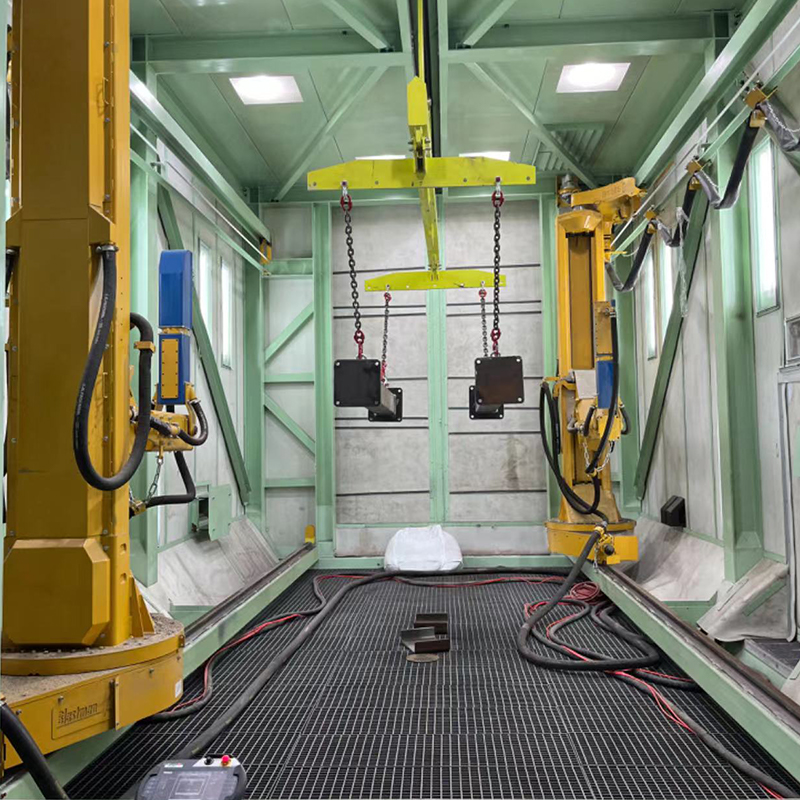
Professional coating line specially designed for large castings and heavy truck parts, applicable to various large castings (engineering castings, mining equipment castings, industrial castings) and h...
See Details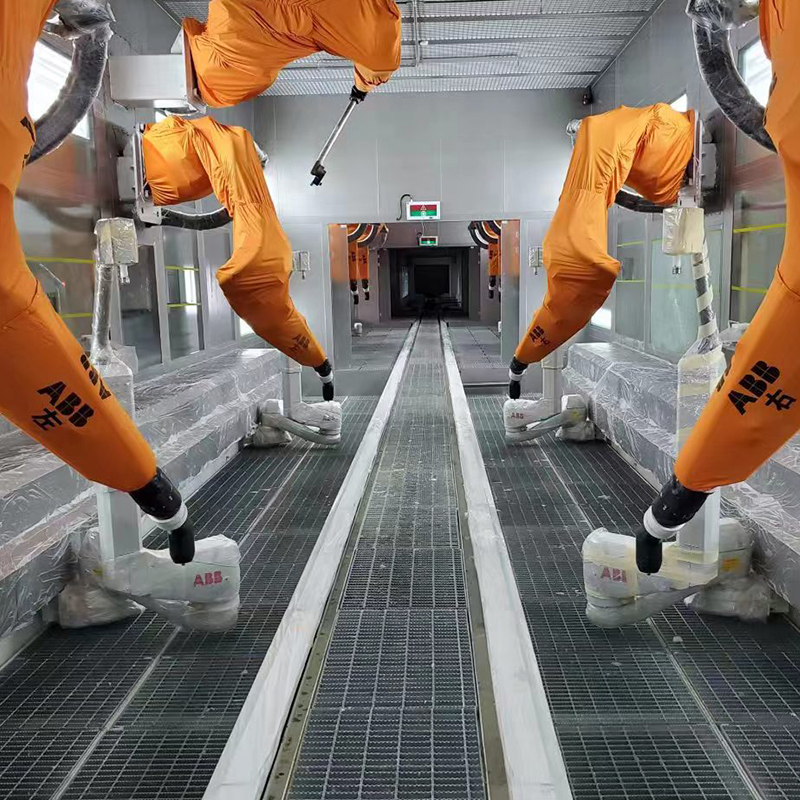
Professional spray coating line specially designed for motor casings, applicable to various motor casing types (electric vehicle motor casing, industrial motor casing, household motor casing, high-tem...
See Details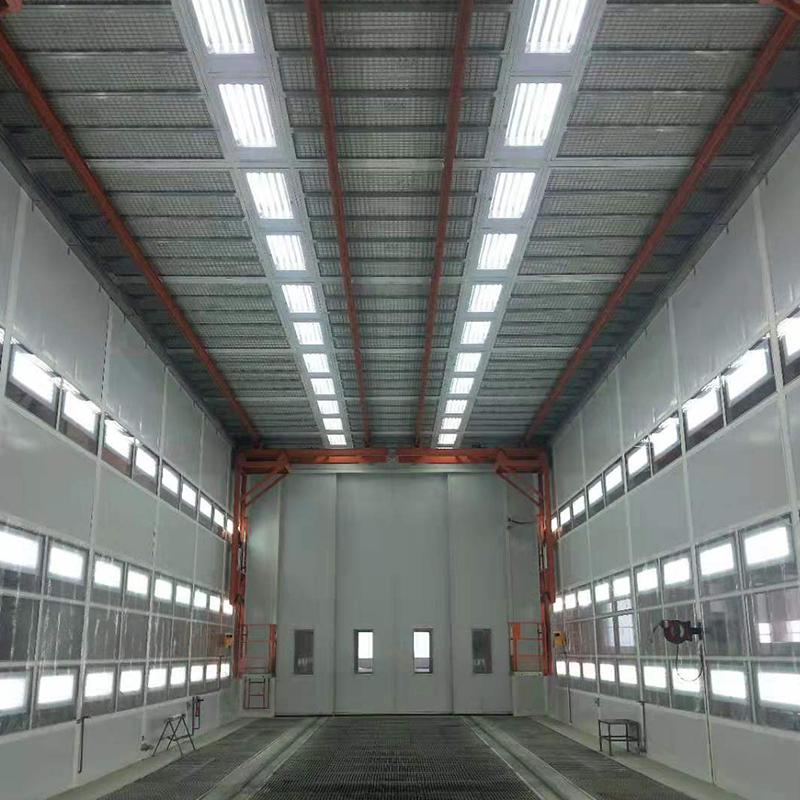
Professional painting line specially designed for grain tank truck body manufacturing and refurbishment, applicable to various grain tank truck types (grain transport tank truck, bulk grain tank truck...
See Details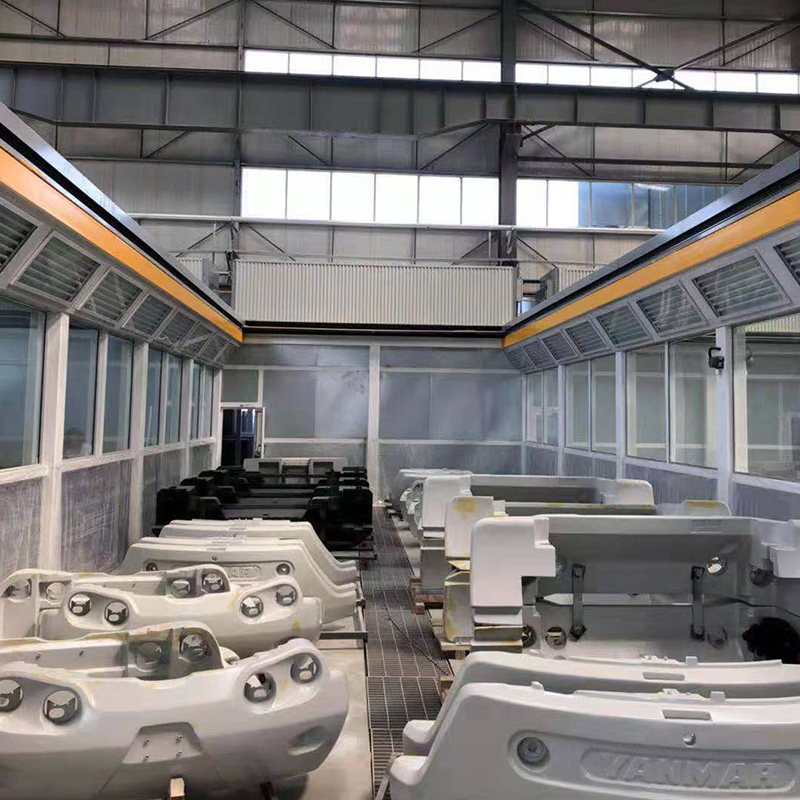
Professional spray coating line specially designed for car wheel manufacturing and refurbishment, applicable to various car wheel types (steel wheel, aluminum alloy wheel, forged wheel, cast wheel, pa...
See Details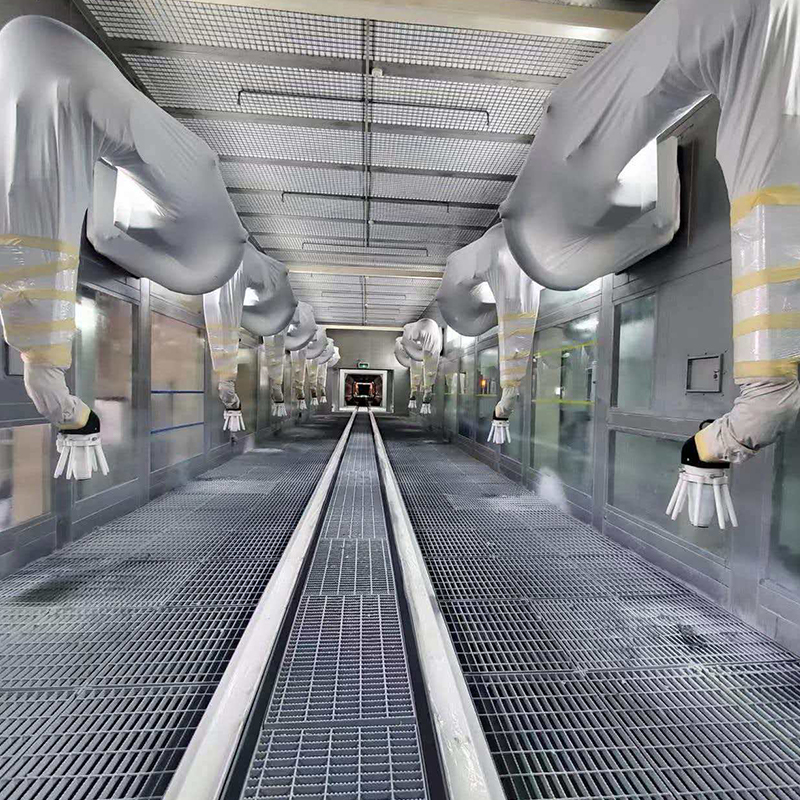
Professional spray coating line specially designed for car wheel manufacturing and refurbishment, applicable to various car wheel types (steel wheel, aluminum alloy wheel, forged wheel, cast wheel, pa...
See DetailsBuild Your Customized Industrial Coating System
Send us your workpiece information, production capacity, coating process, workshop layout, and environmental requirements. Yueze will help evaluate your project and develop a suitable coating, conveying, drying, and environmental treatment solution.
Main menu
Products
Contact Us
Company Address:
No. 12, Park Avenue, Shanggang Industrial Park, Jianhu, Yancheng City, Jiangsu Province
Message Us Right Now!

Follow us: