
 русский
 عربى
عربى
 Tiếng Việt
Waste Gas Treatment Equipment, electric-driven with stable power output, mainly composed of a gas collection hood, purification filter, fan, control system, and waste gas discharge device. It adopts o...
See Details
Yueze Environmental Protection provides one-stop compliant industrial surface treatment solutions with professional tech and fine craftsmanship.
 Get Inquiries
2026-07-18
Content
Industrial production creates value, but it also generates exhaust gases that must be collected, purified, and discharged responsibly. Waste Gas Treatment Equipment is designed for this purpose: it captures harmful or unpleasant gases from manufacturing processes, removes pollutants through suitable purification stages, and supports cleaner workshops and compliant production environments.
In coating, painting, casting, machining, drying, curing, surface treatment, and chemical-related operations, waste gas may contain odors, particles, volatile components, oil mist, dust, and other pollutants. If these emissions are not properly treated, they can affect workers, workshop cleanliness, production stability, and environmental performance. A well-designed waste gas treatment system solves these problems by integrating gas collection, filtration, purification, fan power, control systems, and discharge devices into one coordinated solution.
Jiangsu Yue Ze Environmental Protection Equipment Co., Ltd. provides customized Waste Gas Treatment Equipment for industrial customers requiring practical, stable, and adaptable exhaust gas purification systems. With more than 40 years of experience in industrial environmental protection and surface treatment equipment, the company combines engineering design, equipment manufacturing, installation, and customization capabilities to build systems suitable for different waste gas sources, air volumes, site layouts, and production conditions.
Waste Gas Treatment Equipment is an environmental protection system mainly composed of a gas collection hood, purification filter, fan, control system, and waste gas discharge device. It is electric-driven, providing stable power output for continuous operation. According to factory conditions, it can be designed for overhead installation or floor-mounted installation, allowing the system to adapt to different production lines and workshop layouts.
The equipment is used to collect and treat waste gas generated during production processes such as casting, processing, painting, coating, drying, and surface treatment. Through efficient purification, it helps reduce waste gas pollution inside the workshop and improves the quality of discharged exhaust. The system also supports non-standard customization according to required treatment capacity, gas composition, production rhythm, and available installation space.
The equipment is especially valuable for factories that need a practical balance between purification efficiency, reliable operation, energy saving, low noise, compact structure, and easy maintenance. Rather than offering a single fixed configuration, the system can be engineered according to actual operating conditions. This makes it suitable for many industries where waste gas characteristics differ from one project to another.
Modern factories face increasing pressure to reduce emissions, maintain safer working conditions, and improve sustainability. Waste gas is often generated continuously during coating, painting, baking, drying, grinding, casting, and chemical processing. Without effective collection and treatment, exhaust gas can spread across the workshop, creating odors, affecting employee comfort, contaminating finished products, and increasing environmental risk.
A waste gas treatment system is not only an environmental protection device. It is also part of a factory’s production stability strategy. Cleaner air reduces the accumulation of contaminants around equipment, protects workshop infrastructure, and supports consistent coating or processing quality. For production lines involving surface treatment, exhaust control can help maintain a cleaner operating environment, which is important for product appearance and process reliability.
Waste gas treatment also supports long-term factory planning. As production expands, emission control becomes more complex. A customized system with adjustable processing air volume can respond to changing production requirements. This flexibility reduces the need for frequent replacement and helps manufacturers build a more sustainable production platform.
A complete waste gas treatment system depends on multiple components working together. Each part must be designed according to gas properties, airflow requirements, installation conditions, and treatment targets.
The gas collection hood captures waste gas at or near its source. Correct hood design is important because effective collection reduces pollutant diffusion in the workshop. The hood can be customized according to the shape and location of the emission source, such as a spraying area, drying furnace, processing station, or casting area.
The purification filter removes particles, odors, and harmful components from the collected gas. Depending on waste gas composition, the purification stage may include filtration, adsorption, separation, or other treatment methods. High purification precision helps ensure that the exhaust quality is improved before discharge.
The fan provides airflow power and keeps the gas moving through the system. Stable fan operation is essential for continuous collection and treatment. Low-noise and energy-saving design helps reduce operating cost and improve workshop comfort.
The control system manages equipment operation, airflow adjustment, protection functions, and process coordination. Automatic operation reduces the need for frequent manual intervention and lowers labor intensity. A reliable control system also improves operating stability and helps maintain consistent treatment performance.
After purification, the treated gas is discharged through the waste gas discharge device. Proper discharge design helps ensure stable exhaust flow and supports environmental management requirements. The discharge structure can be adjusted according to site layout and local engineering conditions.
The Waste Gas Treatment Equipment supplied by Jiangsu Yue Ze Environmental Protection Equipment Co., Ltd. is designed to offer strong practical value for industrial users. Its advantages are reflected in treatment efficiency, customization, stability, operation cost, and adaptability.
The system can quickly process various harmful gases generated in production. Through suitable purification units and airflow design, it improves treatment results and helps the exhaust meet required standards. Efficient purification is especially important for coating and painting lines where odors and volatile components may be generated continuously.
The equipment can be used in multiple industries, including painting, coating, casting, machining, surface treatment, drying, curing, and chemical-related production. Because the system supports non-standard customization, it can be matched with different gas sources and process requirements.
The equipment is designed to remove odors, particles, and harmful components from waste gas. High purification precision helps create a cleaner workshop environment and improves the quality of discharged gas. This advantage is important for manufacturers that operate in strict production and environmental conditions.
Industrial waste gas treatment equipment often needs to operate for long periods. A low failure rate and reliable operating structure reduce downtime and help maintain continuous production. Stable operation is one of the key advantages of a professionally designed system compared with simple or low-cost exhaust equipment.
The system can operate automatically with minimal manual intervention. This reduces labor operation costs and helps maintain consistent performance. Automatic control also makes it easier to integrate the equipment with production lines, coating systems, drying rooms, and other industrial equipment.
Different workshops and production processes generate different quantities of waste gas. The adjustable processing air volume allows the system to adapt to changing operating conditions. This is useful for factories with multiple production stages, variable production shifts, or future expansion plans.
Energy-saving operation is an important part of modern environmental equipment. By optimizing airflow, fan performance, and system layout, the equipment can reduce unnecessary power consumption while maintaining treatment efficiency. The design also avoids secondary pollution and supports industrial environmental protection requirements.
Workshop space is valuable. The equipment can be installed overhead or on the floor according to site needs. A compact structure allows it to fit into different factory layouts without excessive occupation of production space. This is particularly useful for existing factories undergoing environmental upgrades.
Waste gas may contain corrosive or complex components. Equipment materials and structure must withstand harsh working environments. Corrosion-resistant and anti-aging design extends service life and reduces long-term maintenance burden.
Maintenance convenience directly affects operating cost. The equipment is designed for easy replacement of consumables and convenient inspection. Simplified maintenance helps factories reduce downtime, manage spare parts, and maintain purification efficiency over time.
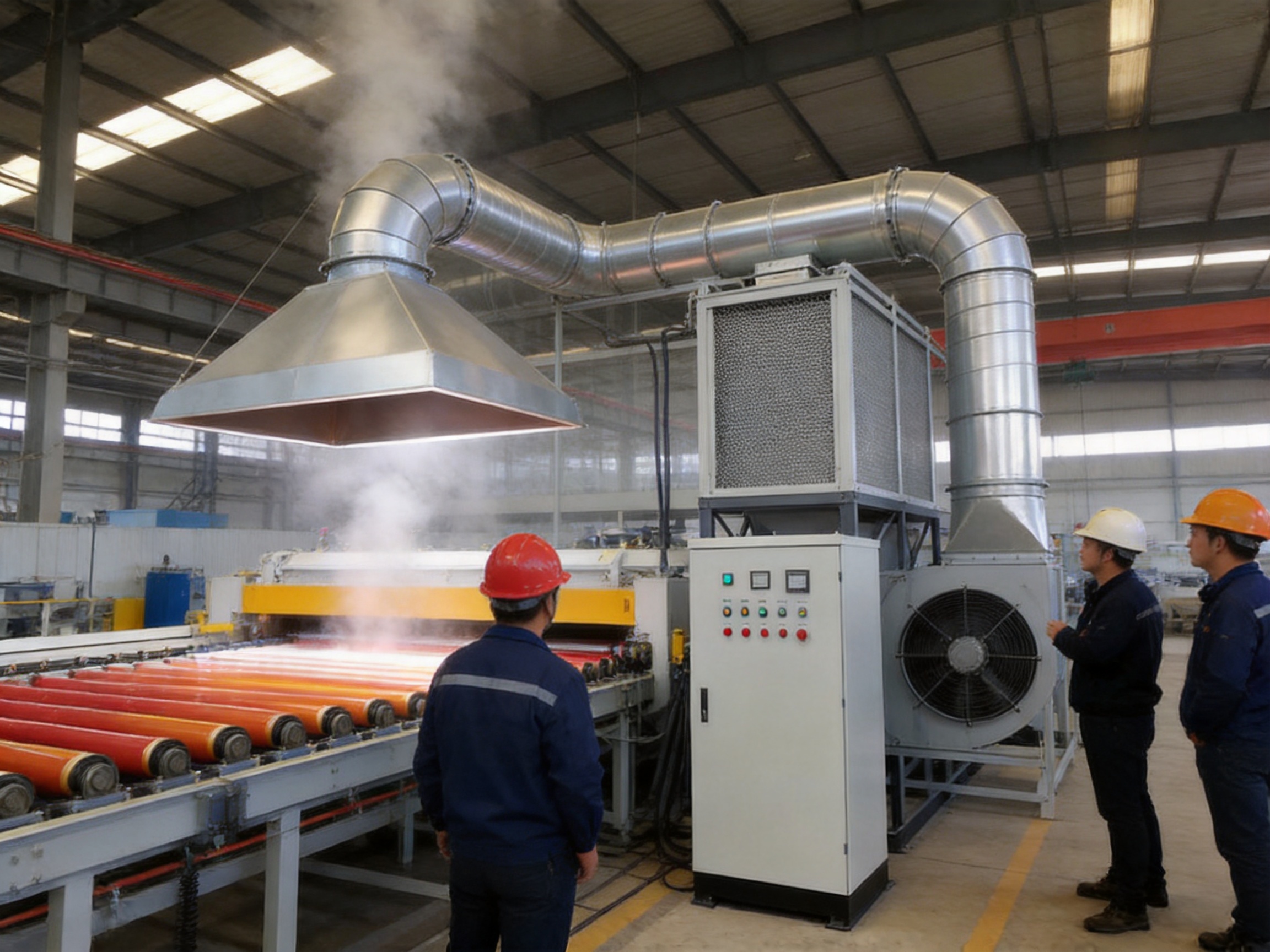
Many factories initially rely on simple exhaust fans or basic ventilation to remove workshop gas. While these methods may reduce local odor concentration, they do not provide effective purification. Untreated exhaust gas may still create environmental problems, and uncontrolled airflow can waste energy.
Compared with such alternatives, a professional Waste Gas Treatment Equipment system offers a complete solution. It not only extracts gas but also treats it. It is designed according to pollutant characteristics, air volume, equipment layout, and production rhythm. This comprehensive approach creates measurable advantages in purification effect, operational control, and long-term reliability.
| Comparison Item | Professional Waste Gas Treatment Equipment | Simple Exhaust or Low-End Equipment |
|---|---|---|
| Pollution Control | Collects and purifies waste gas through designed treatment stages | Mainly transfers gas from one area to another without sufficient purification |
| Customization | Can be customized according to air volume, gas composition, workshop space, and production process | Usually fixed in structure and difficult to match complex production conditions |
| Operation Stability | Designed for continuous industrial operation with reliable components | May have unstable airflow and higher risk of performance decline |
| Energy Efficiency | Airflow and fan configuration can be optimized to reduce waste | Often consumes energy inefficiently due to poor system matching |
| Maintenance | Consumables and key components can be arranged for easier inspection and replacement | Maintenance may be inconvenient or ignored, reducing long-term performance |
| Workshop Environment | Helps reduce odors, particles, and harmful components | May only dilute or move pollutants |
| Long-Term Value | Supports cleaner production, compliance, and future expansion | Lower initial cost but often weaker in efficiency, reliability, and adaptability |
The difference is especially clear in coating and painting applications. These processes may generate complex waste gas during spraying, leveling, drying, and curing. A simple fan cannot effectively remove odor or harmful components. A properly engineered treatment system provides collection, purification, control, and discharge as one integrated solution.
The working principle of Waste Gas Treatment Equipment begins with source collection. Waste gas is captured from the production area through a hood or ventilation structure. The design of this collection stage affects the overall treatment effect because incomplete collection allows pollutants to spread into the workshop.
After collection, the gas enters the purification system. Depending on pollutant type, the gas passes through filtration or other treatment units. Particles, odors, and harmful substances are reduced or removed. The fan maintains stable airflow, ensuring that the gas moves through each treatment stage at the required speed and pressure.
The control system coordinates the operation of fans, purification units, and safety functions. In automatic operation mode, the equipment can run according to production demand, reducing manual adjustment. Finally, the treated gas is discharged through the outlet structure according to environmental management requirements.
This process may seem simple, but successful waste gas treatment depends on accurate engineering. Air volume must be matched to the source intensity. Duct resistance must be considered. Filter selection must match pollutant characteristics. The layout must fit the workshop. These factors determine whether the equipment can deliver stable treatment results in real production.
Waste Gas Treatment Equipment is suitable for a wide range of industrial production environments. Its value is strongest in processes where exhaust gas is generated continuously or where gas composition requires controlled purification.
Coating and painting operations can generate odors, mist, particles, and volatile components. Waste gas treatment equipment collects exhaust from spraying, drying, and curing areas, helping maintain a cleaner production environment. It can be integrated with paint booths, sanding booths, powder coating lines, and automatic coating production lines.
During drying and curing, heat may release waste gas from coatings, materials, or treated surfaces. A treatment system manages the exhaust before discharge and supports stable operation of the production line.
Casting and machining may produce fumes, dust, and odors. Waste gas collection and purification reduce pollution in the workshop and improve operating conditions around production stations.
Surface treatment processes often involve cleaning, heating, spraying, polishing, or chemical interaction. Waste gas treatment equipment can be customized to fit the specific emission points and treatment requirements.
Existing factories may need to upgrade their exhaust systems to meet modern environmental requirements. Because the equipment can be installed overhead or floor-mounted, it can be adapted to limited spaces and retrofit projects.
No two waste gas treatment projects are exactly the same. Gas composition, concentration, temperature, humidity, flow rate, operating time, and factory layout all influence system design. A standardized product may not provide the best result if the actual conditions are complex. This is why customization is a major strength of Jiangsu Yue Ze Environmental Protection Equipment Co., Ltd.
The company can design non-standard equipment according to treatment capacity and on-site space. For example, a large painting workshop may require a system with higher air volume and multiple collection points, while a compact processing area may require a smaller floor-mounted unit. A production line with future expansion plans may benefit from an adjustable configuration that allows capacity upgrades.
Customization also includes installation form. Overhead installation saves floor space and may be suitable for production lines with limited ground area. Floor-mounted installation may simplify maintenance and equipment access. The final design depends on workshop structure, exhaust source location, maintenance requirements, and safety considerations.
The ability to customize gives the equipment an advantage over competitors that provide only standard catalog models. A custom system can better match real operating conditions, reduce unnecessary energy consumption, improve collection efficiency, and extend equipment service life.
Waste gas treatment is often most effective when designed as part of the entire production line instead of being added as an isolated device. Jiangsu Yue Ze Environmental Protection Equipment Co., Ltd. specializes not only in flue gas purification systems but also in paint booths, sanding booths, custom coating production line equipment, modular automatic production lines, automatic conveyor systems, solid waste incineration furnace series, and coating equipment consumables.
This product range gives the company a strong advantage in system integration. For example, in a coating production line, waste gas generation may occur in multiple areas: pretreatment, spraying, drying, curing, and ventilation zones. A company familiar with the complete coating process can design exhaust collection points more accurately and coordinate treatment equipment with conveyors, booths, drying systems, and control panels.
Integration also improves equipment communication. The waste gas treatment system can be coordinated with production line operation, so that airflow, purification, and discharge match actual production status. This avoids unnecessary operation when the production line is idle and ensures sufficient treatment when production is active.
For customers, integrated design reduces the complexity of project management. Instead of coordinating multiple suppliers for booths, conveyors, coating lines, and environmental equipment, they can work with one engineering team capable of delivering a more unified solution.
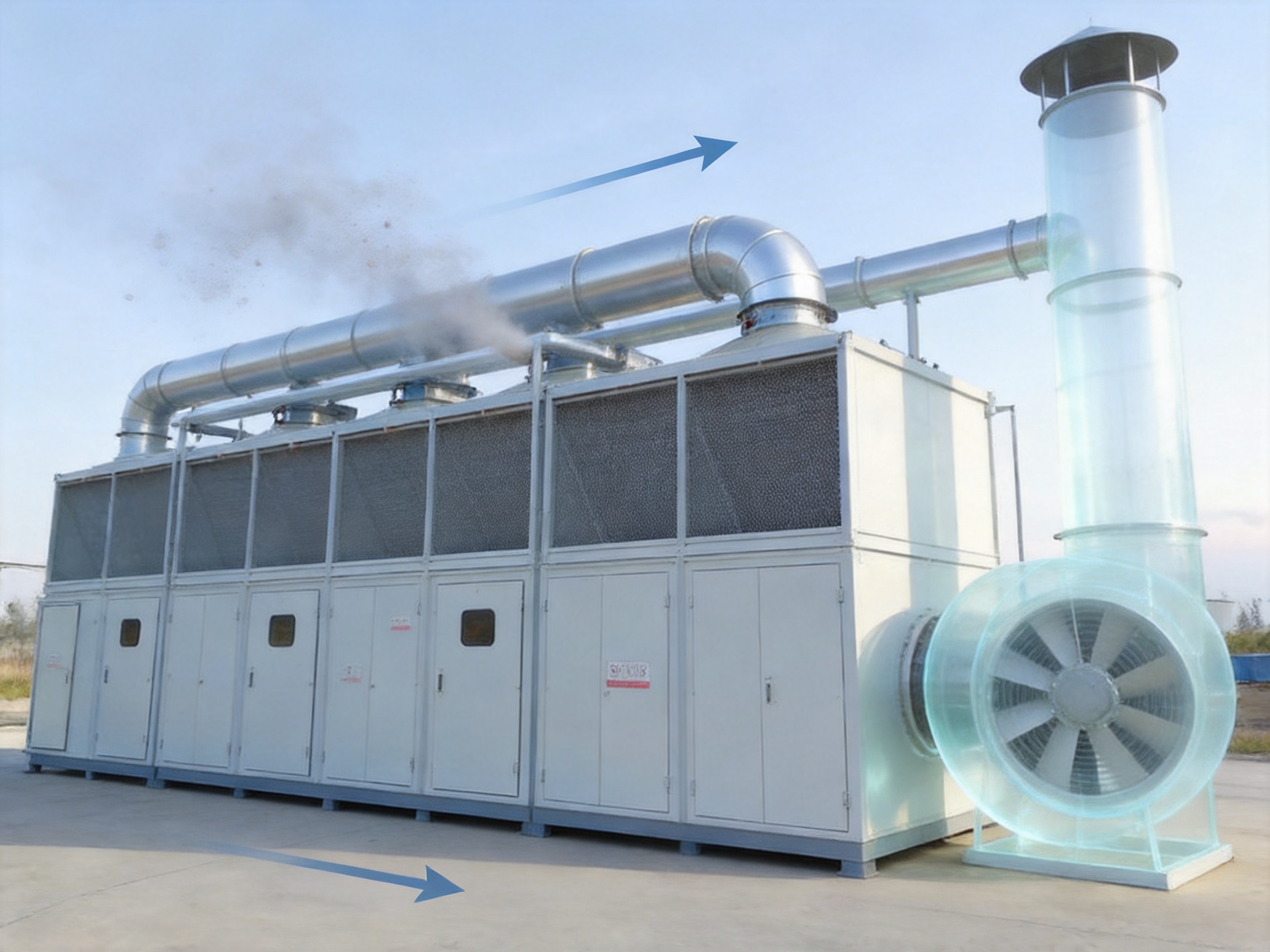
Jiangsu Yue Ze Environmental Protection Equipment Co., Ltd. is located in Yancheng, Jiangsu, China. The company covers 35,000 square meters and has a registered capital of 58 million yuan. With more than 40 years of experience, it has developed strong capabilities in industrial environmental protection equipment and surface treatment production line solutions.
The company’s manufacturing strength is built on practical engineering experience. Waste gas treatment equipment is not merely assembled from separate components. It requires understanding of industrial processes, air movement, pollutant behavior, system resistance, equipment durability, and maintenance requirements. Long-term experience allows the company to design systems that are practical for actual factory use.
The company provides one-stop compliant industrial surface treatment solutions. Its product scope includes powder coating lines, electric vehicle assembly lines, automotive counterweight spray lines, paint and bake booths, large-part grinding rooms, waste gas treatment equipment, infrared radiation drying systems, automated conveying systems, intelligent coating lines, and environmental protection equipment.
This broad manufacturing base supports the development of waste gas treatment systems in several ways. First, the company understands the sources of waste gas in different production lines. Second, it can design mechanical structures suitable for installation with other equipment. Third, it can support customers from early planning to manufacturing, installation, and after-sales service.
A reliable waste gas treatment system depends on more than the final product design. It also depends on manufacturing quality. Jiangsu Yue Ze Environmental Protection Equipment Co., Ltd. applies integrated processes from design to production, ensuring that equipment is built to match project requirements.
Before manufacturing begins, engineers analyze the customer’s production process, waste gas source, air volume requirement, pollutant characteristics, installation space, and operating schedule. This analysis determines the treatment method, equipment structure, fan selection, duct arrangement, control strategy, and maintenance plan.
The equipment structure can be manufactured according to site conditions. Whether overhead or floor-mounted, the frame, housing, filtration section, fan connection, and discharge arrangement must be accurate. Proper structural manufacturing reduces air leakage, improves durability, and supports stable airflow.
Fans, filters, control components, and discharge devices must be selected and matched as a system. If the fan is too weak, gas collection will be incomplete. If it is oversized, energy may be wasted and noise may increase. Proper component matching improves both treatment efficiency and operating economy.
Strict quality control helps ensure that equipment leaving the factory meets design requirements. Quality inspection may involve dimensional checks, assembly inspection, electrical verification, and operational testing. Consistent quality reduces installation problems and improves long-term reliability.
Industrial environmental equipment must be correctly installed and commissioned. The company’s experience in complete production lines allows it to support equipment installation, airflow adjustment, and system coordination. Commissioning ensures that the system operates according to actual production needs.
The waste gas treatment equipment market includes many suppliers, from simple ventilation equipment providers to specialized environmental engineering manufacturers. Jiangsu Yue Ze Environmental Protection Equipment Co., Ltd. stands out through customization, integration capability, manufacturing experience, and practical engineering strength.
Some competitors focus only on individual exhaust devices. In contrast, this company understands complete industrial production lines, including coating booths, powder coating systems, drying systems, conveyor systems, and environmental purification. This enables more accurate waste gas treatment design because the system is developed with the production process in mind.
The equipment supports non-standard customization according to treatment capacity and site space. This is important because waste gas projects often require unique layouts. Competitors offering fixed models may not fully solve problems in complex workshops. A customized design helps improve collection efficiency, reduce space waste, and enhance operational compatibility.
With more than 40 years of experience, the company has accumulated knowledge in surface treatment, coating lines, environmental protection systems, and industrial manufacturing. Experience helps reduce design errors and improves the reliability of project execution.
The company provides integrated research and development, manufacturing, installation, and customized equipment solutions. This reduces communication gaps between design and production. Customers benefit from more consistent project quality and better technical coordination.
The company emphasizes green manufacturing and environmental protection. Waste gas treatment equipment reflects this philosophy by reducing pollution, supporting cleaner production, and helping factories improve sustainability.
Customer-focused service and integrity are important in customized industrial equipment projects. Because each project may require site-specific engineering, responsive communication and technical support are critical. The company’s one-stop service model helps customers manage complex environmental upgrade projects more efficiently.
Energy consumption is a key concern for industrial exhaust systems because fans may operate for long hours. Waste Gas Treatment Equipment uses electric drive with stable power output and can be designed for energy-saving performance. Proper airflow calculation, reasonable fan selection, and optimized duct arrangement help reduce unnecessary power usage.
Low noise is also important. A noisy exhaust system can affect workers and create discomfort in the production environment. By selecting suitable fans and designing stable airflow paths, the equipment can reduce noise while maintaining purification capacity. This makes it more suitable for workshops requiring long-term continuous operation.
Energy saving does not mean reducing treatment performance. Instead, it means matching power consumption to real operating needs. The adjustable processing air volume helps the system respond to different production conditions. When emissions are lower, airflow can be adjusted appropriately. When production increases, the system can provide stronger treatment capacity.
Industrial users require equipment that can operate continuously with minimal interruption. The Waste Gas Treatment Equipment is designed for stable and reliable operation, with a low failure rate and straightforward maintenance. This helps ensure continuous waste gas treatment during production.
Maintenance is simplified by making consumables easier to replace. Filters and treatment components can be arranged for practical access, reducing maintenance time. This is important because purification performance may decline if consumables are not replaced on schedule. Easy maintenance encourages proper operation and protects long-term equipment performance.
Corrosion-resistant and anti-aging design also contributes to reliability. Waste gas may contain moisture, chemical substances, particles, or temperature variations. Equipment materials and protective design must resist these conditions. A robust structure reduces repair frequency and extends service life.
Selecting the right system requires a careful evaluation of production conditions. The first factor is the waste gas source. Manufacturers should identify which process produces exhaust gas, how often it operates, where the emission points are located, and whether the gas contains odors, particles, volatile components, corrosive elements, or high-temperature exhaust.
The second factor is treatment requirement. Different industries and regions may have different environmental expectations. The purification method should match the emission characteristics and required exhaust quality. The equipment should not be selected only by appearance or price; it should be selected according to engineering suitability.
The third factor is system capacity. Air volume, operating time, and future expansion should be considered. If the equipment capacity is too small, it may not capture all waste gas. If it is too large, energy consumption may be unnecessarily high. Proper design balances performance and cost.
The fourth factor is installation and integration. The system should fit the workshop layout and connect with existing production equipment. Overhead or floor-mounted installation can be selected according to the site. Duct routing, maintenance access, and discharge position should be planned before manufacturing.
The fifth factor is supplier capability. A qualified supplier should understand industrial processes, provide customization, manufacture reliable equipment, support installation, and offer service after delivery. This is where the experience and production strength of Jiangsu Yue Ze Environmental Protection Equipment Co., Ltd. provide significant value.
Coating and surface treatment lines often require environmental systems that work continuously and precisely. Paint booths, sanding booths, powder coating lines, drying ovens, and conveyor systems all create specific airflow and exhaust requirements. If waste gas treatment is not designed correctly, it can affect both environmental performance and production quality.
In a painting line, waste gas may be produced during spraying and baking. The treatment system must collect gas efficiently without disturbing the process. In a powder coating line, dust management and exhaust control are important for workshop cleanliness. In sanding or grinding rooms, airborne particles require collection and filtration. Waste Gas Treatment Equipment can be configured to support these different process needs.
Because Jiangsu Yue Ze Environmental Protection Equipment Co., Ltd. also manufactures coating production line equipment and automated conveyor systems, it can coordinate waste gas treatment with the entire workflow. This makes the solution more systematic than equipment purchased separately from unrelated suppliers.
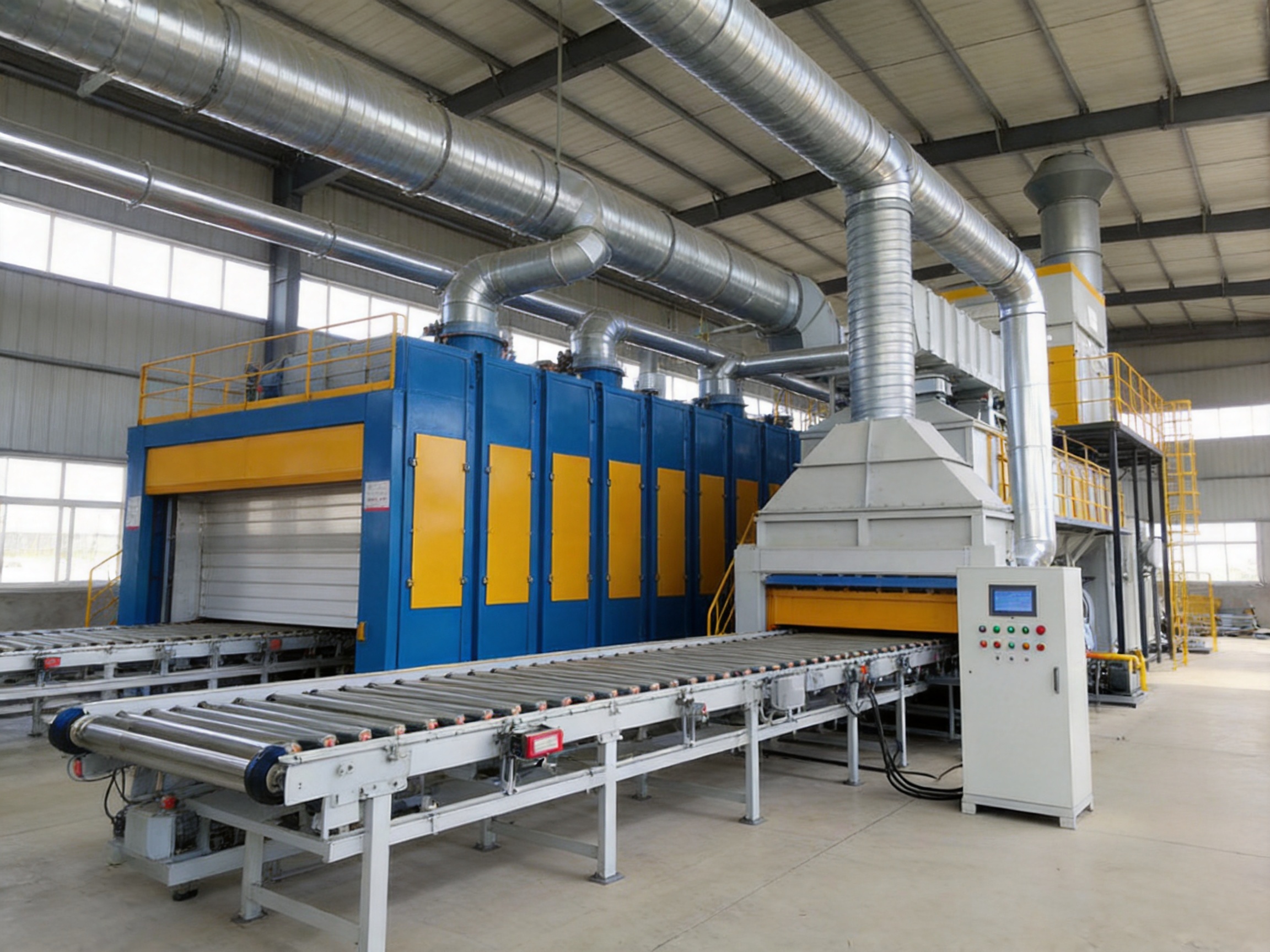
The value of Waste Gas Treatment Equipment should be measured over its full service life. A low-cost system may appear attractive at the beginning, but if it has poor purification performance, high energy consumption, frequent failures, or difficult maintenance, the long-term cost can be much higher.
A customized and reliable system offers better long-term value. It improves workshop air quality, reduces environmental risk, supports production stability, and can adapt to changing operating conditions. Easy maintenance reduces downtime. Energy-saving operation lowers daily cost. Stable purification supports compliance and corporate responsibility.
For manufacturers seeking international competitiveness, environmental performance is increasingly important. Customers, regulators, and supply chain partners often pay attention to cleaner production practices. Installing professional waste gas treatment equipment demonstrates a commitment to sustainable manufacturing and responsible factory management.
Jiangsu Yue Ze Environmental Protection Equipment Co., Ltd. emphasizes strict quality control, advanced production technology, customer-focused service, integrity, green manufacturing, and global win-win cooperation. These principles are important for industrial equipment projects because customers require dependable results, not only equipment delivery.
The company’s service model includes understanding customer needs, offering customized solutions, manufacturing equipment, supporting installation, and helping customers achieve stable operation. For export customers, clear technical communication and practical design are especially important because equipment must suit local factory conditions and project expectations.
The company can be contacted by phone at +86-13390670088 or +86-15851062329, and by email at [email protected] or [email protected]. Its address is No. 12, Park Avenue, Shanggang Industrial Park, Jianhu, Yancheng City, Jiangsu Province, China.
Waste gas treatment equipment brings direct benefits to daily workshop management. First, it helps control odors and airborne pollutants. This improves worker comfort and reduces complaints related to unpleasant gas. Second, it creates a cleaner production environment, which is especially important for coating quality and equipment cleanliness.
Third, automatic operation reduces the workload of operators. Instead of manually adjusting exhaust conditions frequently, workers can rely on the control system to maintain stable operation. Fourth, compact design helps factories preserve valuable production space. Fifth, easy maintenance simplifies routine environmental management and helps maintain treatment performance.
These practical benefits make the equipment useful not only for large new production lines but also for existing factories upgrading their environmental systems. Whether the project is a new coating workshop, a renovation of a painting line, or a waste gas control upgrade for machining or casting operations, a customized system can provide a suitable solution.
Waste Gas Treatment Equipment is used to collect, purify, and discharge industrial exhaust gas generated during production. It helps reduce odors, particles, harmful components, and workshop pollution in processes such as painting, coating, casting, drying, curing, and surface treatment.
The system is mainly composed of a gas collection hood, purification filter, fan, control system, and waste gas discharge device. These components work together to capture gas from the source, treat pollutants, maintain airflow, and discharge treated exhaust.
Yes. The equipment supports non-standard customization according to waste gas treatment capacity, gas composition, air volume, installation space, production process, and workshop layout. It can be designed for overhead or floor-mounted installation.
It is suitable for coating and painting lines, drying and curing processes, casting operations, machining, surface treatment, chemical-related production, and other manufacturing environments requiring exhaust gas management.
Simple exhaust fans mainly move gas away from a local area, while professional Waste Gas Treatment Equipment collects and purifies the gas before discharge. It provides better pollution control, more stable operation, higher customization, and stronger long-term environmental value.
No. The equipment can operate automatically, reducing the need for frequent manual intervention. Automatic control helps reduce labor cost and maintain consistent treatment performance.
Yes. The system can be designed with optimized airflow, suitable fan selection, and adjustable processing air volume. These features help reduce unnecessary energy consumption while maintaining effective purification.
The company has more than 40 years of experience, a 35,000-square-meter manufacturing base, integrated R&D and manufacturing capabilities, strong customization experience, and expertise in complete coating production lines and environmental protection systems. This allows it to provide practical, reliable, and integrated waste gas treatment solutions.
Waste Gas Treatment Equipment is an essential system for manufacturers that need to control industrial exhaust, improve workshop conditions, and support cleaner production. By combining gas collection, purification, fan power, automatic control, and discharge devices, it provides a complete approach to waste gas management.
The equipment offers high treatment efficiency, wide application range, high purification precision, stable operation, automatic control, adjustable air volume, energy-saving performance, compact structure, corrosion resistance, and easy maintenance. These advantages make it a strong choice compared with simple ventilation systems or low-end exhaust equipment.
Jiangsu Yue Ze Environmental Protection Equipment Co., Ltd. strengthens the value of the product through long industry experience, advanced manufacturing capability, customized engineering, complete production line integration, and customer-focused service. For factories involved in coating, painting, casting, processing, drying, curing, and surface treatment, the company can provide Waste Gas Treatment Equipment designed for real operating conditions and long-term environmental performance.
1. Industrial Ventilation: A Manual of Recommended Practice for Design. American Conference of Governmental Industrial Hygienists.
2. Air Pollution Control Technology Handbook. Karl B. Schnelle Jr. and Charles A. Brown.
3. Environmental Engineering: Fundamentals, Sustainability, Design. James R. Mihelcic and Julie B. Zimmerman.
4. Handbook of Air Pollution Prevention and Control. Nicholas P. Cheremisinoff.
5. Industrial Exhaust Systems: Design and Operation Principles. Technical literature on ventilation engineering and environmental control.
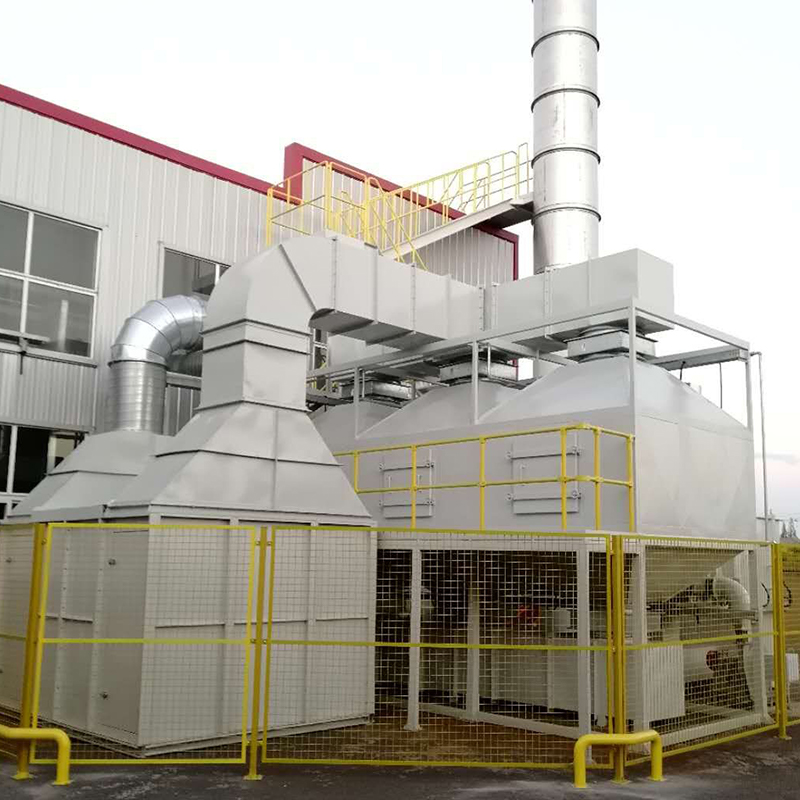
Waste Gas Treatment Equipment, electric-driven with stable power output, mainly composed of a gas collection hood, purification filter, fan, control system, and waste gas discharge device. It adopts o...
See Details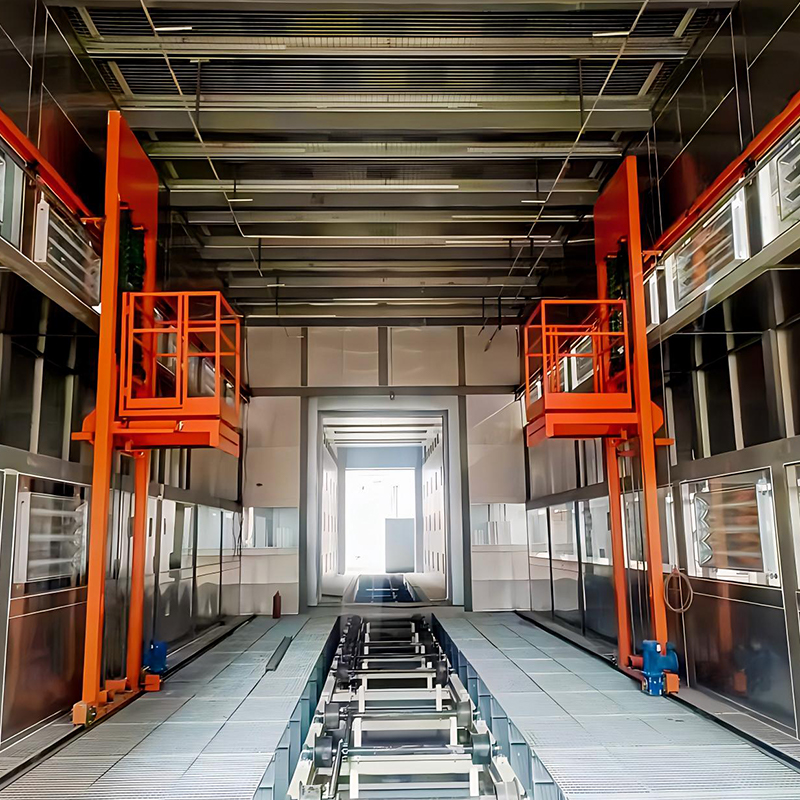
3-axis platform lifts feature three-dimensional movement of X, Y, and Z axes. Flexible positioning, stable lifting, and precise operation. Suitable for multi-angle operation and workpiece docking in i...
See Details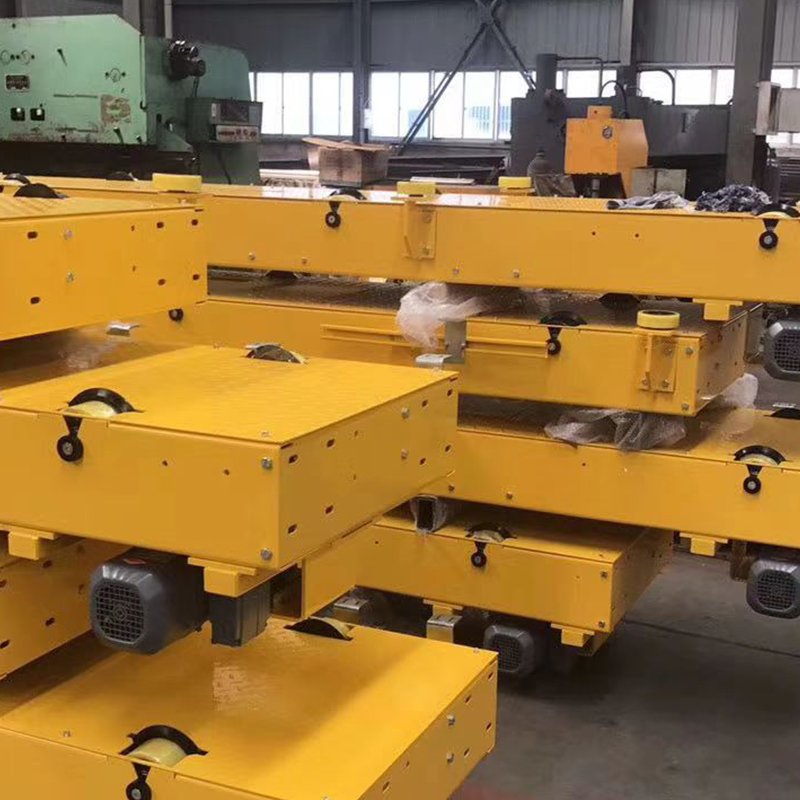
Platform Cart is a practical and efficient industrial handling equipment, widely used in factories, workshops, warehouses, logistics centers, and other places. It is composed of a sturdy load-bearing ...
See Details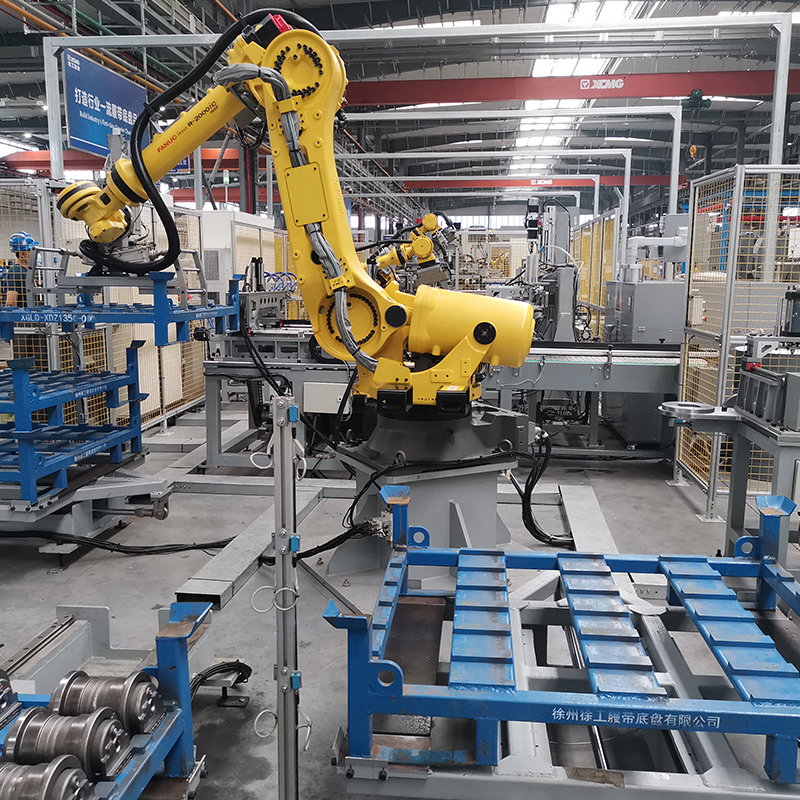
Professional production line specially designed for decorative manhole covers, applicable to various decorative manhole cover types (cast iron decorative manhole cover, stainless steel decorative manh...
See Details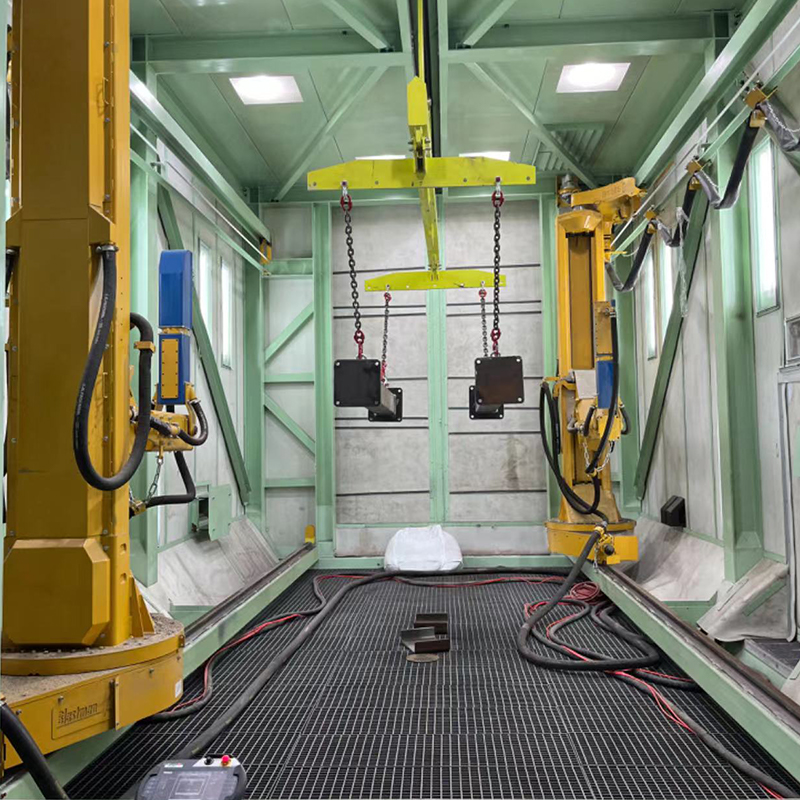
Professional coating line specially designed for large castings and heavy truck parts, applicable to various large castings (engineering castings, mining equipment castings, industrial castings) and h...
See Details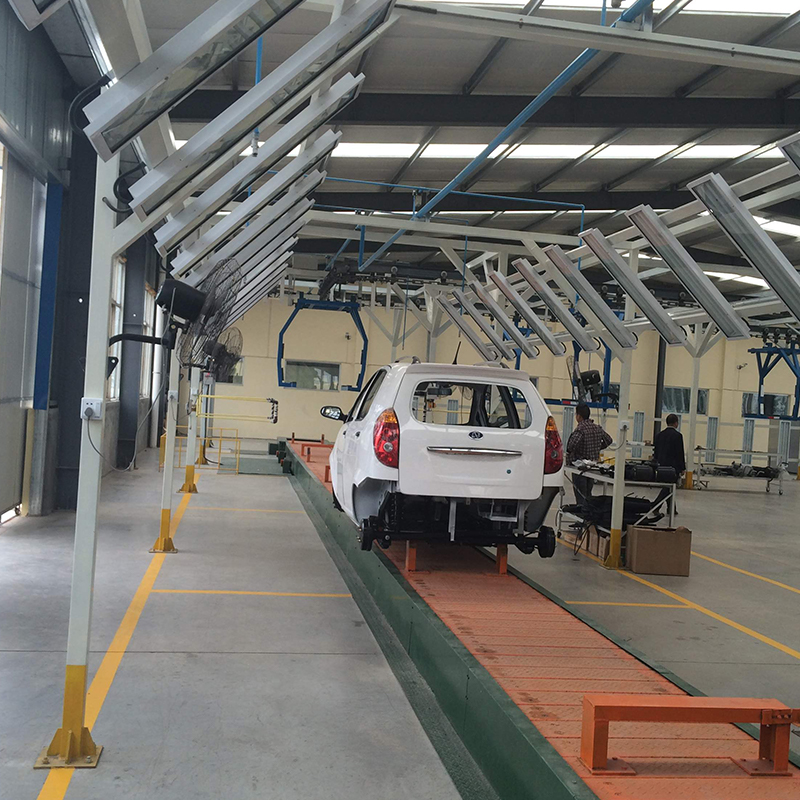
Professional electrophoresis coating line specially designed for electric vehicles (EVs), applicable to various EV types (passenger EV, commercial EV, new energy logistics vehicle) and EV components. ...
See DetailsBuild Your Customized Industrial Coating System
Send us your workpiece information, production capacity, coating process, workshop layout, and environmental requirements. Yueze will help evaluate your project and develop a suitable coating, conveying, drying, and environmental treatment solution.
Main menu
Products
Contact Us
Company Address:
No. 12, Park Avenue, Shanggang Industrial Park, Jianhu, Yancheng City, Jiangsu Province
Message Us Right Now!

Follow us: