
 русский
 عربى
عربى
 Tiếng Việt
3-axis platform lifts feature three-dimensional movement of X, Y, and Z axes. Flexible positioning, stable lifting, and precise operation. Suitable for multi-angle operation and workpiece docking in i...
See Details
Yueze Environmental Protection provides one-stop compliant industrial surface treatment solutions with professional tech and fine craftsmanship.
 Get Inquiries
2026-08-07
Content
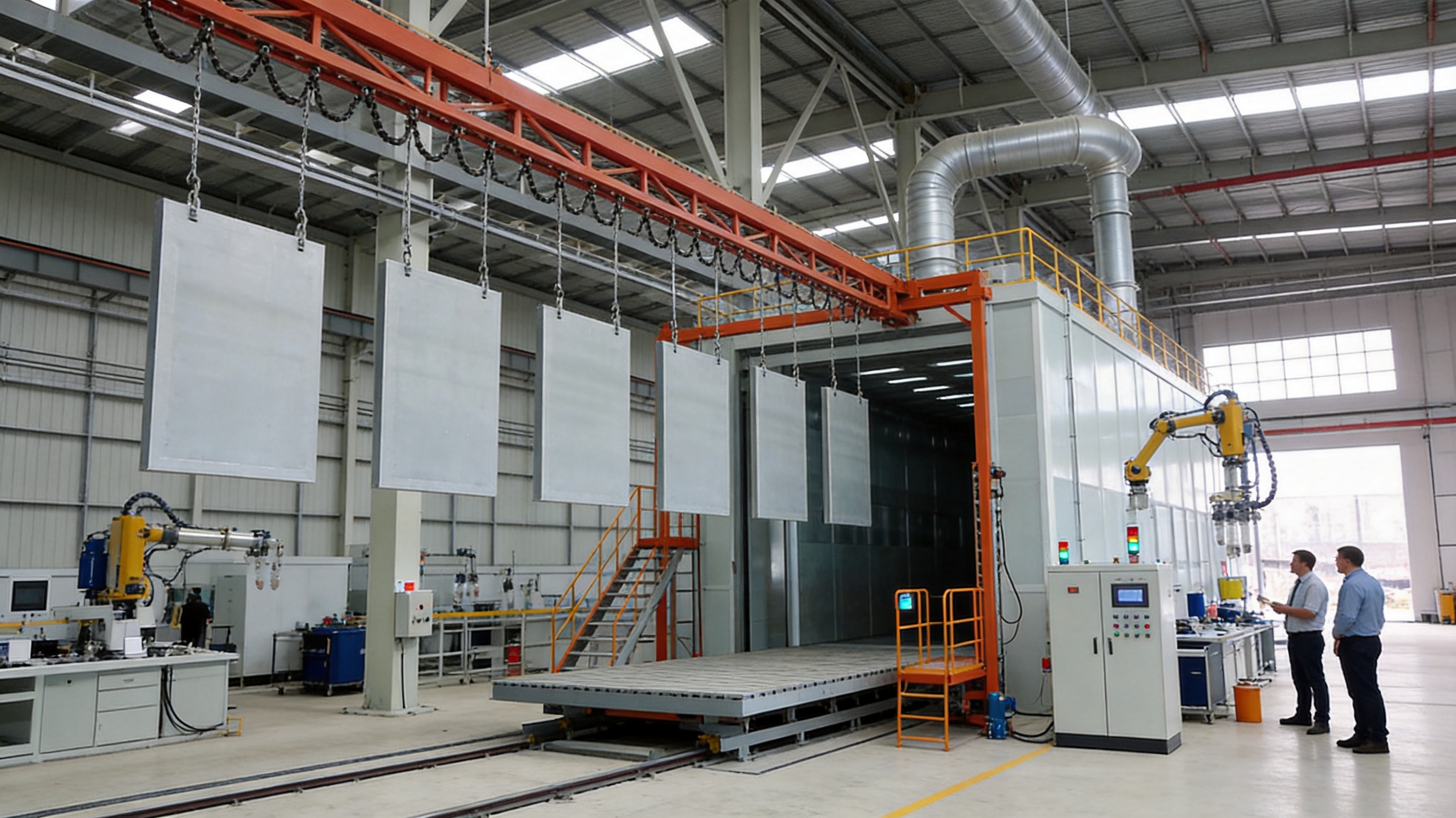
Modern industrial coating operations increasingly require more than a simple lifting table or manually repositioned workpiece. Large castings, vehicle bodies, fabricated structures, counterweight blocks, and irregular industrial components often need to be sprayed, inspected, sanded, assembled, or repaired from several directions. When the workpiece is heavy, oversized, or difficult to rotate, repeated manual handling can reduce productivity, create safety risks, and affect surface quality.
3-Axis Platform Lifts provide a practical solution by combining controlled movement along the X, Y, and Z axes. Instead of depending entirely on manual repositioning, operators can move the platform to the required height, lengthwise position, and lateral position. This creates a more flexible working environment for coating production lines, paint booths, sanding rooms, inspection stations, assembly areas, and other industrial processing applications.
A well-designed three-axis platform lift is more than a lifting device. It is an integrated positioning system that can be configured around the dimensions of the workpiece, the available workshop space, the production takt time, and the control requirements of the entire line. With servo or variable-frequency-drive control, stable load-bearing structures, programmable movement, and multiple safety protections, the equipment can support repeatable operations while reducing unnecessary manual intervention.
The 3-Axis Platform Lifts manufactured for industrial applications are designed to support precise positioning, reliable operation, flexible integration, and improved worker ergonomics. Their value is especially evident in coating environments where consistent spray distance, stable operator access, and complete surface coverage directly influence final product quality.
A 3-axis platform lift is an industrial positioning machine that enables a platform, operator station, or work-support structure to move in three directions. The vertical Z-axis raises and lowers the platform. The X-axis generally provides longitudinal travel along the length of a booth, production cell, or work area. The Y-axis provides transverse travel across the working width or depth.
By combining these three movements, the platform can be positioned close to a selected area of a workpiece. An operator may move upward to reach a high section, travel horizontally to align with a particular part, and shift laterally to maintain a suitable working distance. The result is a larger effective working range without requiring the workpiece to be lifted, dragged, or repeatedly rotated.
The system normally includes a structural platform, a lifting mechanism, horizontal travel assemblies, drive motors, guide rails, control equipment, limit devices, and safety protection. Depending on the application, it may also include an operator cabin, a spray-gun support, an access platform, a control pendant, programmable movement functions, or communication interfaces for connection with a coating line.
The precise configuration depends on the workpiece size, maximum load, required travel distance, operating environment, coating process, and desired automation level. A platform intended for manual touch-up spraying may require different dimensions and controls from a platform used for automated inspection, heavy-part sanding, or continuous production-line assembly.
Many industrial components have surfaces that cannot be reached comfortably from one fixed position. A tall casting may require access to its upper and lower areas. A long fabricated structure may extend beyond the operator’s natural reach. A vehicle body or counterweight block may contain recessed sections, side surfaces, corners, and concealed areas that must receive uniform treatment.
Without a three-axis positioning system, operators may need to move around the part, reposition ladders or mobile platforms, request assistance from material-handling personnel, or stop the line while the workpiece is adjusted. Each additional handling step consumes time and may introduce inconsistency. Heavy components can also be damaged when they are repeatedly moved, clamped, or rotated solely to improve access.
A 3-axis platform lift changes this approach. The workpiece can remain in a stable position while the platform travels to the required operating area. This reduces handling frequency and supports a more predictable process. The operator can maintain a comfortable posture, the spray gun or tool can be used from a more consistent angle, and the production team can reduce the interruptions associated with manual access arrangements.
Three-dimensional movement is also valuable in operations that are not directly related to painting. Sanding and grinding personnel can bring difficult surfaces to a comfortable height. Inspectors can move around a large component while maintaining a clear viewing position. Assembly workers can align their station with different installation points. Maintenance teams can use the platform to reach elevated areas without relying on improvised access equipment.
The vertical axis raises and lowers the platform according to the height of the work area. It is normally supported by a stable lifting structure designed for controlled movement and dependable load-bearing. Adjustable speed allows the operator or control program to select a smooth movement profile suitable for the workpiece and task.
Vertical positioning is particularly important in spraying and inspection. A platform that is too low can force the operator to bend or reach upward. A platform that is too high can create an unstable working posture or make it difficult to maintain the correct spray angle. Controlled vertical travel helps keep the work area within a practical operating zone.
The X-axis allows the platform to move along the length of the production cell. This is useful when a workpiece is substantially longer than the operator’s normal reach or when several processing zones are arranged in sequence. A platform can travel between different sections while the component remains fixed in its designated position.
Longitudinal travel may also help integrate a platform with spray booths, sanding rooms, inspection areas, or assembly stations. When the equipment is planned together with the surrounding line, the travel distance, stopping positions, and control logic can be selected to match the workflow.
The Y-axis moves the platform across the width or depth of the working area. This additional movement allows an operator to approach front, rear, left, right, and recessed sections of a component without repeatedly walking around it or moving the part itself.
Lateral movement is especially useful for wide workpieces, large fabricated assemblies, and coating booths where maintaining a consistent distance from the surface is important. It can also improve access to areas that are obstructed from a single central position.
The main benefit of a three-axis system comes from the combined use of all three movements. Instead of selecting from a limited number of fixed positions, the operator can approach a work area through a coordinated sequence. For repeat production, programmed positions can be established so that the platform returns to the same working zones with high repeatability.
Combined movement improves flexibility while maintaining a structured process. It does not merely increase the range of movement; it also reduces the need for improvised work methods. This makes the platform lift a useful bridge between manual operations and a more automated production line.
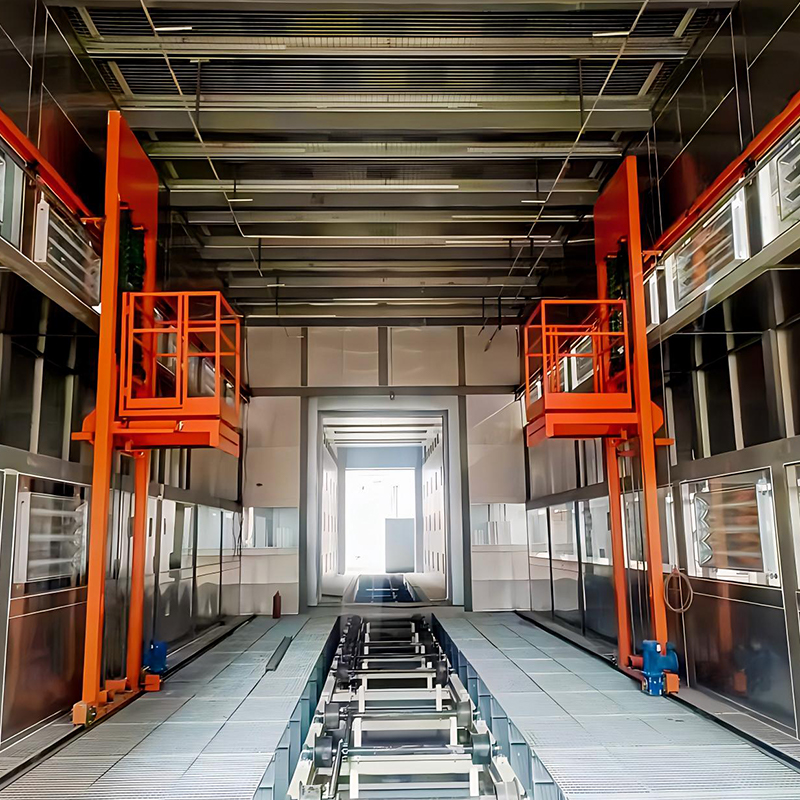
3-Axis Platform Lifts
The most important advantage is the ability to adjust the platform along three axes. This provides accurate access to different areas of a workpiece and supports more consistent operation than a single-axis lift or fixed work platform.
Precise positioning helps operators maintain a more stable distance during spraying, reach inspection points without excessive stretching, and align tools with assembly or finishing locations. When the same product is processed repeatedly, position settings can be established and reused, reducing variation between work cycles.
Stable movement is essential in coating applications. Excessive vibration or platform shaking can influence spray overlap, coating thickness, edge coverage, and operator control. A rigid structure, suitable guide arrangement, controlled drive system, and correctly selected load capacity all contribute to smooth operation.
Stable movement also benefits sanding and inspection. A steady platform makes it easier to apply consistent tool pressure and observe surface details. For assembly, it supports more reliable alignment between the worker, component, and installation point.
Depending on the required automation level, the lift may use servo control, variable-frequency-drive control, or another suitable electrical control configuration. Servo systems can support precise positioning and repeatable motion where detailed program control is required. Variable-frequency drives provide adjustable speed and smooth acceleration or deceleration for many industrial applications.
Controlled acceleration reduces sudden movement and can improve operator comfort. Adjustable speed also allows the system to be adapted to different activities. A slow, carefully controlled movement may be preferred during detailed inspection or coating, while a faster travel speed may be useful when the platform is moving between work zones.
Large industrial components often force workers to bend, climb, stretch, kneel, or work with their arms above shoulder height. These conditions can contribute to fatigue and make it more difficult to maintain consistent work quality over a full shift.
A 3-axis platform lift brings the working area to a more suitable position. The operator can adjust height and horizontal location rather than adapting the body to an inconvenient workpiece position. Improved ergonomics may help reduce repetitive strain and make manual coating, sanding, inspection, and assembly tasks easier to perform consistently.
Repeated movement of a heavy or delicate component creates risks. Clamps may leave marks, lifting equipment may cause impact damage, and each transfer requires additional coordination. By moving the platform instead of constantly moving the component, the production process can reduce unnecessary handling.
Fewer handling steps may also help shorten the time between process stages. This is valuable in coating production, where unnecessary waiting can affect line balance and increase work-in-process inventory.
The platform can be designed for a wide range of workpiece heights, dimensions, and operating positions. Adjustable movement ranges make the equipment suitable for different products or product families. Depending on the application, the platform can be integrated with a fixed workpiece support, a hanging conveyor arrangement, or a dedicated production fixture.
Such flexibility is important for manufacturers that produce multiple models or accept customized orders. A platform system designed with sufficient travel and load capacity can support changes in product size without requiring a complete redesign of the workshop.
Surface treatment quality depends on many factors, including preparation, material selection, equipment settings, spray technique, temperature, and operator access. A three-axis lift supports the access and positioning part of this equation.
When the operator can maintain a more suitable angle and distance, coating coverage may become more uniform. Difficult corners and elevated areas can be approached directly. In sanding or grinding, the work surface can be brought into a stable and comfortable position, helping reduce missed areas and inconsistent finishing.
3-axis platform lifts can be linked with spraying equipment, inspection systems, conveyor systems, and other production-line controls. Programmed positioning can reduce manual input for repeat operations. Signals may be exchanged with surrounding equipment so that the platform moves only when the relevant process conditions are satisfied.
This makes the equipment suitable for gradual automation. A company may begin with operator-controlled movement and later add preset positions, automatic sequencing, or communication with a centralized line-control system. The platform can therefore support both current operating needs and future production development.
A properly engineered platform lift can provide a large working range without requiring the entire workshop to be rearranged. The structure, travel paths, control cabinet, and safety devices can be planned around the existing booth or production cell.
Compact integration is particularly useful in facilities where floor space is limited. Instead of installing several separate access devices, a multi-axis system can serve several related tasks within one defined operating area.
Industrial lifting equipment must be designed with safety as a core consideration. Typical protection functions include lifting limits, travel limits, overload protection, emergency stop buttons, anti-fall measures, anti-deviation arrangements, and safety interlocks.
Limit devices help prevent travel beyond the designed range. Overload protection helps reduce the risk of operation outside the rated load. Emergency stop functions allow movement to be halted when an unsafe condition is identified. Anti-fall and anti-deviation features contribute to safer platform operation when the system is carrying a load.
Safety functions must be selected and implemented according to the actual design, operating conditions, and applicable industrial requirements. Operator training, inspection, maintenance, and correct use remain essential parts of the complete safety system.
Conventional positioning methods can include fixed scaffolding, ladders, mobile work platforms, manual workpiece rotation, forklift handling, simple single-axis lifts, or repeated movement between separate stations. These methods may be suitable for occasional or low-volume work, but they often become inefficient when large components require frequent access from different directions.
A fixed platform provides limited reach. A ladder may improve access to a high area but does not solve lateral positioning and may create additional movement risks. A mobile platform can be repositioned, but manual movement takes time and may not provide the repeatability required for production work. Moving the workpiece itself may require cranes, forklifts, or additional personnel.
A single-axis lift improves vertical access but still leaves the operator dependent on walking around the part or moving the component to reach other areas. A 3-axis platform lift combines vertical and horizontal positioning in one coordinated system. This can reduce handling, improve access, and create more repeatable operating conditions.
| Access Method | Positioning Capability | Handling Requirement | Typical Limitation |
|---|---|---|---|
| Fixed work platform | One fixed position | High when the workpiece is large | Limited access to different surfaces |
| Ladder or temporary access equipment | Limited vertical access | Usually requires repeated repositioning | Reduced convenience and limited working range |
| Manual workpiece rotation | Depends on lifting and fixture arrangement | High | Risk of delay, impact, or surface damage |
| Single-axis lift | Primarily vertical | Moderate | Limited lateral and longitudinal access |
| 3-axis platform lift | Vertical and two horizontal directions | Reduced | Requires proper planning and safety control |
The comparison does not mean that every application requires three-axis movement. The correct solution depends on the workpiece, production volume, available space, and process requirements. However, where multiple-angle access and stable operator positioning are important, the three-axis configuration offers a substantial functional advantage over simpler equipment.
Spray painting often requires the operator to keep a relatively consistent gun distance, movement speed, and spray angle. Large parts can make this difficult if the operator must reach over edges or work from the floor. A platform lift allows the operator to move to the correct height and travel along the workpiece while maintaining a more controlled position.
Touch-up coating is another important application. Even after automated or primary spraying, some areas may require manual correction. The platform can bring the operator directly to a small defect, edge, corner, or missed section without moving the entire part. This can shorten correction time and reduce the chance of damaging finished surfaces during handling.
Powder coating lines require coordinated preparation, coating, curing, conveying, and inspection. Platform lifts can be installed near manual spray areas, loading points, inspection stations, or special-treatment cells. They may support access to large components that cannot be conveniently processed from a fixed floor position.
Where powder coating is combined with an automated conveyor system, the lift can be planned around the hanger path and the workpiece envelope. This helps maintain clearance from surrounding equipment while providing the operator with a controllable working range.
In paint and bake booth environments, access equipment must be compatible with the booth layout and operating procedures. The platform dimensions, travel range, surface finish, controls, and safety functions should be selected according to the booth’s internal space and the coating process.
A three-axis lift can support manual spraying, inspection, masking, repair, and preparation activities. It can also help operators reach high or recessed surfaces while reducing the need for temporary access arrangements inside the booth.
Sanding and grinding of large components can be physically demanding. Operators may need to work on surfaces at different heights and depths while controlling a hand tool. A three-axis platform enables the work area to be positioned at a more comfortable height and distance.
For large-part grinding rooms, the platform may be configured with suitable load-bearing capacity, travel protection, and environmental considerations. Its movement can help the operator follow the geometry of the component while the part remains supported in a stable location.
Inspection personnel need a clear view of surfaces, edges, welds, corners, and coating transitions. A platform lift can move the inspector to different positions around a large workpiece. This supports more complete visual inspection and can reduce blind areas.
When an inspection process includes measuring instruments, cameras, or other equipment, the platform can be configured to provide repeatable positioning. Programmed stops may be used for standard inspection points, provided that the control system and safety arrangement are designed for this purpose.
Fabricated structures can contain joints and surfaces located above or below the normal working height. A three-axis lift can assist welders by bringing the work area into a practical position. This may reduce awkward posture and support more consistent access during welding preparation or finishing.
The platform can also be used for assembly of large structures, provided that the rated load, working envelope, and safety controls are appropriate for the operation.
Assembly workers often need to align tools, parts, and fixtures with different sections of a component. A lift that can travel in three directions provides greater positioning flexibility than a fixed work table. It can also serve as an interface between conveyor movement and a manual assembly station.
In workpiece handling, the platform may reduce the need for repeated forklift or crane operations inside the production area. This can help create a more organized workflow, although all load-transfer and interlocking requirements must be carefully engineered.
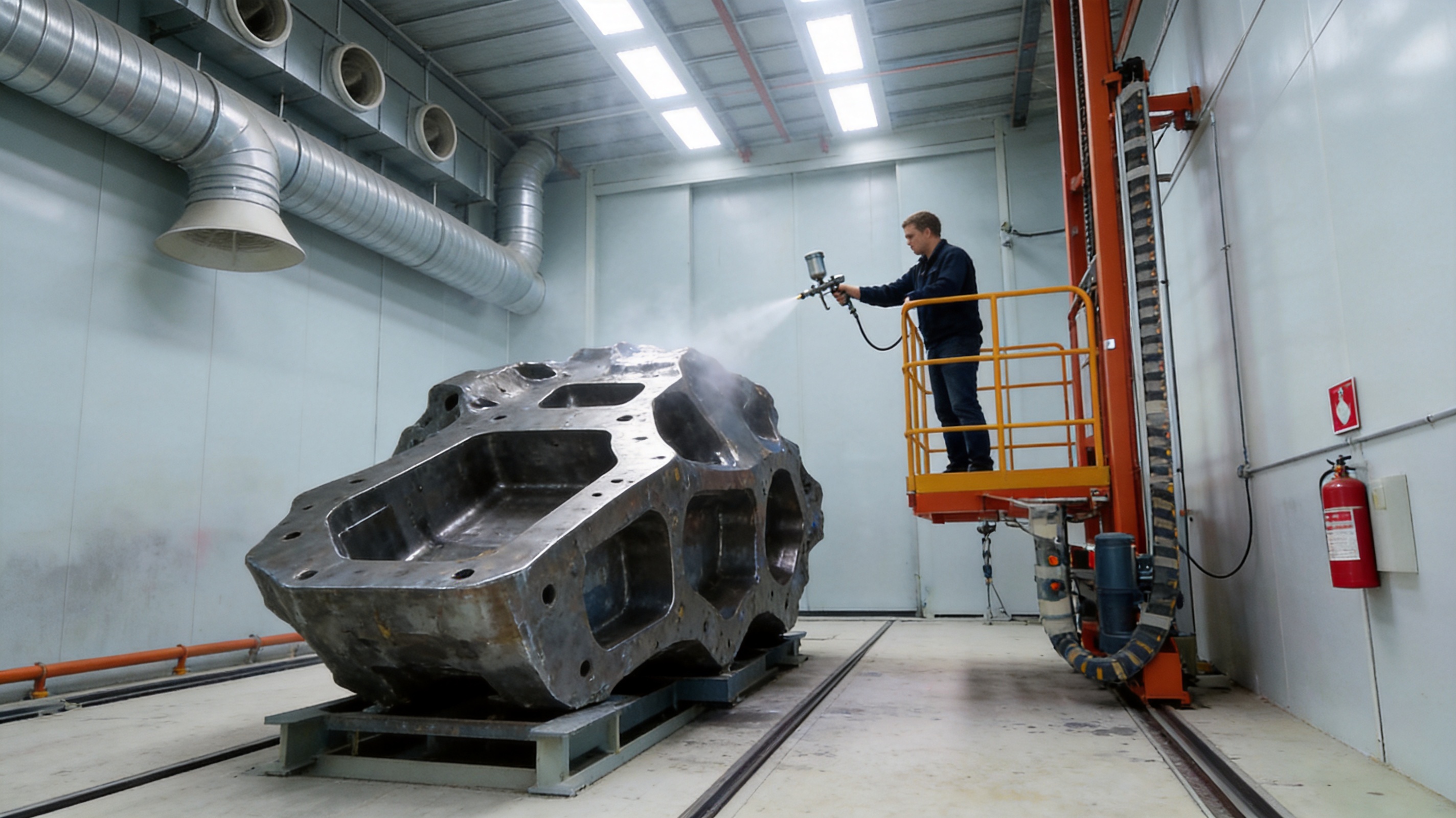
Every coating workshop has different requirements. Workpiece dimensions, booth length, conveyor arrangement, process sequence, ventilation, operator access, and available floor area all influence the lift design. For this reason, a 3-axis platform lift should be treated as part of the production line rather than as an isolated standard machine.
During the planning stage, the engineering team should examine the complete operating envelope. This includes the maximum and minimum workpiece dimensions, the highest point to be reached, the required horizontal travel, the platform load, operator position, tool clearance, conveyor clearance, and emergency access. The movement range should be sufficient for the intended work while avoiding unnecessary oversizing.
Control integration is also important. The lift may operate through local push-button controls, a pendant, a control panel, or a more advanced programmable system. If it is connected to a spraying line, inspection equipment, or automated conveyor, the control logic should define when movement is permitted and how the platform responds to line status, emergency conditions, or maintenance requirements.
For repeat production, preset positions can be established for common workpieces. These positions may represent coating zones, inspection points, or assembly locations. Programmed movement can reduce operator adjustment time, but manual override and emergency functions should remain available when required by the operating concept.
The platform should also be coordinated with environmental equipment. Coating lines may include paint booths, powder recovery systems, drying ovens, infrared radiation systems, exhaust ducts, and flue gas purification equipment. The lift must not obstruct airflow, maintenance access, fire protection, or the movement of suspended workpieces.
The performance of a three-axis platform lift depends heavily on how it is engineered and manufactured. Structural accuracy, drive alignment, electrical control, welding quality, surface treatment, assembly precision, and final testing all influence the service life and operating stability of the equipment.
Jiangsu Yue Ze Environmental Protection Equipment Co., Ltd. is located in Yancheng, Jiangsu, China, and covers approximately 35,000 square meters. With a registered capital of 58 million yuan and more than 40 years of experience, the company provides integrated industrial surface-treatment and environmental-protection equipment solutions.
The company’s product experience includes powder coating lines, electric vehicle assembly lines, automotive counterweight spray lines, paint and bake booths, large-part grinding rooms, waste gas treatment equipment, infrared radiation drying systems, automated conveying systems, intelligent coating lines, and related environmental equipment. This broad product range is valuable when designing a platform lift for a complete production environment.
A supplier that understands only lifting equipment may not fully account for the requirements of a coating line. By contrast, experience with booths, conveyors, drying systems, exhaust treatment, and surface preparation helps the engineering team consider how the platform will operate alongside other equipment. This supports better layout coordination and reduces the possibility of treating the lift as an afterthought.
Integrated research and development allows equipment to be adapted to actual customer requirements. A custom lift may need a special platform size, extended travel, increased capacity, a particular control method, or connection with an existing conveyor. Engineering design can address these requirements before manufacturing begins.
Customization may also involve the arrangement of access points, control cabinets, guide systems, safety devices, and maintenance areas. The objective is not simply to make the lift larger or stronger, but to ensure that its complete configuration matches the workpiece and production process.
The platform frame and supporting structure must withstand the operating load and repeated movement. Manufacturing therefore requires attention to material selection, cutting, welding, dimensional control, guide alignment, and assembly accuracy. A rigid structure helps reduce vibration and supports repeatable travel.
Mechanical components should be selected according to the expected duty cycle, environmental conditions, travel speed, and load. Drive systems, guide rails, bearings, lifting elements, and protective components must work together rather than being selected independently.
Electrical control is central to the performance of a three-axis system. Control panels, inverters, servo components, sensors, limit switches, emergency-stop circuits, and communication interfaces must be assembled and tested as an integrated system.
Good control design provides smooth starting and stopping, adjustable speed, repeatable positioning, fault indication, and safe response to abnormal conditions. Where the lift is connected to a coating production line, the control architecture should be coordinated with the wider line-control strategy.
Quality control should cover the complete manufacturing process. Structural dimensions, welds, drive alignment, movement range, load-bearing performance, electrical functions, safety devices, and control response should be checked before delivery.
Testing under simulated operating conditions can reveal issues that may not be visible during static inspection. The platform should be operated through its intended travel range, and protective devices should be verified. Where programming is included, preset positions and sequencing functions should also be reviewed.
Installation quality directly influences long-term operation. The equipment must be positioned accurately, anchored or supported according to its design, connected to power and control systems, and checked against surrounding equipment. Commissioning should confirm that travel limits, clearances, emergency stops, and interlocks operate correctly.
Customer personnel should receive instruction on operation, daily inspection, emergency procedures, cleaning, lubrication where applicable, and planned maintenance. Clear operating procedures help preserve both productivity and safety.
Standard equipment can be useful when the application is simple and the operating conditions are predictable. However, coating production lines frequently involve unusual workpiece shapes, restricted workshop dimensions, multiple process stages, and special environmental requirements. A customized design can address these factors more effectively.
Customization allows the platform length, width, height, load capacity, travel distance, drive arrangement, control method, and safety layout to be selected for the actual process. It may also allow the lift to fit an existing booth, conveyor, or inspection station without forcing major changes to the rest of the facility.
A custom solution can improve utilization. If the platform is designed around the product family, operators can access the necessary areas without excessive unused travel. Correct sizing may also help reduce installation obstacles and make maintenance more straightforward.
Customization does not mean that every component must be unique. A professional manufacturer can combine proven mechanical and electrical elements with an application-specific structure and control concept. This approach can provide the benefits of established technology while addressing the customer’s individual requirements.
Production managers are concerned with throughput, quality, safety, labor utilization, and equipment availability. A three-axis platform lift can contribute to each of these objectives when properly integrated.
By reducing manual repositioning, the lift can shorten access time for large components. By providing repeatable positioning, it can help reduce variation between operators and work cycles. By improving access, it may reduce missed areas and rework. By supporting a more comfortable working posture, it can help improve the practical working conditions in demanding manual operations.
The equipment can also make production planning more predictable. When the platform has defined travel paths and preset positions, the process is less dependent on improvised movement. This supports clearer work instructions and more consistent cycle-time estimation.
For companies expanding automation gradually, the lift provides a flexible foundation. Operators can control the platform manually at the beginning, while future upgrades may include programmed locations, line communication, automated inspection, or integration with robotic spraying equipment.
Regular maintenance is essential for any lifting and positioning machine. Operators should perform routine checks for unusual noise, abnormal vibration, damaged cables, loose fasteners, guide contamination, sensor problems, and visible structural damage. Any fault affecting safe movement should be reported and corrected before continued operation.
Maintenance personnel should follow the manufacturer’s procedures for inspection, lubrication, electrical testing, and replacement of wear components. Travel limits and emergency-stop functions should be checked at planned intervals rather than only after a problem occurs.
The coating environment may contain dust, powder, paint mist, abrasive particles, or chemical residues. These materials can affect guides, sensors, control cabinets, and moving components if they are not properly protected or cleaned. The platform’s environmental protection measures should match the actual workshop conditions.
Preventive maintenance can reduce unplanned downtime and help maintain positioning accuracy. A record of inspections, repairs, and component replacement can also help identify recurring issues and support better maintenance planning.
Only trained personnel should operate the platform lift. Operators should understand the rated load, movement controls, travel limits, emergency-stop locations, and safe working zone before beginning production.
The platform should never be loaded beyond its rated capacity. Tools, materials, and other items should be secured so that they cannot fall during movement. Personnel should remain within the designated safe area and should not bypass interlocks or protective devices.
Before movement begins, the operator should check for people, tools, workpieces, conveyors, booth components, and other obstructions. The platform should be stopped immediately if abnormal noise, vibration, unexpected movement, or control malfunction occurs.
During maintenance, the equipment should be isolated according to the site’s lockout and safety procedures. Mechanical support and electrical isolation should be applied where required. Safety devices should never be treated as a replacement for proper training, housekeeping, inspection, and responsible operation.
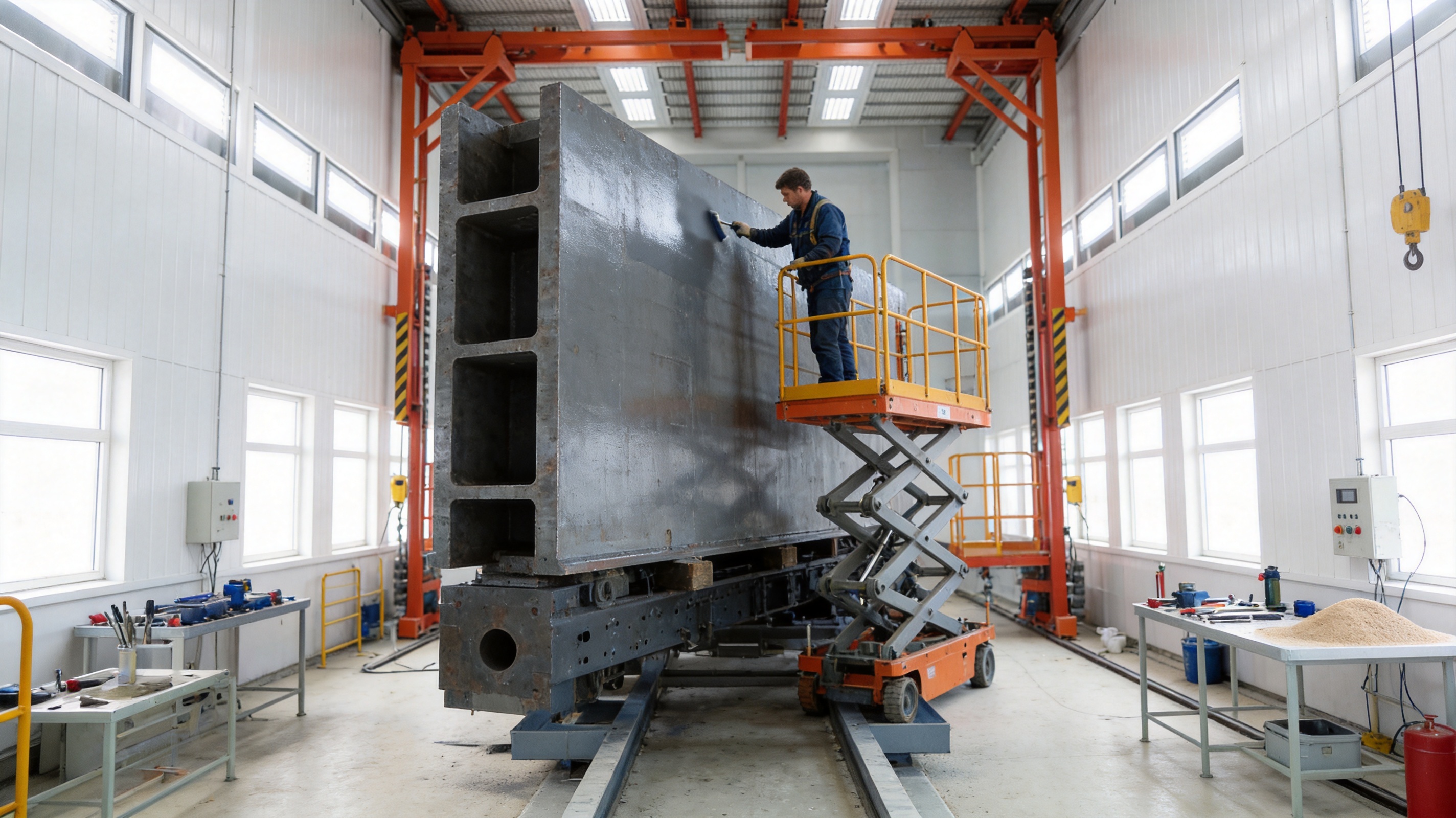
When selecting a 3-axis platform lift, buyers should begin with the application rather than with a general equipment description. The most suitable system is determined by how the platform will be used, what it will carry, and how it must interact with the rest of the production line.
Provide the manufacturer with the minimum and maximum workpiece dimensions, weight range, shape, support method, and center-of-gravity information. If an operator, spray gun, sanding tool, fixture, or inspection device will be carried, these items must be included in the rated load calculation.
Define the actual distance required on the X, Y, and Z axes. The working range should cover the largest product and provide adequate clearance without creating unnecessary structure or travel. The required accuracy and repeatability should also be identified.
Describe whether the lift will operate in a paint booth, powder coating area, sanding room, inspection zone, assembly line, or another industrial environment. Dust, paint mist, powder, humidity, temperature, ventilation, and cleaning methods may influence the design of electrical and mechanical protection.
Decide whether the platform will be manually operated, controlled through presets, or fully linked with other equipment. A clear automation plan helps determine the appropriate control hardware, sensors, communication interfaces, and software functions.
Consider the number of cycles per shift, expected duty cycle, required movement speed, and future production growth. A platform for occasional access may have different requirements from equipment operating continuously in a high-volume coating line.
Check the available foundation, ceiling height, aisle width, power supply, maintenance access, and delivery route. Buyers should also clarify installation support, commissioning, training, spare parts, technical documentation, and after-sales service.
| Application | Primary Requirement | Useful Configuration Feature | Expected Process Benefit |
|---|---|---|---|
| Manual touch-up spraying | Stable access to selected coating areas | Adjustable speed and accurate positioning | More consistent touch-up quality |
| Large-part sanding | Comfortable tool height and reach | Wide vertical and lateral travel | Reduced awkward posture and rework |
| Quality inspection | Clear view of complete surfaces | Three-axis movement and preset stops | Improved inspection coverage |
| Assembly station | Alignment with multiple work areas | Programmable positioning and line communication | More organized manual assembly |
| Automated coating support | Coordination with production equipment | Interlocks and control-system integration | Better synchronization and reduced intervention |
A standard lifting table generally provides vertical movement only. A three-axis platform lift provides vertical movement plus travel in two horizontal directions. This allows the operator or platform to reach more areas of a large workpiece without manually moving the part.
The equipment can be used in industrial painting, powder coating, vehicle and automotive component production, casting, fabrication, welding, sanding, grinding, inspection, assembly, workpiece handling, and automated production lines. The final configuration should be selected according to the product, process, and workshop environment.
Yes. Large and irregularly shaped components are among the applications that benefit most from three-dimensional positioning. The platform dimensions, travel range, and load capacity should be customized based on the largest workpiece and the areas that require access.
In many applications, the platform is designed to move around or alongside a stationary workpiece. This reduces repeated handling of heavy components. The exact arrangement depends on the workpiece support, production layout, and required process sequence.
Yes. It can help the operator reach high, low, lateral, and recessed surfaces while maintaining a more suitable working position. Adjustable movement and stable operation can support more consistent spray distance and access during touch-up or manual coating.
Yes. The lift can be planned for integration with powder coating lines, automated conveying systems, inspection equipment, and other production-line components. The control method and safety interlocks should be designed according to the specific integration requirements.
Common functions include lifting and travel limits, overload protection, emergency stop buttons, anti-fall protection, anti-deviation measures, and safety interlocks. The final safety configuration depends on the equipment design, site conditions, and applicable industrial requirements.
Yes. Servo or variable-frequency-drive control can provide smooth movement and adjustable speed. The suitable speed depends on the operation. Detailed spraying or inspection may require slower positioning, while movement between work zones may use a faster travel speed.
Where programmable control is included, the platform may support preset positions for repeated workpieces or process locations. The number and function of presets depend on the selected control system and the customer’s production requirements.
The platform can bring the working area to a more comfortable height and distance. This helps reduce excessive bending, stretching, climbing, and overhead work during spraying, sanding, inspection, or assembly.
Useful information includes workpiece dimensions and weight, required load capacity, X, Y, and Z travel ranges, operating environment, production cycle, control preference, available installation space, surrounding equipment, and the intended application.
Customized configurations can be developed for existing or new production lines. Dimensions, travel range, load capacity, control functions, safety arrangement, and integration details may be adapted to the customer’s workpiece and workshop requirements.
A complete project may include paint and bake booths, powder coating lines, sanding or grinding rooms, automated conveyors, infrared radiation drying systems, waste gas treatment equipment, flue gas purification systems, and other environmental-protection equipment.
A platform lift must operate safely and reliably within a complete industrial process. Experience with coating lines, booths, conveyors, drying systems, environmental equipment, and large-part handling helps the manufacturer coordinate the lift with the rest of the production system rather than designing it as an isolated machine.
The quality of a platform lift is influenced by more than its visible steel structure. The drive system, guide arrangement, control logic, safety circuit, installation method, and relationship with adjacent equipment all affect the final result. An experienced manufacturer can evaluate these factors together.
Jiangsu Yue Ze Environmental Protection Equipment Co., Ltd. provides one-stop surface-treatment and environmental-protection solutions, including research and development, manufacturing, installation, commissioning, and customized equipment service. Its experience covers coating production lines and supporting systems for large industrial components.
In 2014, the company pioneered a hanging automatic painting process line for casting counterweight blocks. The process covered finishing and polishing, primer application, and topcoat application. Experience with such complete process arrangements demonstrates the importance of coordinating material handling, surface preparation, coating, drying, and quality control.
This background supports the development of platform lifts that can fit into larger production concepts. The company’s strengths include customer-focused engineering, strict quality control, advanced production technology, green manufacturing, and global cooperation. These capabilities are relevant to customers seeking equipment that can be installed as part of a new line or integrated into an existing workshop.
For an industrial buyer, the strongest solution is not necessarily the cheapest individual machine. A properly engineered system can provide better long-term value by reducing handling time, improving operator access, supporting repeatable quality, and allowing future automation. Equipment selection should therefore consider service life, maintenance, integration, safety, and production performance in addition to the initial purchase cost.
3-Axis Platform Lifts provide flexible, stable, and precise positioning for industrial operations that require access to large or irregularly shaped workpieces. By combining X, Y, and Z movement, they allow operators to reach different surfaces while reducing the need to move heavy components manually.
The main advantages include three-directional positioning, stable lifting, adjustable movement speed, improved ergonomics, reduced handling, higher process consistency, support for automation, compact integration, and comprehensive safety protection. These benefits make the equipment suitable for spraying, powder coating, sanding, grinding, inspection, welding, assembly, and workpiece handling.
Its effectiveness depends on correct engineering. Load capacity, travel range, operating environment, control method, line layout, safety devices, and maintenance access must all be considered during design. A customized solution can provide better compatibility with existing production equipment and greater flexibility for future manufacturing needs.
With more than 40 years of industrial equipment experience, Jiangsu Yue Ze Environmental Protection Equipment Co., Ltd. combines equipment manufacturing with knowledge of coating lines, paint and bake booths, grinding rooms, conveyors, drying systems, waste gas treatment, and environmental-protection solutions. This integrated capability helps customers develop practical and coordinated systems for modern surface-treatment production.
For companies seeking a reliable method of improving access, operator comfort, coating quality, and production-line flexibility, a properly designed 3-axis platform lift can become an important part of an efficient and intelligent industrial processing system.
1. Industrial lifting and positioning equipment design principles, including load assessment, travel control, stability, and preventive maintenance.
2. General industrial surface-treatment process practices for spray painting, powder coating, sanding, grinding, inspection, and assembly.
3. General machinery safety practices concerning emergency stops, overload protection, travel limits, anti-fall devices, interlocks, and operator training.
4. Production-line integration principles for conveyors, coating booths, drying systems, inspection stations, and environmental-protection equipment.
5. Manufacturer-provided technical information for 3-Axis Platform Lifts and customized coating production line equipment.
3-axis platform lifts feature three-dimensional movement of X, Y, and Z axes. Flexible positioning, stable lifting, and precise operation. Suitable for multi-angle operation and workpiece docking in i...
See Details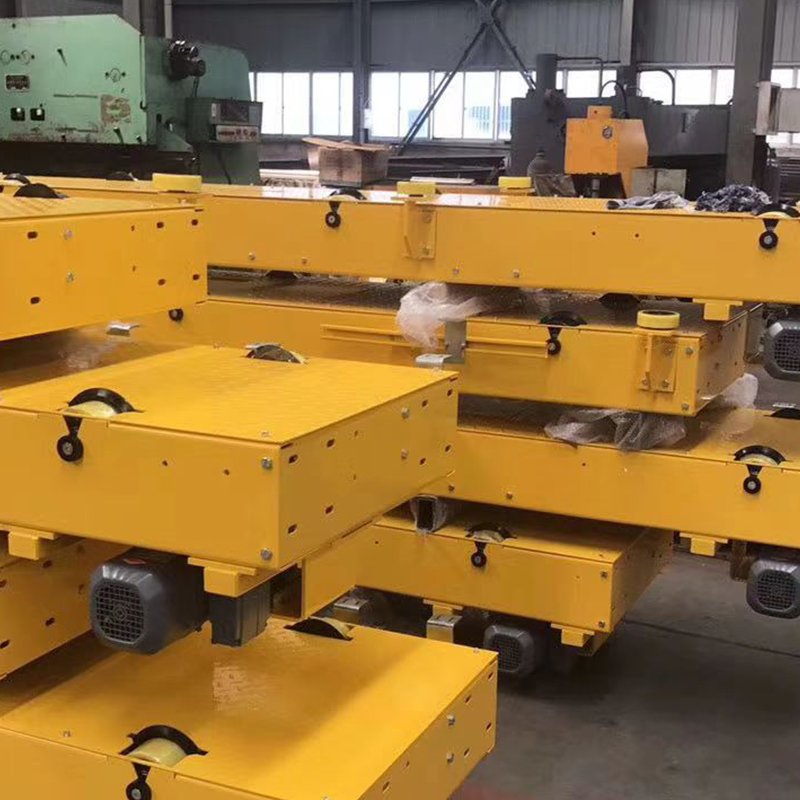
Platform Cart is a practical and efficient industrial handling equipment, widely used in factories, workshops, warehouses, logistics centers, and other places. It is composed of a sturdy load-bearing ...
See Details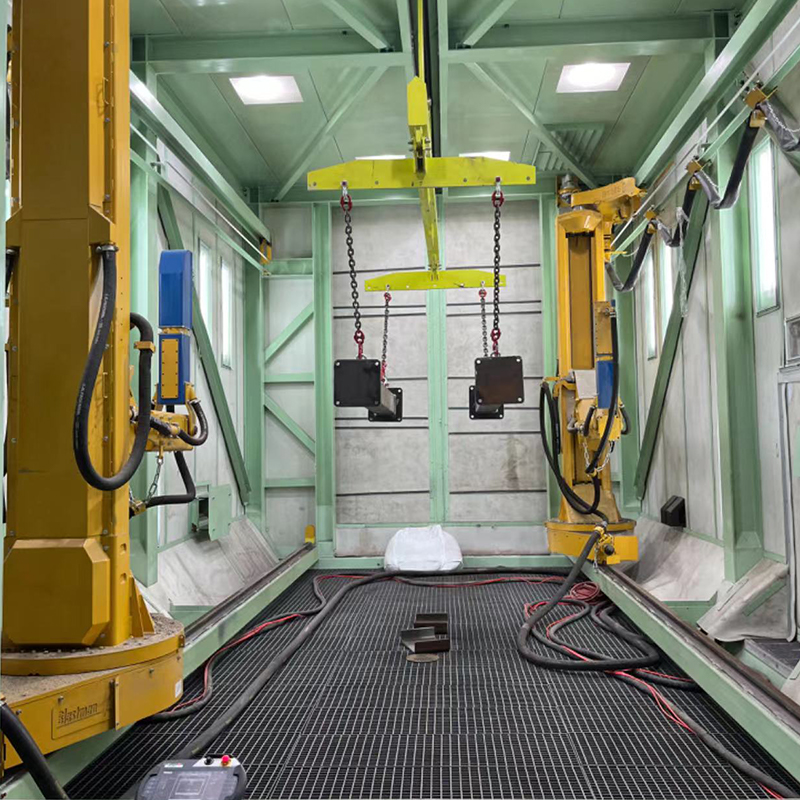
Professional coating line specially designed for large castings and heavy truck parts, applicable to various large castings (engineering castings, mining equipment castings, industrial castings) and h...
See Details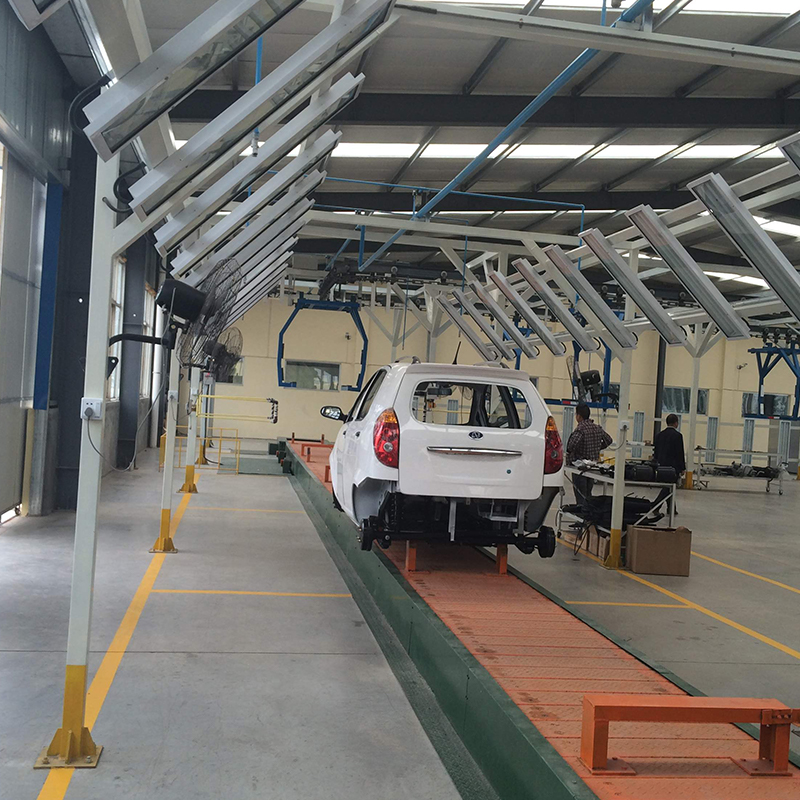
Professional electrophoresis coating line specially designed for electric vehicles (EVs), applicable to various EV types (passenger EV, commercial EV, new energy logistics vehicle) and EV components. ...
See Details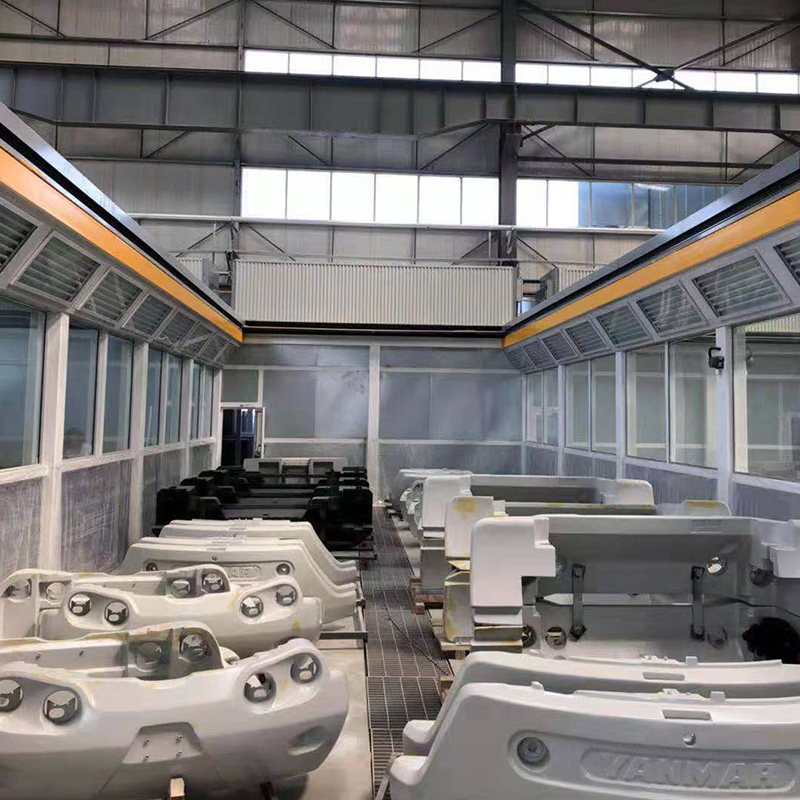
Professional spray coating line specially designed for car wheel manufacturing and refurbishment, applicable to various car wheel types (steel wheel, aluminum alloy wheel, forged wheel, cast wheel, pa...
See Details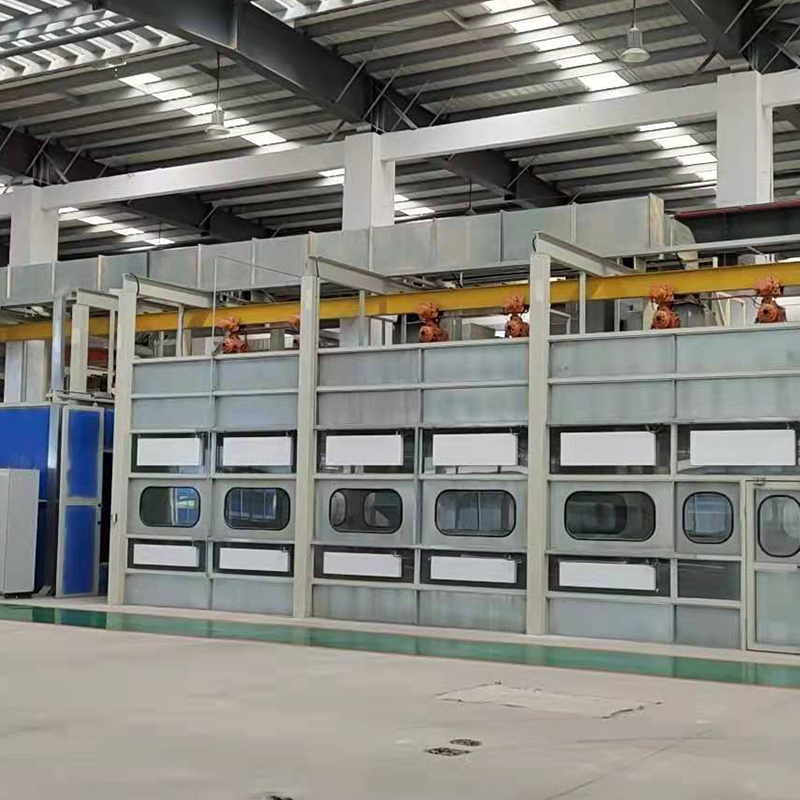
Professional spray coating line designed for engine manufacturing and maintenance, applicable to various engine types (gasoline engine, diesel engine, electric vehicle engine). Main types: engine bloc...
See DetailsBuild Your Customized Industrial Coating System
Send us your workpiece information, production capacity, coating process, workshop layout, and environmental requirements. Yueze will help evaluate your project and develop a suitable coating, conveying, drying, and environmental treatment solution.
Main menu
Products
Contact Us
Company Address:
No. 12, Park Avenue, Shanggang Industrial Park, Jianhu, Yancheng City, Jiangsu Province
Message Us Right Now!

Follow us: