
 русский
 عربى
عربى
 Tiếng Việt
Professional maintenance line specially designed for carriages and tankers, applicable to various types of carriages and tankers (railway boxcar, gondola car, flatcar, oil tanker, chemical tanker, LNG...
See Details
Yueze Environmental Protection provides one-stop compliant industrial surface treatment solutions with professional tech and fine craftsmanship.
 Get Inquiries
2026-08-13
Content
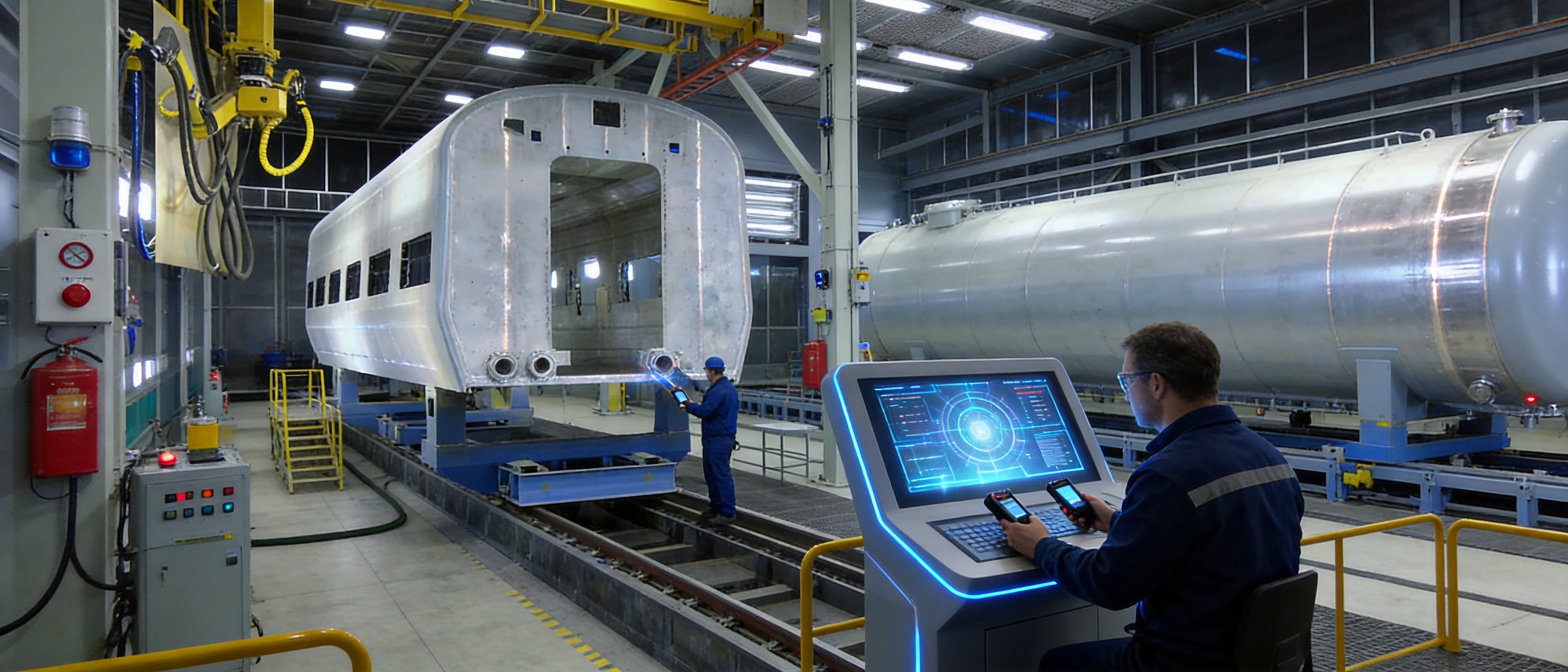
Carriages and tankers operate in demanding environments where corrosion, impact, abrasion, chemical exposure, weather, and repeated loading cycles gradually reduce the condition of the vehicle body. Railway boxcars, gondola cars, flatcars, oil tankers, chemical tankers, LNG and LPG tankers, and viscous oil tankers all require maintenance processes that are more comprehensive than ordinary repainting. Their large dimensions, considerable weight, complex structures, and strict safety requirements call for dedicated equipment that can combine inspection, surface preparation, coating, curing, testing, and environmental protection in one coordinated system.
A Carriage & Tanker Maintenance Line is designed for this purpose. It integrates the principal stages of large-vehicle maintenance into a modular production line that can be configured around the customer’s workshop layout, fleet structure, production volume, and regulatory requirements. Instead of relying on separate, disconnected work areas, a dedicated line creates a controlled route for each carriage or tanker, from initial inspection and old coating removal to final quality verification.
Jiangsu Yue Ze Environmental Protection Equipment Co., Ltd. develops customized industrial surface treatment and environmental protection equipment for large and complex workpieces. Based in Yancheng, Jiangsu, China, the company covers approximately 35,000 square meters and has a registered capital of 58 million yuan. With more than 40 years of experience in industrial equipment manufacturing, Yueze combines engineering design, fabrication, automation integration, installation, commissioning, and after-sales support to provide complete maintenance line solutions.
The maintenance line can be adapted to different carriage and tanker types, dimensions, tonnages, surface conditions, and process requirements. Its modular configuration allows users to select the functions they need at the initial stage and expand or upgrade the system as maintenance capacity develops. This flexibility makes it suitable for railway maintenance depots, tanker service centers, transport equipment manufacturers, fleet operators, and specialized industrial coating contractors.
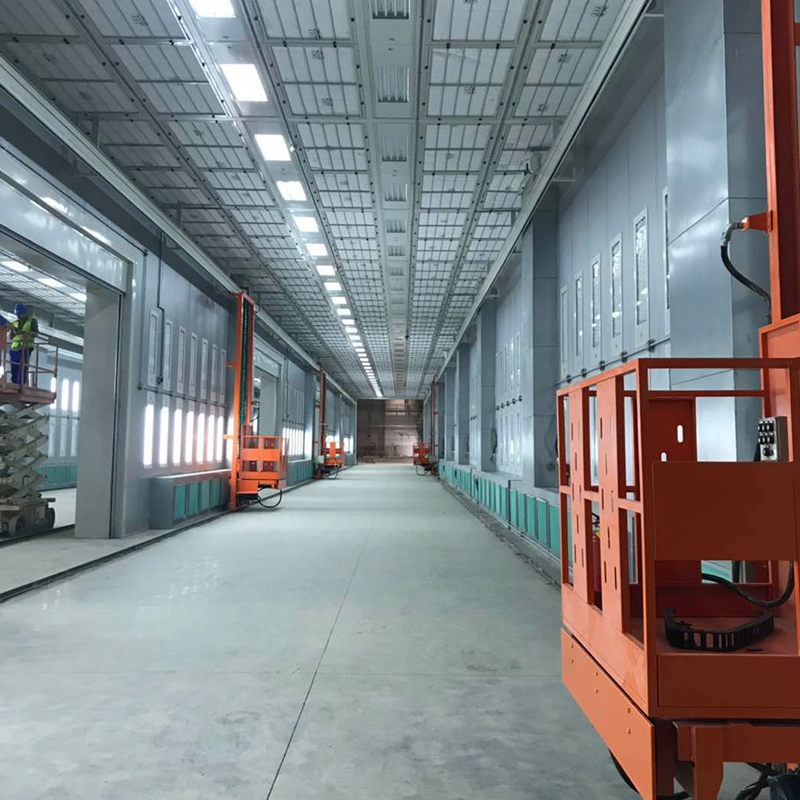
Carriage & Tanker Maintenance Line
Large transport equipment cannot be treated in the same way as small metal components or ordinary road vehicles. A carriage or tanker may extend across a substantial workshop length, contain multiple structural sections, and require access to sidewalls, roofs, undersides, doors, frames, tanks, fittings, wheel assemblies, and other difficult-to-reach areas. Its maintenance process must therefore coordinate movement, positioning, lighting, ventilation, dust collection, coating application, curing, and inspection.
Adapting small-vehicle equipment to large transport bodies often creates practical limitations. The workpiece may not fit comfortably inside the booth, operators may need to reposition the vehicle manually, and coating conditions may vary from one section to another. These problems can result in uneven surface preparation, inconsistent film thickness, overspray accumulation, longer turnaround times, and increased labor requirements.
A dedicated carriage and tanker maintenance line addresses these issues by organizing the workshop around the actual size and structure of the equipment being maintained. Positioning and lifting systems can be designed according to the vehicle’s length, width, height, axle arrangement, and weight. Surface preparation zones, painting areas, drying chambers, and inspection stations can be arranged in sequence to reduce unnecessary movement and improve process control.
The line is also suitable for vehicles with different service histories. A railway boxcar with localized corrosion may require targeted repair and recoating, while an oil tanker or chemical tanker may need cleaning, internal inspection, leak detection, explosion-protected equipment, and more stringent safety controls. A modular line allows the process to be adjusted according to the condition and purpose of each vehicle.
The maintenance line is designed to serve a wide category of railway and industrial transport equipment. Its main applications include railway boxcars, gondola cars, flatcars, oil tankers, chemical tankers, LNG and LPG tankers, viscous oil tankers, and other large metal transport bodies.
For railway carriages, the system may support body inspection, old paint removal, rust removal, welding repair, shaping, primer application, topcoat application, drying, marking, and final inspection. Different carriage types can be accommodated through adjustable positioning systems and a process layout designed for varying body dimensions.
For tankers, the equipment can include exterior surface treatment, tank cleaning, leak detection, structural inspection, coating, curing, and safety-related testing. The configuration can be adjusted for fuel tanks, chemical tanks, insulation tanks, and other special-purpose tank bodies. Where the cargo history or material characteristics require additional precautions, the line can be equipped with suitable ventilation, explosion-proof, anti-static, and waste gas treatment measures.
The product scope can be organized into several principal line types:
This broad application range is an important advantage over equipment designed for only one vehicle category. A user can develop a maintenance facility that serves several types of transport equipment without installing an entirely separate line for every model.
A well-designed maintenance line connects several individual operations into a single controlled workflow. The exact sequence depends on the customer’s technical requirements, but a typical process includes receiving and positioning, inspection, cleaning, old coating removal, surface preparation, repair, primer application, topcoat application, curing, testing, and final release.
The first stage identifies the existing condition of the carriage or tanker. Operators may inspect corrosion, dents, cracks, weld areas, coating failure, contamination, leakage risks, damaged fittings, and areas requiring structural repair. Recording the condition before treatment helps determine whether the vehicle needs localized maintenance or full-body renovation.
Inspection information can also support fleet management. When maintenance records are standardized, operators can compare the condition of different vehicles, identify recurring failure areas, and schedule future maintenance based on actual operating conditions rather than appearance alone.
Oil, grease, cargo residue, dust, scale, and deteriorated coating must be removed before a new protective system can be applied. Depending on the vehicle and its service history, the maintenance line may use cleaning, grinding, mechanical treatment, blasting, or other preparation methods.
Old coating removal is especially important where corrosion has developed beneath the film. Applying a new coating over weak, contaminated, or poorly bonded material can cause premature peeling and reduce the service life of the repair. A dedicated preparation area allows operators to remove deteriorated layers while collecting dust and waste in a controlled manner.
Sandblasting or abrasive treatment creates a clean and appropriately profiled surface for primer adhesion. The process must reach broad flat areas as well as corners, seams, structural transitions, and other locations where rust and coating residue may remain. Consistent preparation helps reduce coating defects and improves the reliability of the finished system.
The maintenance line can integrate blasting equipment, abrasive recovery, ventilation, dust collection, and filtration. This arrangement is more efficient than performing abrasive treatment in an open workshop, where dust can spread to adjacent operations and create safety, housekeeping, and environmental problems.
Some vehicles require more than coating renewal. Carriages may have damaged panels, deformed sections, or worn structural components. Tankers may require welding repair, shaping, or inspection around joints and fittings. A customized line can reserve suitable areas for these operations before final surface treatment begins.
Accurate shaping and controlled welding are important because an uneven or damaged substrate can affect both structural integrity and coating appearance. Coordinating repair with surface treatment reduces the possibility of coating over unresolved defects.
After preparation and repair, the substrate is ready for the coating stages. A corrosion-resistant primer forms the foundation of the protective system, while the topcoat provides additional resistance to weather, abrasion, chemicals, and service conditions. The coating method may be selected according to the customer’s materials, production capacity, environmental requirements, and finish expectations.
The painting area can be designed with controlled airflow, filtration, lighting, and overspray management. Stable conditions help operators achieve more consistent coverage across large surfaces. For long carriage bodies and tanker shells, suitable access systems and adjustable equipment are essential to prevent missed areas and reduce excessive manual repositioning.
Drying and curing determine whether the applied coating can achieve its intended performance. Insufficient curing may leave the surface vulnerable to damage, while excessive or uneven heating can affect the coating film and increase energy consumption. The line can incorporate heating and curing systems appropriate to the selected coating process.
Energy-saving heating arrangements, efficient airflow management, and infrared radiation drying technology can be considered in the system design. The objective is to achieve stable curing conditions while controlling operating costs and reducing unnecessary heat loss.
The final stage verifies coating appearance, coverage, adhesion, thickness, curing condition, and other customer-defined requirements. For tankers, additional testing may include leak detection and inspection of relevant safety-critical areas. For railway carriages, the final review may include body condition, welding areas, doors, markings, and structural details.
Final inspection provides a quality checkpoint before the vehicle returns to service. When inspection results are recorded systematically, the operator can create a traceable history for each carriage or tanker and use that information to improve future maintenance planning.
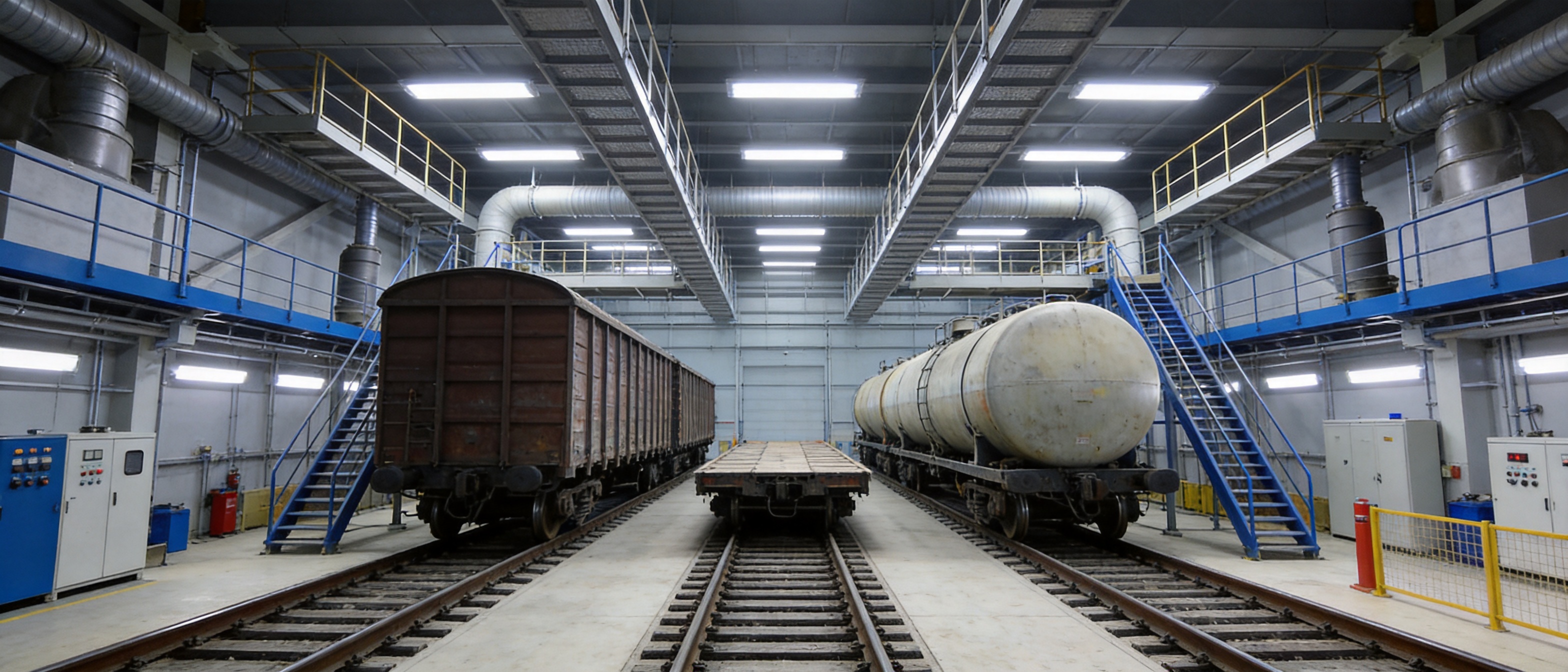
The most important advantage of a dedicated line is its ability to accommodate different categories of large transport equipment. The configuration can be developed for railway carriages, tank bodies, special-purpose transport vehicles, and related components. Adjustable lifting, positioning, and access systems help the facility manage different lengths, widths, heights, and tonnages.
This adaptability is especially valuable for operators whose fleets are not uniform. A maintenance center may service small logistics vans, standard railway carriages, large transport tanks, and specialized vessels within the same facility. Instead of maintaining separate basic systems for every vehicle type, the operator can use a configurable line with appropriate modules and adjustable working zones.
The system can also be planned for future vehicle changes. If the customer expects to add new tanker types or expand into bogie and wheelset overhaul, the initial layout can reserve space and utility connections for later modules. This approach helps reduce the cost and disruption associated with replacing an entire production line.
Manual maintenance of large vehicles often requires several workers to move equipment, reposition the workpiece, control ventilation, manage coating materials, and monitor process conditions. Integrating automatic lifting, conveying, blasting, painting, curing, leak detection, and control functions can reduce repetitive labor and improve workflow consistency.
An intelligent control system can coordinate the principal operating stages through a centralized interface. Depending on the configuration, operators may select a process program, start the line, monitor equipment status, and receive fault information from one control platform. This reduces the need for constant manual intervention and lowers the training threshold for routine operation.
Automation also supports repeatability. When similar vehicles pass through defined process steps, the line can help maintain consistent movement speeds, exposure times, heating conditions, and process sequences. The resulting standardization is difficult to achieve when every maintenance activity is organized manually.
Coating performance depends heavily on substrate preparation. Rust, oil, dust, old paint, and moisture can compromise adhesion even when the new coating appears satisfactory immediately after application. A line that integrates controlled cleaning, blasting, dust collection, and inspection helps improve the quality of the foundation beneath the coating.
Dedicated access and positioning equipment can also reduce missed areas. Operators can reach the complete body surface more effectively, including sections around seams, frames, corners, understructures, and fittings. Better access supports more uniform derusting and coating application, helping extend the interval before significant maintenance is required again.
For tankers, coating quality has an additional safety dimension. Defects around joints, welds, connections, or areas exposed to chemicals can create operational risks. A carefully controlled surface treatment and inspection process helps identify and correct these concerns before the vehicle is released.
Surface treatment and coating operations can generate abrasive dust, paint mist, volatile organic compounds, waste coating, and contaminated residue. Handling these materials in open or poorly controlled conditions can affect workers, nearby equipment, and the surrounding environment.
The maintenance line can be designed as a closed or semi-closed process with multi-stage filtration, dust collection, waste gas treatment, and controlled discharge. Blasting dust can be collected through an appropriate recovery and filtration arrangement, while paint exhaust can be directed to a treatment system selected according to the coating materials and local requirements.
This integrated environmental design helps reduce dust leakage and uncontrolled exhaust emissions. It also supports cleaner workshops, easier housekeeping, and more organized waste management. The final technical configuration should always be confirmed against the customer’s local environmental assessment, coating materials, operating conditions, and applicable emission standards.
Energy consumption is a major consideration in large maintenance facilities. Long workpieces require substantial air movement, lighting, heating, and curing capacity. Poorly designed systems may heat unused areas, lose conditioned air, or operate extraction equipment inefficiently.
Yueze’s equipment development includes paint and bake booths, infrared radiation drying systems, waste gas treatment equipment, and automated conveying systems. These technologies can be selected and combined to reduce unnecessary energy use while maintaining the process conditions required for coating quality.
Energy-saving heating equipment, optimized airflow, suitable insulation, and intelligent operating control can reduce production costs over the life of the line. Lower noise and improved workshop organization also contribute to a more comfortable operating environment.
Tanker maintenance requires special attention because tanks may previously have contained fuel, chemicals, gas, oil, or other hazardous substances. Residual vapors, static electricity, confined spaces, flammable materials, and pressure-related risks must be considered during line design and operation.
Depending on the application, the maintenance line can incorporate explosion-proof electrical components, anti-static measures, ventilation systems, safety interlocks, fall protection, emergency stops, and controlled access. Leak detection and inspection systems can be integrated into the process to identify potential hazards before the tanker returns to service.
Safety equipment is most effective when combined with a clear workflow. Separating cleaning, preparation, coating, curing, and inspection zones helps prevent incompatible activities from occurring in the same area. A structured line also makes it easier to define operating procedures, maintenance responsibilities, and emergency response actions.
Modular construction gives customers greater control over investment and future development. A facility may begin with essential inspection, preparation, painting, and curing functions, then add automated conveying, advanced testing, additional environmental treatment, or intelligent monitoring as demand increases.
Each module can be engineered as part of the overall line rather than as an isolated piece of equipment. This makes it easier to coordinate dimensions, electrical systems, ventilation, control interfaces, and material flow. It also reduces the likelihood that later additions will interfere with existing operations.
Maintenance is simplified when equipment is arranged logically and fault information is centralized. A fault self-inspection function can help operators locate common problems more quickly, reducing downtime and supporting continuous operation. Accessible components, straightforward cleaning procedures, and organized service areas further improve maintainability.
| Evaluation Area | Dedicated Carriage and Tanker Maintenance Line | Conventional Disconnected Workshop |
|---|---|---|
| Vehicle handling | Planned positioning, lifting, and conveying based on vehicle dimensions | Often depends on manual repositioning or general-purpose equipment |
| Process sequence | Integrated route from inspection through final testing | Separate work areas with additional transfer and coordination |
| Surface preparation | Controlled blasting, derusting, dust collection, and access | Greater risk of uneven preparation and dust spreading |
| Coating consistency | Defined application and curing conditions | Conditions may vary between operators and locations |
| Environmental control | Centralized filtration and waste gas treatment options | Environmental control may be fragmented or insufficient |
| Labor requirement | Automation reduces repetitive handling and monitoring | More manual coordination and physical movement |
| Expansion potential | Modular design supports future functional upgrades | Expansion may require major layout changes |
| Data and traceability | Control systems can support process records and fault monitoring | Records are more likely to depend on manual documentation |
The comparison does not mean that every conventional workshop is unsuitable. A small facility with limited maintenance volume may operate effectively with separate workstations. However, when the fleet is large, vehicle dimensions vary, environmental requirements are strict, or consistent quality is a priority, an integrated line generally provides stronger long-term value.
The layout should allow the vehicle to enter, pass through each required stage, and exit without unnecessary backtracking. The designer must consider building length, clear height, floor loading, service access, emergency exits, ventilation paths, utility locations, and the movement of operators and maintenance personnel.
For long carriages and tankers, the line may use a straight-through arrangement, a segmented layout, or a combination of fixed and movable stations. The best choice depends on available space, throughput requirements, vehicle dimensions, and whether several vehicles need to occupy the line at the same time.
Large transport equipment imposes significant loads on lifting systems, supports, rails, platforms, and floors. The design must account for the maximum vehicle weight, uneven load distribution, wheel or bogie arrangement, and any temporary loads created during repair or inspection.
Positioning accuracy is important for automated and semi-automated operations. Stable positioning helps maintain the correct distance between the workpiece and application equipment, supports reliable inspection, and reduces the risk of collision. Adjustable systems are particularly useful when one line serves vehicles with different dimensions.
Airflow design affects worker safety, coating quality, dust control, drying, and environmental performance. Blasting areas require effective dust extraction, while paint areas require controlled air movement to remove paint mist and solvent vapor without causing excessive turbulence or uneven coating deposition.
Drying and curing zones require a different balance of heat and airflow. The system should distribute heat evenly across the workpiece and avoid unnecessary heat loss. The final design should be matched to the coating formulation, curing temperature, vehicle size, and required production cycle.
Control systems coordinate motors, fans, pumps, heaters, conveyors, lifting mechanisms, filtration units, sensors, and safety devices. A practical interface should provide clear status information, operating parameters, alarm messages, and emergency shutdown functions.
For tanker maintenance, electrical equipment and control components must be selected according to the applicable hazardous-area classification and process risks. Anti-static grounding and interlocking systems should be considered as part of the complete safety design rather than added after installation.
The environmental system may include blasting dust collectors, paint mist filtration, activated carbon or other waste gas treatment technologies, exhaust fans, and waste residue collection. The selected arrangement depends on the abrasive medium, coating type, production volume, exhaust characteristics, and local requirements.
Environmental equipment should be sized for actual operating conditions. Under-sized systems may fail to maintain negative pressure or capture pollutants effectively, while over-sized systems may increase energy consumption and operating costs. An engineering assessment before manufacturing helps establish a balanced configuration.
Jiangsu Yue Ze Environmental Protection Equipment Co., Ltd. provides integrated research and development, manufacturing, installation, commissioning, and customized engineering services. The company’s product range includes powder coating lines, electric vehicle assembly lines, automotive counterweight spray lines, paint and bake booths, large-part grinding rooms, waste gas treatment equipment, infrared radiation drying systems, automated conveying systems, intelligent coating lines, and other environmental protection equipment.
This range of products is relevant to carriage and tanker maintenance because a complete line must combine several engineering disciplines. Surface treatment equipment alone is not sufficient. The project may require structural fabrication, booth construction, heating technology, air treatment, conveyor design, electrical control, safety protection, and on-site installation. Experience across these areas helps the manufacturer coordinate the system as a whole.
The company has more than 40 years of experience in industrial equipment manufacturing. Its engineering background includes drawer-type bus production lines, automotive body spray and bake paint booths, and large-sized parts grinding rooms. These applications require the handling of large workpieces, controlled surface treatment, process sequencing, and environmental protection.
In 2014, the company pioneered a hanging automatic painting process line for casting counterweight blocks. The line covered the complete process from finishing and polishing to primer and topcoat application. This type of project demonstrates the value of integrating preparation, conveying, coating, and automation rather than treating each stage as an independent purchase.
Yueze’s manufacturing process begins with understanding the customer’s product, site, capacity, and process goals. Engineers can review vehicle dimensions, maintenance cycles, coating materials, desired automation level, environmental constraints, and future expansion plans. Based on this information, the line can be developed with process flow diagrams, equipment layouts, module specifications, control concepts, and installation requirements.
During fabrication, structural components, chambers, platforms, ducts, filtration equipment, conveying assemblies, and control cabinets are produced according to the approved design. Quality control is applied to materials, welding, dimensional accuracy, assembly, electrical connections, surface treatment, and functional testing. Where necessary, components are pre-assembled or tested before shipment to reduce installation time at the customer’s facility.
Installation and commissioning are also important parts of manufacturing strength. A line cannot deliver its expected performance if equipment is installed inaccurately, airflow is unbalanced, sensors are incorrectly positioned, or control logic is not synchronized. On-site commissioning allows the manufacturer to verify movement, ventilation, heating, filtration, safety interlocks, alarm functions, and process sequence under actual operating conditions.
The company’s focus on customized solutions is particularly valuable for carriage and tanker projects. Vehicle sizes and maintenance standards differ from one customer to another. A standard catalog product may not adequately address the required length, height, load capacity, internal tank access, hazardous-area conditions, or throughput. Custom engineering allows the line to be built around the real operating environment.
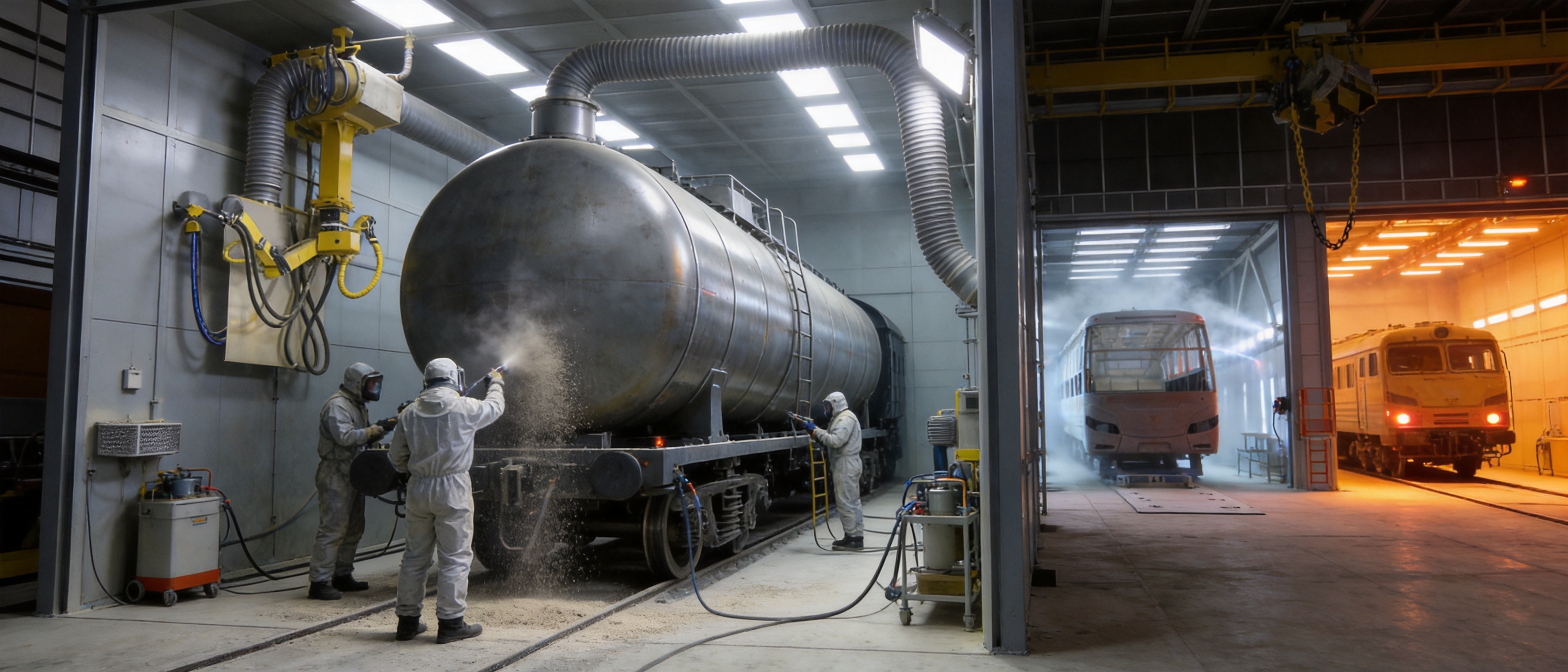
Automation can be implemented at different levels. A basic configuration may automate fans, pumps, heating, filtration, and conveyor movement while retaining manual coating application. A more advanced configuration may add automatic lifting, programmed workpiece movement, automatic spraying, sensor-based monitoring, leak detection, and production data recording.
The appropriate level depends on production volume, product variation, labor availability, coating requirements, and investment objectives. Full automation is not always necessary for every operation. A modular control architecture allows the customer to automate the most repetitive or safety-sensitive tasks first and upgrade other functions later.
One-key start or recipe-based operation can simplify the management of routine maintenance cycles. The operator selects the appropriate program for a vehicle category, confirms safety conditions, and starts the defined sequence. The system can monitor equipment status and provide alarms when abnormal conditions occur.
Automation also helps protect process consistency. For example, a controlled conveyor speed can help maintain predictable exposure time in a drying zone. A monitored booth pressure can support stable paint application conditions. A fault self-inspection function can identify a fan failure, temperature deviation, sensor problem, or communication error before it causes extensive downtime.
Data collection can provide additional value. Records of process duration, curing temperature, equipment alarms, inspection results, and maintenance actions can support quality management and fleet traceability. Over time, this information can help the operator identify bottlenecks, optimize production schedules, and plan preventive maintenance for the line itself.
Safety must be built into the design, operation, and maintenance of a carriage and tanker maintenance line. Large workpieces create risks related to lifting, movement, working at height, confined access, rotating equipment, electrical systems, dust, coating materials, and residual cargo contamination.
Safety devices may include emergency stop buttons, protective barriers, access doors, safety interlocks, fall-prevention platforms, anti-collision measures, grounding systems, explosion-proof components, ventilation monitoring, temperature protection, and alarm systems. The exact arrangement should be developed through a project-specific risk assessment.
Before a tanker enters the maintenance process, the customer must establish suitable procedures for cargo residue removal, cleaning, gas testing, isolation, and authorization. Equipment design supports safety, but it does not replace proper operating procedures, trained personnel, inspection records, or compliance with applicable regulations.
Environmental control should likewise be considered from the beginning. Dust collectors and exhaust treatment systems should be connected to the relevant process zones so that contaminants are captured at the source. Proper separation of abrasive waste, paint waste, filters, and contaminated cleaning materials improves waste handling and supports responsible operation.
Closed-loop or controlled treatment of blasting dust and paint exhaust can reduce pollution risks compared with open-air work. Multi-stage filtration helps protect the workshop and surrounding area, while appropriate exhaust treatment supports compliance with environmental assessment requirements. Actual emission performance depends on the selected materials, equipment configuration, operating practices, and local standards.
Regular maintenance is essential to preserve the performance of the line. Dust collectors, filters, fans, ducts, pumps, spray equipment, heaters, sensors, conveyors, lifting devices, and safety interlocks should be inspected according to a documented schedule.
Blasting equipment requires particular attention because abrasive materials can wear nozzles, hoses, recovery systems, and separators. Paint booths and exhaust systems should be cleaned to prevent overspray accumulation. Filters should be replaced when pressure loss or contamination reaches the specified limit.
Heating and curing systems should be checked for temperature uniformity, burner or electrical element condition, airflow balance, insulation damage, and control accuracy. Temperature sensors should be calibrated as required so that curing records remain reliable.
Conveyors and lifting equipment should be inspected for abnormal noise, vibration, wear, lubrication requirements, chain or rail condition, limit switch operation, and load-bearing integrity. Any abnormal movement should be investigated before the equipment is returned to normal service.
Operators should also verify emergency stop functions, interlocks, alarms, grounding, lighting, ventilation, and access protection. A safe line is one that remains safe throughout its operating life, not only during initial commissioning.
Successful implementation begins with accurate technical information. The customer should provide the types and dimensions of carriages or tankers, maximum weight, expected daily or monthly throughput, coating materials, existing building information, environmental requirements, and desired automation level.
The next stage is process definition. Engineers determine which vehicles need cleaning, blasting, grinding, welding, painting, curing, leak testing, bogie overhaul, or other operations. The process can then be divided into functional modules and arranged in a logical sequence.
After the process is confirmed, the manufacturer can develop the equipment layout, utility requirements, ventilation concept, control structure, safety measures, and environmental treatment plan. This stage should also consider future expansion and access for maintenance.
Manufacturing follows design approval. Components are fabricated, assembled, inspected, and prepared for transportation. Depending on the project, factory testing or partial pre-assembly may be performed before shipment.
Installation, commissioning, operator training, and acceptance testing complete the implementation. The customer should verify throughput, process sequence, air volume, temperature uniformity, equipment movement, alarm functions, environmental performance, and final maintenance quality against the agreed technical requirements.
A dedicated line can improve more than the appearance of a carriage or tanker. By coordinating inspection and maintenance, it helps the operator identify defects earlier and reduce avoidable delays. More predictable processing makes it easier to plan fleet availability and workshop staffing.
Improved surface preparation and coating consistency can help extend the useful interval between major coating repairs. Better corrosion protection also supports the preservation of the vehicle body, especially in environments with humidity, salt, industrial pollutants, chemical exposure, or frequent loading and unloading.
Automation reduces dependence on manual handling and allows skilled personnel to focus on inspection, repair decisions, quality control, and exceptional work. Environmental treatment can reduce housekeeping problems and help the facility operate within its approved environmental framework.
Because the line can be customized and expanded, the initial investment can be aligned with current business requirements without preventing future development. This is a significant advantage for companies that expect fleet growth, new vehicle categories, or stricter environmental standards.
A Carriage & Tanker Maintenance Line is an integrated industrial system for inspecting, cleaning, repairing, derusting, coating, curing, testing, and handling large railway carriages and tankers. It combines multiple functional modules into a coordinated workflow designed for large and heavy transport equipment.
The line can be configured for railway boxcars, gondola cars, flatcars, oil tankers, chemical tankers, LNG and LPG tankers, viscous oil tankers, insulation tanks, and other large transport bodies. The actual range depends on the final dimensions, weight, process requirements, and equipment layout confirmed during engineering design.
Yes. Adjustable positioning, lifting, conveying, and access systems can be designed for different lengths, heights, widths, and tonnages. The customer should provide the full range of vehicle specifications so that the line can be engineered with suitable capacity and clearance.
Leak detection can be included as part of a customized tanker maintenance or integrated smart maintenance line. The testing method and equipment should be selected according to the tank structure, cargo type, operating pressure, safety requirements, and applicable inspection standards.
It provides a controlled sequence for cleaning, old coating removal, blasting or grinding, primer application, topcoat application, curing, and final inspection. Controlled access, airflow, temperature, filtration, and process timing help reduce missed areas and improve coating consistency.
Yes. The line can be configured with different automation levels. Some customers may use manual spraying within a controlled booth, while others may require automatic movement, automatic application, or recipe-based process control. The configuration depends on production volume, coating material, product variation, and investment goals.
Typical environmental equipment may include blasting dust collectors, abrasive recovery systems, paint mist filtration, waste gas treatment, exhaust fans, and waste residue collection. The exact system should be selected based on coating materials, abrasive media, workshop capacity, emission requirements, and local environmental regulations.
It can be designed with safety features suitable for tanker maintenance, including explosion-proof components, anti-static protection, ventilation, grounding, safety interlocks, emergency stops, and controlled access. However, the customer must also implement appropriate cleaning, gas testing, isolation, personnel training, and operating procedures.
Yes. Modular design allows customers to add or upgrade functions such as blasting, painting, curing, testing, conveying, automation, and intelligent monitoring. Future expansion is easier when the initial layout includes adequate space, utilities, structural capacity, and control interfaces.
Jiangsu Yue Ze Environmental Protection Equipment Co., Ltd. provides customized engineering, equipment manufacturing, installation, commissioning, and technical support. The company can develop a complete solution according to the customer’s vehicle types, workshop conditions, process requirements, automation goals, and environmental standards.
Preventive maintenance should cover filters, ducts, fans, heaters, conveyors, lifting systems, sensors, control cabinets, spray equipment, and safety devices. Regular cleaning, timely replacement of wear parts, operator training, and the use of fault self-inspection functions can help locate problems quickly and maintain continuous operation.
Useful information includes vehicle drawings or dimensions, maximum weight, quantity and type of vehicles, desired throughput, coating system, blasting method, curing requirements, available workshop dimensions, local environmental requirements, automation expectations, and any special tanker cleaning or testing procedures.
A Carriage & Tanker Maintenance Line provides a practical foundation for large-scale transport equipment renovation and protective coating. By integrating inspection, cleaning, surface preparation, repair, painting, curing, testing, environmental treatment, and material handling, it can improve process organization and reduce the limitations of disconnected workshop operations.
Its principal advantages include broad vehicle compatibility, adjustable handling, improved derusting precision, reduced repetitive labor, reliable coating quality, environmental protection, energy-saving operation, tanker-specific safety measures, modular expansion, and easier maintenance. These benefits are especially important for fleet operators that need predictable turnaround, repeatable results, and long-term control over maintenance costs.
Jiangsu Yue Ze Environmental Protection Equipment Co., Ltd. supports this type of project with more than four decades of industrial manufacturing experience, a broad product portfolio, customized engineering capability, and integrated services from design through commissioning. Its experience with powder coating lines, paint and bake booths, large-part treatment rooms, automated conveying systems, drying systems, and waste gas treatment equipment provides a strong technical basis for designing complete large-equipment maintenance solutions.
With the correct process definition and site-specific engineering, the line can serve current fleet needs while providing a foundation for future automation, expanded maintenance categories, and improved environmental performance. For organizations responsible for railway carriages, tanker fleets, or other large metal transport equipment, a modular integrated maintenance line is a strategic investment in safety, quality, productivity, and sustainable operation.
1. Jiangsu Yue Ze Environmental Protection Equipment Co., Ltd. Company information and industrial equipment product materials.
2. Technical documentation for carriage maintenance lines, tanker maintenance lines, integrated smart maintenance lines, and tank cleaning and inspection systems.
3. Industrial surface preparation and protective coating process principles for large steel structures and transport equipment.
4. General engineering practices for paint booths, bake booths, infrared radiation drying systems, automated conveying systems, dust collection, and waste gas treatment.
5. General occupational safety principles for blasting, painting, lifting operations, working at height, and tanker maintenance.
6. General environmental management practices for abrasive dust, paint mist, volatile emissions, coating waste, and industrial exhaust treatment.
Professional maintenance line specially designed for carriages and tankers, applicable to various types of carriages and tankers (railway boxcar, gondola car, flatcar, oil tanker, chemical tanker, LNG...
See Details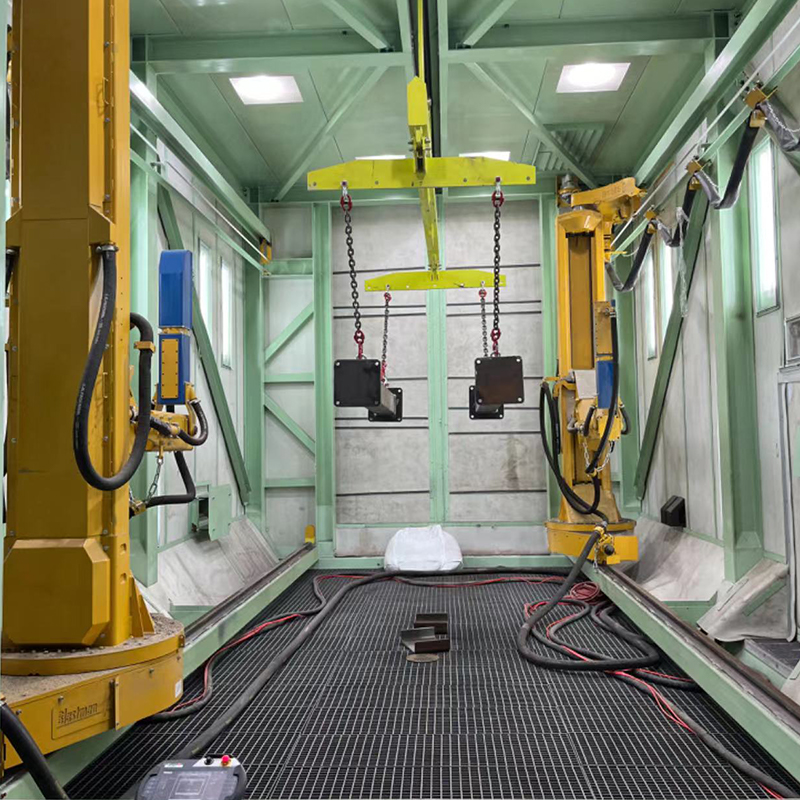
Professional coating line specially designed for large castings and heavy truck parts, applicable to various large castings (engineering castings, mining equipment castings, industrial castings) and h...
See Details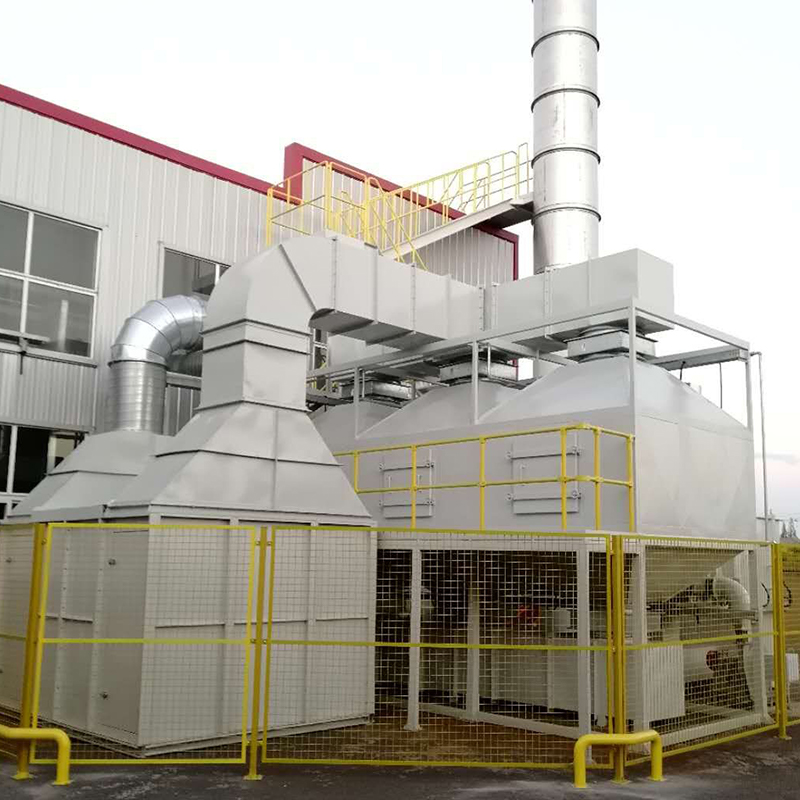
Waste Gas Treatment Equipment, electric-driven with stable power output, mainly composed of a gas collection hood, purification filter, fan, control system, and waste gas discharge device. It adopts o...
See Details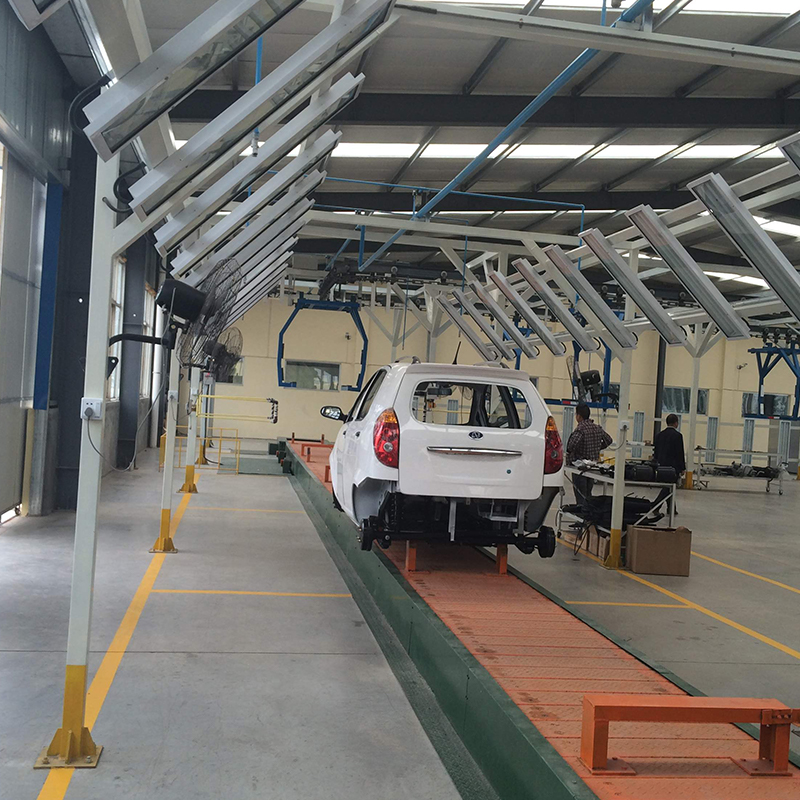
Professional electrophoresis coating line specially designed for electric vehicles (EVs), applicable to various EV types (passenger EV, commercial EV, new energy logistics vehicle) and EV components. ...
See Details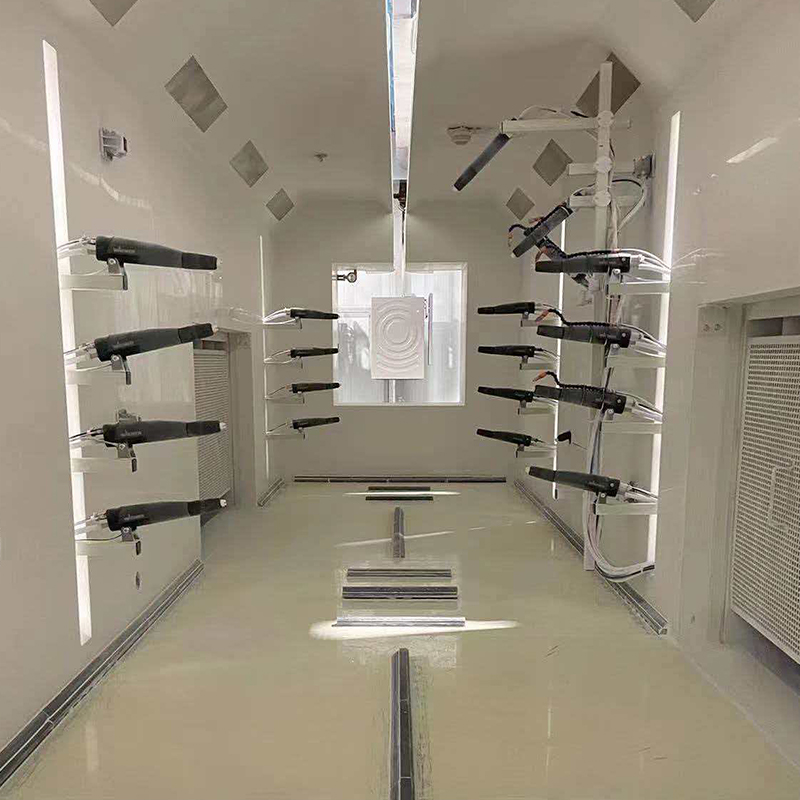
Widely used in metal workpieces such as hardware, auto parts, engineering machinery, metal furniture, art manhole covers, municipal facilities, and precision components, suitable for mass and standard...
See Details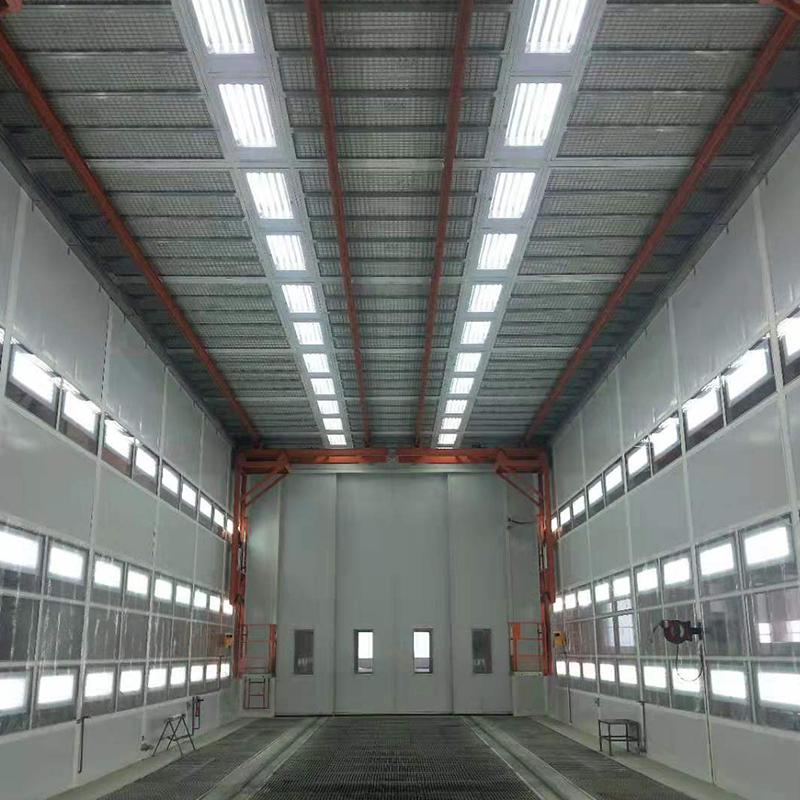
Professional painting line specially designed for grain tank truck body manufacturing and refurbishment, applicable to various grain tank truck types (grain transport tank truck, bulk grain tank truck...
See DetailsBuild Your Customized Industrial Coating System
Send us your workpiece information, production capacity, coating process, workshop layout, and environmental requirements. Yueze will help evaluate your project and develop a suitable coating, conveying, drying, and environmental treatment solution.
Main menu
Products
Contact Us
Company Address:
No. 12, Park Avenue, Shanggang Industrial Park, Jianhu, Yancheng City, Jiangsu Province
Message Us Right Now!

Follow us: