
 русский
 عربى
عربى
 Tiếng Việt
Professional spray coating line specially designed for car wheel manufacturing and refurbishment, applicable to various car wheel types (steel wheel, aluminum alloy wheel, forged wheel, cast wheel, pa...
See Details
Yueze Environmental Protection provides one-stop compliant industrial surface treatment solutions with professional tech and fine craftsmanship.
 Get Inquiries
2026-08-25
Content
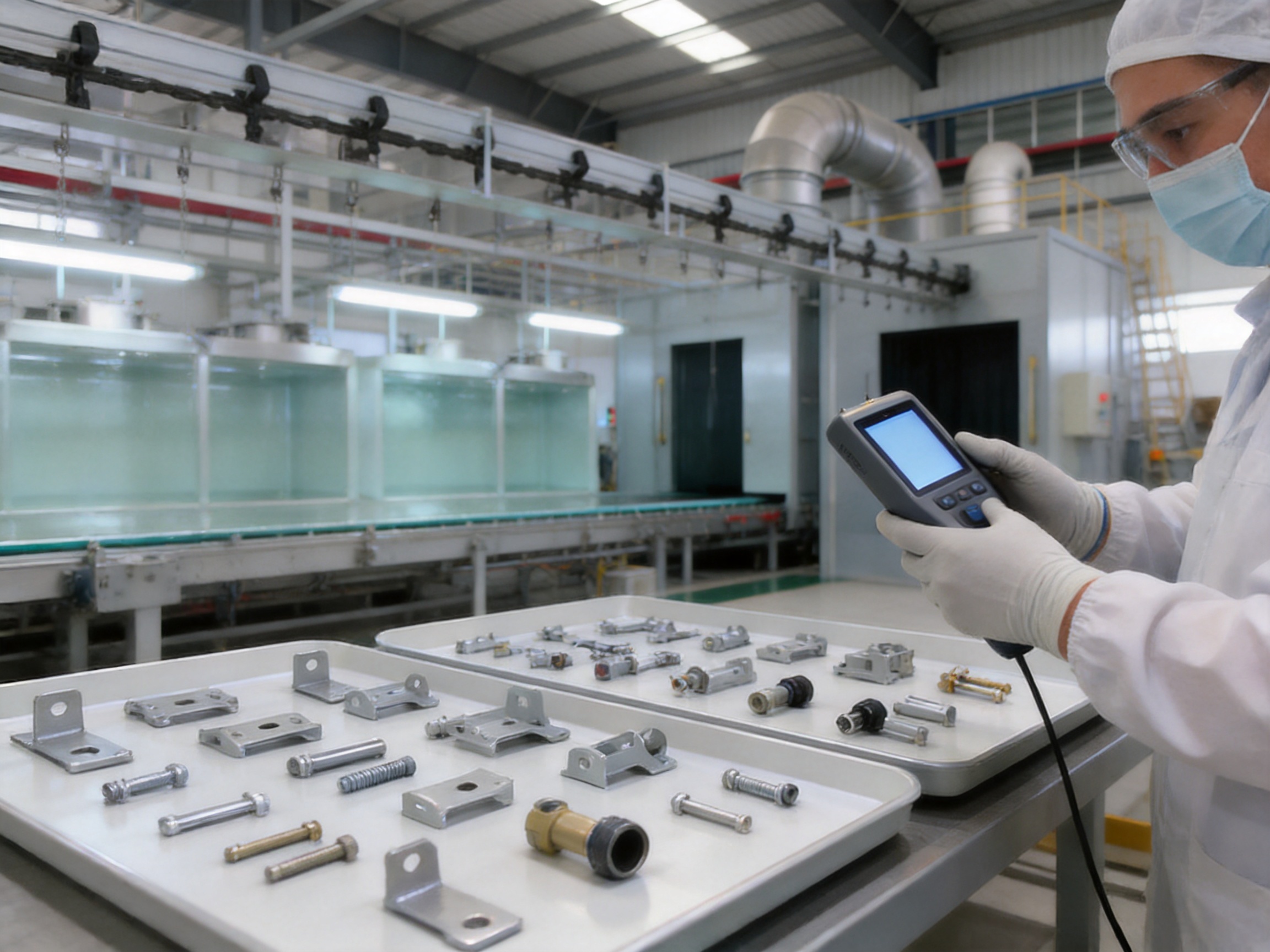
Small metal components often present some of the greatest challenges in industrial coating. Their dimensions may be limited, but their shapes can include deep recesses, narrow edges, internal corners, holes, threaded sections, and irregular surfaces. Manual painting and conventional spray coating may leave uncovered areas, uneven film thickness, excessive overspray, or inconsistent curing results. For manufacturers that process large quantities of small parts, these problems can directly affect corrosion resistance, product appearance, operating costs, and production efficiency.
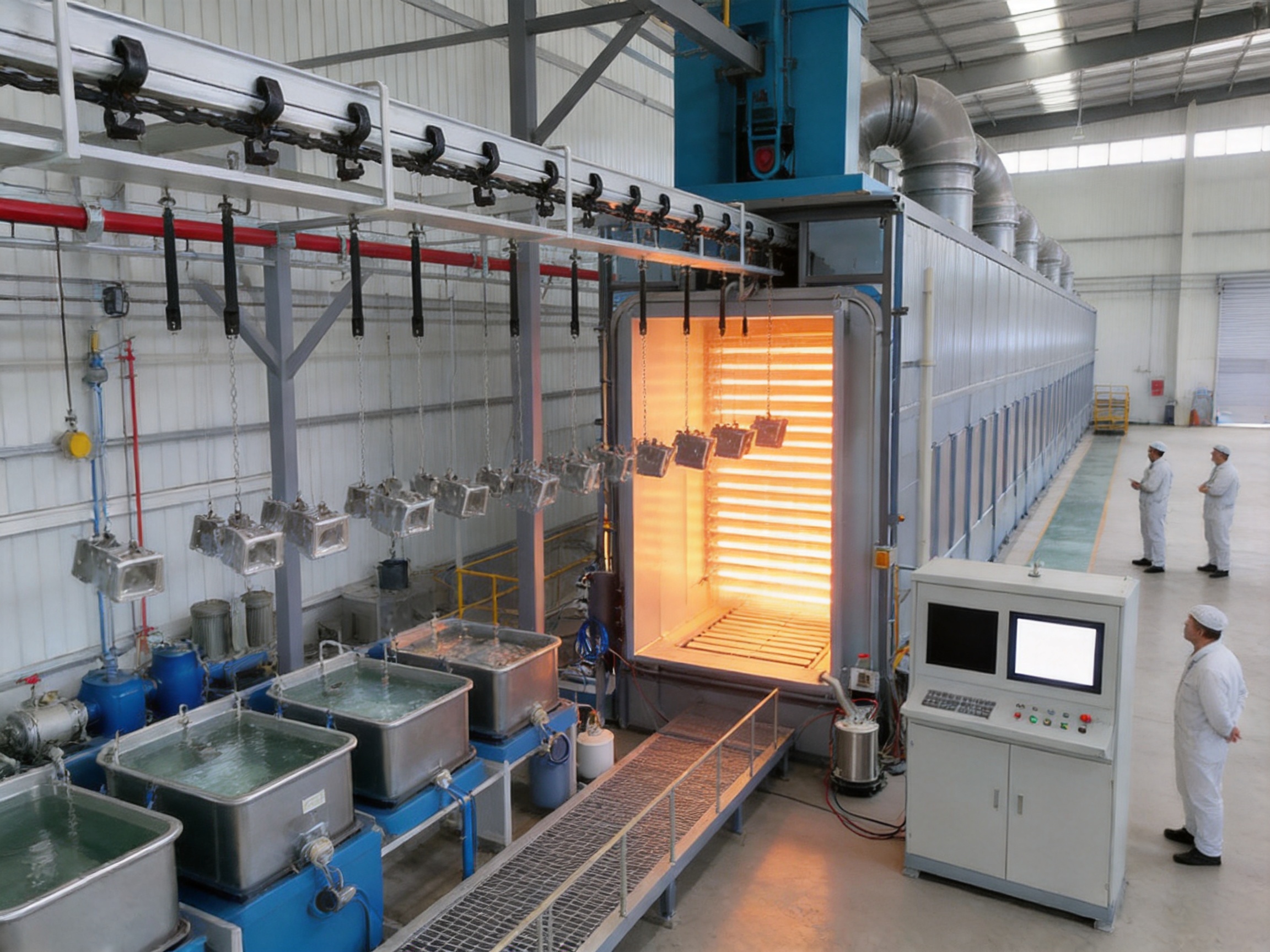
An Electrophoresis Line and Drying Line for Small Parts provides an integrated solution for these requirements. The system combines controlled surface preparation, electrophoretic coating, rinsing, drying, and curing into an organized automatic production process. It is designed to improve coating coverage, stabilize product quality, reduce manual handling, and support continuous production.
This type of equipment is suitable for automotive components, hardware products, electrical parts, mechanical accessories, industrial fittings, and many other metal workpieces. Through customized process design, the production line can be adapted to the dimensions, weight, material, output requirements, coating specifications, and available workshop space of different customers.
Jiangsu Yue Ze Environmental Protection Equipment Co., Ltd. provides customized coating and drying equipment for industrial users. With more than 40 years of experience, a 35,000-square-meter production site, integrated research and development capabilities, and a complete manufacturing and service system, the company supplies surface treatment lines that combine coating performance, automation, environmental compliance, and practical factory integration.
An Electrophoresis Line and Drying Line for Small Parts is an automated surface treatment system that applies a protective coating to conductive metal workpieces by using an electrical field. The parts are immersed in an electrophoretic bath containing coating material. When the electrical circuit is activated, charged coating particles move toward the workpiece and form a film on its surface.
After electrophoretic deposition, the parts normally pass through one or more rinsing stages. These stages remove excess coating material and help improve surface appearance. The workpieces then enter a drying and curing system, where controlled heat removes moisture and enables the coating film to achieve the required hardness, adhesion, and protective performance.
The line can include loading stations, hanging or fixture systems, pre-treatment tanks, electrophoresis tanks, post-rinse tanks, conveying equipment, drying ovens, curing ovens, electrical control systems, exhaust equipment, and environmental protection units. The exact configuration depends on the coating process, product characteristics, production capacity, and factory layout.
Unlike a basic coating machine, a complete electrophoresis and drying line is an integrated production system. Each stage is connected to the next stage through conveying, process control, and operating parameters. This integration helps reduce transfer errors, limits unnecessary manual handling, and creates a more repeatable production environment.
The system is especially valuable for small parts because small workpieces are frequently processed in batches. When many pieces are coated together, manual spraying can create differences between the first and last workpiece, or between parts located near the spray operator and parts located farther away. Electrophoretic deposition provides a more consistent method of coating the entire exposed surface of conductive parts.
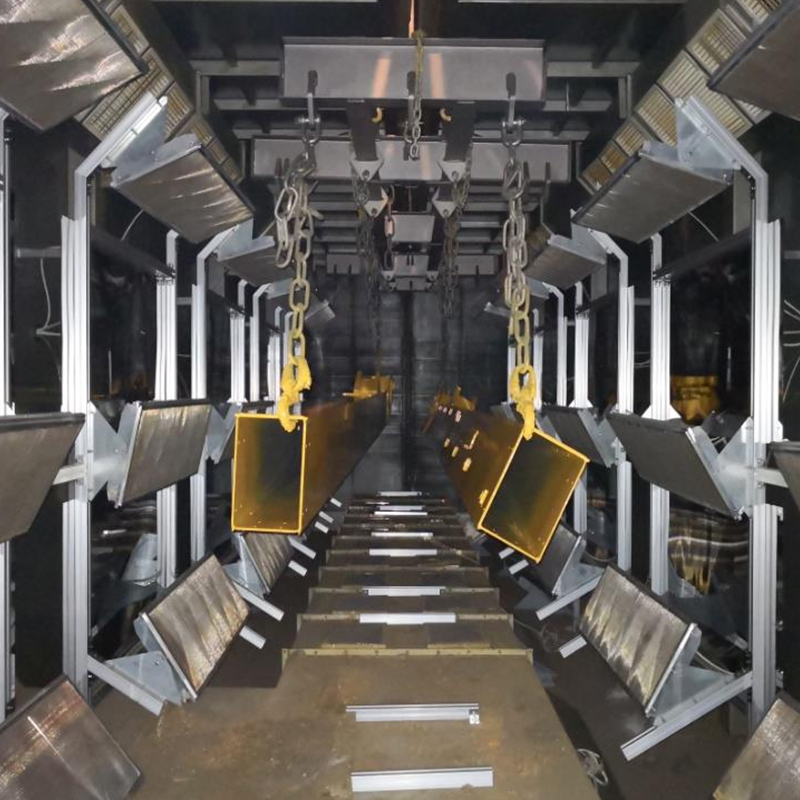
Electrophoresis Line&Drying Line For Small Parts
Electrophoresis coating is based on controlled electrical deposition rather than direct manual application. This makes it suitable for workpieces that have complex geometries or surfaces that are difficult to reach using spray equipment.
When a properly prepared metal part is immersed in the electrophoretic bath, coating particles are attracted to the workpiece under the influence of an electric field. The coating film gradually forms over the surface. As the film develops, its electrical resistance changes, helping limit further deposition in areas that have already received sufficient coating. This contributes to relatively uniform film formation.
For small parts with corners, edges, holes, grooves, and recessed sections, the process can provide more complete coverage than many traditional manual methods. The final result depends on part design, pretreatment quality, electrical settings, bath management, coating formulation, fixture arrangement, and other process conditions. However, when these factors are properly controlled, electrophoresis can provide stable and repeatable protection.
Another important advantage is process consistency. Manual painting depends heavily on operator experience, spray distance, gun movement, coating viscosity, and the number of passes. Electrophoresis reduces the influence of these variables by using a controlled tank process. This is particularly useful for manufacturers that need to process large quantities of similar small parts.
The process can also reduce coating waste compared with conventional spray application. Since the workpiece is immersed in the coating bath and excess material can be recovered through rinsing and circulation, the amount of uncontrolled overspray can be reduced. The actual savings depend on the coating system and operating conditions, but the recovery principle supports better material utilization and cleaner production.
A typical small-parts electrophoresis and drying line includes several connected stages. The process sequence can be adjusted according to the material, contamination level, coating type, corrosion-resistance requirements, and final appearance requirements of the workpieces.
Operators or loading equipment place small parts onto dedicated hooks, baskets, racks, or fixtures. The fixture design is important because it must provide stable support, maintain electrical contact, and allow the coating solution to reach the required surfaces.
Parts should be arranged to avoid excessive overlap. If workpieces touch one another or block drainage paths, coating coverage and rinsing performance may be affected. A suitable loading method improves process stability and reduces the risk of contact marks, trapped liquid, or uneven drying.
Oil, dust, metal particles, forming lubricants, and other contaminants can reduce coating adhesion. The pre-treatment system therefore removes surface contamination before electrophoresis. Depending on the process design, cleaning may include alkaline degreasing, spray washing, immersion cleaning, water rinsing, or a combination of these methods.
For small parts used in automotive, mechanical, and electrical applications, consistent cleaning is essential. Even a high-quality electrophoretic coating cannot compensate for an improperly prepared surface. The production line is therefore designed so that cleaning time, solution temperature, circulation, spray pressure, and rinsing conditions can be managed in a controlled way.
Some coating systems require additional surface conditioning or conversion treatment after cleaning. These stages help create a suitable interface between the metal substrate and the electrophoretic film. They may improve adhesion, support corrosion resistance, and reduce the possibility of premature coating failure.
The exact treatment depends on whether the workpiece is made from steel, galvanized steel, aluminum, or another conductive material. Process engineers must consider the substrate, coating chemistry, required performance, and environmental requirements when selecting the pre-treatment sequence.
Prepared workpieces enter the electrophoresis tank and are connected to the appropriate electrical circuit. The coating material is maintained within a controlled bath. Electrical parameters, immersion time, bath temperature, circulation, and coating concentration influence the final film.
The tank and associated equipment are designed to support stable solution movement and consistent contact between the coating bath and the workpieces. For small components, fixture spacing and part orientation are particularly important. Proper design helps prevent air pockets, improves drainage, and supports coating coverage on complex surfaces.
Because the process is automated, the system can maintain a repeatable travel speed and immersion sequence. This provides greater consistency than manually dipping or painting large batches of components.
After the electrophoretic stage, the workpieces may carry excess coating solution. Rinsing removes this material and helps create a cleaner, more uniform surface before drying. The line can be designed with multiple rinsing stages, circulation pumps, filtration units, and recovery arrangements.
Recovered coating material can often be returned to the process in accordance with the selected coating technology and operating requirements. This approach supports more efficient use of consumables and reduces discharge. Proper bath management and filtration are important for maintaining stable coating quality.
Following rinsing, parts enter the drying line. The first objective is to remove surface moisture and residual liquid. The second objective, where required, is to cure the coating film to achieve the desired mechanical and protective properties.
The drying system may use heated air circulation, controlled exhaust, heat recovery, or other configurations appropriate to the coating material. Temperature distribution must be managed carefully because small parts can heat quickly. Excessive temperature may cause deformation, discoloration, blistering, or other defects, while insufficient temperature may lead to incomplete curing and weak adhesion.
A well-designed drying line provides stable heating conditions and sufficient residence time. The conveyor speed, oven length, air circulation, heating method, and temperature control system are selected according to the workpiece and coating requirements.
After drying and curing, the coated parts are unloaded for visual inspection, dimensional checking, adhesion testing, film-thickness verification, or other quality-control procedures. The inspection requirements depend on the product application and customer standards.
The automatic line makes it easier to establish repeatable inspection points. If defects are identified, operators can review process parameters such as cleaning quality, bath condition, fixture arrangement, rinsing performance, and oven temperature. This supports systematic process improvement rather than relying only on final inspection.
The most important advantage of electrophoresis is its ability to coat many surfaces of conductive metal workpieces more uniformly than traditional manual application. Edges, corners, recesses, and other difficult areas can receive coating when the parts are correctly prepared and positioned.
This feature is valuable for small automotive components, hardware fittings, brackets, fasteners, electrical housings, and mechanical accessories. Such products may be too small for efficient manual spraying but too complex for a simple one-direction coating process.
A dense and continuous electrophoretic film can provide effective protection against moisture, oxidation, salt exposure, and other environmental influences. The actual corrosion performance depends on substrate preparation, coating formulation, film thickness, curing, and the conditions in which the finished part will be used.
By supporting full-area coating and stable pretreatment, the line helps manufacturers improve the reliability of their products. Better corrosion protection can reduce premature failures, warranty issues, surface deterioration, and the need for rework.
Traditional spray coating often produces variations in film thickness because of operator movement, spray angle, gun distance, and part positioning. Electrophoresis uses controlled electrical deposition and bath conditions, which can help reduce variation across a production batch.
Stable coating thickness is important for both appearance and performance. Excessive coating may affect assembly tolerances or create runs and sagging. Insufficient coating may leave the substrate vulnerable to corrosion. A controlled process helps manufacturers balance protection, appearance, material consumption, and dimensional requirements.
The line can operate continuously through an automatic conveyor system. Workpieces move from loading through treatment, coating, rinsing, drying, and unloading with reduced manual intervention. This makes the equipment suitable for mass production and repetitive processing.
Automation also reduces the physical burden on operators. Manual lifting, repeated dipping, and direct exposure to coating materials can be minimized. Operators can instead focus on loading supervision, process monitoring, quality checks, maintenance, and material management.
The integrated drying line is designed to provide controllable heating for small components. Stable temperature control helps prevent deformation, cracking, blistering, and incomplete curing. This is especially important for products with thin sections, hollow structures, or complex geometries.
When the drying and electrophoresis stages are planned as one system, the conveyor speed and process timing can be coordinated. This avoids unnecessary waiting between stages and helps maintain a consistent production rhythm.
Electrophoretic coating does not rely on the same type of atomized spray application used in conventional painting. As a result, the process can reduce paint mist in the coating area and support a cleaner working environment. Environmental performance still depends on the selected chemicals, exhaust design, wastewater treatment, sludge management, and overall operating practices.
The equipment can be integrated with environmental protection systems for exhaust treatment, wastewater control, filtration, and other required measures. This helps manufacturers pursue compliant and responsible production.
The coating bath and rinsing system can be designed to support circulation and recovery. Material that would otherwise be lost during manual application or uncontrolled spraying may be returned to the process when appropriate.
Improved recovery can lower consumable costs and reduce the quantity of waste requiring treatment. It also helps maintain a cleaner workshop and supports more efficient resource utilization.
Small parts coating lines can be designed around the available building structure. The equipment layout may be arranged in a straight line, U-shaped configuration, compact loop, or another suitable form. This flexibility is useful for factories that must install new equipment in an existing workshop.
Equipment height, conveyor routing, tank placement, oven arrangement, access aisles, maintenance areas, and loading and unloading locations can all be considered during the design phase. A well-planned layout improves safety and supports future maintenance.
Electrophoresis is not the best solution for every coating application. However, for conductive small parts requiring consistent corrosion protection and high production efficiency, it offers several advantages over manual painting and conventional spray coating.
| Evaluation Item | Manual Painting | Conventional Spray Coating | Electrophoresis and Drying Line |
|---|---|---|---|
| Coating consistency | Highly dependent on operator skill | Improved with skilled operation but may vary by position | Stable when bath and process parameters are controlled |
| Coverage of recessed areas | Often limited | May require multiple spray angles | Suitable for many complex conductive shapes |
| Production efficiency | Low to moderate | Moderate to high | High for continuous batch production |
| Material utilization | Usually inconsistent | Overspray may increase material loss | Circulation and recovery can improve utilization |
| Manual labor requirement | High | Moderate to high | Reduced through automatic conveying and process control |
| Process repeatability | Limited | Depends on operator and equipment settings | High when the system is properly maintained |
| Environmental management | Difficult to control consistently | Requires effective spray booth and exhaust treatment | Can be integrated with bath management and environmental systems |
Compared with competing automatic systems, the principal advantage of a properly engineered line is not simply the presence of an electrophoresis tank. The overall performance depends on how the pretreatment, conveyor, electrical control, rinsing, drying, recovery, and environmental systems work together.
A low-cost line with inadequate pretreatment, poor fixture design, unstable heating, or limited after-sales support may not deliver reliable results. For this reason, buyers should evaluate the complete engineering capability of the equipment supplier rather than compare only the initial purchase price.
Small parts vary significantly in size, weight, material, geometry, and production volume. A line designed for lightweight hardware may not be suitable for automotive components or larger mechanical accessories. Customized engineering is therefore essential.
The maximum and minimum workpiece dimensions affect the tank size, conveyor pitch, hook spacing, fixture design, oven capacity, and loading method. Weight affects conveyor load, lifting components, support structures, and motor selection.
Parts should be evaluated individually and as a loaded group. If multiple pieces are carried on one fixture, the combined weight and surface area influence the electrical and mechanical design of the line.
Electrophoresis requires an electrically conductive workpiece and suitable electrical contact. Steel, stainless steel, aluminum, and other conductive materials may require different pretreatment processes and coating parameters.
Mixed-material production should be reviewed carefully. Differences in conductivity, surface chemistry, and pretreatment response can affect coating performance. A customized process plan helps determine whether parts can share one line or require separate operating conditions.
Production capacity is influenced by part size, fixture loading, immersion time, rinsing time, oven residence time, conveyor speed, and working hours. A suitable design balances the required output with reasonable equipment size and energy consumption.
Manufacturers should provide realistic information about daily production, peak demand, product changeover frequency, and future expansion plans. This enables the equipment supplier to design a system with appropriate capacity rather than an unsuitable standard configuration.
The line can be adapted to the customer’s available floor area, building height, column arrangement, loading access, utility connections, and material flow. A proper layout should separate incoming untreated parts from finished products and provide safe access to tanks, pumps, ovens, control cabinets, and maintenance points.
Space should also be reserved for chemical preparation, wastewater treatment, spare parts, inspection, and temporary storage. Considering these requirements at the design stage helps avoid costly modifications after installation.
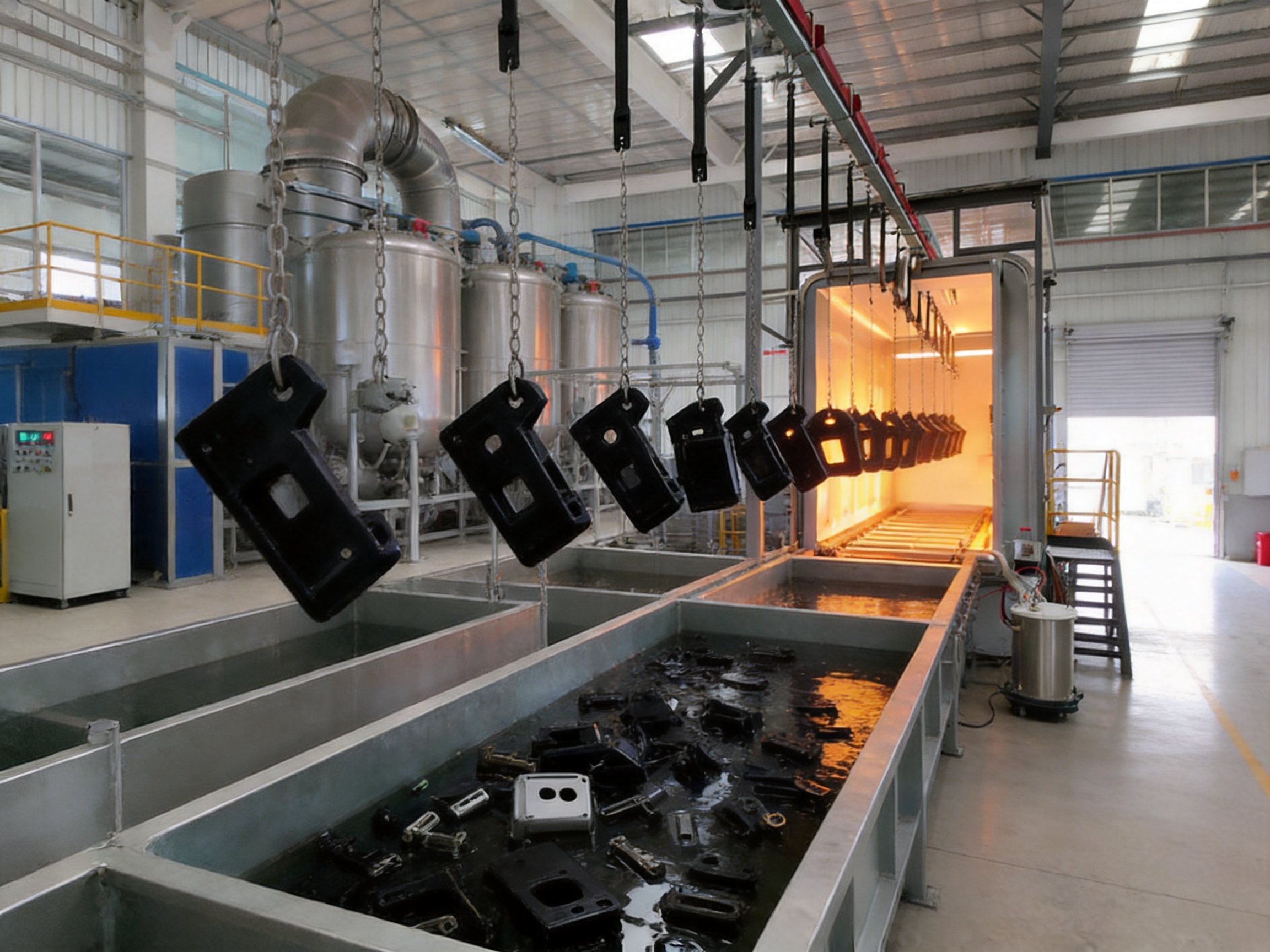
The drying line is one of the most important sections of the complete system. After rinsing, small parts may retain water in holes, gaps, grooves, and internal corners. If moisture is not effectively removed, it may influence appearance, adhesion, or curing quality.
The oven must therefore provide sufficient air movement and stable temperature distribution. Heat should reach the workpieces evenly without creating excessive hot spots. The design may include insulated chambers, circulating fans, heating units, exhaust sections, temperature sensors, access doors, and control devices.
Temperature control should be precise enough to match the coating material and workpiece characteristics. Different parts may require different curing conditions. Thin components may reach process temperature quickly, while dense or closely arranged parts may require more time. Conveyor speed and oven length should be selected accordingly.
Energy efficiency is also an important consideration. Proper insulation reduces heat loss, while efficient air circulation supports uniform heating. Depending on the system design, heat recovery may reduce energy consumption by reusing part of the exhaust heat. The most appropriate solution depends on production scale, local energy costs, coating requirements, and operating schedules.
Drying line safety should receive equal attention. The system should include appropriate temperature monitoring, abnormal-condition alarms, access protection, ventilation, and emergency shutoff functions. These features contribute to safe and stable operation over the equipment’s service life.
Automation connects the different sections of the production line and helps reduce variation. A central control system can coordinate conveyor movement, tank operation, pump circulation, heating, rinsing, drying, alarms, and other equipment functions.
Operators can monitor key process conditions through a control interface. Depending on the configuration, the system may record operating parameters and provide warnings when temperatures, liquid levels, conveyor conditions, or other values move outside the specified range.
Automatic control supports repeatable recipes for different product types. When a factory processes several small-part models, the operating sequence can be adjusted through controlled parameters. This may simplify product changeover and reduce the risk of manual setting errors.
Automatic conveying is another important feature. The conveyor must move parts smoothly through tanks and ovens while maintaining the required immersion and residence times. Mechanical stability is essential because sudden movement, vibration, or poor positioning can damage parts or interrupt coating contact.
Although automation reduces routine labor, it does not eliminate the need for trained personnel. Operators should understand loading, chemical management, bath monitoring, safety procedures, inspection, cleaning, and emergency response. Proper training helps the equipment deliver its intended performance.
The quality of a customized coating line depends heavily on the supplier’s engineering and manufacturing capabilities. Jiangsu Yue Ze Environmental Protection Equipment Co., Ltd. has more than 40 years of experience in industrial surface treatment and environmental protection equipment. This long-term experience supports the design of practical systems for different industries and production conditions.
The company operates from a production site covering approximately 35,000 square meters and has a registered capital of 58 million yuan. Its capabilities cover research and development, process design, equipment manufacturing, installation, commissioning, and customer service. This integrated structure helps maintain coordination between engineering concepts and final equipment construction.
Yueze specializes in powder coating lines, intelligent coating lines, automated conveying systems, paint and bake booths, infrared radiation drying systems, large-part grinding rooms, waste gas treatment equipment, electric vehicle assembly lines, automotive counterweight spray lines, and other environmental protection equipment.
This broad product experience is relevant to electrophoresis and drying projects because a complete coating factory often requires more than one machine. Pretreatment, coating, drying, conveying, exhaust control, waste management, and plant layout must be considered together. A supplier with experience across these areas can provide a more coordinated solution.
In 2014, the company pioneered a hanging automatic painting process line for casting counterweight blocks. The line covered the complete process from finishing and polishing to primer and topcoat application. This experience demonstrates the company’s ability to develop process-oriented equipment rather than focusing only on individual machines.
Manufacturing quality control is also important. Tanks must resist the chemicals used in the process. Conveyor structures must support repeated loads. Ovens must provide reliable insulation and heat circulation. Electrical cabinets and control components must be installed in an organized and maintainable manner. Every section contributes to the performance of the final production line.
By combining advanced production technology with practical installation experience, the company can adjust system configurations according to customer requirements. The result is a coating line intended to function as part of the customer’s manufacturing process rather than as an isolated piece of equipment.
Modern coating production must address both product quality and environmental responsibility. An electrophoresis line can support cleaner production through reduced paint mist, coating circulation, controlled chemical use, and integration with wastewater and exhaust treatment systems.
Environmental performance begins with process design. Tanks, pumps, rinsing sections, exhaust hoods, and drainage systems should be arranged to reduce leakage and uncontrolled discharge. Chemicals should be stored and managed according to applicable safety and environmental requirements.
Coating bath management is another important factor. Stable concentration, filtration, temperature, and circulation help maintain coating quality and avoid unnecessary material disposal. Regular monitoring can reduce the risk of off-specification production and extend the useful life of process solutions.
The drying line should also be evaluated for energy consumption. Insulation, air circulation, heating control, heat recovery, and production scheduling all influence operating costs. A customized design allows the supplier to consider the customer’s energy source, output requirements, and workshop conditions.
Wastewater and sludge generated by pretreatment and rinsing should be handled through suitable environmental protection equipment. The exact treatment approach depends on the chemicals used, local regulations, discharge requirements, and production volume. Yueze’s experience in waste gas purification and environmental protection equipment provides a foundation for designing more complete compliant surface treatment solutions.
The Electrophoresis Line and Drying Line for Small Parts can serve many industries that require reliable protection of conductive components.
For automotive manufacturing and refurbishment, the line can be integrated with other surface treatment equipment for wheels, components, counterweights, and related products. The required process may include pretreatment, electrophoresis, powder coating, spray coating, drying, or curing, depending on the final specification.
For hardware and electrical components, the main value often lies in reliable coverage and repeatable batch production. For mechanical parts, corrosion protection and coating adhesion may be the primary concerns. The system can be configured around the particular combination of appearance, durability, throughput, and environmental requirements.
Installation is a critical stage in the success of an automatic coating line. Before equipment delivery, the customer should prepare foundations, utilities, ventilation routes, electrical connections, water supply, drainage, chemical storage areas, and sufficient access for installation and maintenance.
During commissioning, the supplier checks conveyor movement, tank operation, pump circulation, electrical control, heating performance, exhaust flow, safety devices, and process timing. Trial production helps confirm whether the selected parameters are suitable for the customer’s parts.
Operators should receive training in normal operation, equipment cleaning, coating bath management, filter replacement, temperature monitoring, fixture maintenance, and emergency procedures. Maintenance personnel should also understand lubrication points, wear components, electrical inspections, oven cleaning, and pump servicing.
Regular maintenance improves reliability and helps preserve coating quality. Tanks should be inspected for deposits and corrosion. Pumps and filters should be checked for stable flow. Conveyor hooks and fixtures should be cleaned to maintain electrical contact. Oven chambers should be kept free from excessive residue, and temperature sensors should be verified periodically.
A supplier that provides design, manufacturing, installation, and after-sales support can respond more efficiently when adjustments are required. This integrated service model is one of the important differences between a specialized engineering manufacturer and a supplier that only resells standard equipment.
Before purchasing equipment, manufacturers should prepare detailed information about their products and production objectives. This information helps the supplier recommend an appropriate process rather than an oversized or under-capacity system.
List the part materials, dimensions, weight, surface condition, shape, and expected coating requirements. Include the largest and smallest workpieces, as well as any parts with deep cavities, narrow passages, or special electrical-contact requirements.
Determine the target output per hour, shift, and day. Consider whether the line will process one product continuously or several products in rotation. Frequent product changeovers may require more flexible fixtures, recipes, or loading arrangements.
Identify the desired coating type, color, film thickness, corrosion-resistance level, appearance, adhesion standard, and curing condition. The line should be designed around the actual coating system rather than selected only according to a general equipment category.
Provide the available floor area, building height, column locations, door dimensions, utility capacity, drainage conditions, and ventilation possibilities. A layout review can reveal potential installation limitations before equipment manufacturing begins.
If production is expected to increase, the initial line may be designed with suitable space, conveyor capacity, control flexibility, or modular connection points. Planning for future growth can reduce the cost and disruption of later expansion.
Consistent production depends on more than equipment design. The customer should establish clear operating procedures for loading, cleaning, coating bath control, rinsing, drying, inspection, and maintenance.
Fixtures should be kept clean and replaced when they become worn or unable to maintain reliable electrical contact. Parts should be arranged so that solution can enter and drain from complex areas. Excessive loading should be avoided because it may interfere with circulation, rinsing, and heat transfer.
Process liquids should be monitored according to the coating supplier’s recommendations. Concentration, temperature, contamination, conductivity, pH, and other relevant factors can influence film formation. Records should be maintained so that gradual changes can be identified before they cause major quality problems.
The drying system should be checked for stable temperature distribution. If workpieces show signs of cracking, discoloration, poor adhesion, or incomplete curing, operators should review both the oven settings and the upstream process. Coating defects are often caused by a combination of pretreatment, deposition, rinsing, and drying conditions.
Preventive maintenance should be scheduled rather than performed only after a failure. Regular checks of pumps, filters, conveyor components, heating units, sensors, fans, exhaust equipment, and control cabinets help minimize unexpected downtime.
A properly designed line supports several levels of quality control. Incoming materials and workpieces can be checked for oil, rust, scale, and dimensional variation. Pretreatment can be monitored through solution condition and cleaning performance. Electrophoresis can be controlled through bath parameters and electrical settings. Drying can be verified through temperature records and curing tests.
Finished products may be evaluated through visual inspection, film-thickness measurement, adhesion testing, impact testing, hardness testing, humidity exposure, salt spray testing, or other methods required by the application.
Quality control should not depend exclusively on final inspection. Monitoring the process at each stage makes it easier to identify the source of defects. For example, poor adhesion may result from inadequate degreasing, unsuitable conversion treatment, unstable bath conditions, insufficient rinsing, or incomplete curing. An integrated automatic line provides more opportunities to record and improve these variables.
The system is designed to apply a uniform protective coating to conductive small metal parts and then dry or cure the coating under controlled conditions. It helps improve corrosion resistance, coating consistency, production efficiency, and process repeatability.
Yes. Electrophoresis is suitable for many complex conductive workpieces because the coating particles move through an electrical field and can reach edges, corners, recesses, and other areas that may be difficult to cover with manual painting. Fixture design, pretreatment, bath condition, and workpiece orientation remain important.
Yes. Automatic conveying and coordinated process stages make the line suitable for continuous or high-volume batch production. The final capacity depends on part size, loading method, process timing, conveyor speed, oven dimensions, and the required coating performance.
Typical products include small automotive components, hardware, electrical parts, mechanical accessories, brackets, fittings, and other conductive metal products requiring corrosion-resistant coatings.
In many cases, yes. The line can be designed with suitable fixtures, hook spacing, conveyor arrangements, and operating recipes. However, the full product range should be reviewed during engineering because major differences in size, weight, material, or process requirements may require separate configurations.
The drying line removes residual moisture and, when required, cures the coating film. Stable temperature distribution and correct residence time help prevent incomplete curing, cracking, blistering, deformation, and poor adhesion.
It can improve coating material utilization through immersion deposition, bath circulation, and rinsing recovery. Actual consumption depends on coating chemistry, bath management, workpiece loading, filtration, and operating practices.
Electrophoresis can reduce paint mist and support material recovery, but environmental performance depends on the complete system. Pretreatment chemicals, wastewater, sludge, exhaust, energy use, and waste management must all be addressed through suitable equipment and operating procedures.
Yes. A customized design can take into account floor area, building height, column positions, product flow, utility connections, production capacity, and environmental requirements. The layout may be adapted to the customer’s existing workshop conditions.
Customers should provide product drawings or samples, material information, dimensions, weight, required coating performance, expected production capacity, working hours, factory layout, available utilities, and any applicable environmental or quality standards. More complete information allows the supplier to prepare a more accurate process and equipment proposal.
Support may include equipment installation, commissioning, operator training, maintenance guidance, process adjustment, spare-parts assistance, and technical service. The exact service scope should be confirmed during the project planning stage.
An Electrophoresis Line and Drying Line for Small Parts offers a practical solution for manufacturers seeking uniform coating, reliable corrosion protection, continuous production, and improved environmental control. The process is particularly valuable for conductive metal parts with complex shapes, high batch volumes, and demanding quality requirements.
Its advantages over manual painting and conventional spray coating include more consistent coverage, reduced dependence on operator technique, better suitability for recessed surfaces, controlled drying, lower paint mist, and the possibility of coating material recovery. However, the performance of the system depends on the complete engineering solution. Pretreatment, fixture design, electrical control, rinsing, conveying, drying, environmental protection, and maintenance must be planned as one coordinated process.
Jiangsu Yue Ze Environmental Protection Equipment Co., Ltd. combines long-term industry experience with integrated research and development, manufacturing, installation, and customized service capabilities. Its experience in powder coating lines, automated conveying systems, drying equipment, automotive coating applications, waste gas treatment, and other environmental protection projects provides a strong foundation for developing complete industrial surface treatment systems.
For manufacturers processing small automotive parts, hardware, electrical components, and mechanical products, a customized electrophoresis and drying line can improve production stability while supporting long-term operational efficiency. With careful product evaluation, process design, equipment manufacturing, commissioning, and staff training, the system can become an important part of a modern, automated, and environmentally responsible production facility.
1. General principles of electrophoretic coating technology and electrochemical deposition.
2. Industrial surface preparation practices for steel, aluminum, and other conductive metal substrates.
3. Principles of industrial oven design, forced-air circulation, drying, and coating curing.
4. Good manufacturing practices for automated conveyor systems and continuous coating lines.
5. Environmental management considerations for industrial pretreatment, coating, rinsing, wastewater, and exhaust treatment.
6. Product and process information supplied for the Electrophoresis Line and Drying Line for Small Parts.
Professional spray coating line specially designed for car wheel manufacturing and refurbishment, applicable to various car wheel types (steel wheel, aluminum alloy wheel, forged wheel, cast wheel, pa...
See Details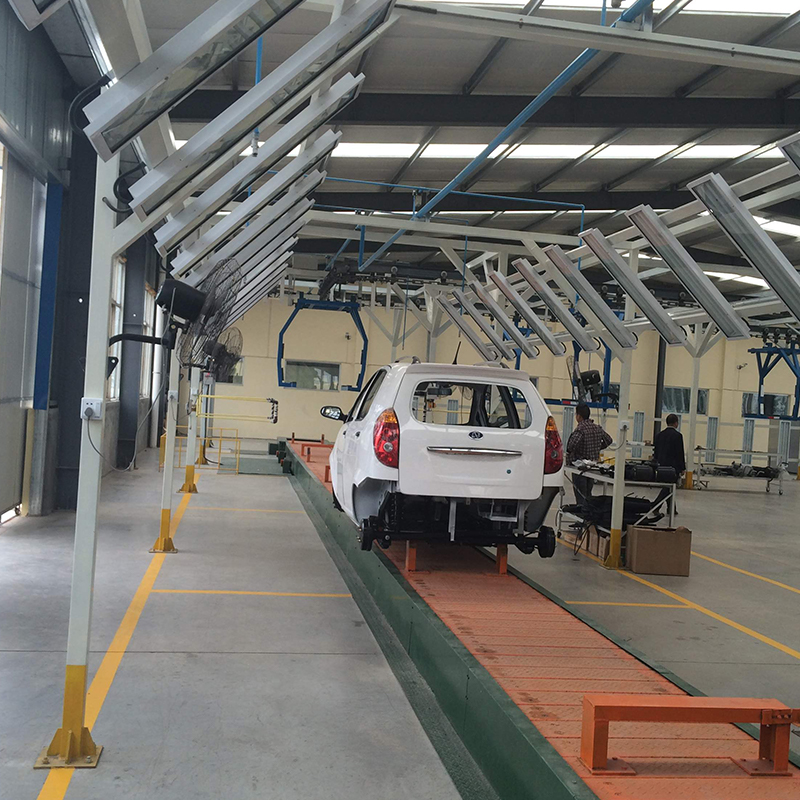
Professional electrophoresis coating line specially designed for electric vehicles (EVs), applicable to various EV types (passenger EV, commercial EV, new energy logistics vehicle) and EV components. ...
See Details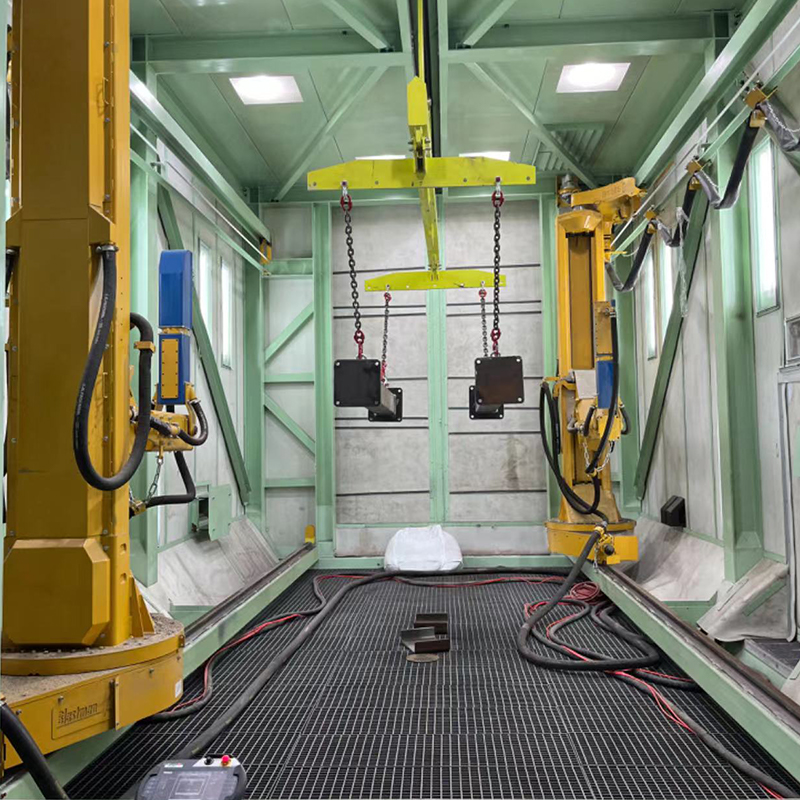
Professional coating line specially designed for large castings and heavy truck parts, applicable to various large castings (engineering castings, mining equipment castings, industrial castings) and h...
See Details
Professional spray coating line specially designed for car wheel manufacturing and refurbishment, applicable to various car wheel types (steel wheel, aluminum alloy wheel, forged wheel, cast wheel, pa...
See Details
Roller table automation line, electric-driven with stable power output, mainly composed of high-quality steel rollers, drive motor, and intelligent control system. It adopts floor-mounted installation...
See Details
Professional spray coating line specially designed for motor casings, applicable to various motor casing types (electric vehicle motor casing, industrial motor casing, household motor casing, high-tem...
See DetailsBuild Your Customized Industrial Coating System
Send us your workpiece information, production capacity, coating process, workshop layout, and environmental requirements. Yueze will help evaluate your project and develop a suitable coating, conveying, drying, and environmental treatment solution.
Main menu
Products
Contact Us
Company Address:
No. 12, Park Avenue, Shanggang Industrial Park, Jianhu, Yancheng City, Jiangsu Province
Message Us Right Now!

Follow us: